











How to Treat a Cat Concussion at Home
Learn how to recognise, care for and monitor a cat concussion at home, and know when urgent veterinary help is needed.
By True Impact Health Editorial Team

Dr. Hannah Silvanus, DVMVeterinary Reviewer, True Impact Health
Doctor of Veterinary Medicine (DVM) who reviews the pet and animal health articles on True Impact Health.
Reviewed this article on October 10, 2026.
View profile How we reviewUpdated on October 10, 2026 9 min read
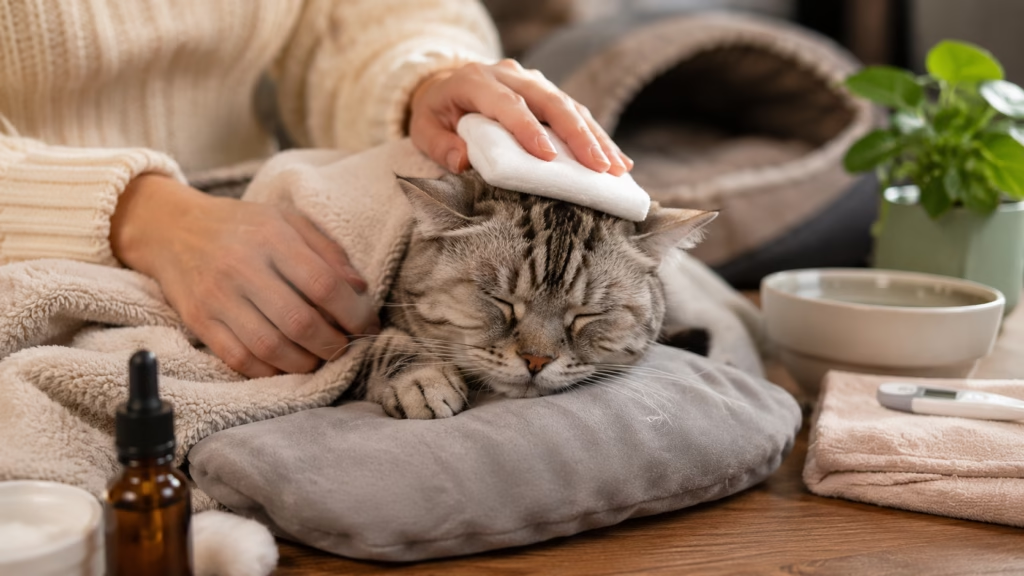
Table of Contents
Quick answer
A cat concussion is a mild brain injury that needs quiet rest, careful monitoring, and prompt veterinary assessment if any concerning signs appear. Keep the cat in a calm, safe space, limit activity, and watch for changes in behaviour, balance, eyes, or breathing, seeking professional help if symptoms worsen.
Introduction
Cats are naturally curious and agile animals, but even the most graceful feline can suffer an accident. A fall from a high surface, a collision with a moving object, a fight with another animal, or a traumatic impact can result in a concussion, also known as a mild traumatic brain injury. While some head injuries appear minor initially, they can have serious consequences if not monitored carefully.
A concussion occurs when the brain is shaken inside the skull following a sudden impact or forceful movement. This can temporarily disrupt normal brain function and lead to a variety of physical, behavioral, and neurological symptoms. Although some mild concussions may improve with rest and supportive care, every suspected head injury should be taken seriously because symptoms can worsen over time.
Understanding how to recognize a concussion, provide immediate first aid, monitor your cat’s condition, and know when emergency veterinary care is needed can make a significant difference in recovery. This guide explains the essential steps for caring for a cat with a possible concussion while emphasizing the importance of professional veterinary evaluation whenever there is uncertainty.
Understanding Concussions in Cats
A concussion is a type of traumatic brain injury that occurs when a blow to the head or sudden movement causes the brain to move within the skull. This movement can temporarily disrupt nerve function and blood flow, resulting in a range of neurological symptoms.
Cats can suffer concussions from various situations. Falls from balconies, windows, shelves, or trees are common causes. Motor vehicle accidents, rough encounters with other animals, and accidental impacts with household objects may also lead to head trauma.
Unlike visible injuries such as cuts or fractures, a concussion affects the brain internally. As a result, the severity of the injury is not always obvious from external appearances alone. A cat may appear relatively normal immediately after an accident but develop symptoms hours later. This is why careful observation is critical following any significant head injury.
Recognizing the Signs of a Cat Concussion
Early recognition of concussion symptoms is essential because prompt intervention can prevent complications and improve outcomes.
One of the most common signs is a noticeable change in behavior. A normally active and social cat may suddenly become withdrawn, unusually sleepy, or reluctant to interact. Some cats may hide for extended periods or appear confused about their surroundings.
Physical signs can include difficulty maintaining balance, stumbling while walking, or an unsteady gait. Some cats develop a head tilt or begin walking in circles. These changes may indicate that the injury has affected areas of the brain responsible for coordination and balance.
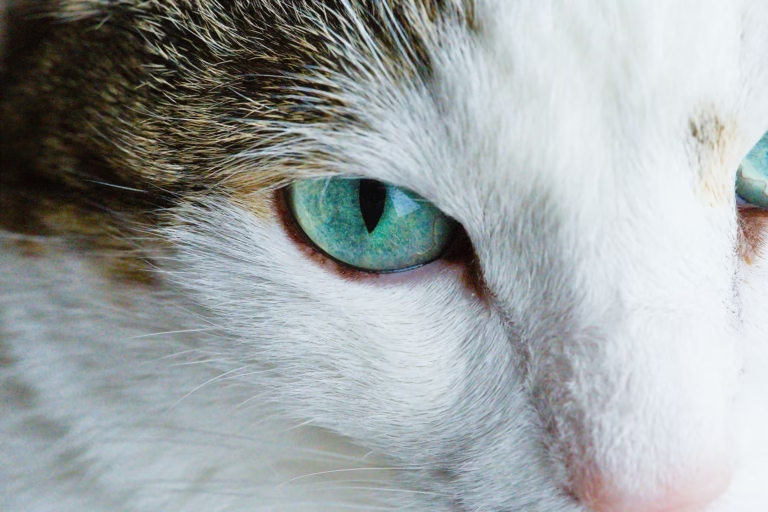
Changes involving the eyes are also important to watch for. Unequal pupil sizes, dilated pupils, or unusual eye movements can signal neurological involvement. In some cases, cats may appear disoriented or have trouble focusing on objects.
More severe neurological symptoms may include vomiting, excessive drooling, tremors, seizures, or episodes of unconsciousness. These signs require immediate veterinary attention because they may indicate significant brain injury.
Even if symptoms appear mild, any unusual behavior following a head injury should be considered a potential warning sign.
Immediate First Aid Following a Head Injury
If you suspect your cat has suffered a concussion, the first priority is ensuring safety and minimizing additional stress.
Move your cat carefully to a quiet, secure area away from loud noises, bright lights, children, and other pets. Excessive stimulation can worsen neurological symptoms and increase anxiety.
Handle your cat gently and avoid unnecessary movement, particularly if there is any possibility of neck or spinal injury. Sudden movements can aggravate existing trauma.
Speak softly and calmly to reassure your cat. Even injured cats often respond positively to a familiar voice and a calm environment.
If your cat is unconscious, ensure that the airway remains open and monitor breathing closely. Avoid forcing food, water, or medications into the mouth of an unconscious or semi-conscious animal.
Checking Vital Signs
Monitoring vital signs can provide valuable information about your cat’s condition while awaiting veterinary advice.
A normal resting respiratory rate for cats is typically between 20 and 30 breaths per minute. Breathing should be smooth and effortless. Rapid, labored, or irregular breathing may indicate a serious problem.
The normal heart rate for most cats ranges from approximately 140 to 220 beats per minute, depending on age, stress level, and health status.
A healthy body temperature generally falls between 100.5°F and 102.5°F (38.1°C to 39.2°C). Significant deviations from this range may suggest shock, infection, or other complications.
Checking gum color is also useful. Healthy gums should appear pink and moist. Pale, blue, gray, or white gums require immediate veterinary evaluation.
Using Cold Therapy to Reduce Swelling
If there is visible swelling around the head or face, a cold compress may help reduce inflammation during the initial stages after injury.
Wrap an ice pack or a bag of frozen vegetables in a soft towel before applying it to the affected area. Never place ice directly against your cat’s skin, as this can cause tissue damage.
Apply the cold compress gently for five to ten minutes at a time. Allow breaks between applications and monitor your cat’s comfort throughout the process.
Cold therapy may be repeated periodically during the first several hours after injury if your cat tolerates it well.
Managing External Wounds
Some head injuries are accompanied by cuts, abrasions, or bleeding.
If bleeding is present, apply gentle pressure using a clean cloth or sterile gauze. Most minor wounds stop bleeding within several minutes. However, persistent bleeding, heavy blood loss, or bleeding from the ears, nose, or mouth should be treated as an emergency.
Avoid applying human antiseptics, ointments, or medications unless specifically directed by a veterinarian. Certain products that are safe for people can be harmful to cats.
Creating an Ideal Recovery Environment
Rest is one of the most important components of concussion recovery.
Provide a quiet room with soft bedding and minimal activity. Keep food, water, and litter boxes nearby so your cat does not need to exert excessive energy moving around.
Limit access to high furniture, staircases, balconies, and other elevated areas where falls could occur. Cats recovering from head injuries often have impaired balance and coordination, increasing the risk of further accidents.
Dim lighting can help reduce sensory stimulation, particularly if your cat appears sensitive to light.
The goal is to create an environment that allows the brain to recover while minimizing stress and physical exertion.
Supporting Hydration and Nutrition
Maintaining hydration is essential during recovery. Encourage your cat to drink by providing fresh water in easily accessible locations.
If your cat is interested in eating, offer small portions of highly palatable, easy-to-digest foods. Warmed canned food is often more appealing than dry kibble and may encourage appetite.
Avoid force-feeding food or water unless specifically instructed by a veterinarian. Cats with neurological symptoms may have impaired swallowing ability, increasing the risk of aspiration.
If your cat refuses both food and water for more than 24 hours, veterinary evaluation becomes necessary.
Medications and Pain Management
One of the most important rules in feline first aid is never to administer human medications without veterinary guidance.
Common medications such as ibuprofen, acetaminophen, aspirin, and many cold remedies can be toxic or fatal to cats. Even seemingly harmless drugs may cause serious complications.
If your veterinarian prescribes medications for pain, inflammation, nausea, or neurological symptoms, administer them exactly as directed and maintain a written schedule to avoid missed or duplicated doses.
Monitoring Recovery
Close observation is critical during the first 24 to 72 hours following a concussion.
Keep a detailed record of your cat’s behavior, appetite, water intake, activity level, and any unusual symptoms. Monitoring trends can help determine whether your cat is improving or deteriorating.
Signs of improvement may include increased alertness, better balance, normal eating and drinking habits, and a return to typical social behaviors.
Conversely, worsening symptoms may indicate complications that require immediate medical attention.
When to Seek Emergency Veterinary Care
Although some mild concussions improve with supportive care, certain symptoms should never be managed solely at home.
Seek immediate veterinary care if your cat experiences loss of consciousness, seizures, repeated vomiting, worsening disorientation, inability to stand, sudden blindness, or significant breathing difficulties.
Persistent bleeding, unequal pupils, severe lethargy, or any rapid decline in condition should also be considered emergencies.
Even if symptoms appear mild, contacting your veterinarian after any head injury is strongly recommended because some complications may not become apparent immediately.
Preventing Future Head Injuries
Prevention remains the best approach to protecting your cat from concussions and other traumatic injuries.
Ensure that windows and balconies are properly screened. Provide stable cat trees and climbing structures with secure platforms. Place non-slip mats on slippery floors and supervise interactions between pets when introducing new animals.
For outdoor cats, consider secure enclosures or supervised outdoor time to reduce the risk of vehicle accidents and animal attacks.
Regular veterinary examinations can also help identify underlying conditions that may contribute to falls or balance problems.
Conclusion
Treating a cat concussion at home focuses primarily on providing a calm environment, monitoring symptoms closely, supporting hydration and nutrition, and preventing additional injury. While many mild concussions may improve with rest and careful observation, head injuries should never be taken lightly because serious complications can develop unexpectedly.
The most important aspect of concussion care is recognizing when professional veterinary intervention is needed. Early diagnosis and treatment can significantly improve outcomes and reduce the risk of long-term neurological damage.
By staying attentive, creating a safe recovery environment, and seeking veterinary guidance when necessary, you can help your feline companion recover comfortably and safely after a head injury. When it comes to brain injuries, it is always better to be cautious than to wait and hope symptoms resolve on their own.
Disclaimer
This article is for educational purposes only and does not replace professional medical advice, diagnosis, or treatment. Seizures, severe headache, confusion, visual changes, or blood pressure readings in the hypertensive crisis range require urgent medical evaluation.
When to see a vet
- Persistent vomiting or drooling
- Unsteady gait, repeated falling or inability to walk
- Unequal or dilated pupils, abnormal eye movements
- Seizures, tremors or loss of consciousness
- Rapid breathing, pale or blue gums
- Any worsening of symptoms after the first 24 hours
If your pet collapses, struggles to breathe or is in severe pain, contact an emergency vet straight away.
Frequently asked questions
How long should a cat rest after a suspected concussion?
Provide at least 24‑48 hours of quiet confinement with minimal handling. Continue to limit activity for several days, gradually re‑introducing normal play as long as the cat remains symptom‑free.
Can I give my cat pain medication at home?
Do not give over‑the‑counter human pain relievers such as ibuprofen or acetaminophen, as they are toxic to cats. Only give medication prescribed by a veterinarian.
What home signs indicate the concussion is improving?
Improvement is suggested by steady appetite, normal grooming, clear eyes, stable gait, and the return to usual social behaviour. Continue to observe for any sudden changes.
Is it safe to use a cold compress on my cat’s head?
Yes, a cold compress wrapped in a towel can be applied for 5‑10 minutes at a time to reduce swelling, provided the cat tolerates it and the skin is protected. Stop if the cat shows distress.
Sources and further reading
Was this page helpful?
Thanks for your feedback! What could we improve?
Thank you! Your feedback helps us improve our articles.
Veterinary reviewed by
Dr. Hannah Silvanus, DVMDoctor of Veterinary Medicine (DVM) who reviews the pet and animal health articles on True Impact Health.
True Impact Health articles are written by our editorial team and based on reliable sources such as public health agencies, clinical guidelines and peer-reviewed research. This article has been checked by a veterinarian on our review panel. Read our editorial process.
This content is for general information and is not a substitute for professional medical advice, diagnosis or treatment.