














How to Treat High Altitude Gas
Few things can spoil an otherwise incredible mountain adventure faster than painful bloating, abdominal discomfort, and excessive gas. Many hikers,...
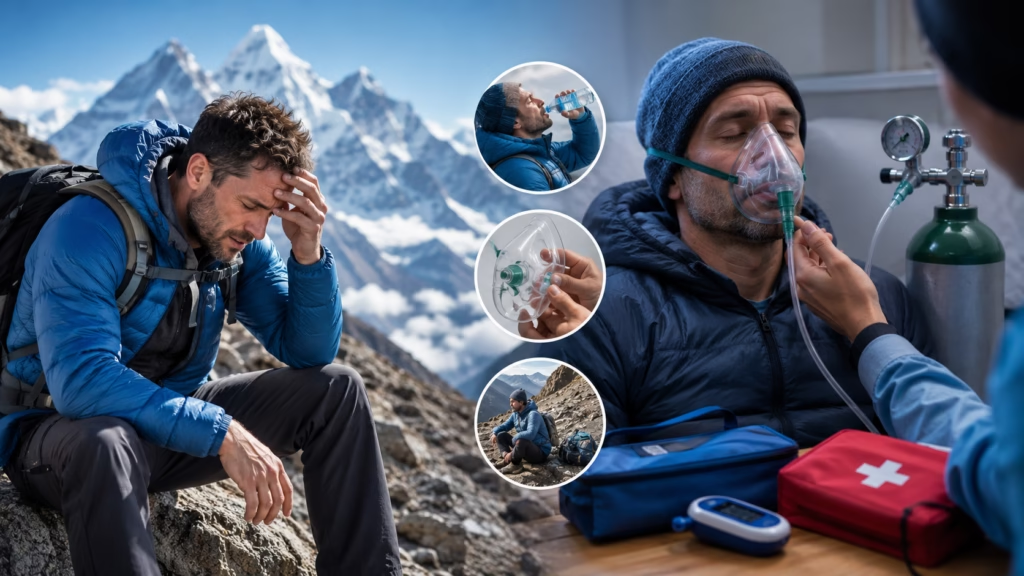
Table of Contents
Introduction
Few things can spoil an otherwise incredible mountain adventure faster than painful bloating, abdominal discomfort, and excessive gas. Many hikers, climbers, trekkers, and outdoor enthusiasts are surprised to discover that digestive issues often become more noticeable as elevation increases. Whether you are exploring mountain trails at 8,000 feet, trekking to Everest Base Camp, or spending time at a high-altitude ski resort, gas and bloating can become an unexpected challenge.
High altitude gas is a common but often overlooked issue that occurs when changes in atmospheric pressure, digestive function, hydration status, and physical exertion affect the gastrointestinal system. While the condition is usually not dangerous, it can cause significant discomfort, interfere with sleep, reduce appetite, and make physical activity less enjoyable.
Fortunately, understanding why high altitude gas occurs and learning how to prevent and manage it can help you stay comfortable and focused on your adventure. This guide explains the science behind altitude-related digestive issues, common symptoms, prevention strategies, effective treatments, and situations that require medical attention.
Understanding the Science Behind High Altitude Gas
One of the primary reasons gas becomes more noticeable at high elevations is due to changes in atmospheric pressure.
As altitude increases, air pressure decreases. According to Boyle’s Law, gases expand when pressure decreases. This means that the air already present within your digestive tract expands as you ascend to higher elevations. Even if the amount of gas remains unchanged, the increased volume can create a sensation of bloating, abdominal pressure, and discomfort.
At the same time, the digestive system often functions less efficiently at altitude. Reduced oxygen availability, dehydration, cold temperatures, and changes in eating patterns can slow gastrointestinal motility. When food remains in the digestive tract longer than usual, intestinal bacteria have more time to ferment carbohydrates and produce gas.
Physical exertion can also contribute to the problem. During hiking or climbing, people tend to breathe more rapidly and deeply. This increased breathing rate often causes individuals to swallow additional air, a process known as aerophagia. The swallowed air eventually accumulates in the stomach and intestines, contributing to bloating and excessive belching.
Together, these physiological changes create the perfect conditions for altitude-related gas and digestive discomfort.
Common Symptoms of High Altitude Gas
High altitude gas can present with a variety of symptoms that range from mild annoyance to significant discomfort.
Many individuals experience a sensation of abdominal fullness or pressure, often describing it as feeling unusually bloated despite eating relatively little food. The abdomen may appear visibly distended or feel tight when touched.
Frequent burping is another common symptom. As gas expands within the stomach, the body attempts to release it through belching. Excessive flatulence may also occur as intestinal gas accumulates.
Some people develop abdominal cramps or intermittent sharp pains caused by trapped gas moving through the digestive tract. Gurgling sounds, increased bowel activity, and mild nausea may accompany these symptoms.
Although these symptoms are typically harmless, they can become frustrating during long hikes, climbs, or overnight camping trips.
Common Causes and Triggers
Several factors can increase the likelihood of developing high altitude gas.
Carbonated beverages are among the most common culprits. Soft drinks, sparkling water, beer, and effervescent sports supplements introduce additional gas into the digestive system, which expands further at higher elevations.
Certain foods are also well-known gas producers. Beans, lentils, broccoli, cabbage, cauliflower, onions, dairy products, and some artificial sweeteners can increase intestinal fermentation and gas production.
Eating too quickly may contribute to swallowing excess air. Similarly, talking while eating, chewing gum, smoking, or drinking through a straw can increase the amount of air entering the digestive tract.
Dehydration is another important factor. Insufficient fluid intake slows digestion and may contribute to constipation, both of which can worsen bloating and gas accumulation.
Prevention Strategies Before Your Trip
Preventing high altitude gas often begins before you even start your ascent.
Modify Your Diet Before Traveling
Many experienced climbers and trekkers adjust their diet one or two days before heading to higher elevations.
Reducing consumption of high-gas foods such as beans, cabbage, broccoli, onions, and dairy products can help minimize intestinal gas production. Some individuals find that following a temporary low-FODMAP eating plan reduces bloating and digestive discomfort during altitude exposure.
It is also wise to avoid carbonated beverages and sparkling supplements during the days leading up to your trip.
Practice Better Eating Habits
How you eat can be just as important as what you eat.
Eating slowly and chewing thoroughly helps reduce the amount of air swallowed during meals. Smaller, more frequent meals are generally easier to digest than large meals that place additional stress on the digestive system.
Avoiding straws, chewing gum, and unnecessary talking while eating can further reduce swallowed air.
Stay Well Hydrated
Proper hydration supports healthy digestion and intestinal motility.
Most adults should aim for at least two to three liters of fluid daily before and during altitude exposure, though individual needs vary based on temperature, altitude, and activity level.
Warm beverages such as ginger tea or peppermint tea may provide additional digestive benefits while helping maintain hydration.
Ascend Gradually
Whenever possible, gradual ascent allows the body to adapt more effectively to higher elevations.
A slower climb not only reduces the risk of altitude sickness but may also lessen gastrointestinal symptoms, including bloating and gas.
Effective Treatments for High Altitude Gas
Even with careful preparation, digestive discomfort can still occur. Fortunately, several treatment options can provide relief.
Over-the-Counter Medications
Simethicone-containing products are among the most commonly recommended remedies for gas-related discomfort.
Simethicone works by breaking down large gas bubbles into smaller ones that are easier for the body to eliminate through belching or flatulence. Products such as Gas-X and similar formulations often provide relatively quick symptom relief.
Activated charcoal supplements are another option. These products may absorb some intestinal gas and reduce bloating in certain individuals.
Some antacid products contain simethicone and can be useful when gas is accompanied by indigestion or acid-related symptoms.
Natural Remedies
Many natural remedies have been used successfully for digestive discomfort at altitude.
Ginger is particularly popular because it helps stimulate digestion while reducing nausea and inflammation. Ginger tea, ginger chews, and ginger capsules can all be effective options.
Peppermint has long been recognized for its ability to relax smooth muscles within the digestive tract. Peppermint tea or enteric-coated peppermint capsules may help reduce cramping and bloating.
Fennel seeds are another traditional remedy. Chewing a small amount after meals may help ease digestive discomfort and reduce gas production.
Physical Techniques to Relieve Trapped Gas
Movement is often one of the most effective ways to relieve gas.
A gentle walk around camp or along the trail can help stimulate intestinal activity and encourage trapped gas to move through the digestive system.
Stretching exercises may also provide relief. Certain yoga positions, particularly those that compress the abdomen, can help release trapped gas.
One commonly recommended position is the “Wind-Relieving Pose,” in which the knees are pulled toward the chest while lying on the back. Gentle twisting stretches may also help reduce abdominal pressure.
Some individuals find relief through abdominal massage. Using gentle clockwise circular movements follows the natural direction of the colon and may encourage gas movement.
When High Altitude Gas Requires Medical Attention
Most cases of high altitude gas are harmless and resolve with simple measures. However, severe symptoms should not be ignored.
Persistent abdominal pain that does not improve with movement, hydration, or over-the-counter remedies may indicate a more serious condition.
Particular attention should be paid if gas symptoms occur alongside signs of Acute Mountain Sickness (AMS), including headache, dizziness, vomiting, severe fatigue, or confusion.
Inability to pass gas or stool, severe abdominal distension, persistent vomiting, or worsening pain may suggest intestinal obstruction or another medical emergency requiring prompt evaluation.
What to Do if Symptoms Become Severe
If symptoms become intense or are accompanied by signs of altitude illness, descending to a lower elevation is often the most effective intervention.
A descent of approximately 1,000 feet or more frequently improves both digestive symptoms and altitude-related physiological stress.
Rest, hydration, electrolyte replacement, and avoidance of strenuous activity may further support recovery.
In expedition settings, portable hyperbaric chambers may be used to temporarily simulate lower-altitude conditions while awaiting evacuation or descent.
Long-Term Strategies for Frequent High-Altitude Travelers
Individuals who regularly travel to high elevations may benefit from adopting preventive digestive strategies year-round.
Probiotic supplements may help support a healthier gut microbiome and improve digestive resilience. Some travelers also report benefits from digestive enzyme supplements, particularly when consuming carbohydrate-rich expedition diets.
Structured acclimatization schedules that include rest days can significantly reduce the physiological stress associated with rapid altitude gain.
Learning which foods trigger symptoms personally and developing a customized altitude nutrition plan can also improve comfort during future trips.
Conclusion
High altitude gas is a common consequence of physiological changes that occur as atmospheric pressure decreases and the body adapts to life at elevation. Although uncomfortable, most cases can be prevented or managed through thoughtful dietary choices, proper hydration, gradual ascent, and effective treatment strategies.
Understanding the science behind gas expansion, digestive slowing, and swallowed air allows hikers and climbers to take proactive steps before symptoms develop. When discomfort does occur, remedies such as simethicone, ginger, peppermint, movement, and adequate hydration often provide significant relief.
Most importantly, individuals should remain alert for symptoms that may indicate a more serious altitude-related illness. By combining prevention, early intervention, and good mountain practices, you can spend less time worrying about digestive discomfort and more time enjoying the spectacular beauty of the high-altitude environment.
With proper preparation and awareness, high altitude gas does not have to interfere with your next mountain adventure.
Disclaimer
This article is for educational purposes only and does not replace professional medical advice, diagnosis, or treatment. Seizures, severe headache, confusion, visual changes, or blood pressure readings in the hypertensive crisis range require urgent medical evaluation.
Was this page helpful?
Thanks for your feedback! What could we improve?
Thank you! Your feedback helps us improve our articles.
True Impact Health articles are written by our editorial team and based on reliable sources such as public health agencies, clinical guidelines and peer-reviewed research. This article has not yet been medically reviewed. Read our editorial process.
This content is for general information and is not a substitute for professional medical advice, diagnosis or treatment.