












How to Treat Bamboo Cutting Board
Bamboo cutting boards have become a favorite in modern kitchens because they combine durability, sustainability, and natural beauty. Unlike plastic...
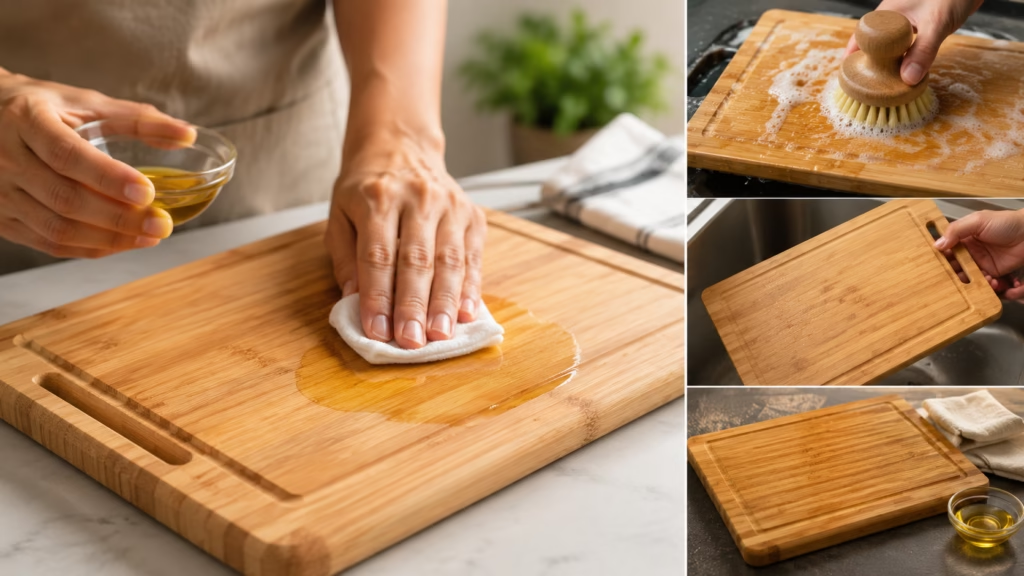
Table of Contents
Introduction
Bamboo cutting boards have become a favorite in modern kitchens because they combine durability, sustainability, and natural beauty. Unlike plastic cutting boards that can develop deep grooves or wooden boards that may require extensive maintenance, bamboo offers a strong and environmentally friendly surface for food preparation. However, despite its toughness, bamboo is still a natural material that requires proper care to maintain its appearance and functionality over time.
Without regular treatment, bamboo cutting boards can become dry, cracked, discolored, or warped. They may also absorb moisture, odors, and food particles that compromise hygiene and shorten the board’s lifespan. Fortunately, caring for a bamboo cutting board is neither complicated nor time-consuming. With proper cleaning, conditioning, and maintenance, a quality bamboo board can serve your kitchen for many years.
This guide explains why bamboo cutting board care matters, how to properly clean and condition the surface, common mistakes to avoid, and the best practices for keeping your board in excellent condition.
Why Treating Your Bamboo Cutting Board Is Important
Many people assume that bamboo cutting boards require little maintenance because bamboo is naturally hard and durable. While bamboo is indeed more resistant to moisture than some traditional hardwoods, it still needs regular treatment to preserve its structural integrity and appearance.
One of the primary benefits of treating a bamboo cutting board is extending its lifespan. Bamboo fibers can dry out over time, particularly in kitchens with low humidity or frequent use. When the fibers lose moisture, the board becomes more susceptible to cracking, splitting, and warping. Regular conditioning replenishes lost moisture and helps maintain the board’s flexibility and strength.
Proper treatment also improves hygiene. A conditioned bamboo surface is less likely to absorb water, juices, and food particles. By reducing moisture penetration, the board becomes less hospitable to bacteria and mold growth. This is especially important when preparing raw meats, seafood, and fresh produce.
In addition to functional benefits, regular treatment preserves the natural beauty of bamboo. Oiling enhances the rich golden tones of the material and prevents the dull, gray appearance that often develops when bamboo is neglected. A well-maintained cutting board not only performs better but also looks more attractive on your countertop.
Understanding Bamboo as a Material
Although bamboo is often grouped with wood products, it is technically a grass. Its fibers are compressed and bonded together during manufacturing, creating a dense and durable cutting surface. This unique structure makes bamboo harder than many hardwoods while remaining relatively lightweight.
Because bamboo contains natural fibers, it reacts to moisture and temperature changes. Excessive exposure to water can cause swelling and warping, while extremely dry conditions may cause shrinkage and cracking. Understanding these characteristics helps explain why routine care is essential.
Unlike synthetic materials, bamboo benefits from periodic conditioning that restores moisture balance and protects the surface from environmental stress.
Supplies You Will Need
Before beginning the treatment process, gather the necessary supplies. Having the proper materials ensures that your cutting board receives the care it needs without causing damage.
You will need mild dish soap for cleaning, warm water for rinsing, and a soft sponge or cloth for scrubbing. Fine-grit sandpaper, preferably around 220 grit, is useful for smoothing rough areas and removing minor surface imperfections.
For conditioning, use food-grade mineral oil or a specialized bamboo cutting board oil. These products are specifically designed for food-contact surfaces and will not become rancid over time. Clean lint-free cloths or paper towels are needed for applying and buffing the oil.
For additional protection, many people choose to use a beeswax and mineral oil blend. This creates a protective barrier that helps repel water and stains while giving the board a subtle shine.
Step 1: Thoroughly Clean the Cutting Board
The first step in treating a bamboo cutting board is ensuring that the surface is completely clean. Dirt, food residue, and oils must be removed before conditioning can be effective.
Begin by rinsing the board under warm running water. Apply a small amount of mild dish soap to a soft sponge or cloth and gently scrub the entire surface. Pay particular attention to areas where food particles may have accumulated.
Avoid using abrasive scrubbers, steel wool, or harsh chemical cleaners. These products can scratch the surface and strip away the board’s natural protective qualities.
One of the most important rules of bamboo board care is never soaking the board in water. Extended exposure to moisture can cause the fibers to swell and weaken the adhesive bonds that hold the board together. Similarly, bamboo cutting boards should never be placed in a dishwasher, where high temperatures and prolonged water exposure can cause irreversible damage.
Step 2: Rinse and Dry Completely
After cleaning, rinse the board thoroughly to remove all soap residue. Residual soap can interfere with oil absorption and affect the taste of foods prepared on the surface.
Once rinsed, use a clean towel to remove excess moisture. Then stand the cutting board upright or place it on its side in a well-ventilated area. This allows air to circulate around both sides of the board and promotes even drying.
Allow the board to dry completely before proceeding to the conditioning stage. Depending on humidity levels and board thickness, this may take several hours. For best results, allow at least two hours of drying time, although overnight drying is ideal.
Applying oil to a damp board can trap moisture inside the bamboo fibers, potentially leading to mold growth or warping.
Step 3: Inspect and Sand the Surface
Once the board is dry, carefully inspect it for signs of wear. Look for rough patches, knife marks, splinters, or minor cracks that may have developed through regular use.
If necessary, use fine-grit sandpaper to gently smooth these areas. Sand with the grain of the bamboo using light pressure. The goal is not to remove large amounts of material but rather to create an even, smooth surface that will better absorb conditioner.
After sanding, wipe away all dust with a clean, dry cloth. Any remaining particles may interfere with oil penetration and leave an uneven finish.
Regular light sanding can help rejuvenate older boards and restore their original appearance.
Step 4: Apply Food-Grade Mineral Oil
Conditioning is the most important part of bamboo cutting board maintenance. The purpose of oiling is to replenish moisture within the bamboo fibers and create a barrier against water absorption.
Pour a small amount of food-grade mineral oil directly onto the board. A tablespoon is usually sufficient for most cutting boards. Using a clean cloth, spread the oil evenly across the entire surface using circular motions.
Pay special attention to the edges, corners, and end grain areas. These sections tend to dry out more quickly and are often the first places where cracks begin to form.
Do not forget to oil both sides of the board, even if you typically use only one side. Conditioning both surfaces helps maintain moisture balance and reduces the risk of warping.
As you work the oil into the bamboo, you may notice the color deepening and becoming richer. This is a sign that the fibers are absorbing the conditioner effectively.
Step 5: Allow the Oil to Absorb
After applying the oil, place the board on a protected surface and allow it to rest. During this period, the bamboo absorbs the oil and seals its fibers.
For optimal results, let the board sit for at least two to four hours. Many experts recommend leaving it overnight, especially if the board appears particularly dry.
You may notice certain areas absorbing oil faster than others. This is normal and often indicates sections that needed conditioning the most.
Avoid using the board during this absorption period to ensure maximum effectiveness.
Step 6: Remove Excess Oil and Buff
Once the absorption period is complete, inspect the board for any remaining oil on the surface. Use a clean lint-free cloth to wipe away excess oil.
The goal is to leave the board conditioned but not greasy. Properly treated bamboo should have a soft, natural sheen rather than an oily finish.
After wiping away excess oil, gently buff the surface using circular motions. This enhances the board’s appearance and helps distribute any remaining conditioner evenly.
The finished board should feel smooth, clean, and slightly polished.
Optional Step: Apply a Beeswax Finish
For additional protection, consider applying a beeswax and mineral oil finish after conditioning. This combination creates a protective layer that helps repel water, stains, and food odors.
Warm the beeswax product slightly according to the manufacturer’s instructions. Apply a thin layer across the entire board and buff it thoroughly into the surface.
The resulting finish creates a smooth, water-resistant barrier while enhancing the natural beauty of the bamboo.
Many professional chefs and woodworkers use this extra step to maximize durability and reduce maintenance requirements.
Ongoing Maintenance and Best Practices
Regular maintenance is the key to preserving your bamboo cutting board. Most boards benefit from conditioning once a month, although heavily used boards may require more frequent treatment.
Pay attention to visual cues. If the surface begins to look dry, faded, or rough, it is likely time for another application of oil.
Wipe the board clean after each use and dry it immediately. Never allow water to pool on the surface for extended periods.
Rotate the board periodically if both sides are usable. This promotes even wear and helps prevent warping.
For odors and stains, sprinkle coarse salt over the board and rub it with half a lemon. This natural cleaning method removes odors while helping sanitize the surface.
Common Mistakes to Avoid
Many cutting boards suffer damage not from use but from improper maintenance. Avoid placing bamboo cutting boards in dishwashers, soaking them in sinks, or exposing them to prolonged moisture.
Do not use cooking oils such as olive oil, vegetable oil, coconut oil, or canola oil for conditioning. These oils can become rancid over time, producing unpleasant odors and attracting bacteria.
Avoid storing the board flat on a damp countertop. Instead, store it upright or in a dry, well-ventilated area.
Finally, avoid harsh cleaning chemicals, bleach, or abrasive scrubbers that can damage the bamboo fibers and reduce the effectiveness of future treatments.
When to Replace Your Bamboo Cutting Board
Even the best-maintained cutting boards eventually reach the end of their useful life. Deep knife grooves that cannot be sanded out may trap bacteria and become difficult to clean effectively.
Persistent odors, severe discoloration, large cracks, and significant warping are also signs that replacement may be necessary.
If the structural integrity of the board has been compromised, investing in a new board is often the safest and most hygienic choice.
Conclusion
Treating a bamboo cutting board is one of the simplest ways to extend its lifespan, maintain kitchen hygiene, and preserve its natural beauty. Through regular cleaning, proper drying, periodic conditioning, and occasional sanding, you can keep your board looking and performing like new for many years.
A few minutes of maintenance each month can prevent cracking, warping, and discoloration while ensuring a safe and attractive food preparation surface. By following these simple care techniques and avoiding common mistakes, your bamboo cutting board will remain a dependable kitchen companion for years to come.
Whether your board is brand new or has already seen years of service, now is the perfect time to give it the care it deserves. With consistent treatment and proper maintenance, your bamboo cutting board will continue to provide reliable performance and timeless beauty every time you step into the kitchen.
Disclaimer
This article is for educational purposes only and does not replace professional medical advice, diagnosis, or treatment. Seizures, severe headache, confusion, visual changes, or blood pressure readings in the hypertensive crisis range require urgent medical evaluation.
Was this page helpful?
Thanks for your feedback! What could we improve?
Thank you! Your feedback helps us improve our articles.
True Impact Health articles are written by our editorial team and based on reliable sources such as public health agencies, clinical guidelines and peer-reviewed research. This article has not yet been medically reviewed. Read our editorial process.
This content is for general information and is not a substitute for professional medical advice, diagnosis or treatment.