








How to Treat a Sick Bird at Home
Learn safe home care for a sick bird: warm environment, hydration, nutrition, and warning signs that require a vet.
By True Impact Health Editorial Team

Dr. Hannah Silvanus, DVMVeterinary Reviewer, True Impact Health
Doctor of Veterinary Medicine (DVM) who reviews the pet and animal health articles on True Impact Health.
Reviewed this article on October 10, 2026.
View profile How we reviewUpdated on October 10, 2026 9 min read
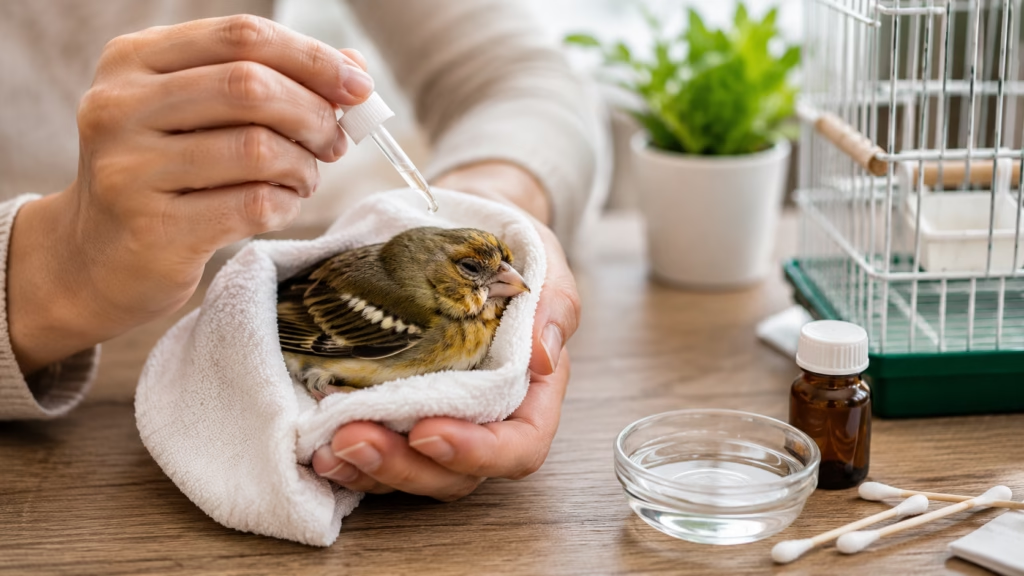
Table of Contents
Quick answer
Treat a sick bird at home by providing a warm, quiet, low‑stress environment, ensuring fresh water and easy‑to‑eat nutritious foods, and monitoring for any change in behaviour, droppings or breathing. Use gentle heat sources and humidification if needed, but seek veterinary care promptly for any serious signs.
Introduction
Birds are highly sensitive animals that often hide signs of illness until they become seriously unwell. This natural instinct helps them avoid appearing vulnerable in the wild, but it can make it difficult for owners to recognize health problems early. Whether you care for a budgie, cockatiel, lovebird, conure, canary, or another pet bird, noticing changes in behavior, appetite, posture, or activity level should never be ignored.
When a bird becomes sick, prompt action can make a significant difference in its recovery. While veterinary care remains the most important aspect of treating an ill bird, there are several supportive measures that owners can safely provide at home to stabilize their feathered companion and improve comfort. Creating a warm environment, encouraging hydration, providing proper nutrition, and closely monitoring symptoms can help support the healing process while professional care is arranged.
This guide explains how to recognize signs of illness, create an effective recovery environment, provide supportive care, and identify situations that require immediate veterinary attention.
Recognizing the Signs of Illness in Your Bird
The first step in helping a sick bird is identifying that something is wrong. Because birds often conceal symptoms, even subtle changes in their normal routine can indicate illness.
One of the most common warning signs is persistent feather fluffing. Healthy birds may fluff their feathers briefly when resting or adjusting body temperature, but a bird that remains puffed up for long periods may be trying to conserve energy and body heat due to illness.
Lethargy is another important sign. A sick bird may spend more time sleeping, appear less alert, or show little interest in interacting with people, toys, or cage mates. Some birds become reluctant to perch and may sit at the bottom of the cage instead.
Changes in appetite should always be taken seriously. Birds have high metabolic rates and can deteriorate quickly if they stop eating. A noticeable reduction in food consumption, refusal of favorite treats, or unexplained weight loss may indicate an underlying health problem.
Abnormal droppings can also provide valuable clues. Changes in color, consistency, frequency, or odor may signal digestive disorders, infections, liver disease, kidney problems, or nutritional deficiencies.
Respiratory symptoms deserve immediate attention. Sneezing, nasal discharge, wheezing, tail bobbing, open-mouth breathing, or labored respiration may indicate respiratory infections or other serious conditions.
Owners should also watch for swollen eyes, changes in the appearance of the beak, joint swelling, excessive vocalization, unusual silence, or any significant alteration in normal behavior.
When illness is suspected, spend at least ten to fifteen minutes quietly observing your bird. Record any unusual findings in a notebook, including changes in eating habits, posture, droppings, and activity levels. Taking photographs of abnormal droppings or physical symptoms can also be helpful when consulting a veterinarian.
Creating a Comfortable Recovery Environment
A sick bird needs a calm, warm, and stress-free environment to conserve energy and focus on recovery. Stress places additional demands on the immune system and can worsen illness.
Move the cage to a quiet area of the home where the bird will not be disturbed by excessive noise, children, other pets, or household activity. Avoid placing the cage near doors, windows, air-conditioning vents, or drafty locations.
Temperature control is especially important. Most tropical pet birds benefit from an environment maintained between 80°F and 85°F (27°C to 29°C) while recovering. Warmth helps conserve energy and reduces the metabolic demands placed on a sick bird. Heating pads designed for birds, ceramic heat emitters, or carefully positioned heat lamps can be used under veterinary guidance.
Humidity should also be maintained at a comfortable level. Dry air can irritate the respiratory system, while moderate humidity may help birds experiencing respiratory symptoms. A humidifier placed nearby can help achieve a humidity level of approximately 50% to 60%.
Lighting should follow a normal day-night schedule. Birds require adequate sleep to support healing. Excessive nighttime lighting may interfere with rest and recovery.
To increase comfort, consider replacing hard or rough perches with softer rope perches or smooth dowel perches that place less strain on the feet. Partially covering the cage with a light cloth can also help reduce stress while still allowing adequate airflow and observation.
Supporting Hydration and Nutrition
Proper hydration and nutrition are among the most critical aspects of caring for a sick bird. Ill birds often eat and drink less than usual, increasing their risk of dehydration and malnutrition.
Fresh water should always be available and changed several times daily. Some birds may drink more readily if water dishes are placed closer to their favorite perch.
In cases where mild dehydration is suspected, an avian electrolyte solution may provide additional support. Commercial bird electrolyte products are generally preferred because they are specifically formulated for avian physiology.
Food should be easy to access and highly appealing. Many birds continue eating favorite foods even when feeling unwell. Millet sprays, softened pellets, soaked seeds, and warm vegetable mash may encourage food intake.
Soaking seeds in warm water for a short period can make them easier to eat and digest. Likewise, slightly warming soft foods may increase their attractiveness.
Offer food in small, frequent portions throughout the day rather than expecting the bird to consume a large meal at once. Frequent feeding opportunities can help maintain energy levels and encourage adequate caloric intake.
Any uneaten food should be removed promptly to prevent bacterial growth and contamination.
Owners should never force-feed a bird unless specifically trained by an avian veterinarian. Improper feeding techniques can result in aspiration, which may cause life-threatening complications.
Safe Home Care and Supportive Remedies
While home remedies cannot cure serious diseases, certain supportive measures may help improve comfort and assist recovery.
Steam therapy may provide relief for birds experiencing mild respiratory congestion. One common approach involves running a hot shower in a bathroom to create steam while keeping the bird safely positioned away from direct water exposure. Spending ten to fifteen minutes in the humid environment may help loosen mucus and soothe irritated airways.
Gentle misting with warm water can also benefit some birds by improving feather condition and reducing skin irritation. The water should be comfortably warm, never hot.
Some bird owners find that mild herbal vapors, such as chamomile tea steam, may provide soothing effects. However, any herbal remedy should be used cautiously and only as a supportive measure.
It is extremely important to avoid human medications unless specifically prescribed by an avian veterinarian. Many medications that are safe for people or other pets can be toxic to birds.
Essential oils should also be avoided. Many essential oils release compounds that can irritate or damage a bird’s highly sensitive respiratory system.
Monitoring Recovery and Keeping Records
Close monitoring is one of the most valuable tools a bird owner can use during illness.
Body weight is often one of the earliest indicators of worsening health. Using a digital kitchen scale to weigh the bird daily can help detect subtle changes that may not be visible otherwise.
Track food consumption, water intake, droppings, activity level, and respiratory effort each day. Recording these observations creates a valuable record that can assist veterinarians in making accurate diagnoses and treatment decisions.
Photographs can be especially useful for documenting changes in swelling, posture, feather condition, or droppings over time.
Improvement may include increased appetite, more activity, brighter eyes, smoother feathers, and normal vocalizations. Conversely, worsening symptoms require immediate veterinary evaluation.
When to Seek Veterinary Care
Although supportive home care can be helpful, it should never replace professional veterinary treatment when serious illness is present.
Immediate veterinary attention is necessary if a bird experiences difficulty breathing, open-mouth breathing, severe tail bobbing, or respiratory distress. These symptoms may indicate a life-threatening emergency.
Blood in droppings, persistent vomiting, seizures, severe weakness, inability to perch, or collapse also require urgent medical evaluation.
Rapid weight loss, severe dehydration, and prolonged refusal to eat are equally serious because birds can deteriorate quickly without adequate nutrition.
If symptoms persist for more than forty-eight to seventy-two hours despite supportive care, a veterinary examination is strongly recommended.
Birds often compensate remarkably well until they become critically ill. For this reason, delaying professional treatment can significantly reduce the chances of successful recovery.
Conclusion
Treating a sick bird at home begins with recognizing early signs of illness and providing supportive care that promotes comfort, warmth, hydration, and nutrition. Creating a quiet recovery environment, closely monitoring symptoms, and encouraging food and water intake can significantly support the healing process.
However, home care should always be viewed as a temporary and supportive measure rather than a substitute for professional medical treatment. Birds are fragile animals whose health can decline rapidly when serious illness develops.
By staying observant, acting promptly, and seeking veterinary guidance when needed, bird owners can provide the best possible care for their feathered companions. With patience, attentive monitoring, and appropriate medical support, many birds can recover successfully and return to their active, happy selves.
Disclaimer
This article is for educational purposes only and does not replace professional medical advice, diagnosis, or treatment. Seizures, severe headache, confusion, visual changes, or blood pressure readings in the hypertensive crisis range require urgent medical evaluation.
When to see a vet
- Persistent open‑mouth breathing or wheezing
- Sudden weight loss or refusal to eat for more than 24 hours
- Abnormal droppings (blood, very watery, or foul odor)
- Swollen eyes, beak deformities, or severe feather loss
- Severe lethargy or inability to perch
If your pet collapses, struggles to breathe or is in severe pain, contact an emergency vet straight away.
Frequently asked questions
How often should I change my bird's water when it is ill?
Change the water at least twice a day, or more often if it becomes dirty or the bird drinks heavily. Fresh, clean water helps prevent dehydration and reduces the risk of bacterial growth.
Can I give my bird fruit juice for hydration?
Small amounts of diluted, unsweetened fruit juice can be offered, but water should remain the primary fluid. Too much juice can cause digestive upset and excess sugar.
What foods are safest to offer a sick bird?
Soft, easily digestible foods such as soaked seeds, millet spray, cooked vegetables (e.g., carrots, peas), and a small amount of plain cooked rice or oatmeal are good choices. Avoid salty, sugary, or seasoned foods.
Is it okay to use a heating pad under the cage?
A low‑setting heating pad designed for birds can be used if it does not overheat the cage. Place a towel between the pad and cage, monitor temperature, and discontinue if the bird appears too warm.
Sources and further reading
Was this page helpful?
Thanks for your feedback! What could we improve?
Thank you! Your feedback helps us improve our articles.
Veterinary reviewed by
Dr. Hannah Silvanus, DVMDoctor of Veterinary Medicine (DVM) who reviews the pet and animal health articles on True Impact Health.
True Impact Health articles are written by our editorial team and based on reliable sources such as public health agencies, clinical guidelines and peer-reviewed research. This article has been checked by a veterinarian on our review panel. Read our editorial process.
This content is for general information and is not a substitute for professional medical advice, diagnosis or treatment.