












How to Treat Powdery Mildew on Squash
Growing squash in a home garden can be one of the most rewarding gardening experiences. Squash plants are generally productive, relatively easy to grow,...
By True Impact Health Editorial Team

Dr. Daniel HarringtonMedical Reviewer, True Impact Health
Medical doctor and clinical researcher focused on preventive medicine, chronic disease and clear, evidence-based health communication.
Reviewed this article on October 15, 2026.
View profile How we reviewUpdated on June 14, 2026 9 min read
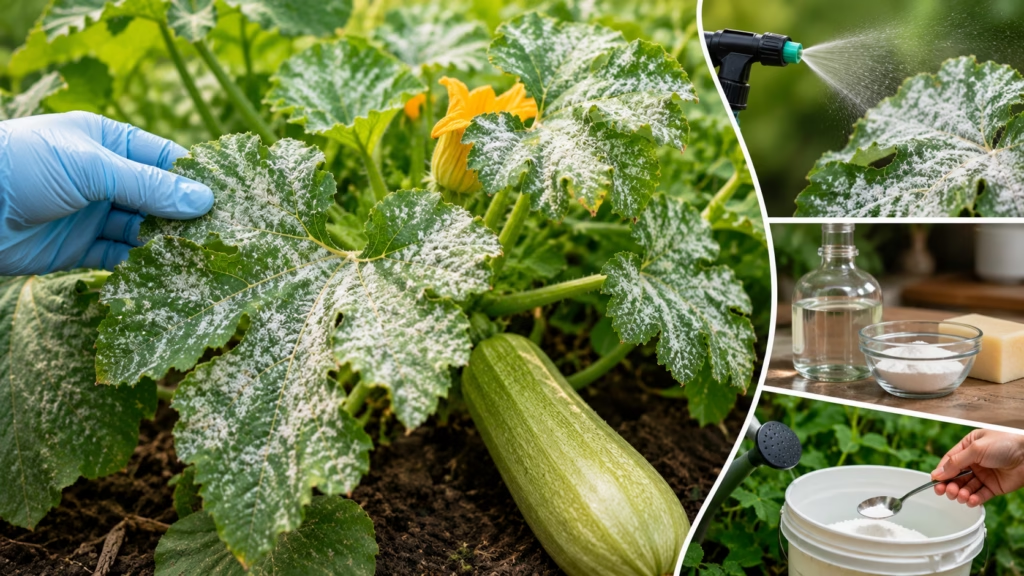
Table of Contents
Introduction
Growing squash in a home garden can be one of the most rewarding gardening experiences. Squash plants are generally productive, relatively easy to grow, and capable of producing abundant harvests throughout the growing season. However, one common problem can quickly threaten the health and productivity of these plants: powdery mildew. This fungal disease is among the most widespread issues affecting squash and other members of the cucurbit family, including pumpkins, cucumbers, and melons.
Powdery mildew is easily recognized by the white, powder-like coating that develops on leaves, stems, and sometimes even the fruit. While it may initially appear harmless, the disease can spread rapidly under favorable conditions. If left untreated, powdery mildew can weaken plants, reduce photosynthesis, decrease fruit production, and shorten the growing season significantly. In severe cases, young plants may fail to mature properly, resulting in disappointing harvests.
The good news is that powdery mildew can be effectively managed with early detection, proper gardening practices, and appropriate treatment methods. Whether you prefer organic solutions or conventional fungicides, understanding how this disease develops and spreads is essential for protecting your squash plants. This guide explains how to identify powdery mildew, prevent future outbreaks, and implement effective treatment strategies that can help your garden remain healthy and productive throughout the season.
Understanding Powdery Mildew on Squash
Powdery mildew is a fungal disease caused primarily by organisms such as Podosphaera xanthii and Erysiphe cichoracearum. Unlike many fungal diseases that require standing water to infect plants, powdery mildew thrives in conditions characterized by warm temperatures, moderate humidity, and poor air circulation. These fungi produce microscopic spores that spread easily through the wind and can infect plants over considerable distances.
One of the most distinctive features of powdery mildew is the white or grayish powder that appears on plant surfaces. This powder consists of fungal spores and mycelium that grow on the exterior of leaves and stems. As the fungus spreads, it forms larger colonies that eventually cover significant portions of the plant.
Powdery mildew is particularly problematic because it interferes with photosynthesis, the process by which plants convert sunlight into energy. When leaves become coated with fungal growth, their ability to produce energy declines. As a result, plants become weaker and less capable of supporting vigorous growth and fruit production.
The disease tends to flourish when daytime temperatures range between 70°F and 85°F (21°C to 29°C), combined with cooler nighttime temperatures and elevated humidity levels. Dense plantings and crowded gardens create ideal conditions because restricted airflow allows moisture to accumulate around the foliage.
How Powdery Mildew Affects Squash Plants
Powdery mildew does more than simply affect the appearance of squash plants. As the infection progresses, it can significantly reduce plant health and productivity.
One of the first consequences is reduced photosynthesis. The fungal coating blocks sunlight from reaching leaf tissues, limiting the plant’s ability to generate energy. As energy production declines, growth slows and overall vigor decreases.
Infected leaves often yellow prematurely and may eventually die and fall from the plant. This loss of foliage reduces the plant’s capacity to support developing fruit. It can also expose squash fruits to direct sunlight, increasing the risk of sunscald and other environmental damage.
The disease can weaken vines and stems, making plants more susceptible to additional stresses such as drought, insect infestations, and other diseases. Fruit production often declines significantly as the infection worsens. Even when fruit develops, its size and quality may be negatively affected.
In severe cases, extensive defoliation can occur before the growing season ends, drastically shortening the productive lifespan of the plant.
Identifying Early Signs of Powdery Mildew
Early detection is one of the most important factors in successfully controlling powdery mildew. The sooner treatment begins, the easier it is to prevent the disease from becoming widespread.
The first signs typically appear as small white circular spots on the upper surfaces of older leaves. These spots often resemble a light dusting of flour or talcum powder. Initially, they may be isolated and easy to overlook.
As the disease progresses, the spots expand and merge into larger patches. Eventually, entire leaves may appear covered by a white powdery layer. The infection can spread to stems, petioles, and occasionally fruit surfaces.
Beneath the fungal growth, leaf tissue may begin to yellow, curl, or develop brown areas. Leaves often become distorted and brittle. In advanced stages, infected leaves may dry out completely and die.
Gardeners can confirm powdery mildew by gently rubbing the affected area with a finger. The powdery coating typically wipes away easily, distinguishing it from certain other plant diseases.
It is important to differentiate powdery mildew from downy mildew, another common squash disease. While powdery mildew primarily appears on the upper leaf surface, downy mildew usually produces fuzzy growth on the undersides of leaves and is associated with yellow angular lesions on the upper surface.
Prevention Strategies
Preventing powdery mildew is often easier and more effective than treating an established infection. Good gardening practices can significantly reduce the likelihood of disease development.
Proper Plant Spacing
Adequate spacing between squash plants improves airflow throughout the garden. Good air circulation helps reduce humidity around foliage and allows leaves to dry more quickly after dew or rainfall.
Most squash varieties should be planted at least two to three feet apart, depending on their growth habit. Avoid overcrowding, as dense foliage creates ideal conditions for fungal growth.
Watering Practices
Proper watering techniques play a major role in disease prevention. Drip irrigation and soaker hoses are generally preferable because they deliver water directly to the soil without wetting the leaves.
When overhead watering is unavoidable, it should be performed early in the morning. This allows moisture on the foliage to evaporate quickly as temperatures rise throughout the day.
Crop Rotation
Crop rotation helps reduce the buildup of fungal spores in the soil and surrounding environment. Squash and other cucurbits should not be planted in the same location year after year.
Ideally, gardeners should wait at least three years before growing cucurbit crops in the same garden bed. This practice disrupts the disease cycle and reduces future infection pressure.
Garden Sanitation
Removing infected plant material promptly can help limit the spread of powdery mildew. Diseased leaves should be removed carefully and disposed of in the trash rather than composted, especially if the compost pile does not reach temperatures sufficient to kill fungal spores.
Garden tools should also be cleaned and disinfected regularly to prevent accidental disease transmission.
Choosing Resistant Squash Varieties
One of the most effective long-term strategies for managing powdery mildew is selecting resistant varieties.
Plant breeders have developed numerous squash cultivars with improved resistance to fungal diseases. While resistance does not guarantee complete immunity, it can significantly reduce disease severity and prolong plant productivity.
Examples of varieties known for enhanced powdery mildew resistance include ‘Tigress,’ ‘President,’ ‘Early Prolific Straightneck,’ and many butternut squash cultivars. Seed catalogs and nursery labels often indicate whether a variety possesses resistance to powdery mildew.
Choosing resistant varieties is especially beneficial in regions where the disease occurs regularly.
Organic Treatment Options
Many gardeners prefer organic methods for controlling powdery mildew. Several effective options are available that can reduce fungal growth without relying on synthetic chemicals.
Milk Spray
Milk spray is one of the most popular home remedies for powdery mildew. Researchers have found that milk proteins can inhibit fungal growth when exposed to sunlight.
To prepare a milk spray, mix one part milk with nine parts water. Thoroughly spray both sides of the leaves every seven to ten days. Regular applications can help suppress existing infections and prevent further spread.
Baking Soda Solution
Baking soda alters the pH of the leaf surface, creating conditions that are less favorable for fungal development.
A common recipe involves mixing one tablespoon of baking soda and one-half teaspoon of liquid dish soap into one gallon of water. The solution should be sprayed evenly across infected foliage once per week.
Care should be taken to avoid excessive applications, as high concentrations may damage plant tissues during hot weather.
Neem Oil
Neem oil is a widely used organic treatment that possesses both fungicidal and insecticidal properties. It can suppress powdery mildew while also helping control certain garden pests.
Horticultural-grade neem oil should be diluted according to manufacturer instructions and applied during the early morning or evening hours to minimize potential leaf damage and maximize effectiveness.
Commercial Organic Fungicides
Several commercially available organic fungicides can provide effective control when used correctly.
Sulfur-based products have been used for decades to manage powdery mildew and remain highly effective when applied preventively or during the early stages of infection.
Potassium bicarbonate formulations provide another useful option. These products work by disrupting fungal cell walls and preventing further growth.
Biological fungicides containing beneficial microorganisms such as Bacillus subtilis can also help suppress powdery mildew while supporting overall plant health.
Regardless of the product chosen, gardeners should carefully follow label instructions regarding application rates and frequency.
Chemical Control Options
When infections become severe or widespread, synthetic fungicides may be necessary to protect the crop.
Products containing active ingredients such as myclobutanil, triflumizole, or chlorothalonil are commonly used for powdery mildew control. These fungicides are often highly effective when applied according to label recommendations.
Applications should begin at the first sign of disease rather than waiting until infection becomes extensive. Fungicides generally work best as preventive or early-intervention tools rather than cures for heavily infected plants.
To reduce the risk of fungicide resistance, gardeners should rotate products with different modes of action rather than repeatedly using the same active ingredient.
Ongoing Maintenance and Monitoring
Effective powdery mildew management requires ongoing vigilance throughout the growing season.
Regular inspections allow gardeners to identify new infections before they become widespread. Leaves should be examined weekly, particularly during periods of warm weather and high humidity.
Weeds should be controlled because they may serve as alternate hosts for fungal spores. Volunteer cucurbit plants that emerge unexpectedly should also be removed to minimize disease reservoirs.
Maintaining healthy plants through proper fertilization, irrigation, and general care can improve their ability to withstand disease pressure.
Post-Harvest Cleanup
End-of-season sanitation is essential for reducing future outbreaks.
After the final harvest, all squash vines and plant debris should be removed from the garden. Infected material should be disposed of properly to eliminate potential overwintering sites for fungal spores.
Fallen leaves and other organic debris should be collected and removed. Garden beds should be cleaned thoroughly before winter.
In areas with chronic powdery mildew problems, soil solarization may be beneficial. This process involves covering moist soil with clear plastic during hot weather for four to six weeks, allowing solar heat to reduce populations of disease-causing organisms.
Conclusion
Powdery mildew is one of the most common diseases affecting squash plants, but it does not have to ruin your harvest. By understanding how the disease develops, recognizing early symptoms, and implementing effective prevention strategies, gardeners can significantly reduce its impact.
Good air circulation, proper watering practices, crop rotation, and careful sanitation provide the foundation for disease prevention. When infections occur, organic treatments such as milk sprays, baking soda solutions, neem oil, and biological fungicides can help control the disease. For severe outbreaks, conventional fungicides may provide additional protection.
Successful management depends on consistency and early intervention. By monitoring plants regularly and responding promptly to signs of infection, gardeners can maintain healthy squash vines and enjoy productive harvests throughout the growing season.
With proper care and attention, powdery mildew can be managed effectively, allowing your squash plants to thrive and produce an abundant supply of delicious, homegrown vegetables.
Disclaimer
This article is for educational purposes only and does not replace professional medical advice, diagnosis, or treatment. Seizures, severe headache, confusion, visual changes, or blood pressure readings in the hypertensive crisis range require urgent medical evaluation.
Was this page helpful?
Thanks for your feedback! What could we improve?
Thank you! Your feedback helps us improve our articles.
Medically reviewed by
Dr. Daniel HarringtonMedical doctor and clinical researcher focused on preventive medicine, chronic disease and clear, evidence-based health communication.
True Impact Health articles are written by our editorial team and based on reliable sources such as public health agencies, clinical guidelines and peer-reviewed research. This article has been checked by a doctor on our review panel. Read our editorial process.
This content is for general information and is not a substitute for professional medical advice, diagnosis or treatment.