















Hypertension is a Major Risk Factor for Heart Disease
Hypertension, commonly known as high blood pressure, is one of the most significant contributors to cardiovascular disease worldwide. Often referred to as...
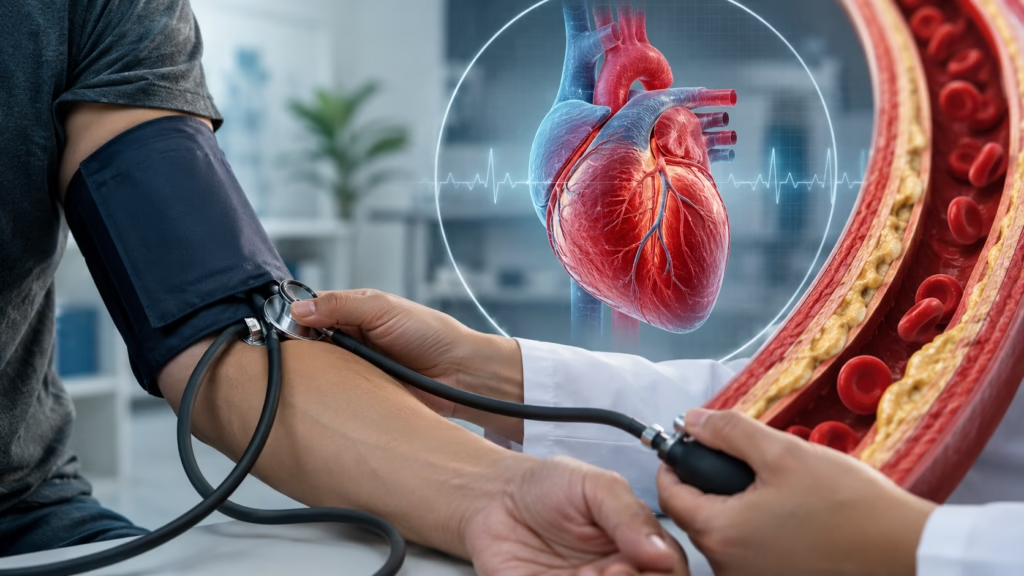
Table of Contents
Introduction
Hypertension, commonly known as high blood pressure, is one of the most significant contributors to cardiovascular disease worldwide. Often referred to as the “silent killer,” hypertension can develop and progress for years without causing noticeable symptoms. During this time, elevated pressure within the arteries gradually damages blood vessels, strains the heart, and increases the likelihood of serious cardiovascular complications.
Heart disease remains the leading cause of death globally, and hypertension is among its most important and modifiable risk factors. Understanding the relationship between high blood pressure and heart disease is essential not only for healthcare professionals and students but also for anyone seeking to protect their long-term health. By examining how hypertension affects the cardiovascular system, individuals can better appreciate the importance of prevention, early detection, and effective management.
This article explores why hypertension is considered a major risk factor for heart disease, the biological mechanisms involved, the evidence supporting this relationship, and the practical steps individuals can take to reduce their risk.
Understanding Hypertension
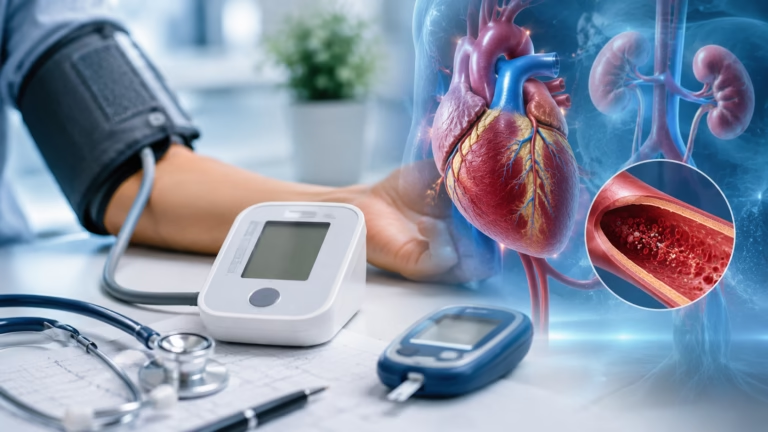
Blood pressure refers to the force exerted by circulating blood against the walls of the arteries. It is measured using two numbers. The first number, known as systolic blood pressure, represents the pressure within the arteries when the heart contracts and pumps blood. The second number, known as diastolic blood pressure, represents the pressure when the heart relaxes between beats.
According to current clinical guidelines, normal blood pressure is generally considered to be below 120/80 mmHg. Blood pressure readings that consistently exceed recommended levels indicate hypertension.
Hypertension develops when the force of blood against the arterial walls remains elevated over time. This increased pressure forces the heart to work harder and places continuous stress on the entire circulatory system. Because the condition often develops gradually and without symptoms, many individuals are unaware they have hypertension until complications arise.
Millions of adults worldwide live with uncontrolled hypertension. Unfortunately, many cases remain undiagnosed or inadequately treated, allowing damage to accumulate silently over many years.
How Hypertension Damages Blood Vessels
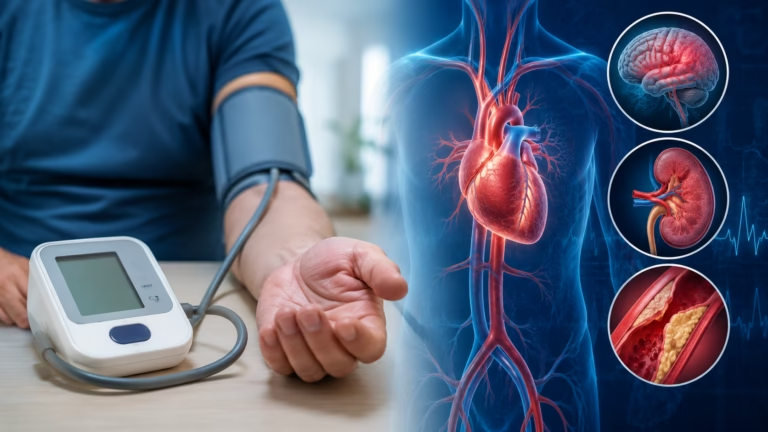
One of the earliest and most important effects of hypertension is damage to the inner lining of the arteries, known as the endothelium. The endothelium serves as a protective barrier that regulates blood flow, prevents excessive clotting, and maintains vascular health.
When blood pressure remains elevated, the constant mechanical force injures this delicate lining. The damaged endothelium becomes less effective at performing its protective functions. It also becomes more susceptible to inflammation and the accumulation of cholesterol particles.
As a result, fatty deposits begin to collect within the arterial walls. These deposits gradually form plaques, initiating a process known as atherosclerosis. The progression of atherosclerosis narrows the arteries and restricts blood flow to vital organs, including the heart.
The longer hypertension remains uncontrolled, the greater the extent of vascular damage. Over time, arteries lose their elasticity and become thicker, stiffer, and less capable of adapting to changes in blood flow. This further increases blood pressure and creates a vicious cycle of cardiovascular deterioration.
Hypertension and Atherosclerosis
Atherosclerosis is one of the primary mechanisms through which hypertension contributes to heart disease. As plaques accumulate within the coronary arteries, the vessels that supply blood to the heart muscle become progressively narrower.
Reduced blood flow means that the heart muscle receives less oxygen and fewer nutrients, particularly during periods of increased demand such as physical activity or emotional stress. This imbalance between oxygen supply and demand may cause chest pain, commonly known as angina.
Over time, plaques can become unstable and rupture. When a plaque ruptures, the body responds by forming a blood clot at the site of injury. If the clot completely blocks blood flow through a coronary artery, a heart attack occurs.
Hypertension accelerates every stage of this process. By promoting endothelial injury, inflammation, and plaque formation, high blood pressure significantly increases the likelihood of coronary artery disease and myocardial infarction.
The Impact of Hypertension on the Heart Muscle
High blood pressure does not only damage arteries. It also directly affects the heart itself.
The heart must generate sufficient force to overcome the pressure within the arterial system and pump blood throughout the body. When blood pressure is elevated, the heart is forced to work harder with every beat.
Initially, the heart adapts by increasing the thickness of its muscular walls, particularly the left ventricle, which is responsible for pumping blood into the systemic circulation. This condition is known as left ventricular hypertrophy (LVH).
Although thickening of the heart muscle may seem beneficial at first, it eventually becomes harmful. The enlarged muscle requires more oxygen while becoming less efficient at pumping blood. The heart chambers may become stiff, reducing their ability to fill properly between beats.
As the disease progresses, the heart may weaken and lose its ability to pump effectively. This can lead to heart failure, a serious condition in which the heart can no longer meet the body’s circulatory demands.
Hypertension and Heart Failure
Heart failure is one of the most common long-term consequences of uncontrolled hypertension. The persistent workload imposed on the heart eventually causes structural and functional changes that impair its performance.
In some patients, the heart becomes stiff and unable to relax properly, resulting in heart failure with preserved ejection fraction. In others, the heart muscle weakens and loses its pumping capacity, leading to heart failure with reduced ejection fraction.
Patients with heart failure often experience symptoms such as shortness of breath, fatigue, swelling of the legs and ankles, reduced exercise tolerance, and fluid retention.
Research consistently shows that hypertension is one of the leading causes of heart failure worldwide. Effective blood pressure control significantly reduces the risk of developing this debilitating condition.
Increased Risk of Cardiac Arrhythmias
Hypertension also contributes to abnormal heart rhythms, known as arrhythmias. The structural changes caused by prolonged high blood pressure can alter the electrical pathways within the heart.
One of the most common arrhythmias associated with hypertension is atrial fibrillation. This condition causes the upper chambers of the heart to beat irregularly and inefficiently. Atrial fibrillation increases the risk of blood clots, stroke, and worsening heart failure.
In addition, hypertension-related heart enlargement and scarring may predispose patients to more serious ventricular arrhythmias, which can increase the risk of sudden cardiac death.
By controlling blood pressure, many of these electrical complications can be prevented or delayed.
Scientific Evidence Supporting the Link
The relationship between hypertension and heart disease has been extensively documented through decades of clinical research.
Large population studies have consistently demonstrated that individuals with elevated blood pressure face a substantially higher risk of cardiovascular events compared with those who maintain normal blood pressure levels. Researchers have found that the risk of cardiovascular mortality approximately doubles with every increase of 20 mmHg in systolic blood pressure or 10 mmHg in diastolic blood pressure above normal levels.
Numerous clinical trials have shown that lowering blood pressure significantly reduces the risk of heart attack, stroke, heart failure, and cardiovascular death. Even modest reductions in blood pressure can produce meaningful improvements in long-term outcomes.
These findings underscore the importance of early detection and treatment of hypertension as a cornerstone of cardiovascular disease prevention.
Preventing and Managing Hypertension
The good news is that hypertension is highly manageable. Through a combination of lifestyle modifications and medical treatment, many individuals can successfully control their blood pressure and reduce their risk of heart disease.
Diet plays a crucial role in blood pressure management. The Dietary Approaches to Stop Hypertension (DASH) eating plan emphasizes fruits, vegetables, whole grains, lean proteins, nuts, and low-fat dairy products while limiting sodium, processed foods, and saturated fats. Studies have shown that this dietary pattern can significantly lower blood pressure.
Regular physical activity is equally important. Engaging in at least 150 minutes of moderate-intensity exercise each week helps improve cardiovascular fitness, maintain a healthy weight, and reduce blood pressure levels.
Weight management can also have a profound impact. Even a modest reduction in body weight can lead to meaningful decreases in blood pressure and cardiovascular risk.
Stress management techniques such as meditation, deep breathing exercises, yoga, and adequate sleep may further support blood pressure control. Avoiding tobacco products and limiting alcohol consumption are additional important strategies.
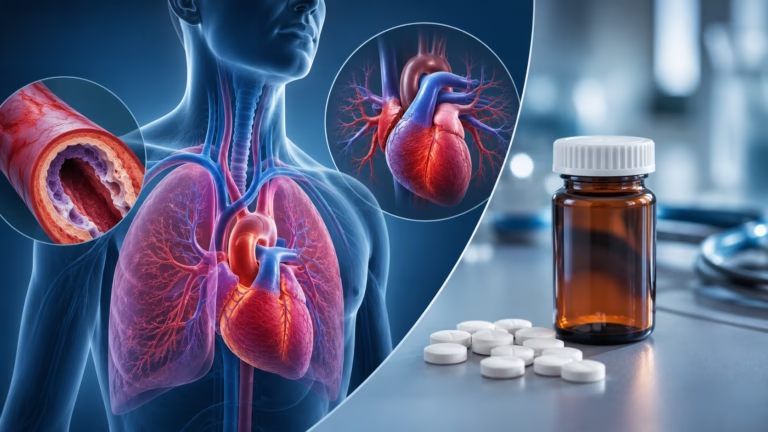
For many individuals, lifestyle modifications alone may not be sufficient. In such cases, medications such as ACE inhibitors, angiotensin receptor blockers, calcium channel blockers, thiazide diuretics, and beta-blockers can effectively lower blood pressure and protect the cardiovascular system.
Regular monitoring and follow-up with healthcare providers ensure that treatment remains effective and can be adjusted when necessary.
Conclusion
Hypertension is a major risk factor for heart disease because it damages blood vessels, accelerates atherosclerosis, increases the workload of the heart, promotes heart failure, and contributes to potentially dangerous cardiac arrhythmias. Although the condition often develops silently, its effects on the cardiovascular system can be profound and life-threatening.
Fortunately, hypertension is both detectable and treatable. Through routine blood pressure monitoring, healthy lifestyle choices, and appropriate medical management, individuals can dramatically reduce their risk of heart disease and improve their long-term health outcomes.
Understanding the connection between hypertension and heart disease highlights a simple but powerful truth: controlling blood pressure is one of the most effective steps anyone can take to protect their heart. Small changes made today can yield significant benefits for cardiovascular health in the years ahead.
Disclaimer
This article is for educational purposes only and does not replace professional medical advice, diagnosis, or treatment. Seizures, severe headache, confusion, visual changes, or blood pressure readings in the hypertensive crisis range require urgent medical evaluation.
Was this page helpful?
Thanks for your feedback! What could we improve?
Thank you! Your feedback helps us improve our articles.
True Impact Health articles are written by our editorial team and based on reliable sources such as public health agencies, clinical guidelines and peer-reviewed research. This article has not yet been medically reviewed. Read our editorial process.
This content is for general information and is not a substitute for professional medical advice, diagnosis or treatment.