












How to Treat High Blood Pressure in Cats Naturally
Learn why natural remedies cannot replace veterinary care for feline high blood pressure, and discover supportive lifestyle steps to protect your cat.
By True Impact Health Editorial Team

Dr. Hannah Silvanus, DVMVeterinary Reviewer, True Impact Health
Doctor of Veterinary Medicine (DVM) who reviews the pet and animal health articles on True Impact Health.
Reviewed this article on October 10, 2026.
View profile How we reviewUpdated on October 10, 2026 10 min read
Table of Contents
Quick answer
High blood pressure in cats cannot be safely cured or managed with natural remedies alone. While supportive steps like low-stress environments, proper hydration, and veterinary-approved diets help overall vascular health, prescription antihypertensive medication is usually essential. Left untreated with proper medical therapy, feline hypertension causes irreversible damage, including sudden blindness and kidney failure.
Introduction
High blood pressure, medically known as feline hypertension, is a serious but often overlooked health condition in cats. Although it is most commonly diagnosed in older cats, it can affect felines of various ages, particularly those with underlying medical conditions such as kidney disease, hyperthyroidism, or heart disease. Because cats are experts at hiding signs of illness, high blood pressure can go unnoticed for months or even years before symptoms become apparent. Unfortunately, untreated hypertension can damage critical organs, including the eyes, kidneys, heart, and brain, potentially leading to blindness, kidney failure, neurological problems, and a reduced quality of life.
While prescription medications prescribed by a veterinarian are often necessary to control moderate to severe hypertension, natural approaches can play an important supporting role in maintaining cardiovascular health and improving overall well-being. A holistic strategy that combines proper nutrition, stress management, healthy weight maintenance, and regular veterinary monitoring may help support blood pressure control and enhance your cat’s long-term health.
This guide explores natural ways to support a cat with high blood pressure while emphasizing the importance of veterinary supervision throughout the process.
Understanding High Blood Pressure in Cats
Blood pressure refers to the force that circulating blood exerts against the walls of the arteries. This pressure is necessary for delivering oxygen and nutrients to tissues throughout the body. However, when blood pressure remains consistently elevated, it places excessive strain on blood vessels and organs.
In cats, hypertension often develops as a secondary condition caused by another disease. Chronic kidney disease is one of the most common underlying causes, followed by hyperthyroidism and certain cardiovascular disorders. In some cases, no specific cause can be identified.
Over time, elevated blood pressure can damage delicate blood vessels in the eyes, leading to retinal detachment and sudden blindness. It can also worsen kidney disease, increase the workload of the heart, and affect neurological function. Because these complications can be severe and sometimes irreversible, early detection and appropriate management are essential.
Natural approaches should never be viewed as a replacement for professional veterinary care but rather as supportive measures that complement a comprehensive treatment plan.
Recognizing the Signs of Feline Hypertension
One of the challenges of managing high blood pressure in cats is that many affected animals show few or no symptoms during the early stages. Cats often continue eating, sleeping, and behaving normally even while organ damage is developing.
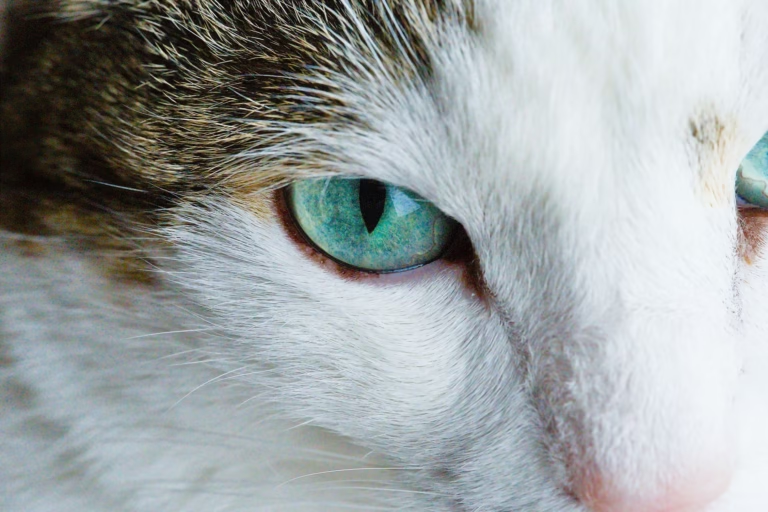
When symptoms do appear, they may vary depending on which organs have been affected. Sudden blindness is one of the most dramatic signs. Owners may notice that their cat begins bumping into furniture, hesitating before jumping, or appearing disoriented in familiar surroundings. Dilated pupils that do not respond normally to light may also be observed.
Neurological symptoms can include confusion, unusual vocalization, seizures, tremors, head pressing, or difficulty walking. Some cats become withdrawn and spend more time hiding than usual.
Respiratory changes may also occur. Affected cats can develop rapid breathing, labored breathing, or decreased exercise tolerance. General signs such as lethargy, decreased appetite, and reduced interest in normal activities may accompany these symptoms.
Because many of these signs can be associated with other serious conditions, veterinary evaluation is necessary whenever they occur.
The Importance of Veterinary Diagnosis
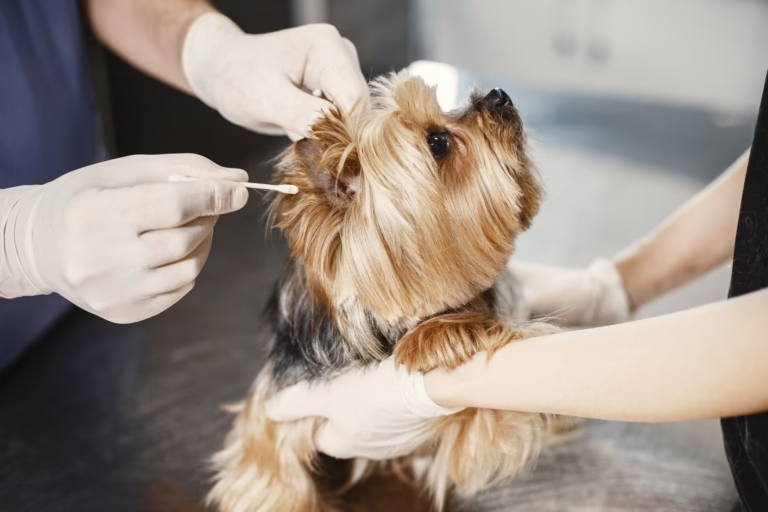
Before attempting any natural management strategy, it is essential to obtain an accurate diagnosis from a veterinarian. Blood pressure measurement in cats requires specialized equipment designed specifically for veterinary patients. Most clinics use Doppler or oscillometric devices that provide reliable readings while minimizing stress.
In addition to measuring blood pressure, veterinarians typically perform blood tests, urinalysis, and sometimes imaging studies to identify any underlying diseases contributing to hypertension. Since conditions such as chronic kidney disease and hyperthyroidism are common causes of elevated blood pressure, treating these disorders is often necessary to achieve effective control.
Without proper diagnosis, it is impossible to determine the severity of hypertension or whether additional medical treatment is required. Natural interventions are most effective when integrated into a professionally supervised treatment plan.
Dietary Modifications to Support Healthy Blood Pressure
Nutrition plays a significant role in cardiovascular health and can be one of the most effective natural ways to support a cat with hypertension.
Reducing dietary sodium is often recommended because excessive sodium intake may contribute to fluid retention and increased blood pressure. While cats generally require some sodium in their diet, selecting high-quality foods formulated with moderate sodium levels can help reduce unnecessary cardiovascular strain.
High-quality protein sources are equally important. Cats are obligate carnivores and require animal-based proteins to maintain muscle mass, support organ function, and preserve overall vitality. Foods containing real chicken, turkey, fish, or other animal proteins are generally preferable to products filled with low-quality ingredients or excessive carbohydrates.
Hydration also plays an important role in cardiovascular and kidney health. Wet food diets often provide additional moisture compared to dry kibble, helping support healthy kidney function and circulation.
Any major dietary change should be introduced gradually and discussed with a veterinarian, particularly if your cat has kidney disease or other medical conditions requiring specialized nutrition.
The Benefits of Omega-3 Fatty Acids
Omega-3 fatty acids are among the most widely studied natural supplements for cardiovascular health. These beneficial fats are commonly found in fish oils derived from salmon, sardines, anchovies, or other cold-water fish.
Research suggests that omega-3 fatty acids may help reduce inflammation, support blood vessel function, and promote overall cardiovascular health. They may also provide benefits for kidney function, which is particularly important because kidney disease and hypertension often occur together in older cats.
Many veterinarians recommend fish oil supplements as part of a comprehensive wellness program. However, proper dosing is essential because excessive supplementation may cause digestive upset or interfere with other medications.
Always consult your veterinarian before introducing omega-3 supplements to ensure that the product and dosage are appropriate for your cat’s specific needs.
Supporting Cardiovascular Health with Nutritional Supplements
Several nutritional supplements may provide additional support for cats with hypertension when used under veterinary guidance.
Taurine is one of the most important nutrients for feline heart health. This essential amino acid supports normal cardiac muscle function and overall cardiovascular performance. Most commercial cat foods contain adequate amounts of taurine, but supplementation may occasionally be recommended in specific situations.
L-arginine is another amino acid that contributes to nitric oxide production. Nitric oxide helps blood vessels relax and may support healthy circulation. Because cats have unique nutritional requirements, supplementation should only be undertaken with professional guidance.
Coenzyme Q10, commonly called CoQ10, is a naturally occurring antioxidant involved in cellular energy production. Some veterinarians use it as a supportive supplement for heart health because it may help protect cardiac cells from oxidative stress.
It is important to remember that supplements should never replace prescribed medications. Instead, they should be viewed as complementary tools that may support overall cardiovascular wellness.
Managing Stress to Support Healthy Blood Pressure
Stress can have a significant impact on blood pressure in both humans and animals. Cats are particularly sensitive to changes in their environment, and chronic stress may contribute to elevated blood pressure and other health problems.
Creating a predictable daily routine can help reduce anxiety. Feeding, play sessions, and social interactions should occur at roughly the same times each day whenever possible. Consistency helps cats feel secure and reduces environmental stressors.
Providing safe resting areas is equally important. Many cats feel more comfortable when they have access to elevated perches, enclosed beds, or quiet hiding spots where they can retreat when they feel overwhelmed.
Multi-cat households should ensure that each cat has access to separate food bowls, water stations, litter boxes, and resting areas. Competition for resources can be a significant source of chronic stress.
Pheromone diffusers designed for cats may also help create a calmer environment. These products mimic natural feline facial pheromones and can promote feelings of security and relaxation.
Exercise and Weight Management
Maintaining a healthy body weight is one of the most effective ways to support cardiovascular health in cats. Excess weight increases strain on the heart and may contribute to high blood pressure and other chronic diseases.
Although cats may not exercise in the same way as dogs, regular physical activity remains important. Interactive play sessions using feather wands, laser pointers, or moving toys encourage movement and help maintain muscle tone.
Puzzle feeders are another excellent option because they stimulate both physical activity and mental engagement. Instead of eating from a bowl, cats must work for their food, which encourages movement throughout the day.
Short play sessions lasting five to ten minutes several times daily are often more effective than one long session. Rotating toys regularly can help maintain interest and prevent boredom.
Weight loss should always occur gradually and under veterinary supervision to avoid complications such as hepatic lipidosis, a potentially serious liver condition.
Ongoing Monitoring and Veterinary Partnership
Successful management of feline hypertension requires continuous monitoring. Even when natural strategies appear to be helping, regular veterinary visits remain essential.
Periodic blood pressure measurements allow veterinarians to evaluate treatment effectiveness and detect any changes before complications develop. Routine blood and urine testing can also help monitor kidney function and identify new health concerns.
Keeping a record of your cat’s appetite, activity level, weight, and behavior can provide valuable information for your veterinarian. Changes that may seem minor at home can sometimes indicate significant developments in your cat’s condition.
Owners should never discontinue prescribed blood pressure medications without veterinary approval. Abruptly stopping treatment can allow blood pressure to rise rapidly and increase the risk of serious complications.
Conclusion
Treating high blood pressure in cats naturally involves much more than simply adding a supplement or changing food. It requires a comprehensive approach that supports cardiovascular health through proper nutrition, stress reduction, weight management, regular exercise, and close veterinary supervision.
Natural strategies can be valuable tools for supporting overall health and complementing medical treatment, but they should never replace professional veterinary care. Because hypertension can lead to blindness, kidney failure, heart disease, and neurological complications, accurate diagnosis and ongoing monitoring are essential.
By working closely with your veterinarian and implementing healthy lifestyle changes, you can help your cat maintain better cardiovascular health and enjoy a more comfortable, active, and fulfilling life. Every cat is unique, and the most effective treatment plan is one that is carefully tailored to your feline companion’s individual needs.
Disclaimer
This article is for educational purposes only and does not replace professional medical advice, diagnosis, or treatment. Seizures, severe headache, confusion, visual changes, or blood pressure readings in the hypertensive crisis range require urgent medical evaluation.
When to see a vet
- Sudden blindness, disorientation, or bumping into household objects
- Dilated pupils that do not shrink when exposed to bright light
- Blood visible inside the front chamber of the eye
- Seizures, head tilting, circling, or sudden collapse (seek emergency care immediately)
- Labored breathing, rapid respiration, or persistent weakness
- Sudden changes in water intake, urination, or uncharacteristic vocalization
If your pet collapses, struggles to breathe or is in severe pain, contact an emergency vet straight away.
Frequently asked questions
Can diet changes alone lower my cat's blood pressure?
Dietary adjustments alone rarely lower significantly elevated blood pressure in cats. While veterinary therapeutic diets support kidney function and avoid excess sodium, they serve as supportive care rather than a standalone cure. Most hypertensive cats require daily prescription medications, such as calcium channel blockers, to safely maintain normal vascular pressure.
What causes high blood pressure to develop in older cats?
Feline hypertension is usually secondary to another underlying illness rather than an isolated condition. Chronic kidney disease and hyperthyroidism are the most frequent primary triggers. In rare cases, heart conditions or hormonal tumors cause the elevation. Addressing the underlying disease is a crucial part of controlling the blood pressure itself.
Can stress at the clinic cause a false high reading?
Yes, cats frequently experience situational stress known as white-coat hypertension during clinic visits. To account for this, veterinary teams take multiple consecutive readings in a quiet room, allow the cat time to acclimate, and look for physical evidence of target organ damage before confirming a diagnosis or prescribing medication.
Are over-the-counter herbal supplements safe for hypertensive cats?
No over-the-counter herbal supplement is proven to safely treat feline hypertension. In fact, many human or unverified herbal products can harm a cat's liver or kidneys, or interact dangerously with prescription drugs. Never give herbs, essential oils, or unapproved supplements without direct veterinary approval.
Sources and further reading
Was this page helpful?
Thanks for your feedback! What could we improve?
Thank you! Your feedback helps us improve our articles.
Veterinary reviewed by
Dr. Hannah Silvanus, DVMDoctor of Veterinary Medicine (DVM) who reviews the pet and animal health articles on True Impact Health.
True Impact Health articles are written by our editorial team and based on reliable sources such as public health agencies, clinical guidelines and peer-reviewed research. This article has been checked by a veterinarian on our review panel. Read our editorial process.
This content is for general information and is not a substitute for professional medical advice, diagnosis or treatment.