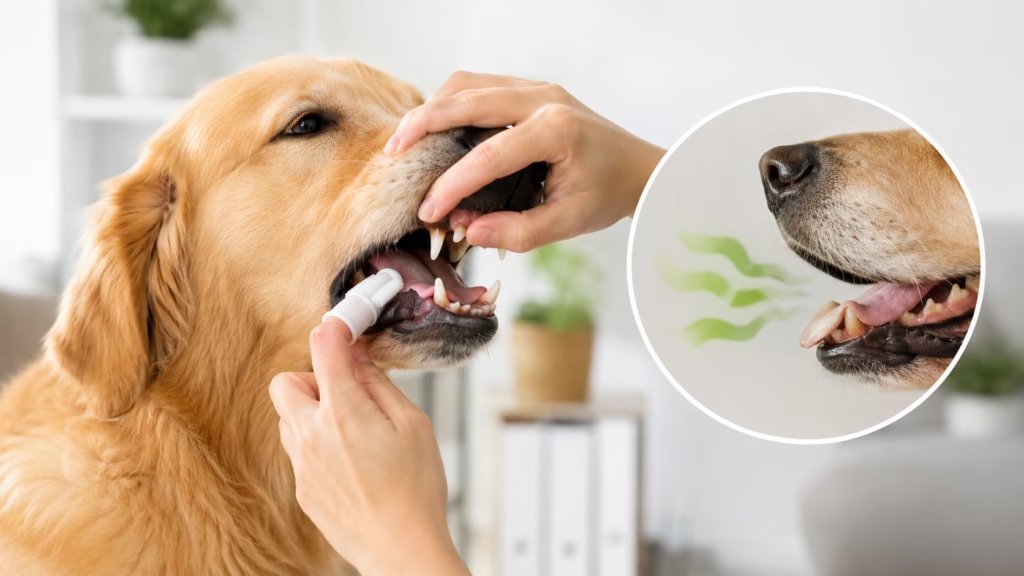
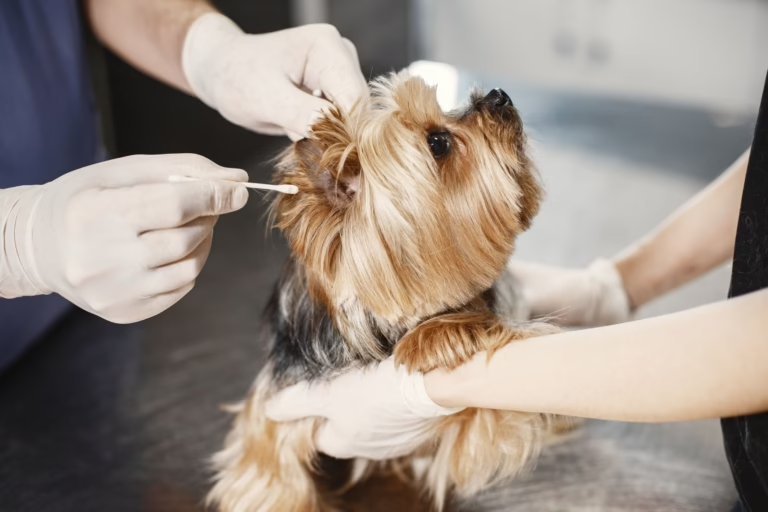
Practice regular dental care: brush teeth frequently with dog-safe toothpaste, use finger brushes or wipes, and schedule professional cleanings as recommended.
Have your veterinarian evaluate the mouth, perform dental X-rays and blood tests to identify dental disease or systemic causes like kidney disease or diabetes.
Improve diet and oral products: feed high-quality or VOHC dental diets, avoid sugary treats, and use dental chews, water additives, gels, or sprays.
Seek immediate veterinary care for warning signs such as facial swelling, persistent gum bleeding, difficulty eating, excessive thirst, or severe persistent bad breath.
Treating bad breath in dogs requires identifying and managing the underlying cause. Start with a veterinary exam to rule out periodontal disease, organ dysfunction, or oral infections. Treatment typically involves professional dental cleaning under anesthesia, followed by daily at-home tooth brushing with pet-safe toothpaste, dental chews, and appropriate dietary adjustments.
Introduction
Few things are more heartwarming than a dog’s affection. Whether they are wagging their tail, cuddling beside you, or giving you enthusiastic kisses, dogs have a special way of showing love. However, if every kiss is accompanied by a strong, unpleasant odor, you may find yourself wondering whether your dog’s bad breath is normal or a sign of a deeper problem.
Bad breath in dogs, medically known as canine halitosis, is one of the most common complaints reported by pet owners. While many people assume that all dogs naturally have bad breath, persistent foul-smelling breath is often a warning sign that something is wrong. In many cases, the underlying cause is poor dental health, but bad breath can also indicate infections, digestive problems, kidney disease, diabetes, or other serious health conditions.
The good news is that most cases of canine halitosis can be treated successfully when the underlying cause is identified early. Through proper dental care, dietary improvements, regular veterinary examinations, and preventive measures, you can help your dog maintain fresh breath and better overall health.
This comprehensive guide explains the common causes of bad breath in dogs, how veterinarians diagnose the problem, the most effective treatment options, and practical steps you can take to prevent halitosis from returning.
Understanding the Causes of Bad Breath in Dogs
Before treating bad breath, it is important to understand what causes it. Bad breath is usually a symptom rather than a disease itself. Identifying the underlying source is the first step toward successful treatment.
Dental Issues
Dental disease is the most common cause of bad breath in dogs.
Studies estimate that most dogs over the age of three have some degree of dental disease. Without proper dental care, bacteria accumulate in the mouth and produce unpleasant odors.
Plaque and Tartar Buildup
Plaque is a sticky film composed of bacteria, food particles, and saliva that constantly forms on the surface of the teeth.
When plaque is not removed through brushing or chewing, it hardens into tartar.
Tartar creates an ideal environment for bacteria to grow and multiply.
As bacterial populations increase:
Breath becomes increasingly foul.
Gum irritation develops.
Oral infections become more likely.
Plaque and tartar accumulation are among the earliest and most common causes of bad breath.
Gingivitis and Periodontal Disease
Gingivitis is inflammation of the gums caused by bacterial irritation.
Signs of gingivitis include:
Red gums
Swollen gums
Bleeding gums
Oral discomfort
If left untreated, gingivitis can progress into periodontal disease, a more serious condition that affects the tissues supporting the teeth.
Periodontal disease can lead to:
Severe bad breath
Tooth loss
Pain
Jawbone damage
The odor associated with advanced periodontal disease is often extremely unpleasant due to bacterial infection beneath the gumline.
Tooth Decay or Broken Teeth
Damaged teeth create spaces where bacteria can collect.
Broken or fractured teeth may expose sensitive internal tissues and become infected.
These infections often produce strong odors and can be very painful for the dog.
In many cases, a dog may continue eating despite significant dental pain, making regular oral examinations especially important.
Diet and Nutrition
Your dog’s diet can have a significant impact on breath quality.
Low-Quality Food with Fillers
Poor-quality pet foods often contain excessive fillers, artificial ingredients, and lower-quality protein sources.
These ingredients may contribute to:
Increased plaque formation
Poor digestion
Greater bacterial growth
A nutritious diet supports both oral and overall health.
Sudden Diet Changes
Abrupt changes in food can temporarily alter digestion and oral bacteria.
This may lead to:
Digestive upset
Increased bacterial activity
Temporary bad breath
Gradual dietary transitions are generally recommended.
Table Scraps and Human Foods
Many human foods leave residue in the mouth and encourage bacterial growth.
Certain foods may also upset digestion, contributing to unpleasant odors from both the mouth and digestive tract.
Examples include:
Sugary foods
Fatty foods
Highly processed snacks
Oral Infections
Infections within the mouth can cause severe halitosis.
Bacterial Infections
Bacterial infections may develop due to:
Dental disease
Injuries
Food trapped between teeth
Gum disease
These infections produce strong odors as bacteria multiply and tissue breakdown occurs.
Yeast Infections
Yeast overgrowth within the oral cavity may also contribute to unpleasant breath.
Dogs with weakened immune systems or underlying health conditions may be more susceptible.
Tooth Abscesses
A tooth abscess is a pocket of infection that forms around the root of a tooth.
Symptoms may include:
Facial swelling
Pain
Difficulty eating
Severe bad breath
Abscesses require prompt veterinary treatment.
Systemic Health Conditions
Sometimes bad breath originates from diseases affecting other parts of the body.
Kidney Disease
Kidney disease prevents the body from effectively removing waste products from the bloodstream.
As toxins accumulate, breath may develop a smell similar to:
Urine
Ammonia
This odor often serves as an important warning sign of kidney dysfunction.
Diabetes
Dogs with uncontrolled diabetes may develop breath that smells:
Sweet
Fruity
Similar to nail polish remover
This odor occurs because the body produces ketones when it cannot properly use glucose for energy.
Diabetic ketoacidosis is a medical emergency requiring immediate veterinary care.
Gastrointestinal Disorders
Digestive problems may contribute to chronic bad breath.
Conditions such as:
Acid reflux
Gastrointestinal infections
Intestinal disorders
can allow unpleasant odors to travel from the digestive tract to the mouth.
How to Diagnose Bad Breath in Dogs
Accurate diagnosis is essential because treatment depends on the underlying cause.
At-Home Assessment
Pet owners can often identify early warning signs before a condition becomes severe.
Smell Test
Rather than smelling your dog’s tongue, focus on the gums and teeth.
Odors originating from the gums often indicate dental disease.
A persistent foul smell that does not improve after eating or drinking deserves further investigation.
Oral Inspection
Carefully examine your dog’s mouth.
Look for:
Red gums
Swelling
Yellow or brown tartar deposits
Broken teeth
Loose teeth
Bleeding
These findings may indicate dental disease.
Behavioral Clues
Dogs experiencing oral pain often change their behavior.
Watch for:
Difficulty chewing
Dropping food
Excessive drooling
Pawing at the mouth
Reluctance to chew toys
These signs suggest discomfort that requires attention.
Veterinary Examination
A veterinarian can perform a much more thorough assessment.
Full Oral Examination
Many dogs require sedation or anesthesia to allow a complete examination of the mouth.
This enables the veterinarian to inspect areas hidden beneath the gumline.
Dental X-Rays
Dental radiographs help identify problems that cannot be seen during a routine examination.
Coconut oil contains lauric acid, which possesses mild antimicrobial properties.
Applying a small amount to the gums may help reduce bacterial growth.
Probiotics
Probiotics support healthy gut bacteria.
Improved digestive health may indirectly contribute to fresher breath.
Apple Cider Vinegar
Some owners add small amounts of diluted apple cider vinegar to drinking water.
This practice may help balance oral bacteria, although scientific evidence remains limited.
Always consult your veterinarian before introducing supplements.
Preventing Future Bad Breath
Routine Veterinary Checkups
Regular examinations allow problems to be detected early.
Most dogs benefit from dental evaluations every six to twelve months.
Consistent Brushing
A regular brushing schedule is one of the most effective preventive measures available.
Chew Toys
Appropriate chew toys help:
Reduce plaque
Stimulate saliva
Support oral health
Rotating toys keeps dogs interested and engaged.
Balanced Nutrition
Proper nutrition supports:
Oral health
Immune function
Healthy gums
Strong teeth
When to See a Veterinarian Immediately
Certain symptoms require prompt veterinary evaluation.
Excessive Gum Bleeding
Persistent bleeding may indicate severe periodontal disease or injury.
Facial Swelling
Swelling of the face or cheeks often suggests an abscessed tooth.
Difficulty Eating
Refusing food or struggling to chew may indicate significant pain.
Increased Thirst and Urination
These symptoms may point to:
Diabetes
Kidney disease
Both conditions require medical evaluation.
Persistent Severe Bad Breath
If bad breath continues despite proper oral care, a more serious underlying issue may be present.
Conclusion
Bad breath in dogs is much more than a cosmetic concern. While occasional unpleasant breath may be normal, persistent halitosis often signals underlying dental disease, infection, digestive problems, or systemic health conditions. Understanding the root cause is essential for successful treatment and long-term prevention.
A comprehensive approach that includes regular brushing, professional dental cleanings, high-quality nutrition, oral care products, and routine veterinary examinations offers the best chance of keeping your dog’s mouth healthy and breath fresh. Early intervention can prevent minor problems from progressing into painful and expensive conditions.
Most importantly, never ignore chronic bad breath. What may seem like a simple nuisance could be your dog’s way of signaling a more significant health problem. With consistent care and proactive attention, you can help your canine companion enjoy a healthier mouth, fresher breath, and a happier, more comfortable life for years to come.
Disclaimer
This article is for educational purposes only and does not replace professional medical advice, diagnosis, or treatment. Seizures, severe headache, confusion, visual changes, or blood pressure readings in the hypertensive crisis range require urgent medical evaluation.
Sudden sweet, fruity, or urine-like odor on the breath
Visible facial swelling, bleeding gums, or broken teeth
Difficulty chewing, dropping food, or sudden loss of appetite
Accompanying vomiting, lethargy, or excessive drinking and urination
Suspected ingestion of toxic substances, foreign objects, or garbage
If your pet collapses, struggles to breathe or is in severe pain, contact an emergency vet straight away.
Frequently asked questions
Can I use human toothpaste to brush my dog's teeth?
No, never use human toothpaste for dogs. Many human formulas contain xylitol, an artificial sweetener that is highly toxic and life-threatening to dogs. Human toothpaste also contains foaming agents and fluoride that cause severe stomach upset if swallowed. Always choose an enzymatic toothpaste formulated specifically for pets.
Do dental water additives effectively cure bad breath?
Water additives can help reduce oral bacteria and freshen breath, but they are supportive aids rather than complete cures. They cannot remove existing tartar or treat underlying periodontal disease. Look for products accepted by the Veterinary Oral Health Council and use them alongside regular tooth brushing.
Are anesthesia-free dental cleanings safe and effective?
Veterinary dentists do not recommend anesthesia-free dental cleanings. While they scrape visible tartar off the tooth surface, they cannot clean beneath the gumline where periodontal disease actually develops. They can also cause discomfort, stress, and accidental injury to the dog's mouth during the procedure.
Can chew toys replace regular tooth brushing?
Chew toys and approved dental treats help scrape away soft plaque through mechanical action, but they cannot replace daily brushing. Daily brushing remains the gold standard for canine oral hygiene. Chew toys should be firm enough to clean teeth without being hard enough to fracture enamel.
Doctor of Veterinary Medicine (DVM) who reviews the pet and animal health articles on True Impact Health.
True Impact Health articles are written by our editorial team and based on reliable sources such as public health agencies, clinical guidelines and peer-reviewed research. This article has been checked by a veterinarian on our review panel. Read our editorial process.
This content is for general information and is not a substitute for professional medical advice, diagnosis or treatment.