
Introduction
Congestive heart failure (CHF) is one of the most common chronic cardiovascular conditions affecting millions of people worldwide. It occurs when the heart is unable to pump blood efficiently enough to meet the body’s metabolic demands. As a result, blood and fluid begin to accumulate in the lungs, peripheral tissues, and other organs, leading to symptoms such as shortness of breath, fatigue, swelling, and reduced exercise tolerance. Because CHF is a complex condition that affects multiple body systems, nurses play a critical role in monitoring patients, identifying complications, providing education, and implementing evidence-based interventions.
- NANDA-I offers standardized nursing diagnoses to guide clear communication, prioritize problems, and develop individualized CHF care plans.
- Decreased cardiac output: identify hypotension, tachycardia, weak pulses; monitor hemodynamics, administer prescribed inotropes, and reduce cardiac workload.
- Excess fluid volume: monitor daily weights and I&O, administer diuretics, restrict sodium and fluids, elevate extremities, and assess lung sounds.
- Educate and empower patients on medication adherence, daily weights, sodium restriction, energy conservation; coordinate care with physicians, pharmacists, dietitians, therapists, and social workers.
One of the most effective tools nurses use when caring for patients with congestive heart failure is the NANDA International (NANDA-I) nursing diagnosis system. NANDA-I provides standardized nursing terminology that helps healthcare professionals communicate clearly, prioritize patient problems, and develop individualized care plans. By identifying specific nursing diagnoses associated with CHF, nurses can create targeted interventions that improve patient outcomes, reduce hospital readmissions, and enhance quality of life.
This comprehensive guide explores the most common NANDA nursing diagnoses associated with congestive heart failure, including assessment findings, nursing interventions, desired outcomes, patient education strategies, and interdisciplinary collaboration.
Understanding Congestive Heart Failure
Before discussing nursing diagnoses, it is important to understand the underlying disease process of congestive heart failure.
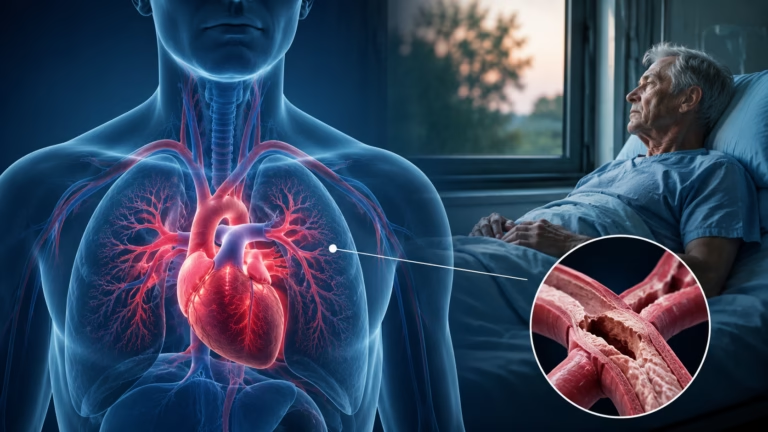
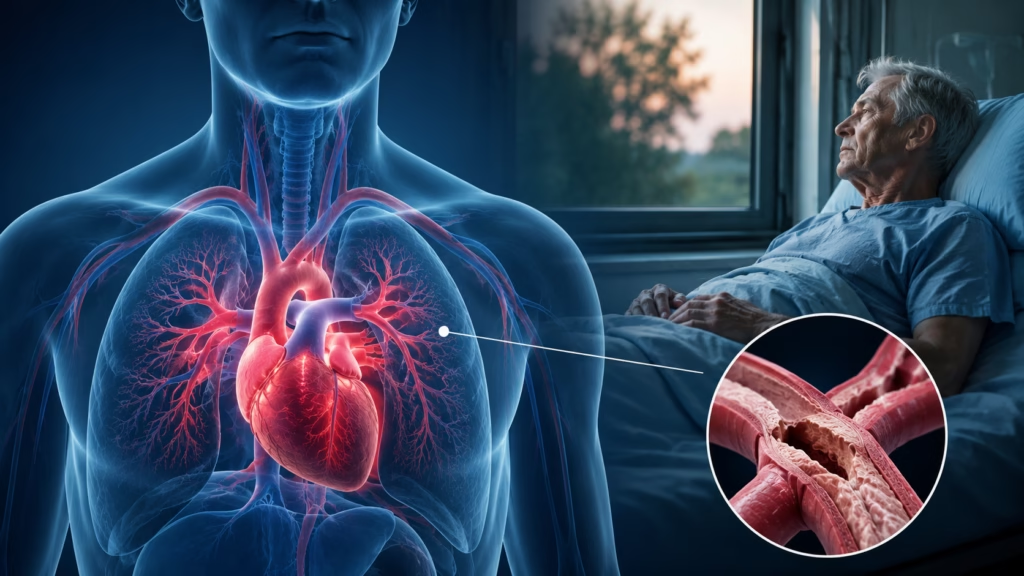
Congestive heart failure develops when the heart’s ability to pump blood becomes impaired. The condition may occur because the heart muscle has become weakened and cannot contract effectively, or because the heart muscle has become stiff and cannot relax properly between contractions. In either case, the result is inadequate circulation of oxygen-rich blood throughout the body.
Heart failure can affect either side of the heart or both sides simultaneously. Left-sided heart failure occurs when the left ventricle cannot effectively pump blood to the body. This often causes fluid to accumulate in the lungs, leading to breathing difficulties. Right-sided heart failure occurs when the right side of the heart struggles to pump blood to the lungs. As a result, fluid backs up into the veins and accumulates in the legs, ankles, feet, and abdomen.
Related Posts:

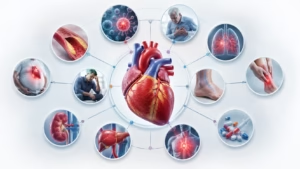
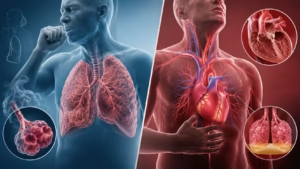
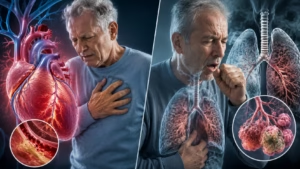
Heart failure may also be classified as acute or chronic. Acute heart failure develops suddenly and requires immediate medical attention. Chronic heart failure develops gradually over time and typically requires long-term management.
Common symptoms include shortness of breath, fatigue, exercise intolerance, swelling of the lower extremities, rapid weight gain due to fluid retention, persistent coughing, and difficulty breathing while lying flat.
The Importance of NANDA-I in Congestive Heart Failure Care
NANDA International provides a standardized language that allows nurses to identify patient problems consistently and communicate effectively with other healthcare professionals.
Using NANDA diagnoses in congestive heart failure care offers several important advantages. First, it promotes clear communication among nurses, physicians, therapists, and other members of the healthcare team. Second, it helps nurses prioritize patient needs based on clinical severity. Third, it provides measurable goals and outcomes that facilitate evaluation of care effectiveness. Finally, it supports comprehensive documentation and evidence-based care planning.
When applied correctly, NANDA diagnoses guide nurses in delivering individualized care that addresses both the physiological and psychosocial needs of patients with CHF.
NANDA Diagnosis: Decreased Cardiac Output
One of the most common nursing diagnoses associated with congestive heart failure is decreased cardiac output.
Decreased cardiac output refers to the inability of the heart to pump sufficient blood to meet the body’s metabolic requirements. In patients with CHF, weakened cardiac muscle or impaired ventricular filling reduces the volume of blood ejected with each heartbeat. As circulation declines, tissues receive less oxygen and nutrients, leading to signs of poor perfusion.
Patients experiencing decreased cardiac output may present with hypotension, tachycardia, weak peripheral pulses, cool or clammy skin, delayed capillary refill, fatigue, dizziness, and reduced urine output. Many patients also report feeling exhausted even after minimal physical activity.
The nurse plays a critical role in identifying these symptoms early. Assessment should include regular monitoring of blood pressure, heart rate, cardiac rhythm, oxygen saturation, urine output, mental status, and peripheral perfusion.
Nursing interventions focus on improving cardiac function and maintaining adequate tissue perfusion. The nurse should monitor electrocardiograms and hemodynamic parameters closely, administer prescribed medications such as inotropes and vasodilators, and position the patient in semi-Fowler’s position to reduce cardiac workload and improve breathing.
Patient outcomes should demonstrate improved circulation, stable blood pressure, stronger peripheral pulses, improved urine output, and reduced symptoms of fatigue and dizziness.
NANDA Diagnosis: Excess Fluid Volume
Excess fluid volume is another priority nursing diagnosis in patients with congestive heart failure.
This diagnosis occurs when the body retains excessive amounts of sodium and water, leading to fluid accumulation within the bloodstream and tissues. Because the failing heart cannot efficiently circulate blood, fluid begins to back up into the lungs, abdomen, and extremities.
Patients with excess fluid volume often experience rapid weight gain, swelling of the feet and ankles, abdominal distention, jugular vein distension, pulmonary crackles, shortness of breath, and elevated blood pressure.
Daily weight measurements are among the most important assessment tools. Even a small increase in body weight over a short period may indicate worsening fluid retention. Intake and output records also provide valuable information regarding fluid balance.
Nursing interventions include monitoring daily weights at the same time each day, assessing edema severity, monitoring lung sounds, encouraging fluid restriction when prescribed, administering diuretics as ordered, and educating patients about limiting sodium intake.
The nurse should also elevate swollen extremities when appropriate to promote venous return and reduce edema.
Successful outcomes include reduced swelling, improved breathing, stable body weight, clear lung sounds, and maintenance of fluid balance within prescribed limits.
NANDA Diagnosis: Activity Intolerance
Activity intolerance is frequently observed in patients with congestive heart failure due to reduced oxygen delivery and impaired cardiac function.
This diagnosis refers to insufficient physical or psychological energy to complete daily activities. Because the heart cannot adequately increase cardiac output during exertion, patients often become fatigued quickly and experience shortness of breath even during simple tasks.
Patients may report weakness while walking, climbing stairs, bathing, dressing, or performing household chores. Recovery after activity is often prolonged.
Assessment involves evaluating baseline activity tolerance, monitoring vital signs before and after activity, and observing for symptoms such as dyspnea, dizziness, chest discomfort, or fatigue.
Nursing interventions should focus on balancing activity and rest. Nurses should develop individualized activity plans that gradually increase physical activity while preventing overexertion. Patients should be taught energy-conservation techniques, including pacing activities, sitting while performing tasks, and taking frequent rest breaks.
Encouraging participation in cardiac rehabilitation programs may further improve endurance and functional capacity.
Desired outcomes include increased tolerance for daily activities, reduced fatigue, improved exercise capacity, and enhanced independence.
NANDA Diagnosis: Anxiety
Anxiety is common among individuals diagnosed with congestive heart failure.
Many patients experience fear and uncertainty regarding their diagnosis, prognosis, medications, lifestyle changes, and risk of future complications. Breathing difficulties, hospitalizations, and concerns about mortality can further increase emotional distress.
Patients may exhibit restlessness, irritability, difficulty concentrating, insomnia, and verbal expressions of worry or fear. Elevated anxiety levels can worsen cardiovascular symptoms by increasing heart rate and blood pressure.
Nursing assessment should include evaluation of emotional status, coping mechanisms, support systems, and psychological stressors.
Interventions should focus on providing emotional support, encouraging patients to express concerns, explaining procedures clearly, and involving family members in care planning. Teaching relaxation techniques such as deep breathing exercises, guided imagery, and mindfulness practices can help reduce anxiety levels.
Referrals to counseling services, support groups, or mental health professionals may also be beneficial.
Successful outcomes include reduced anxiety, improved coping skills, enhanced understanding of the disease process, and better participation in treatment plans.
NANDA Diagnosis: Risk for Impaired Gas Exchange
Patients with congestive heart failure are at significant risk for impaired gas exchange due to pulmonary congestion.
When fluid accumulates in the lungs, oxygen movement between the alveoli and bloodstream becomes less efficient. This can result in reduced oxygen levels and increased respiratory distress.
Assessment should include monitoring respiratory rate, oxygen saturation, breath sounds, work of breathing, and signs of hypoxia such as cyanosis or confusion.
Nursing interventions include administering supplemental oxygen as prescribed, positioning the patient to maximize lung expansion, encouraging deep-breathing exercises, monitoring respiratory status regularly, and assisting with pulmonary hygiene measures.
Patients should also be monitored for worsening respiratory symptoms that may indicate acute decompensated heart failure.
Desired outcomes include improved oxygen saturation, easier breathing, reduced respiratory distress, and maintenance of adequate gas exchange.
Comprehensive Nursing Assessment for CHF
Accurate nursing diagnoses depend on thorough assessment.
The nurse should regularly monitor vital signs, including blood pressure, heart rate, respiratory rate, temperature, and oxygen saturation. Daily weights provide valuable information about fluid retention and treatment effectiveness.
Physical assessment should include evaluation of lung sounds, heart sounds, peripheral edema, skin condition, jugular venous distension, and overall functional status.
Laboratory values such as B-type natriuretic peptide (BNP), electrolyte levels, kidney function tests, and complete blood counts provide additional information regarding disease severity and treatment response.
Patient history should include medication adherence, dietary habits, fluid intake, activity level, and previous hospitalizations related to heart failure.
Patient Education and Self-Management
Patient education is one of the most important responsibilities of the nurse caring for individuals with congestive heart failure.
Patients should understand the importance of adhering to prescribed medications, following dietary recommendations, monitoring symptoms, and attending follow-up appointments.
Teaching should emphasize sodium restriction, fluid management, daily weight monitoring, and recognition of warning signs such as increased swelling, worsening shortness of breath, sudden weight gain, or increased fatigue.
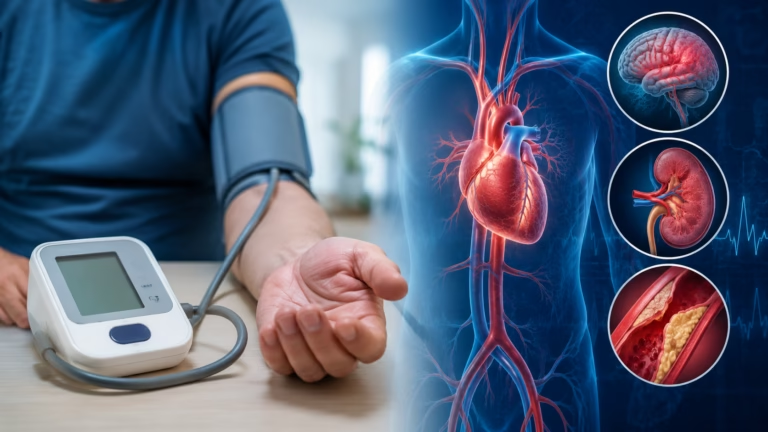
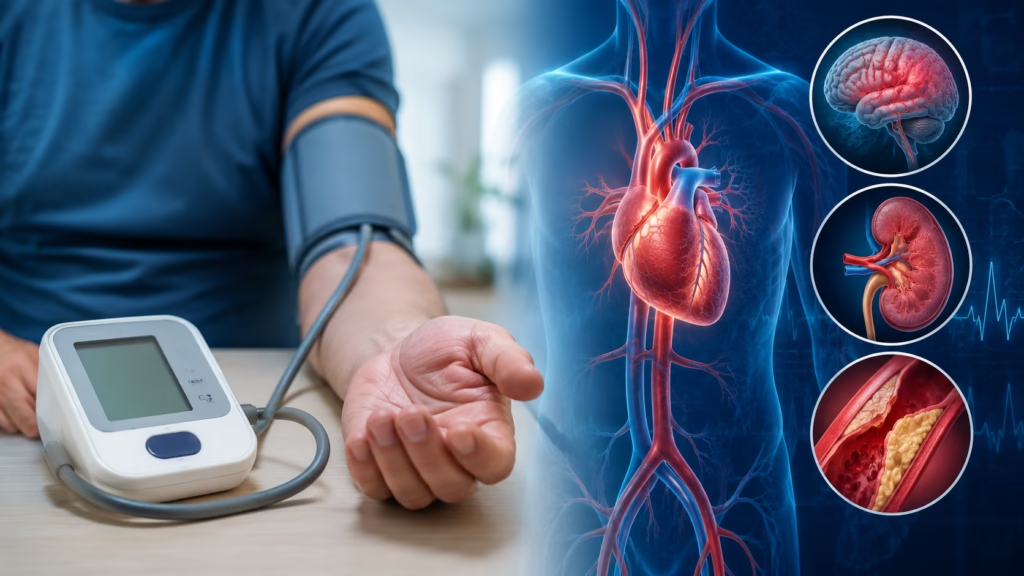
Patients should also learn how to monitor blood pressure at home, maintain physical activity within safe limits, and avoid behaviors that may worsen heart failure.
Empowering patients with knowledge improves self-management and reduces the likelihood of hospital readmissions.
Interprofessional Collaboration
Effective management of congestive heart failure requires collaboration among multiple healthcare professionals.
Physicians oversee diagnosis and medication management. Pharmacists provide education regarding medication use and monitor for drug interactions. Dietitians help patients develop heart-healthy meal plans. Physical therapists assist with exercise programs that improve endurance and mobility. Social workers help coordinate discharge planning, transportation, financial resources, and community support services.
By working together, the healthcare team can provide comprehensive care that addresses the medical, emotional, social, and educational needs of patients with CHF.
Conclusion
Congestive heart failure is a complex chronic condition that requires careful assessment, evidence-based interventions, and ongoing patient education. NANDA-I nursing diagnoses provide a structured framework that helps nurses identify patient problems, prioritize care, and evaluate outcomes effectively.
Diagnoses such as decreased cardiac output, excess fluid volume, activity intolerance, anxiety, and risk for impaired gas exchange address the most common challenges experienced by patients with CHF. Through thorough assessment, individualized interventions, patient education, and interdisciplinary collaboration, nurses can significantly improve symptom management, quality of life, and long-term outcomes.
Ultimately, the use of NANDA-I nursing diagnoses transforms congestive heart failure care from a reactive process into a proactive, patient-centered approach that promotes healing, independence, and improved cardiovascular health.