Introduction
Coccidiosis, commonly referred to as “coccidia,” is one of the most common and economically significant parasitic diseases affecting goats worldwide. Although it is especially prevalent in young kids, adult goats can also be affected, particularly when exposed to stress, poor living conditions, or compromised immune function.
- Recognize and diagnose early: watch for diarrhea, weight loss, dehydration; confirm with fecal flotation and herd history for prompt treatment.
- Treat promptly with amprolium or appropriate sulfa drugs under veterinary guidance, provide fluids, electrolytes, nutrition, and consider thiamine supplementation.
- Prevent outbreaks by maintaining clean housing, disinfecting feeders and waterers, reducing stress, monitoring fecals routinely, and using strategic coccidiostats with vet oversight.
Many goat owners underestimate the impact of coccidia because the parasites are microscopic and often present in small numbers without causing obvious disease. However, when conditions allow these parasites to multiply rapidly, they can cause severe intestinal damage that affects growth, feed efficiency, reproduction, milk production, and overall herd health.
In severe cases, untreated coccidiosis can lead to dehydration, chronic illness, permanent intestinal damage, and death. Fortunately, early recognition, prompt treatment, and effective management practices can significantly reduce losses and improve animal welfare.
This comprehensive guide explains what coccidia are, how goats become infected, how to recognize symptoms, the most effective treatment options available, and practical strategies for preventing future outbreaks.
Understanding Coccidia in Goats
What Is Coccidia?
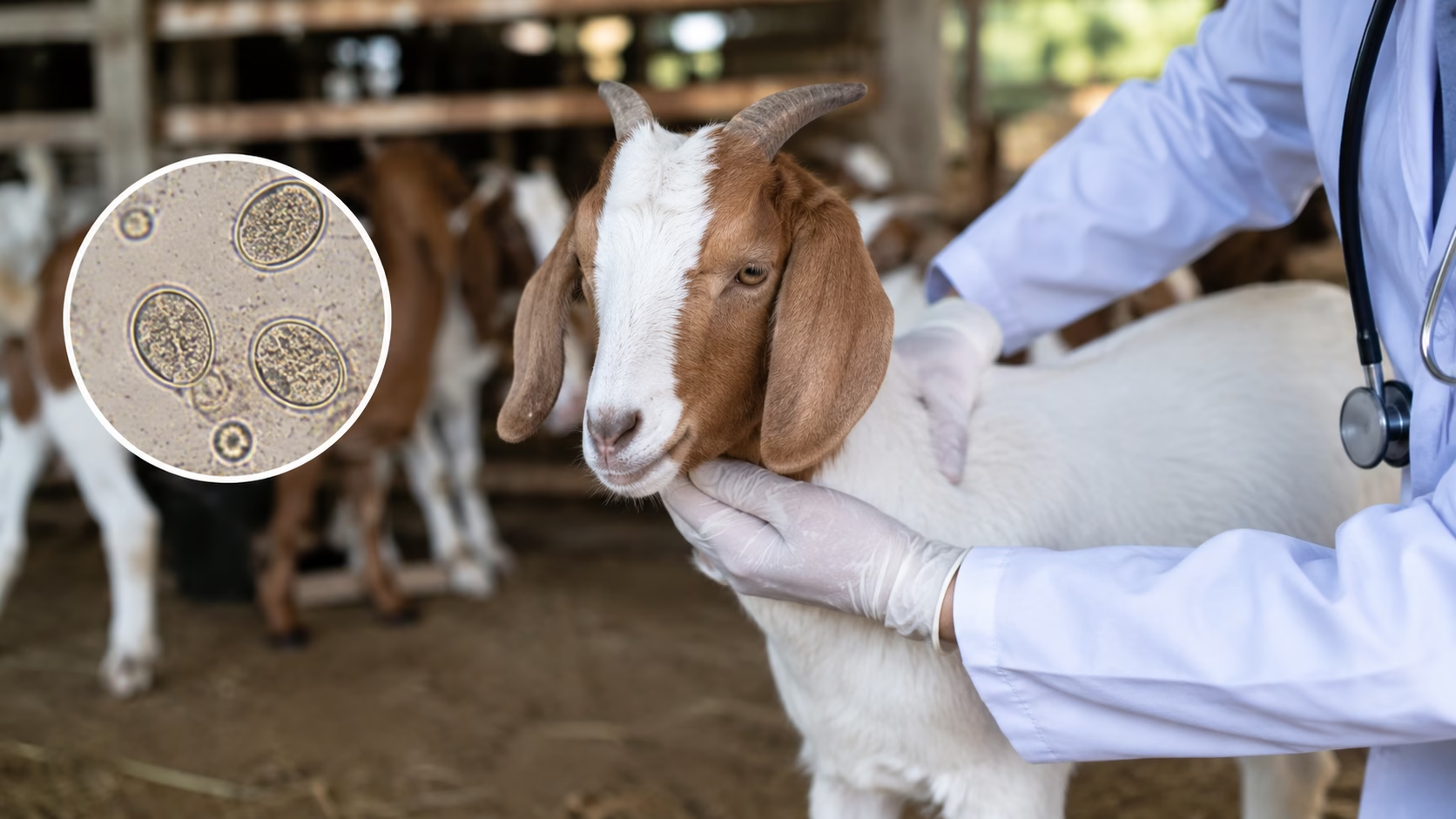
Coccidia are microscopic, single-celled parasites belonging to the genus Eimeria. These parasites live and reproduce within the cells lining a goat’s intestinal tract.
Unlike larger parasites such as worms, coccidia cannot be seen with the naked eye. Their life cycle occurs primarily within the intestine, where they invade and destroy intestinal cells during reproduction.
As the parasites multiply, they damage the lining of the digestive tract, reducing the goat’s ability to absorb nutrients, water, and essential minerals. This intestinal damage leads to many of the symptoms associated with coccidiosis, including diarrhea, weight loss, and poor growth.
How Coccidia Affect the Intestines
When a goat ingests infective coccidia oocysts from its environment, the parasites enter the digestive tract and begin reproducing within intestinal cells.
As these cells become damaged and rupture, the parasites spread to neighboring cells and continue multiplying.
This process causes:
- Inflammation of the intestinal lining
- Reduced nutrient absorption
- Fluid loss into the intestines
- Damage to digestive function
- Increased susceptibility to secondary infections
The severity of disease depends on the number of parasites present, the age of the goat, and the strength of its immune system.
Why Coccidia Matters
Young Kids Are Highly Vulnerable
Goat kids under six months of age are particularly susceptible because their immune systems are still developing.
Young animals often have limited resistance to coccidia and may become ill after ingesting relatively small numbers of parasites.
The period surrounding weaning is especially risky because stress weakens the immune response and increases susceptibility to infection.
Impact on Growth and Development
Even when coccidiosis does not cause obvious illness, it can significantly impair growth.
Affected kids may:
- Gain weight slowly
- Consume feed inefficiently
- Appear smaller than herd mates
- Reach market weight later
The economic impact can be substantial for both meat and dairy goat operations.
Impact on Milk Production
Adult dairy goats affected by coccidiosis may experience reduced milk production due to decreased nutrient absorption and overall health decline.
Although adults often develop partial immunity, heavy parasite burdens can still affect productivity.
Causes and Risk Factors
Goats become infected by consuming coccidia oocysts present in contaminated environments.
Contaminated Feed
Feed that becomes contaminated with manure can serve as a major source of infection.
When feed is placed directly on the ground or exposed to fecal contamination, goats may ingest large numbers of infective oocysts.
Contaminated Water
Water troughs contaminated by manure are another common source of infection.
Coccidia oocysts can survive in moist environments and remain infective for extended periods.
Contaminated Bedding
Dirty bedding creates ideal conditions for parasite accumulation and transmission.
As goats lie down, eat, and interact with contaminated bedding, they increase their risk of infection.
Overcrowded Housing
Overcrowding increases the concentration of parasites within the environment.
When too many goats occupy a small area:
- Manure accumulates rapidly
- Feed contamination increases
- Stress levels rise
- Disease transmission becomes more likely
Poor Ventilation
Inadequate ventilation creates damp conditions that favor parasite survival.
Poor air quality also contributes to stress and weakens immune defenses.
Sudden Dietary Changes
Abrupt feed changes can disrupt digestive health and increase susceptibility to disease.
Gradual transitions are important for maintaining intestinal stability.
Weaning Stress
Weaning is one of the most stressful periods in a young goat’s life.
Changes in diet, social structure, and environment can weaken immunity and trigger clinical coccidiosis.
Transportation and Environmental Changes
Moving animals to new locations, introducing them to unfamiliar groups, or exposing them to extreme weather can increase stress and promote disease outbreaks.
Recognizing the Symptoms
Early recognition is critical because treatment is most effective when started before severe intestinal damage occurs.
Diarrhea
Diarrhea is one of the most common signs of coccidiosis.
The stool may be:
- Watery
- Soft
- Mucus-covered
- Dark-colored
- Bloody in severe cases
Persistent diarrhea leads to fluid loss and nutritional deficiencies.
Weight Loss or Poor Weight Gain
Many infected goats fail to grow normally.
Instead of gaining weight steadily, affected animals may:
- Lose weight
- Appear thin
- Fall behind herd mates in development
This often becomes one of the first signs noticed by producers.
Dehydration
Diarrhea causes significant fluid loss.
Signs of dehydration include:
- Sunken eyes
- Dry or tacky gums
- Reduced skin elasticity
- Weakness
Severe dehydration can become life-threatening if not corrected promptly.
Lethargy
Infected goats often become less active.
They may:
- Spend more time lying down
- Show little interest in their surroundings
- Appear depressed or weak
Loss of Appetite
Intestinal inflammation frequently reduces appetite.
Affected goats may eat less or stop eating altogether, worsening weight loss and weakness.
Rough Hair Coat
A healthy goat typically has a smooth, shiny coat.
Chronic coccidiosis often produces:
- Dull hair
- Rough texture
- Poor coat condition
This occurs because nutrient absorption becomes impaired.
Potbellied Appearance
Some infected kids develop a swollen or potbellied appearance despite poor overall body condition.
This can occur due to intestinal inflammation and digestive disturbances.
Diagnosing Coccidiosis
Fecal Flotation Testing
The most common diagnostic method is fecal flotation.
A veterinarian examines a manure sample under a microscope to identify and count coccidia oocysts.
High oocyst counts strongly support a diagnosis of coccidiosis.
Clinical Signs
Diagnosis is not based solely on laboratory results.
Veterinarians also evaluate:
- Age of affected animals
- Diarrhea history
- Growth performance
- Environmental conditions
Herd History
Recurring outbreaks, recent stress events, or management problems may provide important diagnostic clues.
Ruling Out Other Diseases
Several other conditions can cause diarrhea in goats, including:
- Salmonella infections
- Clostridial diseases
- Viral infections
- Intestinal worms
Proper diagnosis ensures appropriate treatment.
Effective Treatment Options
Amprolium
Amprolium is one of the most commonly used medications for coccidiosis.
How It Works
Coccidia require thiamine (vitamin B1) to survive and reproduce.
Amprolium works by blocking thiamine uptake within the parasite, effectively starving it and interrupting its life cycle.
Benefits
Amprolium is popular because it:
- Is widely available
- Is effective against many coccidia species
- Can be used in both young and adult goats
Potential Drawbacks
Because amprolium also interferes with thiamine metabolism in the host animal, prolonged use may contribute to thiamine deficiency.
Some veterinarians recommend supplemental vitamin B1 during treatment.
Sulfa Drugs
Sulfa medications such as sulfadimethoxine are frequently used to treat coccidiosis.
How They Work
These drugs interfere with folic acid synthesis within the parasite, preventing reproduction and growth.
Benefits
Sulfa drugs have been successfully used for decades and remain effective in many herds.
Considerations
Treatment should always follow veterinary guidance because withdrawal periods and dosage requirements vary.
Adequate hydration is important during treatment because sulfa drugs can place additional stress on the kidneys.
Supportive Care
Hydration
Maintaining hydration is one of the most important aspects of treatment.
Electrolyte solutions help replace fluids and minerals lost through diarrhea.
Severely dehydrated goats may require veterinary-administered fluids.
Nutrition
Good nutrition supports recovery and healing.
Provide:
- High-quality hay
- Fresh water
- Balanced minerals
- Easily digestible feeds
Proper nutrition helps repair intestinal damage and restore body condition.
Probiotics
Probiotics may help restore healthy intestinal bacteria disrupted by disease and medication.
Improved gut balance may support recovery and digestive function.
Alternative and Herbal Options
Some producers use natural products such as:
- Garlic
- Oregano oil
- Herbal blends
These products may provide supportive benefits but should not replace proven medical treatments during active disease outbreaks.
Always consult a veterinarian before combining herbal and conventional therapies.
Management and Prevention Strategies
Maintain Clean Housing
Sanitation is one of the most effective preventive measures.
Regular manure removal reduces environmental contamination and limits parasite transmission.
Many producers remove manure daily and perform deep cleaning routinely.
Disinfect Feeding and Watering Equipment
Feed troughs and water containers should be cleaned regularly to prevent contamination.
Weekly disinfection helps reduce exposure to infective oocysts.
Optimize Nutrition
Healthy goats resist disease more effectively.
Provide:
- Balanced rations
- Gradual feed transitions
- Adequate protein
- Essential minerals
Nutritional deficiencies can compromise immunity.
Provide Essential Minerals
Minerals such as:
- Zinc
- Copper
- Selenium
play important roles in immune function and disease resistance.
Mineral supplementation should be tailored to local deficiencies and veterinary recommendations.
Reduce Stress
Stress management is critical for prevention.
Strategies include:
- Gradual weaning
- Avoiding overcrowding
- Providing shelter from extreme weather
- Minimizing unnecessary handling
Reduced stress supports immune health and lowers disease risk.
Routine Fecal Monitoring
Regular fecal examinations help detect parasite problems before clinical disease develops.
Many veterinarians recommend testing every three to six months.
Isolate New Animals
New arrivals should be quarantined before joining the main herd.
This reduces the risk of introducing new parasite strains and other infectious diseases.
Strategic Use of Coccidiostats
During high-risk periods such as weaning, some producers use preventive coccidiostats under veterinary supervision.
These medications help suppress parasite reproduction before clinical disease develops.
Rotating products periodically may help reduce resistance concerns.
Monitoring Long-Term Herd Health
Maintain Detailed Records
Accurate records help identify recurring problems and evaluate treatment effectiveness.
Important records include:
- Treatment dates
- Medications used
- Dosages administered
- Response to treatment
Monitor Growth Rates
Slow growth may indicate ongoing parasite challenges even when obvious symptoms are absent.
Regular weight monitoring helps identify subtle problems early.
Monitor Milk Production
Declines in milk production may signal health issues requiring investigation.
Seek Veterinary Guidance
Recurring outbreaks may indicate underlying management deficiencies that require professional evaluation.
A veterinarian can help develop a customized prevention program tailored to your herd.
Conclusion
Coccidiosis remains one of the most common and economically important diseases affecting goats, particularly young kids. Because the parasites damage the intestinal tract, affected animals often experience diarrhea, dehydration, poor growth, reduced productivity, and increased susceptibility to other illnesses.
Successful treatment depends on early recognition, accurate diagnosis, appropriate medications such as amprolium or sulfa drugs, and supportive care that addresses hydration and nutrition. However, long-term success requires more than treatment alone. Proper sanitation, stress reduction, good nutrition, routine monitoring, and preventive management practices are essential for reducing future outbreaks.
By working closely with a veterinarian and implementing a proactive herd health program, goat owners can significantly reduce the impact of coccidiosis and maintain healthier, more productive animals for years to come.