Introduction
Deciding when to seek medical attention is a fundamental aspect of personal health management. Individuals frequently encounter symptoms that may appear minor but could indicate underlying conditions requiring professional evaluation. The challenge lies in distinguishing between temporary discomfort and signs of serious illness. Delayed medical consultation may lead to complications, while unnecessary visits can strain healthcare resources and increase personal costs.
A structured understanding of warning signs, symptom patterns, preventive care, and healthcare access options allows individuals to make informed decisions. This discussion provides a detailed framework for recognizing when medical intervention is necessary and how to approach healthcare services effectively.
Recognizing Critical Warning Signs
Certain symptoms represent urgent medical concerns and require immediate attention due to their association with life threatening conditions.
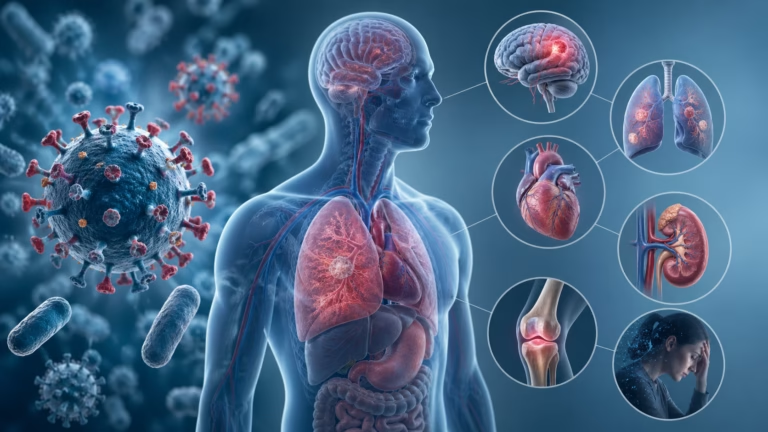
Chest pain or pressure is one of the most significant warning signs. It may indicate acute cardiac events such as myocardial infarction. When accompanied by symptoms such as sweating, nausea, or pain radiating to the arm or jaw, the likelihood of a serious cardiac condition increases substantially. Immediate emergency care is essential in such cases because delays can result in irreversible heart damage or death.
Severe shortness of breath is another critical symptom. Difficulty breathing at rest suggests impaired respiratory or cardiovascular function. This may be associated with conditions such as asthma exacerbations, pneumonia, or pulmonary embolism. Rapid evaluation is necessary to prevent deterioration and ensure adequate oxygen delivery to tissues.
A sudden and severe headache, particularly one described as the worst ever experienced, may indicate neurological emergencies such as stroke or intracranial hemorrhage. The abrupt onset and intensity distinguish it from typical headaches and necessitate urgent diagnostic assessment.
High fever, especially above 103 degrees Fahrenheit, can signal severe infection. When accompanied by confusion, persistent headache, or chills, it may indicate systemic involvement such as sepsis or central nervous system infection. Prompt medical evaluation is required to identify the source and initiate appropriate treatment.
Uncontrolled bleeding or severe physical injury demands immediate care due to the risk of significant blood loss, infection, or structural damage. Deep wounds, fractures, and head injuries require professional intervention to prevent long term complications.
Acute Versus Chronic Symptoms
Understanding the duration and pattern of symptoms is essential in determining the appropriate level of care.
Acute symptoms develop suddenly and are often intense. These include sharp pain, allergic reactions, or rapid changes in physical condition. Acute allergic responses, for example, may involve swelling of the face or throat and require immediate treatment to prevent airway obstruction. The sudden nature of acute symptoms typically indicates the need for urgent or emergency care.
Chronic symptoms, in contrast, develop gradually and persist over time. These may include ongoing back pain, fatigue, digestive disturbances, or changes in sleep patterns. Although less immediately alarming, chronic symptoms should not be ignored, particularly if they persist beyond two weeks or progressively worsen. Such patterns may indicate underlying conditions that require medical evaluation and management.
The Role of Preventive Healthcare
Preventive care is a critical component of maintaining long term health and reducing the risk of serious illness. Many conditions, including hypertension, diabetes, and certain cancers, develop silently and may only be detected through routine screening.
Annual physical examinations provide an opportunity to assess key health indicators such as blood pressure, cholesterol levels, and glucose regulation. These assessments allow for early detection of abnormalities and timely intervention. In addition, reviewing family medical history during these visits helps identify inherited risk factors that may influence preventive strategies.
Screening recommendations vary based on age and biological characteristics. Women may require regular cervical and breast cancer screenings, while men may undergo prostate evaluations. Colon cancer screening is generally recommended for adults beginning in midlife, as early detection significantly improves treatment outcomes.
Vaccinations also play a vital role in preventive healthcare by protecting individuals and communities from infectious diseases. Regular immunizations, including annual influenza vaccines and periodic boosters, help maintain immunity and reduce disease transmission.
Choosing Between Telemedicine and In-Person Care
Advances in healthcare delivery have introduced multiple avenues for accessing medical services. Selecting the appropriate mode of consultation depends on the nature and severity of symptoms.
Telemedicine offers a convenient option for addressing non urgent health concerns. It is particularly suitable for mild respiratory symptoms, medication management, and mental health consultations. This approach reduces travel time and increases accessibility, especially for individuals with mobility constraints or limited access to healthcare facilities.
In person visits remain essential for comprehensive evaluation. Physical examinations, diagnostic testing, and imaging procedures require direct interaction with healthcare professionals. Severe, unexplained, or rapidly worsening symptoms also necessitate in person assessment to ensure accurate diagnosis and timely treatment.
Overcoming Barriers to Medical Care
Despite the availability of healthcare services, many individuals delay seeking medical attention due to various barriers. Addressing these challenges is essential for improving health outcomes.
Fear of receiving unfavorable diagnoses can discourage individuals from consulting healthcare providers. However, early detection of disease often leads to more effective treatment and improved prognosis. Support from family or friends during medical visits can help alleviate anxiety and encourage timely care seeking behavior.
Financial concerns also contribute to delays in accessing care. Exploring available options such as payment plans, insurance coverage, or community health services can reduce the financial burden. Telemedicine may offer a more cost effective alternative for certain consultations.
Time constraints represent another common barrier. Busy schedules may lead individuals to postpone medical appointments. Utilizing digital scheduling tools and selecting flexible appointment times can facilitate access to care without significant disruption to daily activities.
Preparing for a Medical Consultation
Effective preparation enhances the quality of medical consultations and improves diagnostic accuracy.
Maintaining a symptom record provides valuable information regarding the onset, frequency, and progression of health concerns. This information assists healthcare providers in identifying patterns and potential causes.
A comprehensive list of medications, including over the counter drugs and dietary supplements, is essential to avoid adverse interactions and ensure appropriate treatment.
Preparing specific questions or concerns before the appointment helps ensure that all relevant issues are addressed during the consultation. This approach promotes clear communication and maximizes the efficiency of the visit.
Finally, having necessary documentation such as identification and insurance information readily available facilitates administrative processes and reduces delays.
Conclusion
Determining when to seek medical attention requires a balanced understanding of symptom severity, duration, and associated risks. Urgent warning signs such as chest pain, severe breathing difficulty, and sudden neurological symptoms demand immediate care, while persistent or unexplained issues warrant scheduled medical evaluation. Preventive healthcare plays a crucial role in early detection and long term health maintenance.
The availability of both telemedicine and in person services provides flexibility in accessing care, while proactive efforts to overcome barriers ensure timely intervention. By remaining attentive to bodily signals and engaging with healthcare services appropriately, individuals can significantly improve their health outcomes and reduce the risk of serious complications.
Disclaimer
This article is for educational purposes only and does not replace professional medical advice, diagnosis, or treatment. Seizures, severe headache, confusion, visual changes, or blood pressure readings in the hypertensive crisis range require urgent medical evaluation.