











Can Allergies Cause a Fever in a Child
Can allergies cause a fever in a child? Learn why allergies do not trigger fevers, how to spot an infection, and when to seek medical care.
By True Impact Health Editorial Team

Medical graduate of Girne American University with a focus on patient-centred care, clinical assessment and preventive health.
Reviewed this article on October 10, 2026.
View profile How we reviewUpdated on October 9, 2026 5 min read

Table of Contents
Quick answer
No, allergies do not cause a true fever in children. While allergic reactions trigger inflammation, sneezing, and watery eyes, they do not raise the body's core temperature. If a child has a measured fever alongside allergy-like symptoms, the underlying cause is almost certainly a viral or bacterial infection rather than an allergic response.
Introduction
Every parent dreads seeing their child’s temperature rise. You check for coughs, sniffles, rashes and you wonder: “Is this just allergies acting up, or is there a fever lurking too?” Allergies in children are common, but do they ever trigger a genuine fever? In this post, we’ll explore the relationship between allergies and fevers, help you distinguish allergy symptoms from infection, and offer guidance on when to seek medical attention.
What Are Allergies?
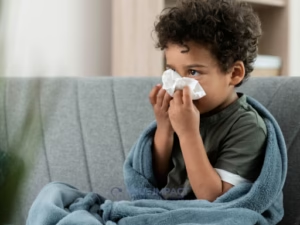
Allergies occur when the immune system overreacts to a normally harmless substance (an allergen). Common childhood allergens include:
- Pollen (seasonal allergies)
- Dust mites
- Pet dander
- Certain foods (e.g., peanuts, milk, eggs)
- Insect stings
When a child encounters an allergen, their body releases histamine and other chemicals, leading to inflammation and the classic allergy symptoms.
Typical Allergy Symptoms in Children
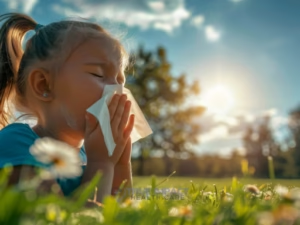
Allergic reactions present in many ways. Knowing these can help you differentiate them from signs of infection:
- Sneezing and nasal congestion
- Runny or itchy nose
- Itchy, watery eyes
- Scratchy throat
- Eczema or hives (in contact or food allergies)
- Occasional coughing or mild wheezing
Notice that most of these symptoms involve itching, watery discharge, or sneezing, rarely high temperatures or chills.
Fever Defined: What’s Normal and What’s Not
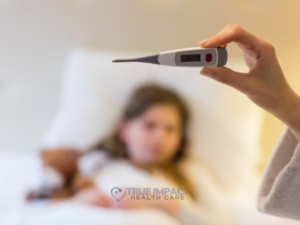
Before we dive into causes, let’s clarify what fever really is:
- Normal body temperature: around 98.6°F (37°C)
- Low-grade fever: 100.4ºF–102.2ºF (38ºC–39ºC)
- High fever: above 102.2ºF (39ºC)
Fever is usually a sign that the body is fighting an infection, such as a virus or bacteria.
Can Allergies Actually Cause Fever?

The short answer: very rarely. Allergic reactions do trigger inflammatory chemicals, but they typically do not raise your child’s core temperature enough to qualify as a fever. Here’s why:
- Histamine release leads to itching, swelling, and mucus production, but not systemic temperature spikes.
- Localized warmth or redness (like in contact dermatitis) can feel hot to the touch yet doesn’t reflect a true fever.
- Exception: In very rare cases of severe immune reactions (anaphylaxis), the stress response may cause a slight temperature rise, but true fever is still uncommon.
When Fever Points to Infection, Not Allergy
If your child is running a fever, it’s wise to consider other causes. Common culprits include:
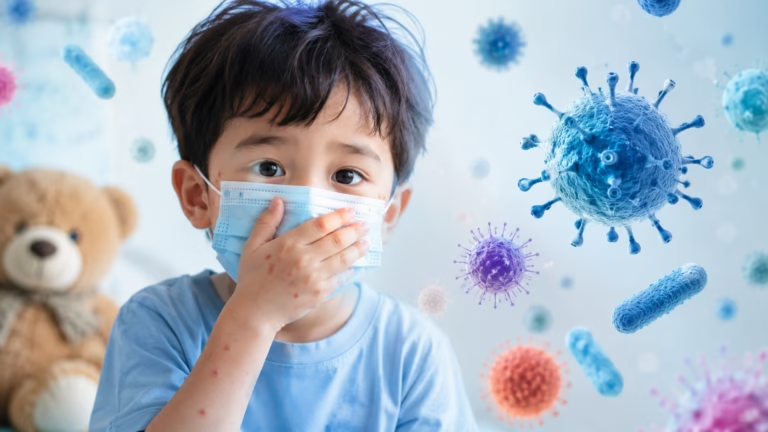
- Viral infections (cold, flu, RSV)
- Bacterial infections (strep throat, ear infections, urinary tract infections)
- Inflammatory conditions (Kawasaki disease, juvenile arthritis)
Clues you’re dealing with infection rather than allergy:
- Persistent high fever (over 102ºF)
- Body aches, fatigue, chills
- Green or yellow nasal discharge
- Sore throat with difficulty swallowing
- Ear pain or tugging at the ears
Managing Allergy Symptoms Safely
While allergies themselves rarely cause fevers, they can still make your child uncomfortable. Strategies include:
- Allergen avoidance (keep windows closed during high pollen days, use mattress covers)
- Saline nasal rinses and steam inhalation
- Age-appropriate antihistamines or nasal corticosteroids (consult your pediatrician)
- Skin barrier creams for eczema or topical antihistamines for hives
Knowing When to Seek Medical Help
It can be tough to tell allergy discomfort from illness, especially in younger children. Contact your pediatrician if your child has:
- A fever over 100.4ºF lasting more than 24 hours
- Difficulty breathing or swallowing
- Severe, persistent cough or wheezing
- Dehydration signs (dry mouth, reduced urine output, lethargy)
- Rash accompanied by high fever
Conclusion
In most cases, allergies themselves do not cause a true fever in children. A raised temperature usually signals that your child’s body is combating an infection or another underlying condition. By understanding the hallmark symptoms of allergies versus fevers, and by closely monitoring your child’s overall behavior and discomfort, you’ll be better equipped to decide when home care is sufficient and when it’s time to call the doctor. Stay observant, keep allergy triggers at bay, and give your little one the relief they need, fever or no fever.
When to see a doctor
- Any fever in an infant under 3 months of age.
- A fever of 100.4°F (38°C) or higher lasting more than three days in older children.
- Call your local emergency number immediately if the child experiences severe breathing difficulty, wheezing, or facial swelling.
- Signs of dehydration, such as significantly fewer wet nappies, crying without tears, or extreme lethargy.
- A fever accompanied by a stiff neck, persistent vomiting, or an unexplained rash that does not fade under pressure.
If symptoms are severe or come on suddenly, call your local emergency number.
Frequently asked questions
Why is seasonal allergic rhinitis often called hay fever?
The term hay fever originated historically because people frequently developed symptoms during the summer hay-harvesting season. Despite the name, it is a misnomer. Hay fever is caused by an allergic reaction to pollen and does not actually produce a fever or alter core body temperature.
Can allergies lead to an infection that causes a fever?
Yes. Chronic nasal congestion from allergies can block sinus passages and the middle ear. Trapped fluid creates an environment where bacteria or viruses can multiply, potentially resulting in secondary sinus or ear infections, which frequently cause genuine fevers.
How can you tell the difference between a cold and an allergy?
Colds are viral infections that often feature fevers, body aches, sore throats, and thick mucus, resolving within one to two weeks. Allergies typically involve clear nasal discharge, prominent itching of the eyes or nose, no fever, and persist as long as the allergen is present.
Can severe food allergies or anaphylaxis cause a fever?
No, acute food allergies and anaphylaxis do not cause a fever. Anaphylaxis causes hives, swelling, vomiting, drop in blood pressure, and breathing difficulties. These symptoms require emergency medical care immediately, but an elevated body temperature is not a feature of this reaction.
Sources and further reading
Was this page helpful?
Thanks for your feedback! What could we improve?
Thank you! Your feedback helps us improve our articles.
Medically reviewed by
Dr. Oluwabusola Stella OkeMedical graduate of Girne American University with a focus on patient-centred care, clinical assessment and preventive health.
True Impact Health articles are written by our editorial team and based on reliable sources such as public health agencies, clinical guidelines and peer-reviewed research. This article has been checked by a doctor on our review panel. Read our editorial process.
This content is for general information and is not a substitute for professional medical advice, diagnosis or treatment.