




















Understanding Blood Glucose Tests: Your Essential Guide
Learn everything about blood glucose tests, their importance, types, and how to interpret the results for managing your health effectively.

Table of Contents
Key Takeaways
- Blood glucose tests are essential for diabetes management.
- There are different types of blood glucose tests available.
- Understanding results is crucial for health decisions.
- Regular monitoring can prevent complications.
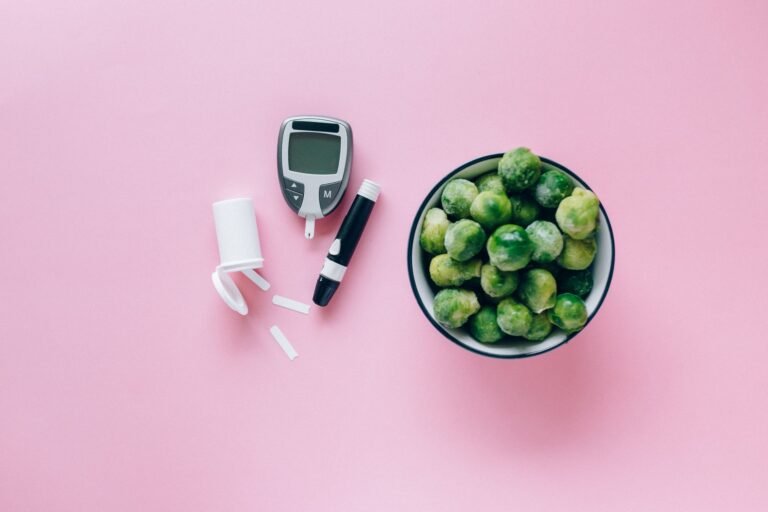
Blood glucose tests are vital for individuals managing diabetes and those concerned about their overall health. Monitoring blood glucose levels helps in understanding how food and lifestyle choices affect your body. This article will explore the significance of blood glucose testing, the different types available, how to interpret results, and practical tips for effective monitoring.
For many, the journey of managing blood sugar starts with understanding what blood glucose tests are and why they matter. These tests measure the amount of glucose in your blood at a specific time, providing crucial insights into your body’s metabolic processes.
Whether you’re newly diagnosed with diabetes or looking to maintain your health, knowing how to effectively use blood glucose tests can empower you to make informed decisions.
What Is a Blood Glucose Test?
A blood glucose test measures the concentration of glucose in your blood. Glucose is a type of sugar that serves as a primary energy source for the body’s cells. The body regulates glucose levels through hormones such as insulin and glucagon. When these levels are out of balance, it can lead to conditions such as hypoglycemia (low blood sugar) or hyperglycemia (high blood sugar).
There are several types of blood glucose tests, each serving different purposes:
- Fasting Blood Glucose Test: This test measures blood sugar levels after fasting for at least eight hours. It helps determine if you have diabetes or prediabetes.
- Random Blood Glucose Test: This test measures blood sugar levels at any time of the day. It can help diagnose diabetes if levels are significantly high.
- Oral Glucose Tolerance Test (OGTT): This test measures blood sugar levels before and after consuming a sugary drink. It assesses how well your body processes glucose.
- Hemoglobin A1c Test: This test provides an average of your blood sugar levels over the past two to three months, helping to monitor long-term glucose control.
Why Are Blood Glucose Tests Important?
Understanding your blood glucose levels is crucial for several reasons:
- Diabetes Management: For individuals with diabetes, regular testing is essential to manage the condition effectively. Monitoring helps in adjusting medications, diet, and exercise.
- Preventing Complications: High or low blood sugar levels can lead to serious health complications if not managed properly. Regular testing can help prevent these issues.
- Informed Lifestyle Choices: By understanding how your body responds to different foods and activities, you can make better choices that promote overall health.
For example, consider someone who recently changed their diet to include more carbohydrates. By regularly testing their blood glucose, they can observe how these changes affect their levels and adjust accordingly. This proactive approach can lead to better health outcomes and increased awareness.
How to Perform a Blood Glucose Test
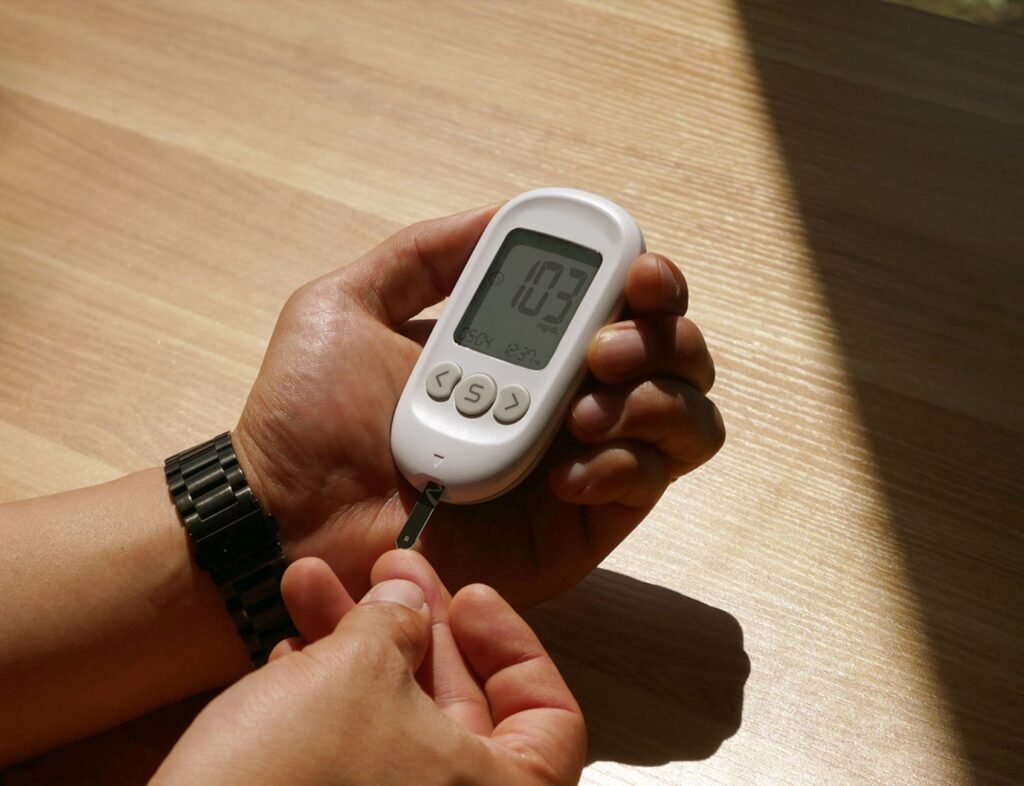
Performing a blood glucose test can vary depending on the method used. Here’s a simple guide for a typical fingerstick test using a glucose meter:
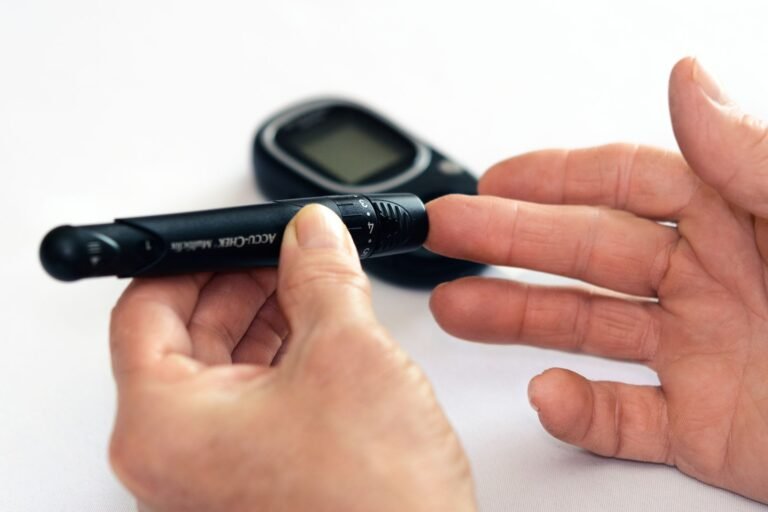
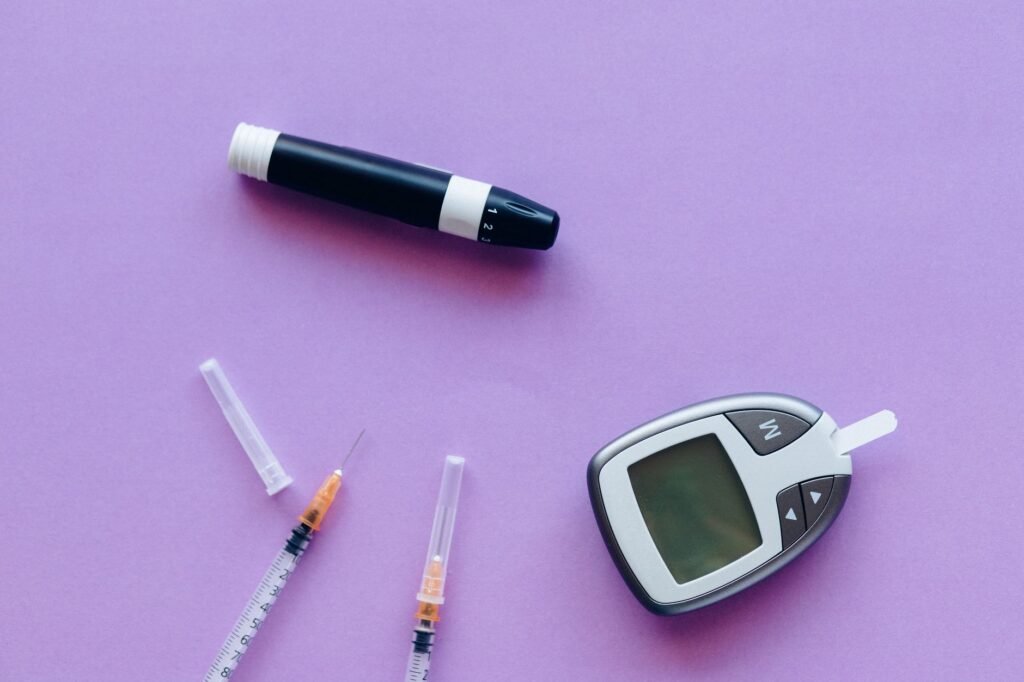
- Gather Your Supplies: You’ll need a blood glucose meter, test strips, a lancet device, and alcohol wipes.
- Prepare the Area: Wash your hands with soap and water, and dry them thoroughly. Alternatively, use an alcohol wipe on the finger you plan to test.
- Insert the Test Strip: Turn on the glucose meter and insert a test strip according to the device instructions.
- Puncture Your Skin: Use the lancet device to prick the side of your fingertip. This area tends to be less painful.
- Apply Blood to the Strip: Place a drop of blood on the test strip as instructed. The meter will display your blood glucose level after a few seconds.
- Record Your Results: Keep a log of your readings to discuss with your healthcare provider.
It’s essential to follow the manufacturer’s instructions for your specific meter, as models can vary.
Understanding Blood Glucose Levels
Interpreting blood glucose levels can help you manage your health effectively. Here are the general target ranges for blood glucose levels:
| Test Type | Normal Range (mg/dL) | Prediabetes Range (mg/dL) | Diabetes Range (mg/dL) |
|---|---|---|---|
| Fasting | 70-99 | 100-125 | 126 or higher |
| Random | Less than 140 | N/A | 200 or higher |
| A1c | Below 5.7% | 5.7% – 6.4% | 6.5% or higher |
It’s important to note that these ranges can vary slightly based on the testing methods and guidelines provided by healthcare professionals. Always consult with your doctor to understand what your specific numbers mean.
Common Factors Affecting Blood Glucose Levels
Several factors can influence your blood glucose levels, making it essential to consider them when interpreting your results:
- Diet: Foods high in carbohydrates can cause spikes in blood sugar levels, while fiber-rich foods can help stabilize them.
- Physical Activity: Exercise generally lowers blood sugar levels. However, intense workouts can lead to temporary spikes due to stress hormones.
- Medications: Certain medications, including insulin and oral hypoglycemics, directly affect blood glucose levels. Understanding how your medications work is crucial.
- Stress: Physical or emotional stress can lead to increased blood sugar levels due to the release of stress hormones.
Keeping a log of these factors alongside your glucose readings can help you identify patterns and make necessary adjustments.

Practical Tips for Effective Monitoring
Regular blood glucose monitoring can lead to better management of your health. Here are some practical tips to enhance your testing routine:
- Consistency is Key: Try to test at the same times each day, especially if you’re on a medication regimen. This creates a reliable pattern for monitoring.
- Use a Logbook: Keep a record of your results, noting the time of day, food intake, and any medications taken. This helps in identifying trends.
- Stay Informed: Educate yourself about diabetes and blood glucose management. Attend workshops or read reputable literature to enhance your understanding.
- Consult Your Healthcare Provider: Regularly discuss your readings and any concerns with your doctor or diabetes educator. They can help adjust your management plan as needed.
Types of Blood Glucose Tests
Fasting Blood Glucose Test
The fasting blood glucose test is one of the most common methods for assessing blood sugar levels. It requires the individual to fast for at least eight hours before the test. This type of test is typically performed in the morning and is crucial for diagnosing conditions such as diabetes or prediabetes. A fasting blood glucose level under 100 mg/dL is considered normal, while levels between 100 and 125 mg/dL indicate prediabetes, and levels of 126 mg/dL or higher suggest diabetes.
Patients should prepare for this test by avoiding food, drinks other than water, and certain medications that may affect blood sugar levels. It is important to communicate with healthcare providers about any ongoing medications before the test.
Oral Glucose Tolerance Test (OGTT)
The OGTT is primarily used to diagnose gestational diabetes but can also be employed to assess insulin resistance and overall glucose metabolism. During this test, the individual consumes a glucose-rich beverage after fasting overnight. Blood samples are then taken at intervals, typically at 1 and 2 hours post-consumption, to measure how efficiently the body processes glucose.
Normal results for the OGTT are a blood glucose level of less than 140 mg/dL at 2 hours. Levels between 140 and 199 mg/dL suggest prediabetes, while levels of 200 mg/dL or higher indicate diabetes. Patients should be aware that this test may not be suitable for everyone, especially those with certain medical conditions.
A1C Test
The A1C test, also known as glycated hemoglobin, provides a broader view of blood sugar levels over the past two to three months. It measures the percentage of hemoglobin that is coated with sugar, offering insights into long-term glucose control. An A1C level below 5.7% is considered normal, while levels from 5.7% to 6.4% indicate prediabetes, and levels of 6.5% or higher confirm diabetes.
- Benefits of the A1C test:
- Non-fasting requirement
- Reflects long-term glucose levels
- Useful for monitoring diabetes management
It’s important for patients to discuss the frequency of A1C testing with their healthcare provider, as this can vary based on individual health needs and treatment plans.
Interpreting Blood Glucose Results
Understanding Variability in Results
Blood glucose levels can fluctuate due to various factors, including diet, physical activity, stress, and illness. It is essential to understand that a single test result may not provide a complete picture of an individual’s health. For instance, a person may experience a temporary spike in glucose levels after consuming a high-carbohydrate meal, which may not reflect their typical levels.
Healthcare providers often recommend tracking blood glucose levels over time to identify patterns. This can help in recognizing how specific foods, activities, or stressors affect blood sugar levels. Patients are encouraged to maintain a daily log of their readings to facilitate discussions with their healthcare teams.
Interpreting Trends vs. Isolated Results
Rather than focusing solely on isolated test results, it is crucial to evaluate trends in blood glucose levels. This approach can help identify whether a person is consistently managing their blood sugar levels within the target range. For example, if someone consistently has elevated levels, it may indicate worsening insulin resistance or poor diabetes management.
- Key factors to consider when interpreting trends:
- Time of day when readings are taken
- Recent dietary changes or meal timings
- Physical activity levels
Discussing these trends with healthcare providers can lead to more personalized treatment plans and adjustments in medication or lifestyle strategies.
Recognizing Symptoms of High and Low Blood Sugar
Understanding the symptoms of both high and low blood sugar levels is critical for effective management. High blood sugar (hyperglycemia) can cause symptoms such as excessive thirst, frequent urination, fatigue, and blurred vision. Conversely, low blood sugar (hypoglycemia) may present as shakiness, sweating, confusion, and even fainting.
- Common symptoms of hyperglycemia include:
- Increased thirst
- Frequent urination
- Fatigue
- Blurred vision
- Common symptoms of hypoglycemia include:
- Shakiness
- Confusion
- Sweating
- Dizziness
Recognizing these symptoms early can prompt timely intervention, which is vital for preventing serious complications.
Advanced Technologies in Blood Glucose Monitoring
Continuous Glucose Monitoring (CGM) Systems
Advancements in technology have led to the development of continuous glucose monitoring (CGM) systems. These devices provide real-time glucose readings throughout the day and night, offering a more comprehensive view of glucose fluctuations. CGM systems typically consist of a small sensor placed under the skin that measures glucose levels in interstitial fluid.
One of the key benefits of CGM is the ability to detect trends and patterns that may be missed with traditional fingerstick tests. Many CGM systems also feature alerts that notify users of rapidly rising or falling glucose levels, providing an added layer of safety for individuals with diabetes.
Smartphone Integration and Data Management
Many modern blood glucose monitors and CGM systems now offer integration with smartphones and apps. This connectivity allows users to easily track their blood sugar levels, dietary intake, physical activity, and medication adherence all in one place. Some apps even provide insights and recommendations based on the collected data, helping users make informed decisions about their health.
- Key features of blood glucose management apps include:
- Data visualization and trend analysis
- Medication reminders
- Food logging and carbohydrate counting
By leveraging technology, individuals can take a more proactive approach to managing their blood sugar levels, leading to improved overall health outcomes.
Wearable Technology and Future Innovations
Emerging technologies, such as wearable devices, are set to revolutionize blood glucose monitoring. These devices, which can be worn on the wrist or as patches, are designed to provide continuous glucose readings without the need for fingersticks. As research continues, we may see innovative solutions that not only monitor glucose levels but also predict future trends based on user data.
Future innovations may include advanced algorithms that analyze glucose patterns and suggest personalized lifestyle changes or adjustments in medication. This could lead to even better management of diabetes and related conditions, ultimately improving the quality of life for individuals living with these challenges.
For more information, see MedlinePlus.
Frequently Asked Questions
What are the symptoms of high blood glucose?
Symptoms of high blood glucose, or hyperglycemia, can include excessive thirst, frequent urination, fatigue, blurred vision, and headaches. If you experience these symptoms frequently, consult a healthcare professional.
How often should I test my blood glucose?
The frequency of testing depends on individual circumstances, including whether you have diabetes, your treatment plan, and your healthcare provider’s recommendations. Many individuals with diabetes may test several times a day, while others may require less frequent testing.
Can stress affect blood glucose levels?
Yes, stress can lead to elevated blood glucose levels due to the release of stress hormones like cortisol and adrenaline. Managing stress through relaxation techniques or exercise can help stabilize blood sugar levels.
What should I do if my blood glucose is too high?
If your blood glucose levels are consistently high, consult your healthcare provider. They may recommend adjustments to your diet, exercise, or medications. In some cases, emergency treatment may be necessary.
The Bottom Line
Blood glucose tests play a crucial role in managing diabetes and understanding your overall health. By regularly monitoring your levels, understanding the various types of tests available, and interpreting your results accurately, you can make informed decisions that positively impact your health. Always consult with healthcare professionals for personalized guidance tailored to your individual needs.
Was this page helpful?
Thanks for your feedback! What could we improve?
Thank you! Your feedback helps us improve our articles.
True Impact Health articles are written by our editorial team and based on reliable sources such as public health agencies, clinical guidelines and peer-reviewed research. This article has not yet been medically reviewed. Read our editorial process.
This content is for general information and is not a substitute for professional medical advice, diagnosis or treatment.