









Hip pain
Learn what causes hip pain, when to see a doctor, and effective home and professional treatments to keep you moving comfortably.

Table of Contents
Key Takeaways
- Hip pain can stem from many sources, from arthritis to simple muscle strain.
- Early self‑care and proper movement can reduce severity and speed recovery.
- Red‑flag symptoms require prompt medical evaluation to prevent complications.
- Long‑term prevention focuses on weight control, posture, and regular low‑impact activity.
Hip pain is a common complaint that can affect people of any age. Whether it appears after a brisk walk, a night of restless sleep, or gradually over months, understanding why it happens is the first step toward relief.
In this guide we explore the anatomy of the hip, the most frequent causes of discomfort, when professional help is needed, and practical strategies you can use at home. The information is based on reputable sources such as the MedlinePlus health portal.
By the end of the article you will have a clear plan for managing current symptoms and reducing the risk of future episodes.
Understanding Hip Pain
Hip anatomy in plain language
The hip joint is a ball‑and‑socket structure where the rounded head of the thigh bone (femur) fits into a deep cup called the acetabulum, which is part of the pelvis. Strong ligaments, a smooth cartilage covering, and surrounding muscles keep the joint stable while allowing a wide range of motion.
Key structures that can generate pain include the bone itself, the cartilage, the thin fluid‑filled sac called the bursa, and the tendons and muscles that move the leg. When any of these components become inflamed, injured, or worn down, pain signals travel to the brain.
What does hip pain feel like?
People describe hip pain in many ways: a dull ache deep in the groin, a sharp stabbing sensation on the side, or a burning feeling that radiates down the thigh. The location and quality of the pain often give clues about the underlying cause.
It is also common for pain to be aggravated by certain activities, such as climbing stairs, standing for long periods, or lying on the affected side.
Common Causes of Hip Pain
Arthritis
Osteoarthritis is the most frequent form of joint arthritis in older adults. The cartilage that cushions the hip wears thin, leading to bone‑on‑bone contact, stiffness, and pain that worsens with activity.
Rheumatoid arthritis, an autoimmune condition, can also involve the hip, causing swelling and joint damage.
Bursitis
The bursa is a small fluid‑filled cushion that reduces friction between bone and tendon. Overuse or a direct blow can inflame the bursa, producing localized tenderness on the outer hip.
Typical symptoms include pain that improves with rest and may be accompanied by a mild swelling.
Muscle strain and tendinopathy
Sudden movements, heavy lifting, or prolonged sitting can strain the hip flexors, gluteal muscles, or the tendons that attach them. The pain is usually sharp at first and becomes a persistent ache as the tissue heals.
Gentle stretching and gradual strengthening are the mainstays of recovery.
Hip labral tear
The labrum is a ring of cartilage that deepens the socket. A tear can result from sports that involve twisting motions, such as soccer or skiing. Pain often radiates to the groin and may be felt during hip rotation.
Diagnosis typically requires imaging, and treatment ranges from physical therapy to arthroscopic surgery.
Fracture
A break in the femoral neck or the acetabulum usually follows a fall, especially in older adults with osteoporosis. Fracture pain is intense, worsens with any weight‑bearing, and is a medical emergency.
Immediate evaluation and often surgical fixation are required.
Referred pain
Problems in the lower back, knee, or even the sacroiliac joint can send pain signals that feel like they originate in the hip. A thorough exam helps differentiate true hip pathology from referred pain.
Addressing the primary source usually resolves the hip discomfort.
| Cause | Typical Symptoms | First‑line Action |
|---|---|---|
| Osteoarthritis | Dull ache, stiffness, worsens with activity | Weight control, low‑impact exercise, NSAIDs |
| Bursitis | Localized tenderness on side, pain improves with rest | Ice, activity modification, anti‑inflammatory meds |
| Muscle strain | Sharp pain after activity, tender muscle | Gentle stretching, gradual strengthening |
| Labral tear | Groin pain, clicking, pain with rotation | Physical therapy, specialist referral |
| Fracture | Severe pain, inability to bear weight | Emergency medical care |

When to Seek Medical Help
Red‑flag symptoms
While many hip aches improve with self‑care, certain signs indicate a need for prompt evaluation:
- Sudden, severe pain after a fall or injury
- Inability to bear weight on the leg
- Fever, chills, or unexplained weight loss
- Numbness, tingling, or weakness in the leg
- Persistent pain lasting more than four weeks despite home measures
If any of these occur, contact a healthcare professional without delay.
Who to see
Start with a primary‑care physician who can perform a physical exam and order imaging if needed. Depending on findings, you may be referred to an orthopaedic surgeon, rheumatologist, or a physical therapist for specialized care.
Early diagnosis often leads to simpler, less invasive treatment options.
Self‑Care and Home Remedies
Rest and activity modification
Giving the irritated structures a break is essential. Avoid activities that provoke pain, such as high‑impact running or prolonged standing, for a few days.
However, complete immobility can worsen stiffness, so gentle movement is encouraged as soon as tolerable.
Ice and heat therapy
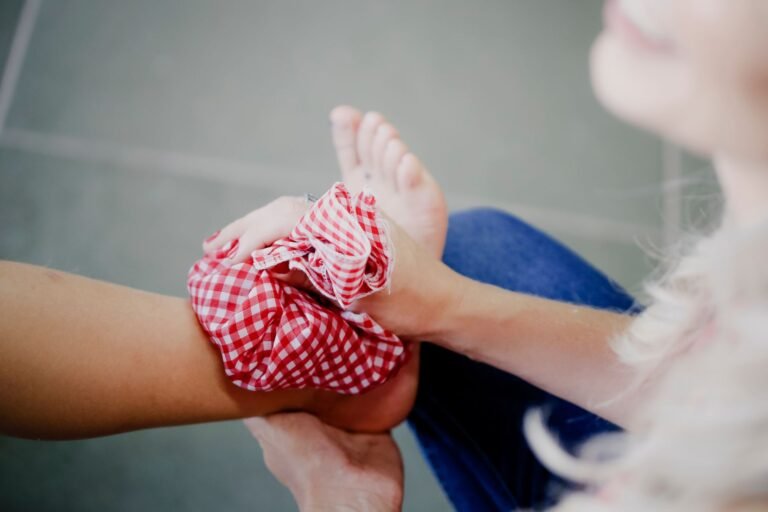
Apply an ice pack wrapped in a cloth for 15‑20 minutes several times a day during the first 48‑72 hours to reduce swelling. After the acute phase, switch to a warm compress or a warm shower to relax tight muscles.
Never apply ice or heat directly to the skin to avoid burns.
Over‑the‑counter options
Non‑prescription anti‑inflammatory medications such as ibuprofen or naproxen can relieve pain and swelling. Follow the label instructions and consider any personal health conditions before use.
Topical analgesic creams may also provide temporary relief without systemic side effects.
Gentle stretching and strengthening
Simple stretches for the hip flexors, hamstrings, and glutes can improve flexibility and reduce tension. A basic routine might include:
- Standing hip flexor stretch – hold 30 seconds each side.
- Supine figure‑four stretch – hold 30 seconds each side.
- Seated piriformis stretch – hold 30 seconds each side.
Strengthening exercises such as clamshells, bridges, and side‑lying leg lifts support the joint and prevent recurrence.

Physical Therapy and Exercise
Core and hip stability
A strong core helps distribute forces evenly across the pelvis and hips. Physical therapists often teach exercises like planks, dead‑bugs, and bird‑dogs to build this foundation.
Consistent practice can lower the load on the hip joint during daily activities.
Hip flexor and gluteal strengthening
Targeted moves such as seated knee lifts, standing hip abductions with a resistance band, and glute bridges activate the muscles that support the hip.
Begin with low resistance and gradually increase as strength improves.
Balance and proprioception
Improving balance reduces the risk of falls, especially in older adults. Simple drills like standing on one foot for 30 seconds, progressing to a soft surface, can enhance proprioceptive feedback.
These exercises are often incorporated into a broader fall‑prevention program.
Medical Treatments and Procedures
Injections
Corticosteroid injections into the hip joint or surrounding bursa can provide temporary relief from inflammation. The effect usually lasts a few weeks to months, and the procedure is performed in a clinic setting.
Repeated injections should be avoided due to potential joint damage.
Prescription medications
When over‑the‑counter options are insufficient, a doctor may prescribe stronger anti‑inflammatory drugs, muscle relaxants, or neuropathic pain agents. These medications require careful monitoring for side effects.
Always discuss potential interactions with other medicines you take.
Surgery overview
For severe arthritis, labral tears, or fractures, surgical options may be recommended. Hip replacement replaces the damaged joint surfaces with metal and plastic components, while arthroscopy can repair soft‑tissue injuries through small incisions.
Recovery timelines vary, but most patients regain functional mobility within several months with proper rehabilitation.

Lifestyle Tips to Prevent Hip Pain
Weight management
Carrying excess body weight adds extra stress to the hip joint. Maintaining a healthy body mass index (BMI) reduces wear and tear, especially for those with early osteoarthritis.
Balanced nutrition and regular activity are key components of weight control.
Ergonomics and posture
Proper seating, using a supportive chair, and keeping the knees at a right angle can alleviate hip strain during long periods of sitting. When standing, distribute weight evenly on both feet.
Adjusting the height of work surfaces and using a footrest can also improve hip alignment.
Regular low‑impact activity
Activities such as walking, swimming, cycling, and yoga keep the hip joint moving without excessive impact. Aim for at least 150 minutes of moderate aerobic exercise per week, as recommended by public health guidelines.
Mixing cardio with strength training yields the best protective effect for joint health.
Frequently Asked Questions
Can hip pain be caused by problems in the lower back?
Yes. The nerves that supply the hip also travel through the lumbar spine. Conditions such as lumbar disc herniation or spinal stenosis can produce pain that feels like it originates in the hip. A thorough clinical exam helps differentiate the source.
Is it safe to exercise with hip pain?
Generally, low‑impact activities that do not worsen pain are safe and beneficial. Avoid high‑impact sports or movements that provoke sharp discomfort. Consulting a physical therapist can provide a tailored program.
How long does it take for a hip strain to heal?
Most mild to moderate strains improve within two to six weeks with proper rest, ice, and gradual strengthening. Persistent pain beyond eight weeks should be evaluated by a healthcare professional.
Will a hip replacement cure hip pain?
Hip replacement surgery is highly effective for relieving pain caused by severe arthritis or joint damage. Most patients experience significant pain reduction and improved function, but the surgery does not prevent other hip issues that may develop later.
The Bottom Line
Hip pain can arise from a variety of sources, ranging from simple muscle strain to serious joint disease. Understanding the likely cause, using sensible home care, and seeking timely medical advice when red‑flag symptoms appear are essential steps toward recovery. Incorporating regular low‑impact exercise, maintaining a healthy weight, and practicing good posture can keep your hips healthy for years to come.
Was this page helpful?
Thanks for your feedback! What could we improve?
Thank you! Your feedback helps us improve our articles.
True Impact Health articles are written by our editorial team and based on reliable sources such as public health agencies, clinical guidelines and peer-reviewed research. This article has not yet been medically reviewed. Read our editorial process.
This content is for general information and is not a substitute for professional medical advice, diagnosis or treatment.