










Health A–Z guide
Groin Pain
Groin Pain: Causes, Symptoms, Diagnosis, and Treatment
Groin pain is a common complaint that affects people of all ages, from athletes to older adults. The groin refers to the area where the lower abdomen meets the upper…
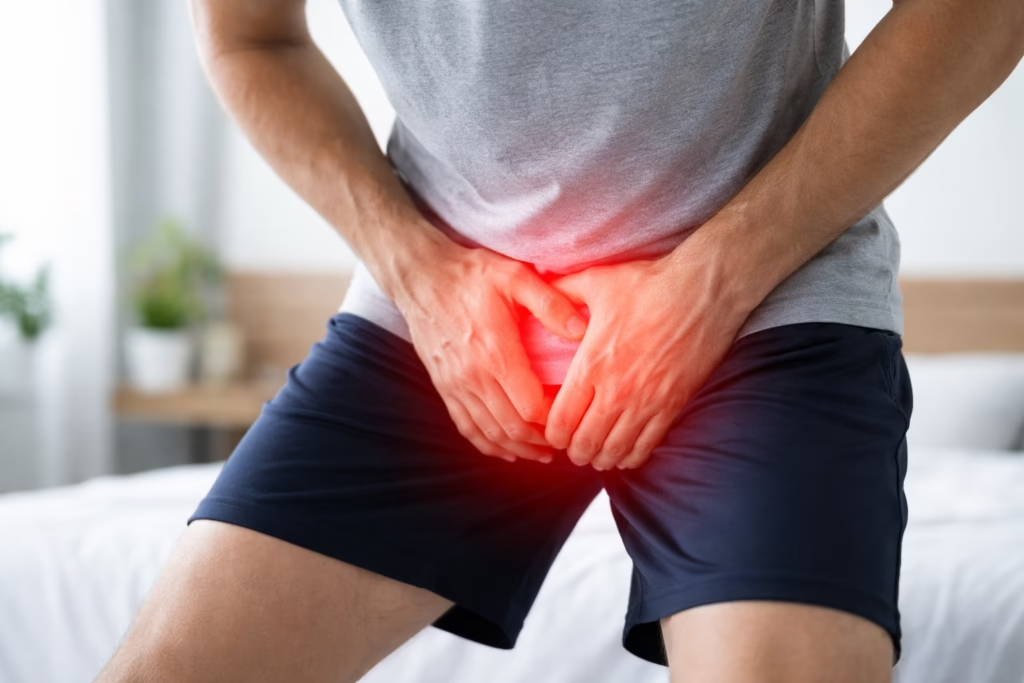
Table of Contents
Groin pain is a common complaint that affects people of all ages, from athletes to older adults. The groin refers to the area where the lower abdomen meets the upper thigh, and discomfort in this region can stem from muscles, joints, nerves, or internal organs. While some cases are minor and improve with rest, others may signal an underlying medical condition that requires prompt evaluation.
This article explores the causes, symptoms, diagnostic approaches, and treatment options for groin pain in a clear, medically accurate, and reader-friendly way.
Overview: What Is Groin Pain?
Groin pain is discomfort localized in the area between the abdomen and inner thigh. It may develop suddenly (acute) or gradually over time (chronic). The pain can vary in character—sharp, dull, throbbing, or burning—and may worsen with movement such as walking, lifting, coughing, or twisting.
Because multiple structures pass through the groin—including muscles, tendons, ligaments, nerves, blood vessels, and parts of the urinary and reproductive systems—identifying the source can sometimes be complex.
Causes and Risk Factors
Groin pain can arise from musculoskeletal issues, internal organ problems, or referred pain from nearby structures.
1. Musculoskeletal Causes (Most Common)
These are particularly common among athletes and physically active individuals:
- Groin strain (adductor strain): Overstretching or tearing of inner thigh muscles
- Hip joint disorders: Osteoarthritis, hip labral tears, or impingement
- Sports hernia (athletic pubalgia): Soft tissue injury in the lower abdomen or groin
- Tendonitis: Inflammation of tendons in the hip or groin
Risk factors include:
- Sudden twisting or sprinting movements
- Inadequate warm-up before exercise
- Previous injuries
- Muscle weakness or imbalance
2. Hernias
An inguinal hernia occurs when a portion of the intestine or abdominal tissue protrudes through a weak point in the abdominal wall. It often causes:
- Visible bulge in the groin area
- Pain or pressure, especially when coughing or lifting
Hernias are more common in men and may require surgical repair.
3. Urologic and Reproductive Causes
In some cases, groin pain originates from the urinary or reproductive systems.
- Kidney stones: Can cause severe pain radiating from the back to the groin
- Urinary tract infections (UTIs)
- Testicular torsion (medical emergency)
- Ovarian cysts
- Endometriosis
- Pelvic inflammatory disease (PID)
4. Nerve-Related Causes
Compressed or irritated nerves (such as the ilioinguinal nerve) can cause burning or radiating pain in the groin.
5. Less Common but Serious Causes
- Hip fractures (more common in older adults)
- Infections in bone or soft tissue
- Tumors or malignancies (rare)
Symptoms and Clinical Presentation
Symptoms vary depending on the underlying cause. Common features include:
- Localized pain in the inner thigh or lower abdomen
- Pain that worsens with activity
- Swelling or bruising
- Stiffness in the hip joint
- Visible lump (in the case of hernia)
- Radiating pain to the abdomen, back, or leg
Red Flag Symptoms
Seek urgent medical evaluation if groin pain is accompanied by:
- Sudden, severe pain
- Fever
- Nausea or vomiting
- Inability to bear weight
- A painful lump that cannot be pushed back in
- Testicular swelling or severe tenderness
Diagnosis and Evaluation
Accurate diagnosis typically begins with a detailed medical history and physical examination. A healthcare provider may assess:
- Onset and duration of pain
- Recent injuries or activities
- Associated symptoms
- Palpation of the groin and hip
- Range of motion testing
Diagnostic Tests May Include:
- Ultrasound: Useful for detecting hernias or soft tissue injuries
- X-rays: To identify fractures or hip arthritis
- MRI: Detailed imaging of muscles, tendons, and cartilage
- CT scan: In cases of suspected kidney stones
- Urine or blood tests: To evaluate infection or metabolic issues
Proper evaluation is essential, especially if pain persists or worsens.
Treatment and Management Options
Treatment depends on the cause. Many cases of mild groin pain improve with conservative care.
1. Rest and Activity Modification
- Avoid aggravating movements
- Gradual return to physical activity
- Proper warm-up and stretching
2. Medications
- Over-the-counter pain relievers (e.g., NSAIDs) for inflammation
- Prescription medications if infection is present
- Targeted treatment for kidney stones or other conditions
3. Physical Therapy
Physical therapy may include:
- Strengthening exercises for hip and core muscles
- Stretching of adductors and hip flexors
- Biomechanical correction
- Gradual sports rehabilitation
4. Surgical Treatment
Surgery may be required for:
- Inguinal hernias
- Severe tendon tears
- Hip joint problems not responding to conservative therapy
- Testicular torsion (emergency situation)
5. Emergency Care
Immediate medical intervention is necessary for:
- Testicular torsion
- Strangulated hernia
- Hip fracture
- Severe infection
Prevention and Lifestyle Considerations
While not all cases are preventable, the following measures may reduce risk:
- Regular stretching and strengthening: Especially before sports
- Proper training techniques: Avoid overuse injuries
- Healthy body weight: Reduces stress on hips and joints
- Gradual progression in exercise intensity
- Core strengthening exercises
- Safe lifting practices
For older adults, fall prevention strategies can also reduce risk of hip fractures.
When to See a Healthcare Professional
Groin pain that is persistent, severe, or associated with systemic symptoms should be evaluated promptly. Early diagnosis often leads to better outcomes and prevents complications.
Conclusion
Groin pain can arise from a wide variety of causes, ranging from muscle strains and hip injuries to hernias and internal medical conditions. While many cases are mild and improve with rest, persistent or severe pain may indicate a more serious issue that requires evaluation.
If groin pain interferes with daily activities, worsens over time, or presents with concerning symptoms, seeking medical attention is essential for accurate diagnosis and effective treatment.
Disclaimer
This article is intended for educational purposes only and does not constitute medical advice. If you are experiencing groin pain or any concerning symptoms, please consult a qualified healthcare professional for proper evaluation and personalized care.
Was this page helpful?
Thanks for your feedback! What could we improve?
Thank you! Your feedback helps us improve our guides.
Our Health A–Z guides are written by the True Impact Health Editorial Team and based on reliable sources such as public health agencies, clinical guidelines and peer-reviewed research. This guide has not yet been medically reviewed. Read our editorial process.
This content is for general information and is not a substitute for professional medical advice, diagnosis or treatment.