












What foods are good for the gut microbiome?
Discover which foods support a healthy gut microbiome, including prebiotic, probiotic, fiber‑rich, and fermented options for everyday wellness.
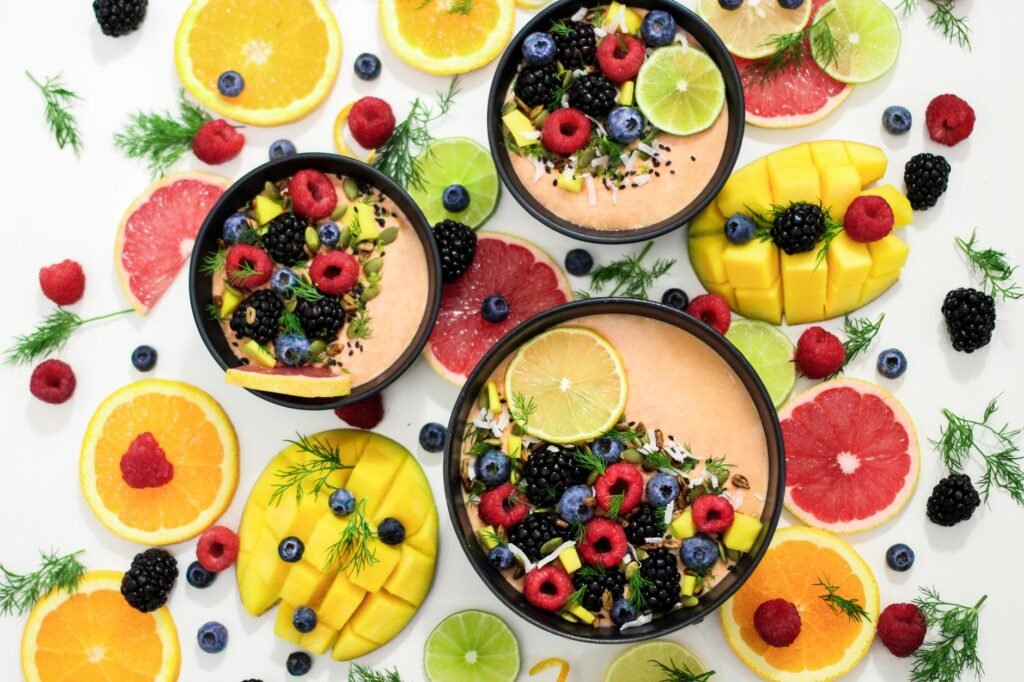
Table of Contents
Key Takeaways
- Prebiotic foods feed beneficial gut bacteria.
- Probiotic foods provide live beneficial microbes.
- High‑fiber fruits, vegetables, whole grains, and legumes boost diversity.
- Fermented foods add natural probiotics and improve digestion.
When you type “What foods are good for the gut microbiome?” into a search engine, you are looking for practical guidance on feeding the trillions of microbes that live in your digestive tract. A balanced gut microbiome helps with digestion, supports the immune system, and even influences mood. This guide explains the science in plain language and offers a menu of everyday foods that nurture those tiny allies.
Gut health is not a fad; it is a cornerstone of overall wellbeing. By choosing the right foods, you can promote a diverse and resilient microbial community without needing special supplements or expensive products. Below you will find evidence‑based recommendations that fit easily into a typical grocery list.
Remember, the information here is general. If you have specific health concerns, consult a qualified professional before making major dietary changes.
Why the Gut Microbiome Matters
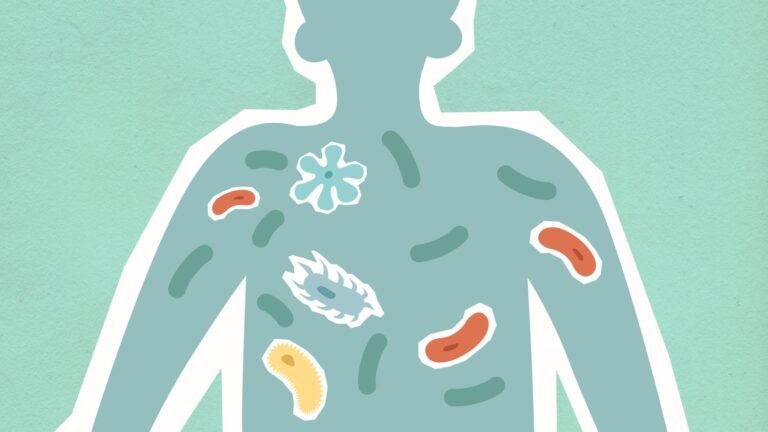
The gut microbiome consists of bacteria, fungi, and viruses that coexist in the intestines. These microbes break down complex carbohydrates, produce vitamins, and train the immune system to recognize harmful invaders. When the community is diverse and balanced, you are less likely to experience digestive upset, inflammation, or metabolic issues.
Research from reputable sources such as the NIH shows that a varied diet rich in fiber and fermented foods is linked to higher microbial diversity. Diversity is a key marker of gut health because it means many different species are present, each performing unique functions.
Conversely, a diet high in processed foods, added sugars, and low in fiber can reduce diversity and promote the growth of less beneficial microbes. Over time, this imbalance may contribute to conditions like irritable bowel syndrome, obesity, and even mood disorders.
Prebiotic Foods
What Are Prebiotics?
Prebiotics are non‑digestible fibers that act as food for beneficial bacteria. They pass through the stomach and small intestine unchanged, reaching the colon where microbes ferment them into short‑chain fatty acids. These acids help maintain the gut lining and reduce inflammation.
Top Prebiotic Foods
- Garlic
- Onions
- Leeks
- Asparagus
- Bananas (especially slightly green)
- Chicory root
- Jerusalem artichoke
Including at least one of these foods in daily meals can boost the growth of Bifidobacteria and Lactobacilli, two groups known for their health‑promoting properties.
For example, a simple stir‑fry with garlic, onions, and asparagus provides a flavorful prebiotic punch without extra calories.
Probiotic Foods
Live Cultures Explained
Probiotic foods contain live microorganisms that can survive passage through the stomach and colonize the gut, at least temporarily. These foods are often fermented, meaning natural bacteria convert sugars into acids, gases, or alcohol, which preserves the food and creates a hospitable environment for the microbes.
Common Probiotic Sources
- Yogurt with live‑active cultures
- Kefir
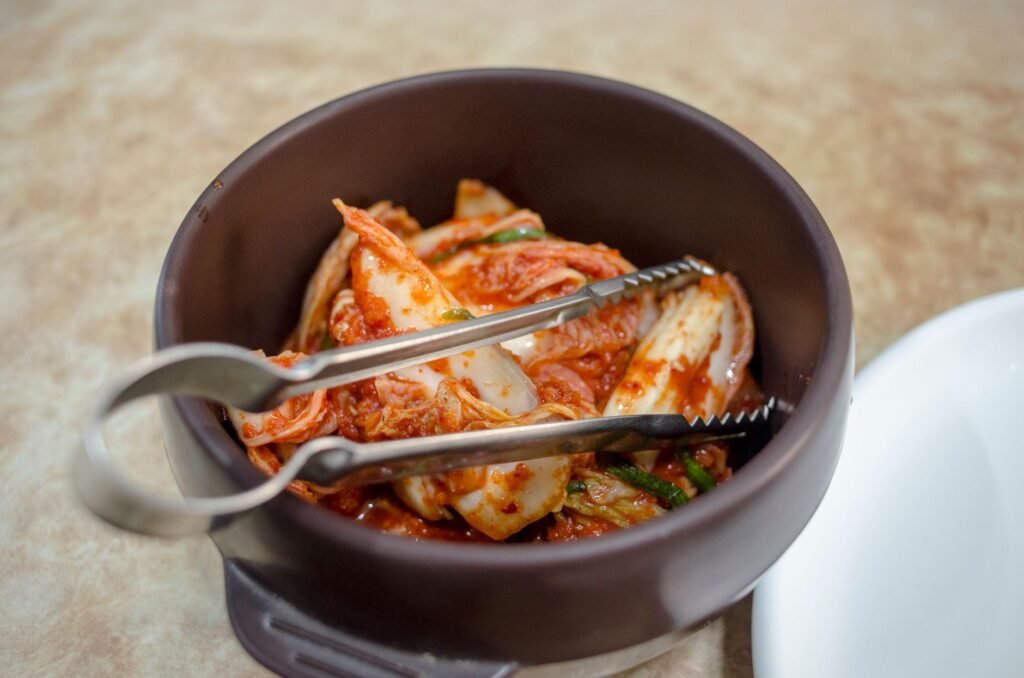
- Kimchi
- Sauerkraut (unpasteurized)
- Miso
- Tempeh
- Traditional buttermilk
Choosing products that list specific strains such as Lactobacillus acidophilus or Bifidobacterium bifidum ensures you are getting beneficial bacteria. Avoid products that have been heat‑treated after fermentation, as this can kill the live cultures.
Adding a small serving of probiotic food to breakfast or dinner is an easy way to keep the gut ecosystem vibrant.
Fiber‑Rich Vegetables and Fruits
Fiber is the cornerstone of gut health because it provides the substrate for microbial fermentation. Both soluble and insoluble fibers are important; soluble fiber forms a gel‑like substance that feeds bacteria, while insoluble fiber adds bulk and promotes regular bowel movements.
Here are some top choices:
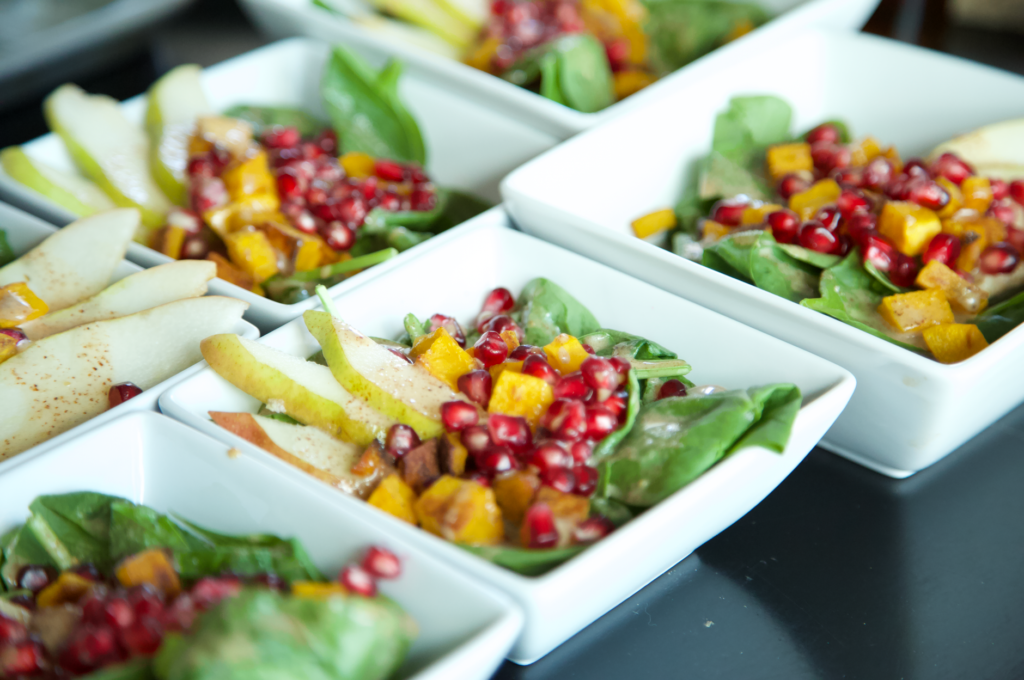
- Apples (with skin)
- Blueberries
- Broccoli
- Brussels sprouts
- Carrots
- Sweet potatoes
- Pears
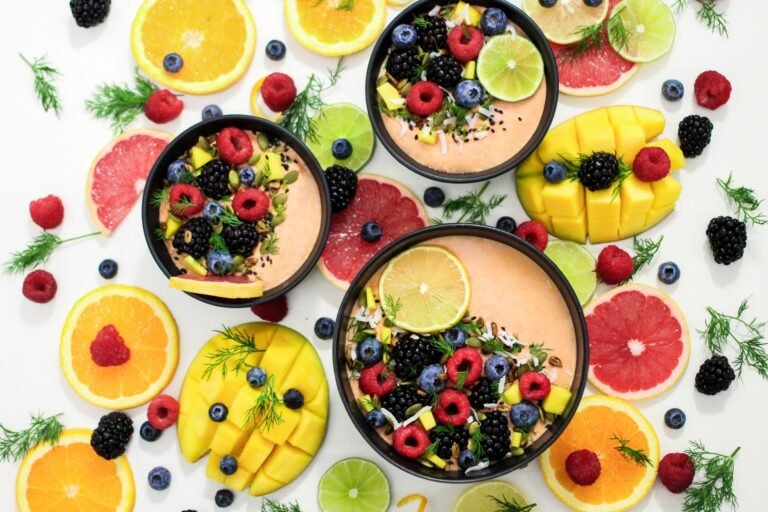
Aim for at least five servings of fruits and vegetables per day. Mixing colors not only makes meals more appealing but also introduces a variety of phytonutrients that further support microbial diversity.
Snacking on raw carrots or a fruit salad can be a convenient way to meet fiber goals without added sugars.
Whole Grains and Legumes
Whole grains and legumes are dense in both fiber and resistant starch, a type of carbohydrate that resists digestion in the small intestine and reaches the colon intact. Resistant starch is a powerful prebiotic that fuels beneficial bacteria.
Examples include:
- Oats
- Barley
- Quinoa
- Brown rice
- Lentils
- Chickpeas
- Black beans
Cooking methods can affect resistant starch content. For instance, cooling cooked rice or potatoes for several hours increases their resistant starch levels, a process known as retrogradation.
Incorporating a serving of beans or whole grains at lunch or dinner helps maintain steady fuel for gut microbes throughout the day.
| Food | Fiber (g per 100 g) |
|---|---|
| Chickpeas | 8.0 |
| Lentils | 7.9 |
| Oats | 10.6 |
| Apple (with skin) | 2.4 |
| Broccoli | 2.6 |
Fermented Foods
Fermented foods are a subset of probiotic foods but deserve special attention because the fermentation process also creates bioactive compounds like organic acids, B‑vitamins, and antioxidants. These compounds can lower gut pH, creating an environment that favors beneficial microbes and discourages harmful ones.
Popular fermented options include:
- Kimchi
- Sauerkraut
- Kombucha (unpasteurized)
- Miso soup
- Tempeh
- Traditional yogurt
When buying fermented products, read labels carefully. Look for “raw,” “unpasteurized,” or “contains live cultures.” Pasteurization destroys the beneficial bacteria.
Starting the day with a spoonful of sauerkraut or a glass of kombucha can be a refreshing habit that supports microbial balance.
Polyphenol‑Rich Foods
Polyphenols are plant compounds with antioxidant properties that also act as prebiotics. They are abundant in colorful fruits, vegetables, teas, and spices. When gut bacteria metabolize polyphenols, they produce metabolites that have anti‑inflammatory effects.
Key polyphenol sources include:
- Green tea
- Dark chocolate (70% cocoa or higher)
- Red grapes and berries
- Turmeric
- Olive oil
- Almonds
Including a modest amount of these foods each day adds variety to the microbial diet and may improve overall gut health.
For example, a cup of green tea after dinner or a square of dark chocolate as an afternoon treat are simple ways to reap polyphenol benefits.
Practical Tips for a Gut‑Friendly Plate
Putting the information into practice is easier when you think about meals as a composition of gut‑supporting elements. Aim for a balance of prebiotic fibers, probiotic foods, and polyphenol sources at each main meal.
Here is a quick template:
- Start with a vegetable base (e.g., mixed salad with broccoli, carrots, and onions).
- Add a protein source that also provides fiber, such as lentils or chickpeas.
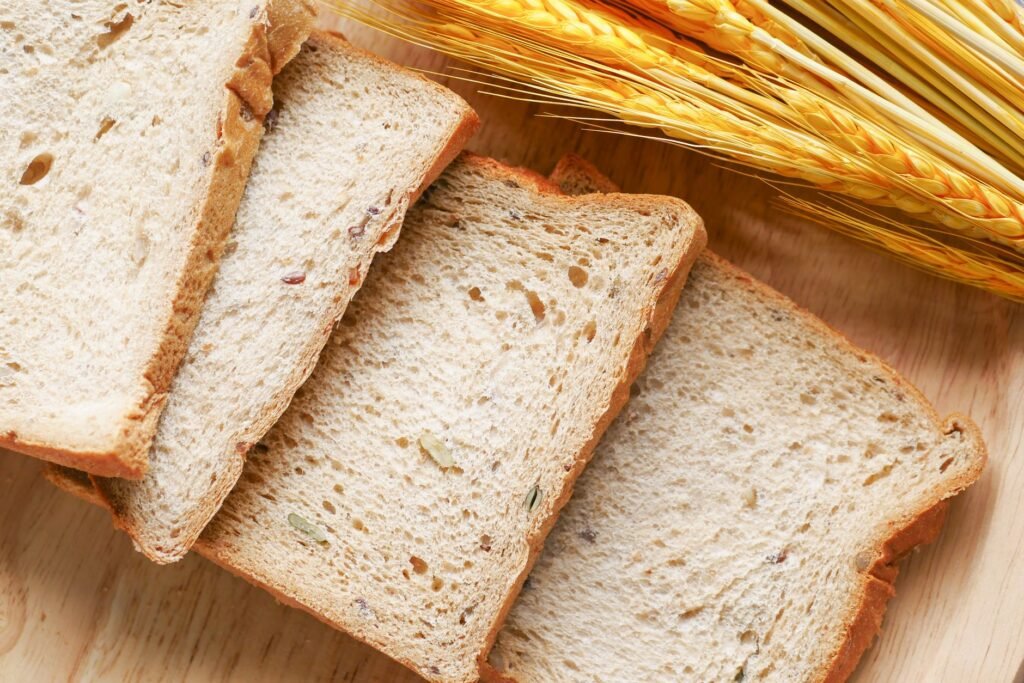
- Include a whole grain side, like quinoa or whole‑grain bread.
- Top with a probiotic element, yogurt dressing, kimchi, or a spoonful of kefir.
- Finish with a polyphenol boost, berries, a drizzle of olive oil, or a cup of green tea.
Staying hydrated also supports the gut. Water helps move fiber through the digestive tract, preventing constipation and allowing microbes to work efficiently.
Finally, be patient. Changes in the microbiome take time, and consistency is more important than occasional extremes.
Resistant Starch: A Hidden Prebiotic
What Is Resistant Starch?
Resistant starch (RS) is a type of carbohydrate that escapes digestion in the small intestine and reaches the colon where it is fermented by beneficial bacteria. This fermentation produces short‑chain fatty acids, especially butyrate, which nourishes colon cells and helps maintain a healthy gut barrier. Unlike regular starch, RS does not cause rapid spikes in blood glucose, making it a gentle fuel for both host and microbes. Research shows that regular consumption of RS can increase the abundance of Bifidobacterium and other fiber‑degrading taxa.
Cooking Techniques to Preserve It
Heat and cooling cycles can alter the RS content of foods. For example, cooking potatoes or rice and then refrigerating them creates retrograded starch, a form of RS that is highly fermentable. Reheating these foods gently (e.g., steaming) retains much of the resistant fraction, whereas prolonged high‑heat methods can degrade it. Pairing RS‑rich foods with a modest amount of healthy fat can also slow gastric emptying, giving microbes more time to act on the substrate.
- Cooked and cooled potatoes, rice, or pasta
- Green bananas and plantains
- Legumes such as lentils and chickpeas
- Whole‑grain barley and oats
Omega‑3 Fatty Acids and Microbial Balance
Anti‑Inflammatory Effects
Long‑chain omega‑3 fatty acids, particularly EPA and DHA, modulate inflammation by influencing gut‑associated immune cells. Lower inflammatory tone creates a more hospitable environment for commensal bacteria and discourages the overgrowth of pathobionts. Animal studies have linked higher omega‑3 intake to increased microbial diversity, especially enrichment of Akkermansia and Lactobacillus species that support mucosal health.
Food Sources
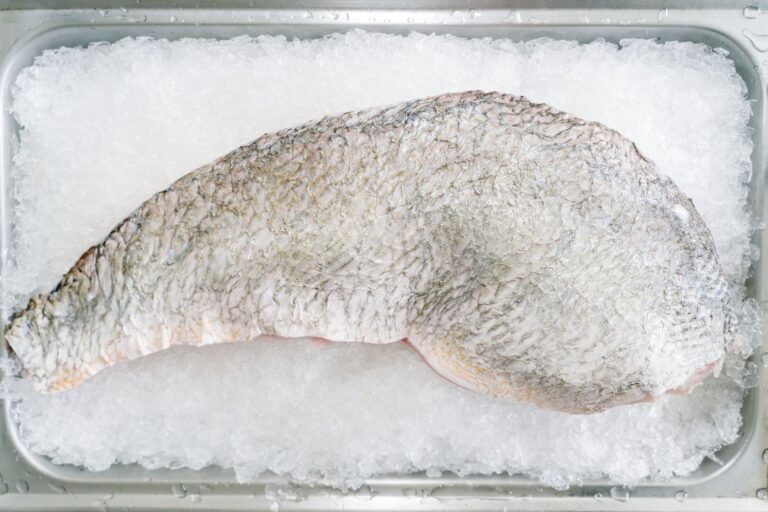
Incorporating omega‑3-rich foods into a regular diet provides both direct and indirect benefits for the microbiome. Fatty fish deliver pre‑formed EPA and DHA, while plant sources supply alpha‑linolenic acid (ALA), which the body can convert to the longer‑chain forms in limited amounts. Consistent intake, rather than occasional supplementation, appears to sustain the favorable microbial shifts.
- Wild‑caught salmon, mackerel, sardines
- Chia seeds, ground flaxseed, and hemp hearts
- Walnuts
- Algal oil supplements for vegetarians
Mindful Eating Practices to Support Microbial Diversity
Chewing Thoroughly
Mechanical breakdown of food begins the digestive process and increases surface area for enzymatic action. Thorough chewing also mixes food with saliva, which contains amylase that starts carbohydrate digestion before the food reaches the gut. This gradual breakdown allows resistant fibers and starches to reach the colon more intact, where they can be fermented by microbes.
Meal Timing and Regularity
The gut microbiome follows diurnal rhythms that are entrained by the host’s feeding schedule. Eating meals at consistent times helps synchronize microbial activity, leading to more predictable short‑chain fatty acid production. Skipping meals or erratic eating can disrupt these cycles, potentially reducing microbial stability and diversity.
- Set regular breakfast, lunch, and dinner times
- Avoid late‑night snacking beyond a 2‑hour window before sleep
- Include a brief chewing pause: aim for 20-30 chews per bite
- Stay hydrated throughout the day to support mucosal health
Frequently Asked Questions
Can I get enough prebiotics from a standard diet?
Yes. Most people can meet prebiotic needs by regularly eating vegetables like onions, garlic, leeks, and asparagus, along with fruits, whole grains, and legumes.
Do probiotic supplements work better than foods?
Whole foods provide a broader range of strains and accompanying nutrients that support bacterial survival. Supplements can be useful for specific clinical reasons, but for most readers, food‑based sources are sufficient.
How quickly will I notice changes in digestion?
Some people feel improvements within a few days, especially when they increase fiber intake. Full shifts in microbial composition may take several weeks of consistent eating patterns.
Are there any foods I should avoid for gut health?
Highly processed foods, excess added sugars, and artificial sweeteners have been linked to reduced microbial diversity. Limiting these items helps maintain a healthier gut environment.
The Bottom Line
Feeding your gut microbiome is about variety and balance. Incorporate prebiotic fibers from vegetables, fruits, whole grains, and legumes; add probiotic foods like yogurt, kefir, and fermented vegetables; and sprinkle in polyphenol‑rich items such as tea, berries, and dark chocolate. Consistent, diverse choices support a thriving microbial community, which in turn promotes digestion, immunity, and overall wellbeing.
Was this page helpful?
Thanks for your feedback! What could we improve?
Thank you! Your feedback helps us improve our articles.
True Impact Health articles are written by our editorial team and based on reliable sources such as public health agencies, clinical guidelines and peer-reviewed research. This article has not yet been medically reviewed. Read our editorial process.
This content is for general information and is not a substitute for professional medical advice, diagnosis or treatment.