










How to improve gut health naturally
Discover practical, evidence‑based ways to improve gut health naturally with diet, lifestyle tips, and simple habits for better digestion and immunity.

Table of Contents
Key Takeaways
- A diverse, fiber‑rich diet feeds beneficial gut bacteria.
- Regular sleep, movement, and stress reduction support gut balance.
- Probiotic foods and prebiotic fibers are natural allies for digestion.
- Consult a healthcare professional for persistent gut symptoms.
When you type “How to improve gut health naturally” into a search engine, you’re looking for simple, science‑backed steps you can take at home. The gut is more than just a food‑processing tube; it houses trillions of microbes that influence digestion, immunity, mood, and even skin health. This guide walks you through practical actions you can adopt without prescription medication.
Gut health is a moving target, shaped by what you eat, how you move, how you sleep, and how you manage stress. By understanding the basics and making small, consistent changes, you can nurture a thriving microbial community and feel the benefits in energy, comfort, and overall wellbeing.
Understanding the Gut Microbiome
What is the microbiome?
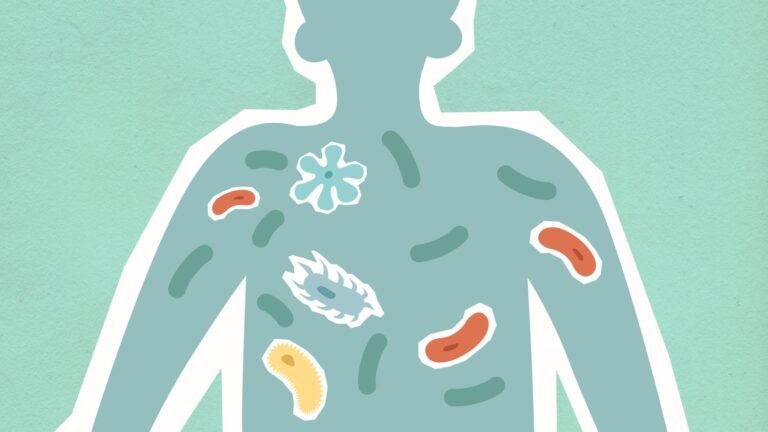
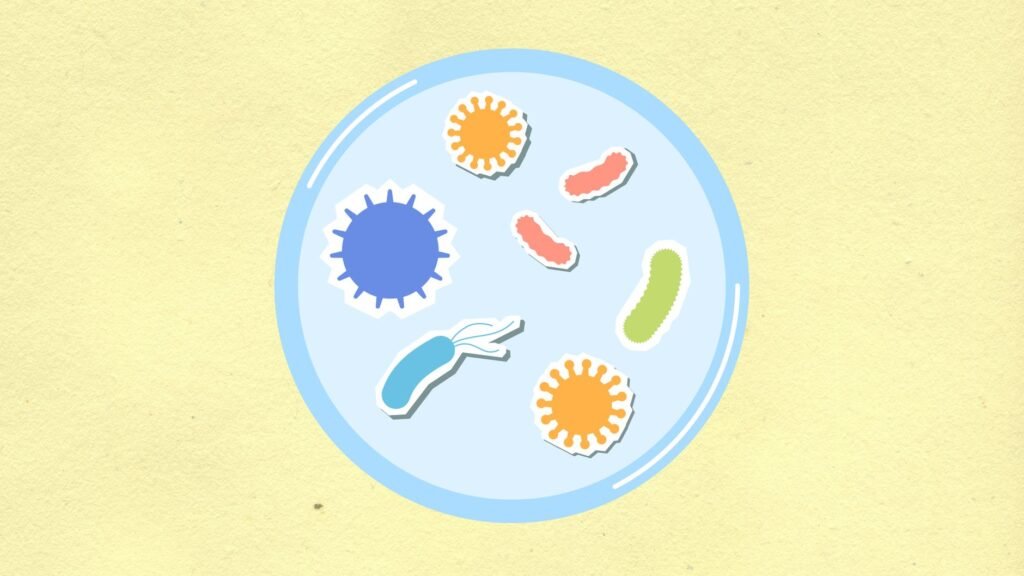
The gut microbiome refers to the collection of bacteria, viruses, fungi, and other microorganisms living in your intestines. These tiny residents help break down food, produce vitamins, and train the immune system. A healthy microbiome is diverse, meaning it contains many different species that work together.
How does it affect you?
Research from reputable sources such as the CDC shows that an imbalanced microbiome (dysbiosis) can contribute to bloating, irregular bowel movements, and even mood changes. The gut also communicates with the brain through the vagus nerve, a two‑way street that explains why “gut feelings” often feel real.
Key factors that shape it
Diet, antibiotics, stress, sleep, and physical activity all influence which microbes flourish. While some factors are beyond your control, many are modifiable with everyday choices.
Why Gut Health Matters
Digestive comfort
When the microbiome is balanced, food moves smoothly through the intestines, reducing gas, cramping, and irregularity. Fiber‑rich foods act as fuel for beneficial bacteria, turning otherwise indigestible plant material into short‑chain fatty acids that soothe the gut lining.
Immune support
About 70% of the immune system resides in the gut. Friendly microbes compete with harmful pathogens, preventing them from taking hold. A strong gut barrier also limits the passage of toxins into the bloodstream.
Overall wellbeing
Emerging evidence links gut health to mental health, skin condition, and even weight management. While the science continues to evolve, maintaining a healthy gut is a cornerstone of holistic health.
How to improve gut health naturally
Eat a diverse, fiber‑rich diet
Fiber is the primary food source for many beneficial bacteria. Aim for at least 25‑30 grams of fiber daily from a variety of plant foods. Below is a quick reference table.
| Food Group | Examples | Typical Fiber (g per serving) |
|---|---|---|
| Whole grains | Oats, quinoa, brown rice | 4‑5 |
| Legumes | Lentils, chickpeas, black beans | 6‑8 |
| Fruits | Apples, berries, pears | 3‑4 |
| Vegetables | Broccoli, carrots, leafy greens | 2‑3 |
| Nuts & seeds | Almonds, chia seeds, flaxseeds | 2‑3 |
Mixing colors on your plate ensures a range of prebiotic fibers that feed different bacterial strains.
Include fermented foods
Fermented foods contain live cultures that can temporarily boost microbial diversity. Options include yogurt with live‑active cultures, kefir, sauerkraut, kimchi, miso, and tempeh. Start with a small portion (a tablespoon or half cup) and increase gradually if you tolerate them well.
Limit processed sugars and artificial sweeteners
High sugar intake can promote the growth of harmful bacteria and yeast. Artificial sweeteners may also disrupt the microbiome, according to several studies. Choose whole fruit over sugary snacks and read labels to avoid hidden sugars.
Lifestyle Habits Beyond Food
Stay active
Regular moderate exercise, such as brisk walking, cycling, or swimming, has been shown to increase microbial diversity. Aim for at least 150 minutes of moderate activity each week. Even short, daily walks can make a difference.
Prioritize sleep
Sleep deprivation alters the gut’s circadian rhythm, which can lead to dysbiosis. Adults should target 7‑9 hours of uninterrupted sleep per night. Create a bedtime routine, keep the bedroom dark, and limit screen time before bed.
Manage stress
Chronic stress releases cortisol, a hormone that can change gut permeability and bacterial composition. Techniques such as deep breathing, meditation, yoga, or simply spending time outdoors can lower stress levels.
Probiotics and Prebiotics Explained
What are probiotics?
Probiotics are live microorganisms that, when consumed in adequate amounts, confer a health benefit. They are found in supplements and fermented foods. Not all strains are the same; Lactobacillus and Bifidobacterium are the most studied for gut health.
What are prebiotics?
Prebiotics are non‑digestible fibers that serve as food for beneficial bacteria. Common prebiotic foods include garlic, onions, leeks, asparagus, bananas, and chicory root. Including both prebiotics and probiotics, called synbiotics, can enhance the colonisation of good microbes.
Choosing a supplement
If you consider a probiotic supplement, look for products that list the specific strains and CFU (colony‑forming units) on the label. It is wise to discuss any supplement with a healthcare professional, especially if you have an underlying condition.
Stress Management and Gut Health
Mind‑body connection
The gut contains its own nervous system, the enteric nervous system, which talks directly to the brain. Stress can cause the gut to speed up or slow down, leading to diarrhea or constipation.
Practical techniques
- Practice 4‑7‑8 breathing: inhale for 4 seconds, hold for 7, exhale for 8.
- Spend 10 minutes a day in mindfulness meditation.
- Engage in a hobby that relaxes you, such as gardening or reading.
Physical activity for stress relief
Exercise releases endorphins, natural mood‑boosters that also support gut motility. Even a short yoga session can activate the parasympathetic nervous system, promoting digestion.
When to Seek Professional Help
Red‑flag symptoms
If you experience persistent abdominal pain, unexplained weight loss, blood in stool, or severe changes in bowel habits, contact a doctor promptly. These signs may indicate an underlying condition that requires medical evaluation.
Diagnostic tools
Healthcare providers may recommend stool tests, breath tests for bacterial overgrowth, or imaging studies to assess gut health. They can also guide you on whether a targeted probiotic or prescription medication is appropriate.
Personalised advice
Because each person’s microbiome is unique, a registered dietitian or gastroenterologist can tailor dietary and lifestyle recommendations to your specific needs.
Optimizing Digestive Enzyme Function
Understanding Enzyme Roles
Digestive enzymes break down macronutrients into absorbable units, allowing the gut lining to access sugars, amino acids, and fatty acids. Without sufficient enzyme activity, food remains partially undigested, creating a substrate for bacterial overgrowth. Enzyme deficiencies can arise from age, chronic stress, or certain medical conditions, and they often manifest as bloating, gas, or irregular stool patterns. Supporting natural enzyme production therefore helps maintain a balanced microbial environment.
Key enzymes include amylase for carbohydrates, protease for proteins, and lipase for fats. Each enzyme works best at a specific pH, which is regulated by gastric acid and bicarbonate secretions. When pH is altered, enzyme efficiency drops, and undigested particles can trigger inflammation. Monitoring symptoms and, when appropriate, testing enzyme activity can guide targeted dietary adjustments.
Food Sources that Support Enzyme Production
Whole, unprocessed foods supply the cofactors needed for the pancreas and small intestine to synthesize enzymes. Pineapple and papaya contain bromelain and papain, enzymes that aid protein breakdown directly in the gut. Fermented foods such as kefir, sauerkraut, and kimchi provide live microbes that also produce a range of digestive enzymes.
In addition, zinc, magnesium, and B‑vitamins are essential micronutrients for enzyme synthesis. Good dietary sources include pumpkin seeds (zinc), leafy greens (magnesium), and whole grains (B‑vitamins). Including a variety of these foods at each meal can help the body maintain optimal enzyme output without reliance on supplemental pills.
- Consume fresh pineapple or papaya a few times weekly for natural proteases.
- Add a serving of fermented vegetables to lunch or dinner for microbial enzyme contributions.
- Ensure daily intake of zinc‑rich foods like pumpkin seeds and oysters.

Fiber Diversity and Its Specific Benefits
Soluble vs Insoluble Fiber
Soluble fiber dissolves in water to form a gel‑like substance that slows glucose absorption and feeds beneficial bacteria. Sources such as oats, beans, and apples are rich in beta‑glucan and pectin, which promote short‑chain fatty acid production, a key anti‑inflammatory signal for the colon. Insoluble fiber, found in wheat bran, nuts, and many vegetables, adds bulk to stool and speeds transit time, reducing the risk of constipation.
Both types are needed for a resilient gut ecosystem. A diet overly reliant on one fiber form can lead to imbalanced fermentation patterns, sometimes causing excess gas or stool irregularities. Rotating fiber sources throughout the week helps maintain microbial diversity and prevents adaptation that can blunt the benefits of any single fiber type.
Incorporating a Variety of Fiber‑Rich Foods
Planning meals with a “rainbow” of plant foods naturally introduces multiple fiber structures. For example, a breakfast bowl of rolled oats topped with berries, chia seeds, and a handful of walnuts supplies soluble and insoluble fibers plus healthy fats. Lunch could feature a lentil salad with chopped carrots, bell peppers, and a sprinkle of pumpkin seeds, delivering both soluble pectin and insoluble cellulose.
Dinner might include a stir‑fry of broccoli, bok choy, and quinoa, offering resistant starch that reaches the colon largely untouched. Snacks such as raw apple slices with almond butter or a small serving of popcorn provide additional fiber without excessive calories. Consistently meeting the recommended 25‑30 grams of fiber per day is easier when the diet is varied and colorful.
- Breakfast: Oats + berries + chia seeds.
- Lunch: Lentil salad with mixed vegetables.
- Dinner: Broccoli‑bok choy stir‑fry with quinoa.
- Snack: Apple slices with almond butter or popcorn.
Sleep Quality as a Pillar of Gut Health
Circadian Rhythm and Microbial Balance
The gut microbiome follows a daily rhythm that aligns with the host’s sleep‑wake cycle. Research shows that disruptions to sleep, such as shift work or chronic insomnia, can alter the composition of bacterial populations, favoring species linked to inflammation. These changes may increase intestinal permeability, allowing bacterial fragments to enter circulation and provoke systemic immune responses.
Conversely, a regular sleep pattern supports the timed release of hormones like melatonin, which influences gut motility and barrier function. Maintaining consistent bedtime and wake‑time cues helps synchronize microbial activity, reducing the likelihood of dysbiosis‑related symptoms such as abdominal discomfort or irregular bowel movements.
Practical Strategies for Better Sleep
Establish a wind‑down routine that limits exposure to bright screens at least one hour before bed; blue light can suppress melatonin production. Consuming a light snack that combines protein and complex carbohydrate, such as a small banana with a spoonful of nut butter, may stabilize blood sugar and prevent nighttime awakenings.
Keeping the bedroom cool, dark, and quiet creates an environment conducive to deep, restorative sleep. Regular physical activity, performed earlier in the day, also improves sleep efficiency, but vigorous exercise close to bedtime can be counterproductive. Finally, mindful practices like gentle stretching or breathing exercises can lower cortisol levels, a hormone that interferes with sleep onset.
- Turn off screens 60 minutes before bedtime.
- Maintain a consistent sleep‑wake schedule, even on weekends.
- Use a cool, dark room and consider a white‑noise machine.
- Include a light protein‑carb snack if you tend to wake hungry.
Frequently Asked Questions
Can I fix gut problems with diet alone?
For many mild issues, dietary changes such as increasing fiber, adding fermented foods, and reducing sugar can make a noticeable difference. However, persistent or severe symptoms should be evaluated by a professional.
How long does it take to see improvement?
Changes in gut microbiota can begin within a few days of altering your diet, but noticeable symptom relief often takes 2‑4 weeks of consistent habits.
Are probiotic supplements necessary?
Supplements can be helpful for specific situations, like after a course of antibiotics. For most people, a diet rich in natural probiotic foods provides sufficient support.
Is there a perfect gut‑friendly diet?
No single diet fits everyone. The key is variety, fiber, and minimally processed foods, combined with lifestyle habits that reduce stress and promote regular sleep.
The Bottom Line
Improving gut health naturally hinges on a balanced diet rich in fiber and fermented foods, regular movement, adequate sleep, and stress‑reduction practices. Small, consistent steps can foster a diverse microbiome, enhance digestion, and boost overall wellbeing. When symptoms persist, seek professional guidance to ensure you receive personalized care.
Was this page helpful?
Thanks for your feedback! What could we improve?
Thank you! Your feedback helps us improve our articles.
True Impact Health articles are written by our editorial team and based on reliable sources such as public health agencies, clinical guidelines and peer-reviewed research. This article has not yet been medically reviewed. Read our editorial process.
This content is for general information and is not a substitute for professional medical advice, diagnosis or treatment.