










What damages the gut microbiome?
Discover the main factors that damage the gut microbiome, from antibiotics to stress, and learn practical steps to protect your gut health.
Table of Contents
Key Takeaways
- Antibiotics, poor diet, and chronic stress are top culprits for gut imbalance.
- High‑sugar, low‑fiber foods feed harmful bacteria and starve beneficial microbes.
- Lifestyle choices like alcohol, smoking, and lack of sleep further disrupt gut diversity.
- Protect your microbiome with fiber‑rich foods, stress management, and mindful medication use.
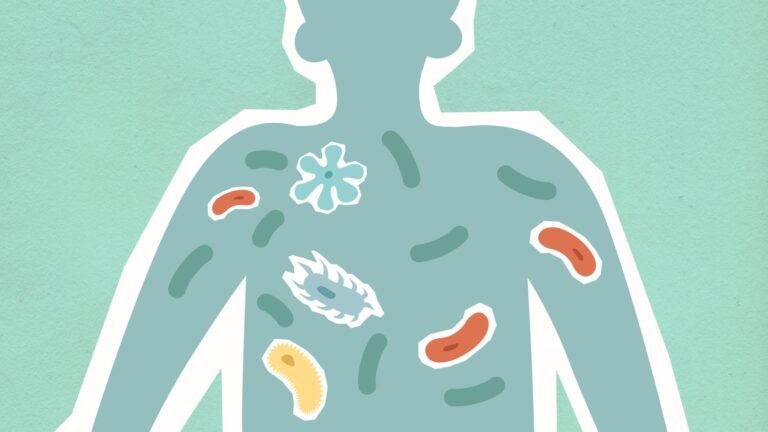
When you type “What damages the gut microbiome?” into a search engine, you are looking for clear answers about the everyday habits and medical interventions that can upset the delicate balance of bacteria in your digestive tract. The gut microbiome is a community of trillions of microorganisms that help digest food, train the immune system, and even influence mood. Understanding what harms this ecosystem is the first step toward protecting it.
In this guide we will explore the most common culprits, ranging from prescription drugs to lifestyle stressors, and give you practical, evidence‑based tips to keep your gut thriving. The information is based on guidance from reputable health organisations such as the MedlinePlus website. Remember, this article is for general education only; always consult a qualified health professional for personal advice.
By the end of the article you will know which daily choices to modify, what warning signs to watch for, and how to support a resilient microbiome through diet, sleep, and stress management.
Antibiotics and Their Impact
How antibiotics work
Antibiotics are designed to kill bacteria that cause infections. Unfortunately, they cannot distinguish between harmful pathogens and the beneficial microbes that live in your intestines. When a broad‑spectrum antibiotic is taken, up to 30% of the gut bacterial population can be reduced within a few days.
Research shows that repeated or unnecessary courses of antibiotics may lead to a lasting loss of diversity. Some species take months, even years, to recover, and during that time opportunistic organisms such as Clostridioides difficile can overgrow, causing severe diarrhea.
To protect your microbiome, only use antibiotics when prescribed by a doctor, complete the full course, and discuss probiotic supplementation if appropriate.
Poor Diet Choices
High‑sugar and low‑fiber diets
Modern diets high in refined sugars, processed foods, and low in dietary fiber provide fuel for harmful bacteria while starving the beneficial ones. Sugar feeds fast‑growing, potentially inflammatory microbes, whereas fiber serves as a prebiotic, the food source for health‑promoting bacteria.
Key dietary patterns that damage the gut include:
- Excessive consumption of sugary drinks and desserts.
- Frequent intake of ultra‑processed snacks that contain additives and emulsifiers.
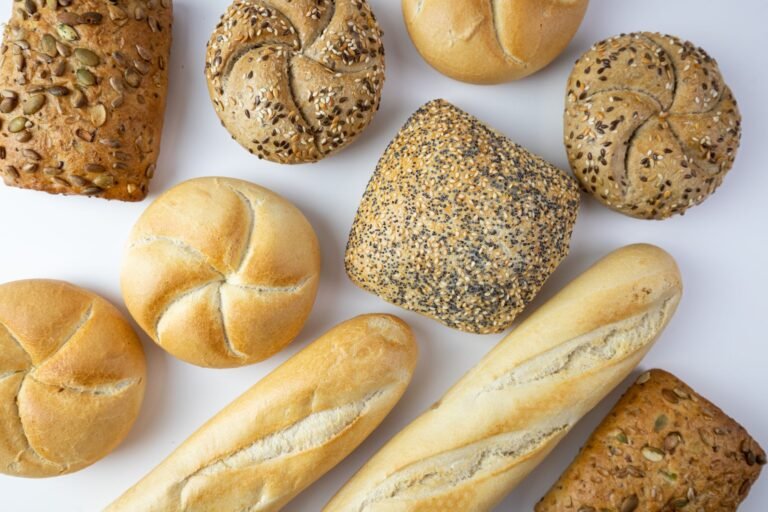
- Low intake of whole grains, legumes, fruits, and vegetables.
Switching to a fiber‑rich diet can help restore balance within weeks. Aim for at least 25-30 grams of fiber per day from a variety of plant sources.
Below is a quick reference table that summarises common gut‑damaging dietary factors.
| Factor | Typical Sources | Potential Effect |
|---|---|---|
| Added sugars | Soda, candy, pastries | Feeds harmful bacteria, reduces diversity |
| Artificial sweeteners | Diet drinks, sugar‑free gum | May alter bacterial metabolism |
| Low fiber | White bread, fast food | Starves beneficial microbes |
| Excessive red meat | Processed meats, large steak portions | Promotes bile‑acid‑producing bacteria linked to inflammation |
Stress and Sleep Deprivation
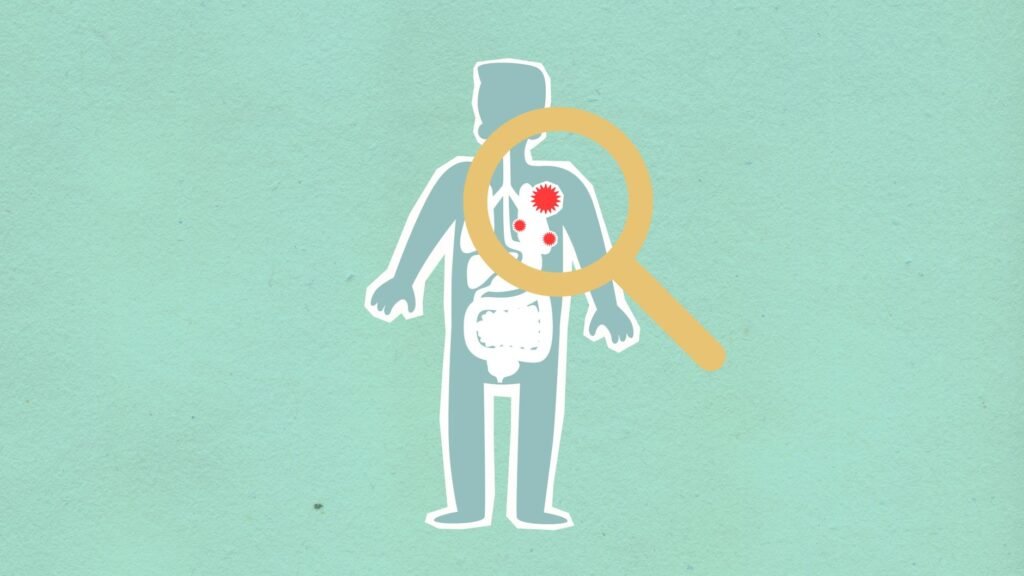
Chronic psychological stress triggers the release of cortisol, a hormone that can change gut motility and increase intestinal permeability, sometimes called “leaky gut.” When the gut lining becomes more permeable, bacterial fragments can cross into the bloodstream, prompting inflammation.
Sleep deprivation has a similar effect. Studies indicate that less than six hours of sleep per night reduces the abundance of beneficial bacteria such as Lactobacillus and Bifidobacterium, while increasing potentially harmful species.
Managing stress through mindfulness, regular physical activity, and adequate sleep (7‑9 hours for most adults) supports a healthier microbial community.
Alcohol and Smoking
Both alcohol and tobacco introduce toxins that directly damage the gut lining and alter microbial composition. Heavy alcohol consumption reduces the number of short‑chain fatty‑producing bacteria, which are essential for colon health.
Smoking introduces nicotine and other chemicals that promote the growth of pro‑inflammatory bacteria while decreasing beneficial strains. Even occasional binge drinking can cause temporary dysbiosis, and regular smoking compounds the effect.
If you drink, consider limiting intake to moderate levels (up to one drink per day for women, two for men) and aim to quit smoking with professional support.
Environmental Toxins
Exposure to pesticides, heavy metals (like lead and mercury), and industrial chemicals can reach the gut through food and water. These substances may inhibit the growth of beneficial microbes or select for resistant, potentially pathogenic strains.
Choosing organic produce when possible, filtering tap water, and reducing consumption of highly processed foods can lower your exposure.
While it is impossible to avoid all environmental toxins, awareness and simple dietary choices can mitigate their impact on your microbiome.
Medical Procedures and Medications
Beyond antibiotics, several other medications can disturb gut bacteria. Proton pump inhibitors (PPIs) used for acid reflux increase stomach pH, allowing oral bacteria to survive and colonise the intestine.
Non‑steroidal anti‑inflammatory drugs (NSAIDs) can cause gut inflammation, which indirectly affects microbial balance. Even certain antidepressants have been shown to alter bacterial diversity.
If you are prescribed these medications, discuss with your doctor whether probiotic or dietary strategies might help maintain a healthy gut.
Age and Hormonal Changes
As we age, the diversity of our gut microbiome naturally declines. Hormonal fluctuations, such as those occurring during menopause, can also shift bacterial populations, sometimes leading to increased gastrointestinal symptoms.
Older adults can support their microbiome by focusing on fiber‑rich foods, staying hydrated, and, when appropriate, using targeted probiotic supplements under medical guidance.
Regular health check‑ups that include discussions about diet and gut health become increasingly important with age.
Over‑sanitization and the Hygiene Paradox
Household disinfectants and microbial diversity
Frequent use of broad‑spectrum disinfectants on surfaces can reduce exposure to harmless environmental microbes that normally help train the immune system. When these organisms are removed, the gut microbiome may lose beneficial signals that support a balanced bacterial community. Studies in animal models show that overly sterile home environments are linked to lower microbial richness in the gut, which can predispose individuals to allergic and autoimmune conditions.
Excessive hand sanitizer use
Alcohol‑based hand sanitizers are valuable for preventing pathogen transmission, but routine use throughout the day can also diminish skin‑associated microbes that contribute to oral and gastrointestinal colonisation. The loss of these transient microbes reduces the pool of microbial metabolites that reach the gut via swallowing. Moderating sanitizer use to moments of high risk, such as after public travel, helps preserve a healthier microbial exchange.
- Reserve disinfectant sprays for high‑traffic areas like kitchens and bathrooms.
- Choose cleaning products with limited antimicrobial spectra (e.g., vinegar or mild soap) for everyday wiping.
- Wash hands with plain soap and water when possible instead of reaching for sanitizer.

Artificial Sweeteners and Microbial Balance
Mechanisms of disruption
Non‑nutritive sweeteners such as sucralose, saccharin, and aspartame are not metabolised by human enzymes, but gut bacteria can interact with them. Certain sweeteners act as substrates that selectively promote the growth of sugar‑fermenting species while inhibiting beneficial fiber‑degrading microbes. This shift can reduce short‑chain fatty acid production, a key factor in maintaining intestinal barrier integrity.
Common sweeteners studied
Human trials have observed modest changes in microbial composition after daily consumption of saccharin or sucralose for several weeks. The alterations are often characterised by a decrease in Bifidobacterium and an increase in opportunistic taxa such as Enterobacteriaceae. Although the clinical significance varies among individuals, the evidence suggests caution for those relying heavily on diet drinks or sugar‑free products.
- Limit intake of diet sodas and artificially sweetened tabletop packets.
- Prefer natural sweeteners like stevia or monk fruit, which have fewer reported microbial effects.
- Use whole fruit to satisfy sweet cravings while providing fiber for the microbiome.
Persistent Infections and Inflammatory States
Helicobacter pylori and the gastric microbiome
Chronic infection with Helicobacter pylori alters the stomach’s acidic environment, which in turn affects downstream gut microbial communities. The bacterium’s urease activity raises gastric pH, allowing oral microbes to survive transit and colonise the intestine. Over time, this can lead to reduced diversity and an overrepresentation of pro‑inflammatory species, contributing to dyspepsia and increased risk of gastric pathology.
Chronic viral infections and systemic inflammation
Long‑standing viral infections such as cytomegalovirus (CMV) or human immunodeficiency virus (HIV) generate persistent immune activation that reshapes the gut ecosystem. Elevated cytokine levels can impair the mucosal barrier, permitting bacterial products to leak into circulation and further destabilise microbial balance. Antiretroviral therapy and targeted antiviral treatment have been shown to partially restore microbial diversity, highlighting the link between viral control and gut health.
- Screen for H. pylori if you experience chronic indigestion and discuss eradication therapy with a clinician.
- Maintain adherence to antiviral regimens to reduce systemic inflammation.
- Incorporate anti‑inflammatory foods such as omega‑3‑rich fish, turmeric, and leafy greens to support microbial recovery.
Frequently Asked Questions
Can I restore my gut microbiome after taking antibiotics?
Yes, most people see gradual recovery within weeks to months by eating a high‑fiber diet, staying hydrated, and possibly adding a probiotic that contains multiple strains. Patience is key, as some species take longer to rebound.
Is a probiotic supplement necessary for everyone?
Probiotics can be helpful for specific conditions, such as after a course of antibiotics or for irritable bowel syndrome, but they are not required for every healthy adult. Focus first on whole‑food sources of prebiotics like garlic, onions, and bananas.
How much fiber should I aim for each day?
The general recommendation is 25 grams for women and 30 grams for men per day. Include a mix of soluble (oats, apples) and insoluble (whole grains, nuts) fibers to feed a broad range of bacteria.
Do artificial sweeteners harm the gut?
Emerging research suggests that some artificial sweeteners may alter bacterial metabolism and reduce diversity, especially when consumed in large amounts. If you notice digestive changes after using them, consider cutting back.
The Bottom Line
Multiple factors, including antibiotics, a low‑fiber diet, chronic stress, alcohol, smoking, environmental toxins, certain medications, and age‑related changes, can damage the gut microbiome. By making informed choices, eating diverse, fiber‑rich foods, managing stress, limiting harmful substances, and using medications responsibly, you can protect and nurture the microbial community that supports overall health.
Was this page helpful?
Thanks for your feedback! What could we improve?
Thank you! Your feedback helps us improve our articles.
True Impact Health articles are written by our editorial team and based on reliable sources such as public health agencies, clinical guidelines and peer-reviewed research. This article has not yet been medically reviewed. Read our editorial process.
This content is for general information and is not a substitute for professional medical advice, diagnosis or treatment.