










How long does it take to improve gut health?
Discover how long it takes to improve gut health, the steps that speed recovery, and realistic timelines for lasting digestive wellness.

Table of Contents
Key Takeaways
- Gut health can begin to improve within days of dietary changes
- Consistent fiber, probiotic, and lifestyle habits support medium‑term gains
- Long‑term maintenance requires a balanced diet and stress management
- Track symptoms and seek professional advice if problems persist
When you ask “How long does it take to improve gut health?” you are looking for a realistic timeline and practical steps to feel better. The gut is a complex ecosystem, and the speed of change depends on many personal factors. This guide breaks down what science says, what you can do today, and what to expect over days, weeks, and months.
Gut health influences digestion, immunity, mood, and even skin condition. By understanding the mechanisms and setting achievable goals, you can support a healthier microbiome without resorting to fads.
Understanding Gut Health
What is the gut microbiome?
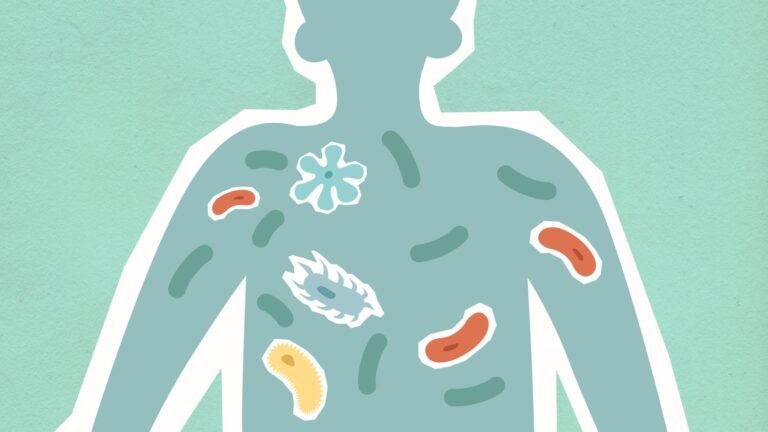
The gut microbiome is the community of trillions of bacteria, viruses, and fungi that live in your digestive tract. These microbes help break down food, produce vitamins, and train the immune system. A balanced microbiome supports regular bowel movements and reduces inflammation.
Scientists estimate that the gut contains more microbial cells than human cells in the body. When the balance shifts toward harmful species, symptoms such as bloating, irregular stool, and fatigue can appear.
For a reliable overview, you can read more at MedlinePlus, a trusted health resource.
Factors That Influence Gut Health
Dietary choices
Fiber‑rich foods, such as vegetables, fruits, legumes, and whole grains, feed beneficial bacteria. Processed foods high in sugar and unhealthy fats can promote growth of less friendly microbes.
Stress and sleep
Chronic stress releases cortisol, which can alter gut motility and microbial composition. Poor sleep also disrupts the circadian rhythm that regulates gut function.
Medications
Antibiotics, acid reducers, and some pain relievers can unintentionally kill good bacteria. Always discuss medication effects with a healthcare professional.
Typical Timeline for Changes
Short‑term (days to weeks)
Within a few days of adding more fiber or starting a probiotic, many people notice reduced gas and softer stools. This early response reflects rapid shifts in bacterial activity.
Medium‑term (weeks to months)
After 2‑8 weeks of consistent dietary changes, the composition of the microbiome begins to remodel. You may experience steadier digestion, less abdominal discomfort, and improved energy levels.
Long‑term (months to years)
Maintaining a gut‑friendly lifestyle for six months or longer can lead to lasting diversity of beneficial microbes. Long‑term benefits include stronger immunity, better weight management, and lower risk of chronic gut disorders.
| Time Frame | Typical Changes |
|---|---|
| 1‑3 days | Reduced bloating, softer stool |
| 2‑8 weeks | Improved regularity, increased energy |
| 3‑6 months | Greater microbial diversity, stronger immunity |
| 6+ months | Sustained digestive health, lower chronic risk |
Practical Steps to Speed Up Improvement
Food choices that feed good bacteria
- Eat a variety of colorful vegetables daily.
- Include legumes, nuts, and seeds for soluble fiber.
- Choose whole‑grain breads and pastas over refined versions.
- Limit sugary drinks and processed snacks.
Probiotics and prebiotics
Probiotic foods contain live beneficial microbes. Yogurt, kefir, sauerkraut, kimchi, and tempeh are good options. Prebiotic fibers, found in garlic, onions, bananas, and asparagus, nourish those microbes.
While supplements can help, whole foods provide a broader range of strains and nutrients.
Lifestyle habits
- Practice stress‑relief techniques such as deep breathing, yoga, or meditation.
- Aim for 7‑9 hours of quality sleep each night.
- Stay hydrated; water supports the mucosal lining of the gut.
- Engage in regular moderate exercise, which has been shown to increase microbial diversity.
Monitoring Progress
Signs that your gut is improving
Positive indicators include regular bowel movements without straining, reduced gas, less abdominal pain, and a more stable mood. Some people also notice clearer skin and better sleep.
When to seek professional help
If symptoms persist beyond three months, worsen, or are accompanied by weight loss, blood in stool, or severe pain, consult a doctor. These could signal an underlying condition that needs targeted treatment.

Common Myths About Gut Healing
Myth 1: You need a strict cleanse
Extreme detox diets can strip away both good and bad bacteria, often causing more harm than benefit. A steady, balanced approach is safer.
Myth 2: Probiotics work instantly
While some people feel better quickly, most studies show that noticeable changes take several weeks of consistent intake.
Myth 3: Only dairy‑based probiotics are effective
Fermented vegetables, kombucha, and non‑dairy yogurts also contain diverse strains that support gut health.
Personalizing Your Gut‑Health Plan
Assessing Your Current Diet
Begin by recording everything you eat and drink for at least three days, including portion sizes and timing. This snapshot helps you identify patterns such as high intake of refined sugars, excessive alcohol, or low fiber consumption that may be disrupting microbial balance. Compare your diary against general nutrition guidelines to spot gaps in prebiotic sources like whole grains, legumes, and vegetables. Making these observations concrete gives you a realistic baseline from which to plan incremental changes.
When reviewing the diary, note any foods that consistently trigger digestive discomfort, such as bloating, gas, or irregular bowel movements. These reactions can signal sensitivities or intolerances that merit further exploration, possibly with a dietitian or health professional. By isolating problematic items, you can test elimination or substitution strategies without overhauling the entire diet at once.
Evaluating Lifestyle Factors
Beyond nutrition, sleep quality, stress levels, and physical activity each exert measurable influence on gut microbiota composition. Aim for seven to nine hours of uninterrupted sleep per night, as fragmented rest has been linked to reduced microbial diversity in several studies. Likewise, chronic stress can increase intestinal permeability, allowing harmful substances to cross the gut barrier and provoke inflammation.
Physical movement supports regular bowel transit and promotes the growth of beneficial bacteria that thrive on short‑chain fatty acids produced during exercise‑induced muscle metabolism. Incorporate at least 150 minutes of moderate aerobic activity each week, complemented by strength‑training sessions, to create a supportive environment for microbial health.
- Track sleep patterns with a simple journal or wearable device.
- Practice daily stress‑reduction techniques such as deep breathing or progressive muscle relaxation.
- Schedule regular walks, cycling, or swimming sessions to meet activity goals.

Targeted Nutritional Strategies
Prebiotic‑Rich Foods
Prebiotics are nondigestible fibers that serve as food for beneficial gut bacteria, encouraging their growth and activity. Foods high in inulin, fructooligosaccharides, and resistant starch include chicory root, Jerusalem artichoke, garlic, onions, leeks, asparagus, bananas, and cooled cooked potatoes. Incorporating a variety of these items each day ensures a steady supply of substrates for microbial fermentation, which produces short‑chain fatty acids that reinforce gut lining integrity.
Start by adding one prebiotic food to each main meal, for example, sautéed onions with breakfast eggs, a side of roasted garlic‑infused carrots at lunch, and a banana or a small serving of cooked lentils at dinner. Over time, you can increase portion sizes as tolerated, monitoring any changes in digestion or stool consistency.
- Chicory root coffee as a caffeine‑free morning beverage.
- Garlic‑infused hummus as a snack dip.
- Cold‑sprouted oat porridge topped with sliced banana.
Fermented Foods and Probiotics
Fermented foods contain live microorganisms that can temporarily augment the resident gut community. Traditional options include yogurt with active cultures, kefir, sauerkraut, kimchi, miso, tempeh, and kombucha. Choose products that list specific strains such as Lactobacillus acidophilus or Bifidobacterium bifidum, and avoid those with added sugars that may counteract benefits.
Integrating fermented foods does not replace a balanced diet but can provide a useful boost during periods of dietary transition or after a course of antibiotics. Aim for at least one serving per day, gradually increasing if you experience no adverse symptoms like excess gas or bloating.
- Greek yogurt with a drizzle of honey and a handful of berries.
- Homemade kimchi as a side dish for dinner.
- Kombucha (8‑oz serving) in the afternoon.
Supplement Considerations
When dietary sources are insufficient or specific health goals require targeted strains, high‑quality probiotic supplements may be appropriate. Look for products that guarantee colony‑forming units (CFU) through the expiration date and list strain identifiers on the label. Multi‑strain formulations often include Lactobacillus and Bifidobacterium species that have the most robust evidence for supporting digestive comfort.
Consult a healthcare professional before beginning any supplement, especially if you have underlying immune conditions or are taking medications that affect gut motility. In many cases, a short trial of 4‑6 weeks can reveal whether the supplement improves symptoms, after which you can decide to continue, adjust, or discontinue based on personal response.
- Check for third‑party testing seals such as USP or NSF.
- Store probiotics according to manufacturer instructions to maintain potency.
- Record any changes in bowel habits during the trial period.
Integrating Gut‑Friendly Practices Into Daily Life
Mindful Eating Techniques
Eating slowly and chewing thoroughly enhances mechanical breakdown of food, allowing enzymes to act more efficiently and reducing the burden on gut microbes. Aim to put down utensils between bites and savor each mouthful for at least 20-30 seconds. This practice also gives the brain time to register satiety signals, which can prevent overeating and the subsequent fermentation of excess nutrients.
Mindful eating encourages you to notice flavors, textures, and any physical sensations that arise during a meal. By staying present, you can identify foods that cause discomfort early, making it easier to modify your choices without feeling deprived.
- Set a timer for 20 minutes per meal.
- Take three deep breaths before each bite.
- Limit distractions such as phones or television while eating.
Stress Management for the Microbiome
Chronic psychological stress activates the hypothalamic‑pituitary‑adrenal axis, releasing cortisol that can alter gut motility and permeability. Simple, evidence‑based techniques such as daily meditation, yoga, or progressive muscle relaxation have been shown to lower cortisol levels and improve gut‑related outcomes.
Begin with short, manageable sessions, five minutes of guided breathing in the morning and a brief body‑scan before bedtime. Consistency is more important than duration; even brief practices performed daily can accumulate measurable benefits over weeks.
- Use a free meditation app for guided sessions.
- Attend a beginner‑friendly yoga class twice a week.
- Practice gratitude journaling to shift focus away from stressors.
Physical Activity and Gut Motility
Regular movement stimulates the enteric nervous system, promoting peristalsis and reducing transit time for waste. Aerobic activities such as brisk walking, jogging, or cycling are especially effective at enhancing bowel regularity. Strength training also contributes by supporting core muscles that aid in abdominal pressure regulation.
Aim for a mix of moderate‑intensity cardio and resistance exercises spread throughout the week. Even short bouts of activity, 10 minutes of walking after meals, can help synchronize the digestive clock and prevent constipation.
- Take a 10‑minute walk after lunch and dinner.
- Include a 20‑minute bodyweight circuit three times weekly.
- Stretch the abdomen gently after exercise to promote relaxation.
Frequently Asked Questions
Can I improve my gut health in a week?
Small changes, like adding fiber or a probiotic, can reduce bloating within a few days, but deeper microbial shifts usually need weeks.
Do I need to avoid all carbs?
No. Complex carbohydrates from whole grains, fruits, and vegetables are essential fuel for beneficial bacteria.
Are over‑the‑counter probiotics safe?
Most are safe for healthy adults, but quality varies. Choose products with multiple strains and clear labeling, and discuss use with a healthcare provider if you have a compromised immune system.
How often should I reset my diet?
Rather than periodic “reset” diets, aim for a consistently gut‑friendly eating pattern. Occasional indulgences are fine when balanced with nutrient‑dense foods.
The Bottom Line
Improving gut health is a gradual process that can start showing benefits in days, become noticeable in weeks, and solidify over months. By focusing on fiber‑rich foods, fermented products, stress reduction, and regular sleep, you create an environment where beneficial microbes thrive. Track your symptoms, stay patient, and seek professional advice if needed to ensure lasting digestive wellness.
Was this page helpful?
Thanks for your feedback! What could we improve?
Thank you! Your feedback helps us improve our articles.
True Impact Health articles are written by our editorial team and based on reliable sources such as public health agencies, clinical guidelines and peer-reviewed research. This article has not yet been medically reviewed. Read our editorial process.
This content is for general information and is not a substitute for professional medical advice, diagnosis or treatment.