












Can probiotics cause gas?
Can probiotics cause gas? Find out why some people feel bloated, how to reduce it, and which probiotic choices are gentlest on your gut.
Table of Contents
Key Takeaways
- Probiotics can cause temporary gas as your gut adjusts
- Not all strains are equally likely to produce gas
- Gradual dosing and diet tweaks can minimise discomfort
- If gas persists, consult a healthcare professional
When you first hear about the benefits of good bacteria, the question “Can probiotics cause gas?” often pops up. It’s a natural concern because many people associate bloating and flatulence with an upset stomach, not with a supplement that is supposed to help. In this guide we’ll explore why gas can happen, what the science says, and practical steps you can take to enjoy the benefits of probiotics without the unwanted fizz.
Probiotics are live microorganisms that, when taken in adequate amounts, can provide health benefits, especially for the digestive system. While they are generally safe for most adults, the way they interact with your existing gut flora can sometimes lead to temporary digestive changes, including gas. Understanding these changes helps you make informed choices and reduces anxiety about trying a new supplement.
What Are Probiotics?
Probiotics are often described as “good” bacteria because they help keep the balance of microorganisms in the gut. The most common groups belong to the genera Lactobacillus, Bifidobacterium, and Saccharomyces (a beneficial yeast). They can be found in fermented foods like yogurt, kefir, sauerkraut, and in capsule or powder form.
The idea behind probiotic supplementation is simple: add more helpful microbes to out‑compete harmful ones, support digestion, and even influence the immune system. Research from reputable bodies such as the MedlinePlus highlights that probiotics are most effective for specific conditions like antibiotic‑associated diarrhea, irritable bowel syndrome, and certain infections.
It’s important to note that not every probiotic product is the same. Strain specificity, colony‑forming unit (CFU) count, and formulation all affect how the supplement works in your body.
How Probiotics Work in the Gut
When you swallow a probiotic, the organisms travel through the acidic environment of the stomach and aim to reach the intestines alive. Once there, they can:
- Compete with harmful bacteria for nutrients and attachment sites.
- Produce short‑chain fatty acids that nourish colon cells.
- Modulate immune responses by interacting with gut‑associated lymphoid tissue.
These actions can improve digestion, enhance nutrient absorption, and support a balanced immune system. However, the introduction of new microbes can also temporarily shift the existing microbial ecosystem, which may lead to increased gas production.
Common Side Effects of Probiotics
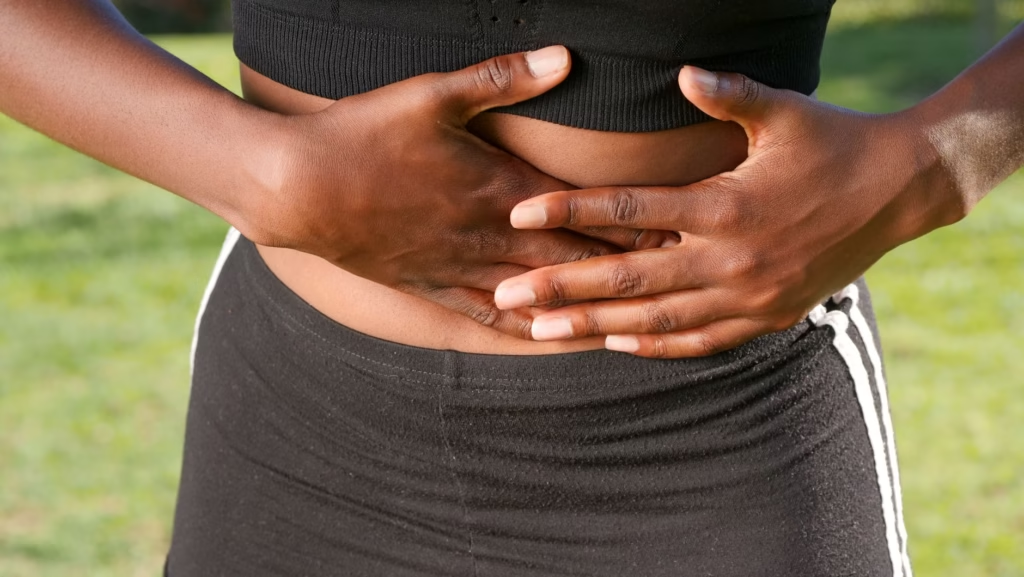
Most healthy adults experience little to no side effects when starting a probiotic. When side effects do occur, they are usually mild and short‑lived. The most frequently reported include:
- Gas and bloating.
- Soft stools or mild diarrhea.
- Minor abdominal cramping.
These symptoms typically resolve within a few days to two weeks as the gut microbiome stabilises. If symptoms persist beyond that window, it may indicate an unsuitable strain, dosage, or an underlying condition that needs professional evaluation.
Why Gas Can Happen With Probiotics
Gas is primarily composed of nitrogen, oxygen, carbon dioxide, hydrogen, and methane. In the colon, bacteria ferment undigested carbohydrates, producing these gases as by‑products. Introducing new probiotic strains can affect this process in several ways:
1. Fermentation of Residual Carbohydrates
Some probiotic strains, especially certain Lactobacillus species, are efficient at breaking down fibers and sugars that your own enzymes left behind. This extra fermentation can temporarily increase gas output.
2. Altered Balance of Gas‑Producing Bacteria
When beneficial bacteria multiply, they can suppress gas‑producing pathogens, but the transition period may involve a brief surge in gas as the ecosystem re‑equilibrates.
3. Individual Sensitivities
People with underlying conditions such as small intestinal bacterial overgrowth (SIBO) or irritable bowel syndrome (IBS) may be more sensitive to changes in bacterial activity, making them more likely to notice gas.
Overall, the gas is a sign that the probiotic is active, not that it is harmful. Nevertheless, comfort matters, so many users look for ways to minimise it.
Who Is Most Likely to Experience Gas?
While anyone can notice a bit of extra wind when starting a probiotic, certain groups are more prone:
- People new to fermented foods – Their gut flora may be less accustomed to high levels of live bacteria.
- Individuals with IBS or SIBO – Their intestines already have heightened sensitivity to fermentation.
- Those taking high‑dose formulations – Large CFU counts can intensify the initial microbial activity.
- People on low‑fiber diets – Without enough prebiotic fuel, probiotic bacteria may turn to other substrates, producing more gas.
Understanding your own digestive background helps you choose the right probiotic strategy.
Managing Gas While Taking Probiotics
If you find yourself feeling gassy after starting a probiotic, you don’t have to quit. Simple adjustments can ease the transition.
- Start low, go slow: Begin with half the recommended dose and increase gradually over a week.
- Pair with prebiotic foods: Foods like bananas, oats, and garlic feed beneficial bacteria, encouraging a smoother balance.
- Stay hydrated: Water helps move gas through the digestive tract.
- Mind your diet: Reduce intake of gas‑producing foods such as beans, cruciferous vegetables, and carbonated drinks while your gut adapts.
If gas remains uncomfortable after two weeks of gradual dosing, consider switching to a strain known for lower gas production, such as Bifidobacterium lactis, or consult a healthcare professional.

Choosing the Right Probiotic Product
Not all probiotic supplements are created equal. Here are key factors to evaluate when selecting a product that is less likely to cause excess gas:
| Factor | What to Look For |
|---|---|
| Strain specificity | Choose strains with clinical evidence for low gas, e.g., Bifidobacterium longum or Lactobacillus plantarum. |
| CFU count | Start with 1‑5 billion CFU; higher counts are not always better for gas‑sensitive individuals. |
| Delivery method | Enteric‑coated capsules protect bacteria from stomach acid, reducing sudden release in the gut. |
| Added prebiotics | Some products include inulin or fructooligosaccharides; these can increase gas for some people. |
Read the label carefully and, when possible, opt for products that list the exact strains and their CFU amounts. Transparency is a sign of quality.
When to Seek Professional Advice
Most gas from probiotics is harmless, but certain warning signs suggest you should talk to a doctor or registered dietitian:
- Severe abdominal pain that does not improve.
- Persistent diarrhea or constipation lasting more than two weeks.
- Unexplained weight loss or blood in the stool.
- Symptoms of an allergic reaction, such as rash or swelling.
These could indicate an underlying condition that needs targeted treatment rather than simple probiotic adjustment.
Interactions Between Probiotics and Medications
Antibiotics and Probiotic Timing
Antibiotics can reduce the diversity of gut bacteria, which is why many clinicians suggest taking a probiotic after a course of antibiotics. The timing matters because a probiotic taken simultaneously may be killed by the antibiotic, limiting its benefit. Waiting several hours after an antibiotic dose gives the probiotic a better chance to survive and colonize. Studies show that a gap of at least two hours can improve the survival of common Lactobacillus and Bifidobacterium strains.
When re‑introducing a probiotic after antibiotics, start with a low dose and increase gradually. This approach helps the gut adjust without producing excess gas from rapid bacterial fermentation. Monitoring symptoms for a few days can indicate whether the probiotic dose is appropriate.
Other Medications That Influence Gas Production
Some non‑antibiotic drugs, such as proton pump inhibitors (PPIs) and certain antidiarrheal agents, alter stomach acidity or intestinal motility. Reduced acidity can allow more bacteria to survive the upper gastrointestinal tract, potentially changing the composition of the probiotic population. Changes in motility may affect how quickly fermentable substrates reach the colon, influencing gas formation.
When taking PPIs, clinicians often recommend a probiotic that includes strains known to tolerate higher pH levels. Additionally, patients on opioid‑based pain relievers may experience slower transit, which can increase fermentation time and gas. Adjusting the probiotic strain selection or dose can mitigate these effects.
- Take probiotics at least two hours apart from antibiotics.
- Choose acid‑resistant strains if using proton pump inhibitors.
- Start with a low dose and titrate upward.

Impact of Diet on Probiotic‑Related Gas
Fermentable Carbohydrates and Prebiotic Synergy
Many probiotic supplements contain prebiotic fibers such as inulin or fructooligosaccharides to support bacterial growth. While these fibers can enhance probiotic efficacy, they are also fermentable substrates that produce short‑chain fatty acids and gas. Individuals who consume large amounts of fermentable carbohydrates may notice increased bloating when starting a probiotic.
Balancing prebiotic intake can help manage gas. Reducing high‑FODMAP foods for a short period while the probiotic establishes itself can lessen discomfort. After the gut adapts, reintroducing moderate amounts of prebiotic foods often improves tolerance.
Protein‑Rich and Fat‑Rich Meals
Meals high in protein or fat can slow gastric emptying, giving probiotic bacteria more time to ferment available carbohydrates. This delayed transit can increase gas production, especially when combined with a probiotic that contains vigorous fermenters like certain Lactobacillus strains.
Eating a balanced meal with a mix of complex carbohydrates, lean protein, and healthy fats can promote smoother digestion. Pairing the probiotic with a small amount of easily digestible carbohydrate, such as a piece of fruit, may reduce the sudden surge of fermentable material that triggers gas.
- Limit high‑FODMAP foods when first starting a probiotic.
- Introduce prebiotic fibers gradually.
- Consume balanced meals to avoid prolonged fermentation.
Research Gaps and Future Directions
Strain‑Specific Gas Profiles
Current evidence suggests that gas production varies by bacterial strain, but most commercial products do not label strain‑specific side effect profiles. More randomized trials are needed to compare gas outcomes among individual strains under standardized dietary conditions. Such data would enable clinicians to recommend low‑gas strains for sensitive patients.
Future studies could also explore the interaction between host genetics and probiotic metabolism. Understanding why some individuals experience pronounced gas while others do not could lead to personalized probiotic regimens.
Long‑Term Effects of Continuous Probiotic Use
Most research focuses on short‑term probiotic supplementation, typically up to eight weeks. The long‑term impact on gut gas dynamics, microbial resilience, and metabolic health remains unclear. Observational cohorts that track probiotic users over years would fill this knowledge gap.
In addition, investigating how continuous probiotic intake influences the native microbiome’s ability to process fermentable fibers could clarify whether gas symptoms diminish, persist, or worsen over time.
- Conduct strain‑specific randomized trials on gas production.
- Study genetic factors that affect individual responses.
- Track long‑term probiotic users for changes in gas and microbiome composition.
Frequently Asked Questions
Can I take probiotics every day without getting gas?
Many people use probiotics daily without issues, especially once their gut has adapted. Starting with a low dose and choosing low‑gas strains can minimise the risk.
Do fermented foods cause the same gas as probiotic supplements?
Fermented foods contain live cultures, so they can also produce gas, but the effect is often milder because the bacteria are already part of a food matrix that includes natural pre‑fibers.
Is it safe to combine multiple probiotic products?
Combining products can increase the total CFU count and strain diversity, which may heighten gas production. It’s best to stick with one well‑formulated supplement unless advised by a healthcare professional.
How long does probiotic‑induced gas typically last?
Most people notice a reduction in gas within 5‑10 days as the microbiome reaches a new equilibrium. If it persists beyond two weeks, reassess the product or dosage.
The Bottom Line
Probiotics can cause gas, especially when you first start taking them, but the symptom is usually temporary and manageable. By selecting the right strains, starting with a modest dose, and supporting your gut with a balanced diet, you can enjoy the digestive benefits without lingering discomfort. If gas continues or is accompanied by more serious symptoms, seek professional guidance.
Was this page helpful?
Thanks for your feedback! What could we improve?
Thank you! Your feedback helps us improve our articles.
True Impact Health articles are written by our editorial team and based on reliable sources such as public health agencies, clinical guidelines and peer-reviewed research. This article has not yet been medically reviewed. Read our editorial process.
This content is for general information and is not a substitute for professional medical advice, diagnosis or treatment.