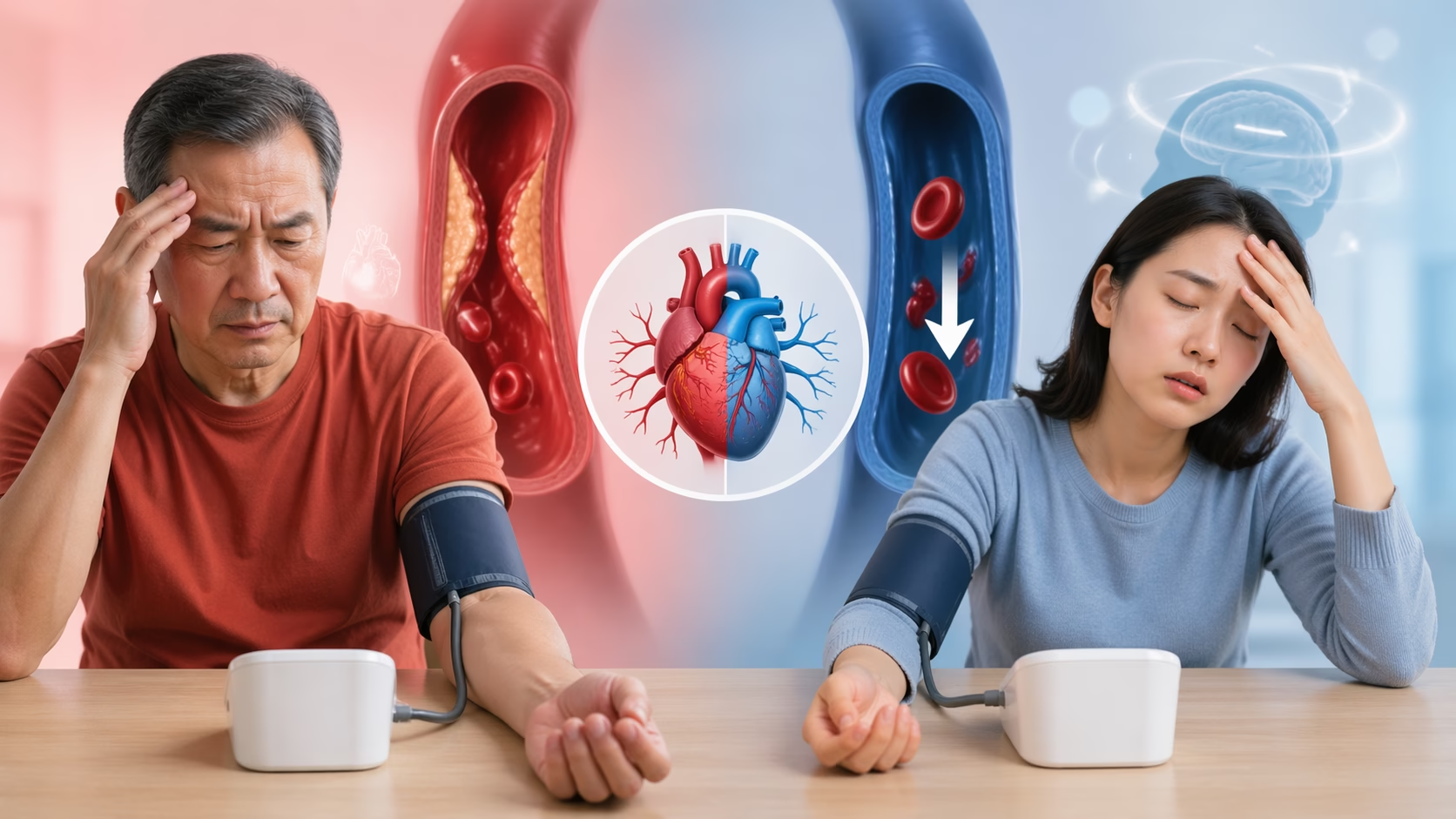
Introduction
Blood pressure is a fundamental physiological indicator that reflects the force exerted by circulating blood on the arterial walls. Although it is easy to measure, its clinical relevance is extensive because it directly influences the functioning of vital organs such as the heart, brain, and kidneys. Deviations from the normal range, whether elevated or reduced, can disrupt the balance required for optimal organ perfusion. Persistently abnormal blood pressure may lead to either gradual organ damage or acute medical emergencies.
- Hypertension is persistent high blood pressure, clinically defined as readings at or above 130/80 mmHg.
- Hypotension is low blood pressure, generally below 90/60 mmHg, that can impair organ perfusion and cause symptoms.
- Hypertension often lacks symptoms and is a silent condition, whereas hypotension usually produces dizziness, fainting, and immediate signs.
- Long term hypertension damages heart, brain, kidneys, and eyes; hypotension increases risk of falls, injury, organ dysfunction, and shock.
- Management differs: lower pressures with lifestyle change and medications for hypertension, raise or stabilize pressure with fluids, salt, compression, or meds for hypotension.
A detailed understanding of hypertension and hypotension is therefore essential for recognizing early warning signs, identifying underlying causes, and implementing appropriate treatment strategies. These two conditions represent opposite extremes of blood pressure regulation, yet both carry significant health risks if not properly managed.
What Is Blood Pressure
Blood pressure refers to the force generated by the heart as it pumps blood through the vascular system. This force is necessary to ensure that oxygen and nutrients are efficiently delivered to tissues throughout the body. Blood pressure is measured using two values that reflect different phases of the cardiac cycle.
Systolic pressure represents the maximum force exerted on arterial walls during heart contraction. At this stage, the heart actively pumps blood into the arteries, resulting in the highest pressure within the circulatory system. Diastolic pressure, in contrast, reflects the pressure present in the arteries when the heart relaxes between beats. This phase allows the heart to refill with blood and represents the baseline arterial pressure.
These measurements are expressed in millimeters of mercury and written as a ratio, such as 120/80 mmHg. Maintaining blood pressure within a healthy range is critical because excessively high pressure can damage blood vessels, while excessively low pressure can impair the delivery of oxygen to tissues.
Understanding Hypertension
Hypertension, commonly referred to as high blood pressure, occurs when the force of blood against arterial walls remains consistently elevated over time. Clinically, it is defined as blood pressure readings at or above 130/80 mmHg. This condition develops gradually and often progresses without noticeable symptoms, making it particularly dangerous if left undetected.
The causes of hypertension are complex and typically involve a combination of genetic and lifestyle factors. Individuals with a family history of high blood pressure are more likely to develop the condition due to inherited traits that affect vascular function and fluid regulation. Dietary habits also play a significant role, particularly the consumption of high levels of sodium and unhealthy fats, which can increase blood volume and arterial stiffness. Physical inactivity contributes by weakening cardiovascular efficiency, while excessive alcohol consumption and tobacco use further damage blood vessels and elevate pressure levels. Chronic stress may also influence blood pressure by activating hormonal pathways that increase heart rate and vascular resistance.
One of the most concerning aspects of hypertension is its lack of obvious symptoms in many individuals. It is often referred to as a silent condition because people may remain unaware of their elevated blood pressure until complications arise. In some cases, individuals may experience headaches, shortness of breath, nosebleeds, or dizziness, but these symptoms are not consistently present. As a result, routine monitoring becomes essential for early detection.
Over time, sustained high blood pressure can lead to significant damage to the cardiovascular system. The constant force exerted on arterial walls causes them to become less flexible and more prone to narrowing. This process increases the risk of heart attack and heart failure, as the heart must work harder to pump blood. Hypertension also contributes to stroke by damaging blood vessels in the brain, and it can impair kidney function by affecting the delicate filtration system within the kidneys. Additionally, it may lead to vision problems due to damage to the blood vessels in the eyes.
Management of hypertension focuses on both lifestyle modification and medical treatment. Adopting a balanced diet rich in fruits, vegetables, and whole grains can help regulate blood pressure, while regular physical activity improves cardiovascular efficiency. Maintaining a healthy body weight reduces strain on the heart, and limiting alcohol intake along with quitting smoking significantly lowers risk. In many cases, medications such as ACE inhibitors, diuretics, or beta blockers are prescribed to help control blood pressure and prevent complications.
Understanding Hypotension
Hypotension, or low blood pressure, occurs when blood pressure falls below the level required to adequately supply oxygen and nutrients to the body. It is generally defined as a reading below 90/60 mmHg. While some individuals naturally have lower blood pressure without experiencing adverse effects, significant or sudden drops can lead to serious health concerns.
The causes of hypotension vary widely and often relate to conditions that reduce blood volume or impair the heart’s ability to pump effectively. Dehydration is a common cause, as the loss of fluids decreases the amount of circulating blood. Prolonged bed rest or inactivity can weaken the body’s ability to regulate blood pressure upon standing. Nutritional deficiencies, particularly a lack of iron or vitamin B12, may reduce the blood’s oxygen carrying capacity. Severe infections can lead to systemic inflammation and a dangerous drop in blood pressure, while certain heart conditions may limit the efficiency of blood circulation.
Unlike hypertension, hypotension frequently produces noticeable symptoms. Individuals may experience dizziness or lightheadedness due to reduced blood flow to the brain. Blurred vision can occur as the eyes receive insufficient oxygen, and fainting episodes may result from sudden drops in pressure. Additional symptoms include fatigue, nausea, and general weakness. In severe cases, hypotension may progress to shock, a critical condition in which vital organs fail due to inadequate blood supply.
The complications associated with hypotension are often immediate rather than gradual. Fainting increases the risk of falls and injury, particularly among older individuals. Persistent low blood pressure can also lead to inadequate perfusion of essential organs, potentially resulting in organ dysfunction. In extreme cases, shock can develop, requiring urgent medical intervention.
Management strategies for hypotension depend on identifying and addressing the underlying cause. Increasing fluid intake is often recommended to restore blood volume, while moderate increases in dietary salt may help retain fluids under medical supervision. Compression stockings can improve circulation by preventing blood from pooling in the lower extremities. Medications may also be prescribed in certain cases to stabilize blood pressure. Additionally, gradual changes in body position, such as standing up slowly, can help prevent sudden drops in pressure.
Key Differences Between Hypertension and Hypotension
Hypertension and hypotension differ fundamentally in their physiological effects, clinical presentation, and treatment approaches. Hypertension is characterized by persistently elevated pressure within the arteries, leading to long term damage to blood vessels and organs. In contrast, hypotension involves insufficient pressure, resulting in reduced blood flow and immediate symptoms related to inadequate oxygen delivery.
The symptom profiles of these conditions also differ significantly. Hypertension often presents without noticeable symptoms, whereas hypotension typically produces clear and immediate signs such as dizziness and fainting. Furthermore, the risks associated with each condition reflect their underlying mechanisms. Hypertension increases the likelihood of chronic diseases such as heart attack and stroke, while hypotension is more closely associated with acute complications such as falls and shock.
Treatment strategies highlight the opposing nature of these conditions. Managing hypertension involves lowering blood pressure through lifestyle changes and medication, whereas treating hypotension often requires measures to raise or stabilize blood pressure.
Why Understanding the Difference Matters
Recognizing the distinction between hypertension and hypotension is essential for effective medical management. Misinterpretation of symptoms or incorrect treatment can lead to worsening health outcomes. For example, excessive treatment of hypertension may result in dangerously low blood pressure, while failure to address hypotension may compromise organ function.
Accurate diagnosis allows for targeted interventions that address the specific underlying causes of each condition. It also enables individuals to adopt appropriate lifestyle modifications that support long term cardiovascular health.
Maintaining Healthy Blood Pressure
Maintaining blood pressure within a normal range requires consistent attention to lifestyle and health practices. Regular monitoring allows individuals to detect changes early and seek timely medical advice. A balanced diet that includes whole foods, lean proteins, and healthy fats supports overall cardiovascular function. Physical activity strengthens the heart and improves circulation, while effective stress management reduces the impact of hormonal responses that can influence blood pressure. Adequate hydration is equally important, as it helps maintain blood volume and ensures proper circulation.
Conclusion
Hypertension and hypotension represent two distinct yet equally important aspects of blood pressure regulation. While hypertension often develops silently and leads to long term complications, hypotension tends to produce immediate symptoms that can disrupt daily activities and pose acute risks. Both conditions require careful attention, accurate diagnosis, and appropriate management strategies.
A proactive approach that includes regular monitoring, informed lifestyle choices, and professional medical guidance can help individuals maintain stable blood pressure and reduce the risk of serious health complications.
Disclaimer
This article is for educational purposes only and does not replace professional medical advice, diagnosis, or treatment. Seizures, severe headache, confusion, visual changes, or blood pressure readings in the hypertensive crisis range require urgent medical evaluation.