












Health A–Z guide
Hypothermia
Hypothermia: Understanding the Risks, Symptoms, and Life-Saving Interventions
When most people think of dangerous cold exposure, they picture extreme winter conditions or icy mountain expeditions. However, hypothermia can occur in a variety of settings—including cool, wet environments that…
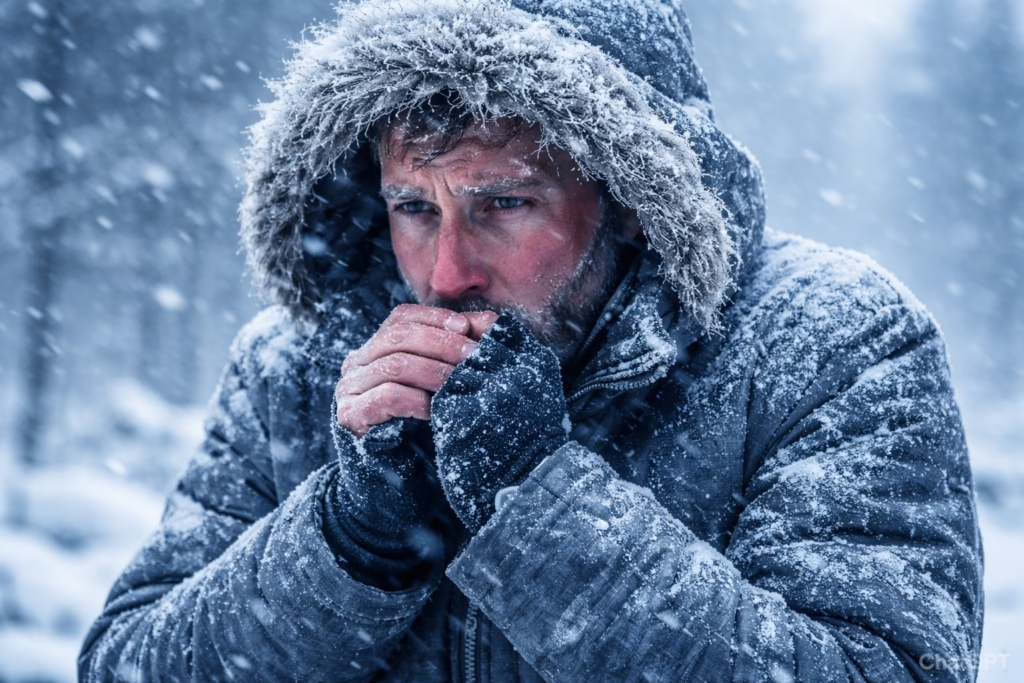
Table of Contents
When most people think of dangerous cold exposure, they picture extreme winter conditions or icy mountain expeditions. However, hypothermia can occur in a variety of settings—including cool, wet environments that may not seem life-threatening at first. It is a serious medical emergency that requires prompt recognition and treatment.
In this article, we’ll explore what hypothermia is, who is most at risk, how to recognize the signs, and what can be done to prevent and treat it effectively.
Overview: What Is Hypothermia?
Hypothermia is a medical condition that occurs when the body loses heat faster than it can produce it, causing a dangerously low core body temperature.
A normal core body temperature is approximately 98.6°F (37°C). Hypothermia is generally defined as a core temperature below 95°F (35°C).
As body temperature drops, critical organs—including the heart, brain, and lungs—begin to function improperly. Without intervention, hypothermia can lead to organ failure, cardiac arrest, and death.
Classification of Hypothermia
Hypothermia is often categorized by severity:
- Mild: 90–95°F (32–35°C)
- Moderate: 82–90°F (28–32°C)
- Severe: Below 82°F (28°C)
The lower the body temperature, the greater the risk of life-threatening complications.
Causes and Risk Factors
Hypothermia develops when the body loses heat faster than it can generate it. Heat loss can occur through:
- Cold air exposure
- Cold water immersion
- Wet clothing
- Wind (wind chill effect)
- Direct contact with cold surfaces
Common Causes
- Prolonged exposure to cold weather
- Falling into cold water
- Being inadequately dressed for low temperatures
- Sleeping in a cold environment
Even temperatures above freezing can lead to hypothermia—especially in rainy, windy conditions.
Risk Factors
Certain populations are particularly vulnerable:
- Older adults, especially those with limited mobility or inadequate heating
- Infants and young children
- People experiencing homelessness
- Outdoor workers or athletes
- Alcohol or drug use, which impairs judgment and heat regulation
- Chronic medical conditions (e.g., diabetes, hypothyroidism)
- Malnutrition
- Certain medications, including sedatives or antipsychotics
Water exposure significantly increases risk because the body loses heat much faster in water than in air.
Symptoms and Clinical Presentation
Symptoms vary depending on how low the body temperature has dropped. Importantly, people with hypothermia may not recognize their own condition.
Mild Hypothermia
- Shivering (often intense)
- Cold, pale skin
- Fatigue
- Confusion or difficulty concentrating
- Slurred speech
- Increased heart rate and breathing
Moderate Hypothermia
- Violent or persistent shivering (may eventually stop)
- Clumsiness or poor coordination
- Increasing confusion or drowsiness
- Slow or shallow breathing
- Weak pulse
Severe Hypothermia
- No shivering
- Severe confusion or unconsciousness
- Extremely slow breathing
- Weak or irregular heartbeat
- Dilated pupils
In severe cases, the heart is highly susceptible to abnormal rhythms (arrhythmias), including ventricular fibrillation, which can be fatal.
Diagnosis and Screening
Hypothermia is diagnosed based on:
- Clinical signs and symptoms
- Measurement of core body temperature
Standard oral thermometers may not accurately detect low temperatures. In medical settings, healthcare providers use specialized low-reading thermometers or internal temperature monitoring methods (rectal, esophageal, or bladder probes).
Additional tests may be performed to assess complications:
- Electrocardiogram (ECG) to detect cardiac arrhythmias
- Blood tests to evaluate electrolytes, glucose, and organ function
- Imaging if trauma or underlying illness is suspected
Prompt assessment is critical, as severe hypothermia requires urgent medical intervention.
Treatment and Management
Hypothermia is a medical emergency. The goal of treatment is to raise core body temperature safely and prevent complications.
Immediate First Aid (Pre-Hospital Care)
If you suspect hypothermia:
- Call emergency services.
- Move the person to a warm, dry location.
- Remove wet clothing.
- Cover with blankets, including the head (avoid covering the face).
- Use body heat if necessary (skin-to-skin contact under blankets).
- Offer warm beverages only if the person is conscious and able to swallow.
- Handle gently to avoid triggering dangerous heart rhythms.
Do not:
- Use hot water or direct heat (e.g., heating pads directly on skin).
- Massage or rub the extremities aggressively.
Hospital-Based Treatment
Treatment depends on severity:
For mild cases:
- Passive external rewarming (blankets, warm environment)
For moderate to severe cases:
- Active external rewarming (warming blankets, heated air systems)
- Warmed intravenous (IV) fluids
- Heated, humidified oxygen
- In severe cases:
- Warmed fluids for internal body cavities
- Extracorporeal warming (e.g., cardiopulmonary bypass or ECMO in life-threatening cases)
Importantly, resuscitation efforts may continue longer in hypothermic patients because cold temperatures can protect the brain. The medical principle “no one is dead until warm and dead” reflects this reality.
Prevention and Lifestyle Considerations
Prevention is the most effective strategy against hypothermia.
Practical Prevention Tips
- Dress in layers (moisture-wicking base layer, insulating middle layer, windproof outer layer).
- Keep clothing dry.
- Wear hats, gloves, and insulated footwear.
- Avoid alcohol in cold environments.
- Stay hydrated and eat regularly.
- Limit exposure time in extreme weather.
- Check on older adults during cold spells.
- Ensure adequate home heating.
For outdoor enthusiasts:
- Check weather forecasts.
- Pack emergency supplies.
- Avoid traveling alone in high-risk environments.
Education and preparation significantly reduce the risk of cold-related injuries.
Conclusion
Hypothermia is a serious and potentially life-threatening condition that occurs when the body loses heat faster than it can produce it. While commonly associated with extreme cold, it can develop in moderately cold, wet, or windy conditions—especially in vulnerable individuals.
Recognizing the early signs—such as shivering, confusion, and fatigue—can make a critical difference. Prompt warming measures and medical evaluation are essential for preventing complications.
With appropriate awareness, preparation, and timely care, hypothermia is largely preventable and treatable.
Disclaimer
This article is intended for educational purposes only and does not constitute medical advice. If you suspect hypothermia or any medical emergency, seek immediate assistance from qualified healthcare professionals.
Was this page helpful?
Thanks for your feedback! What could we improve?
Thank you! Your feedback helps us improve our guides.
Our Health A–Z guides are written by the True Impact Health Editorial Team and based on reliable sources such as public health agencies, clinical guidelines and peer-reviewed research. This guide has not yet been medically reviewed. Read our editorial process.
This content is for general information and is not a substitute for professional medical advice, diagnosis or treatment.