











Health A–Z guide
Sleep Apnea
Sleep Apnea: Understanding the Causes, Symptoms, and Treatment Options
Sleep is essential for overall health, yet millions of people experience disrupted breathing during the night without realizing it. One of the most common sleep-related breathing disorders is sleep apnea,…
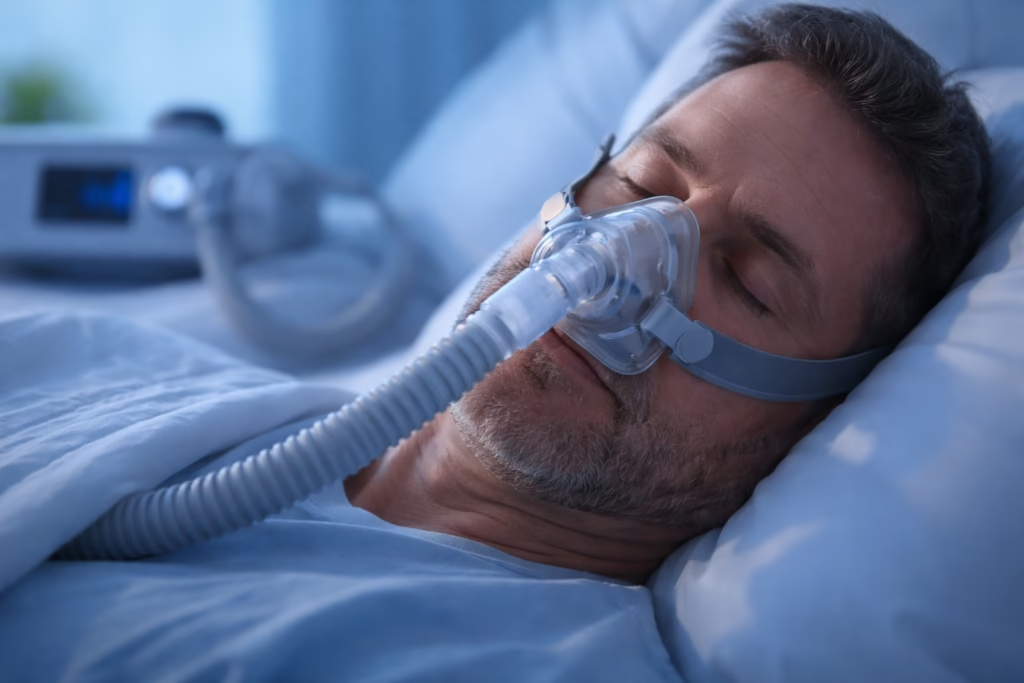
Table of Contents
Sleep is essential for overall health, yet millions of people experience disrupted breathing during the night without realizing it. One of the most common sleep-related breathing disorders is sleep apnea, a potentially serious condition that affects both children and adults. Left untreated, sleep apnea can contribute to significant health complications, including cardiovascular disease and impaired cognitive function.
This article explains what sleep apnea is, why it happens, how it is diagnosed, and what evidence-based treatment options are available.
Overview: What Is Sleep Apnea?
Sleep apnea is a sleep disorder characterized by repeated pauses in breathing or shallow breathing during sleep. These pauses, called apneas, can last from a few seconds to over a minute and may occur dozens or even hundreds of times per night.
There are three main types:
1. Obstructive Sleep Apnea (OSA)
- The most common form
- Caused by physical blockage of the upper airway during sleep
- Often associated with snoring
2. Central Sleep Apnea (CSA)
- Caused by the brain failing to send proper signals to the muscles that control breathing
- Less common than OSA
3. Complex (Mixed) Sleep Apnea
- A combination of obstructive and central sleep apnea
Regardless of type, the result is fragmented sleep and reduced oxygen levels in the blood, which can strain the heart, brain, and other organs.
Causes and Risk Factors
While sleep apnea can affect anyone, certain factors significantly increase the risk.
Risk Factors for Obstructive Sleep Apnea
- Excess body weight (particularly central obesity)
- Large neck circumference
- Narrow airway anatomy
- Enlarged tonsils or adenoids (common in children)
- Male sex
- Increasing age
- Family history
- Use of alcohol or sedatives
- Smoking
Risk Factors for Central Sleep Apnea
- History of stroke
- Heart failure
- Use of opioid medications
- Neurological disorders affecting breathing control
Obesity remains one of the strongest modifiable risk factors, particularly for obstructive sleep apnea.
Symptoms and Clinical Presentation
Sleep apnea symptoms often occur during sleep and may be noticed first by a bed partner.
Nighttime Symptoms
- Loud, chronic snoring
- Gasping or choking during sleep
- Witnessed breathing pauses
- Restless sleep
- Frequent awakenings
- Night sweats
Daytime Symptoms
- Excessive daytime sleepiness
- Morning headaches
- Difficulty concentrating
- Irritability or mood changes
- Memory problems
- Decreased work performance
In children, sleep apnea may present differently, including:
- Behavioral problems
- Poor school performance
- Hyperactivity
- Bedwetting
- Mouth breathing
Untreated sleep apnea is associated with serious medical conditions, including:
- High blood pressure
- Coronary artery disease
- Stroke
- Type 2 diabetes
- Atrial fibrillation
- Increased risk of motor vehicle accidents due to fatigue
Diagnosis and Screening
Sleep apnea often goes undiagnosed because individuals may not fully recognize their symptoms. Healthcare providers screen for the condition through:
1. Medical History and Physical Examination
- Evaluation of symptoms
- Assessment of risk factors
- Examination of airway anatomy
2. Sleep Studies (Polysomnography)
The gold standard diagnostic test.
Conducted in a sleep laboratory or at home (in select cases), this test measures:
- Breathing patterns
- Oxygen levels
- Brain activity
- Heart rate
- Body movements
Apnea-Hypopnea Index (AHI)
Severity is determined using the AHI score:
- Mild: 5–14 events per hour
- Moderate: 15–29 events per hour
- Severe: 30+ events per hour
A healthcare professional interprets the results and determines the appropriate management strategy.
Treatment and Management Options
Treatment depends on the type and severity of sleep apnea, as well as patient-specific factors.
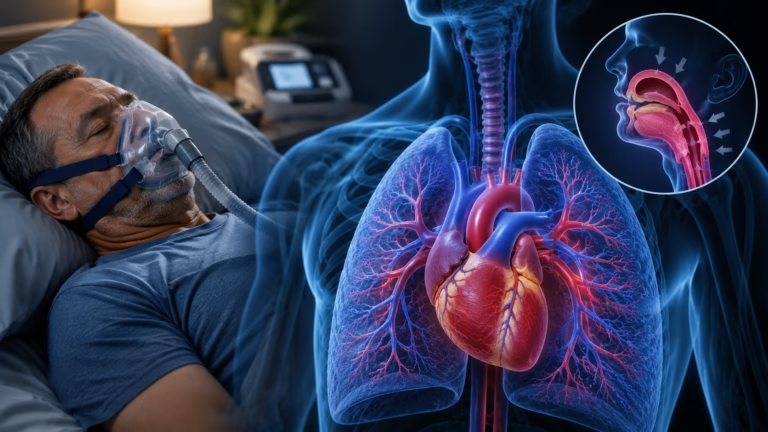
1. Continuous Positive Airway Pressure (CPAP)
- First-line therapy for moderate to severe obstructive sleep apnea
- A machine delivers constant air pressure through a mask
- Keeps the airway open during sleep
- Highly effective when used consistently
2. Oral Appliances
- Recommended for mild to moderate OSA
- Custom-fitted by dental specialists
- Reposition the lower jaw to maintain an open airway
3. Lifestyle Modifications
Often recommended alongside medical therapy:
- Weight reduction
- Regular exercise
- Avoiding alcohol before bedtime
- Smoking cessation
- Sleeping on one’s side
4. Surgical Options
In selected cases, surgery may be considered to:
- Remove enlarged tonsils
- Correct nasal obstructions
- Modify airway structures
- Implant nerve-stimulation devices (e.g., hypoglossal nerve stimulation)
5. Treatment for Central Sleep Apnea
Management may include:
- Addressing underlying heart or neurological conditions
- Adjusting medications
- Specialized ventilatory support devices
Treatment significantly reduces symptoms and lowers long-term health risks when used consistently.
Prevention and Lifestyle Considerations
While not all cases are preventable, certain measures can reduce risk or improve existing symptoms:
- Maintain a healthy body weight
- Engage in regular physical activity
- Practice good sleep hygiene
- Limit sedative medications and alcohol
- Seek early evaluation for persistent snoring or daytime fatigue
- Manage chronic medical conditions effectively
Early recognition and management are key to preventing complications.
Conclusion
Sleep apnea is a common yet potentially serious sleep disorder characterized by repeated breathing interruptions during sleep. It can lead to excessive daytime fatigue and significantly increase the risk of cardiovascular and metabolic diseases if left untreated.
The good news is that effective treatments—including CPAP therapy, oral appliances, lifestyle changes, and targeted medical care—can dramatically improve symptoms and long-term health outcomes. Early diagnosis plays a crucial role in prevention of complications.
If you or someone you know experiences persistent snoring, gasping during sleep, or unexplained daytime fatigue, seeking medical evaluation is an important step.
Disclaimer:
This article is intended for educational purposes only and does not replace professional medical advice, diagnosis, or treatment. Always consult a qualified healthcare professional for evaluation and management of any medical condition.
Was this page helpful?
Thanks for your feedback! What could we improve?
Thank you! Your feedback helps us improve our guides.
Our Health A–Z guides are written by the True Impact Health Editorial Team and based on reliable sources such as public health agencies, clinical guidelines and peer-reviewed research. This guide has not yet been medically reviewed. Read our editorial process.
This content is for general information and is not a substitute for professional medical advice, diagnosis or treatment.