











Health A–Z guide
Fungal Infections
Fungal Infections: Causes, Symptoms, Diagnosis, and Prevention
Fungal infections are common health conditions that affect millions of people worldwide each year. While often mild and treatable, some fungal infections can become persistent or serious if not properly…
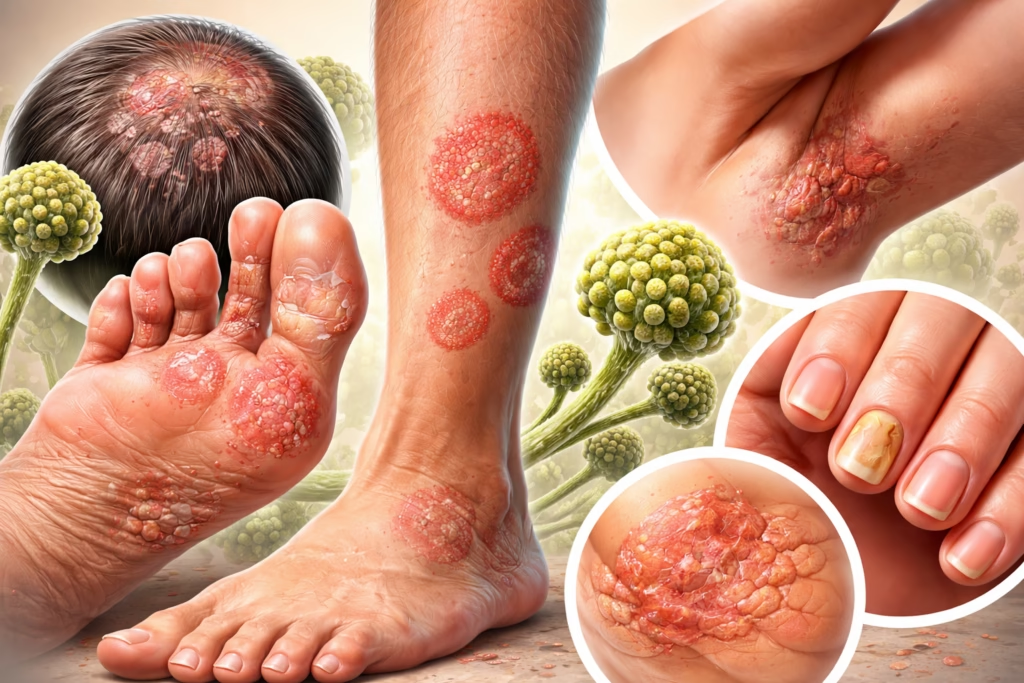
Table of Contents
Fungal infections are common health conditions that affect millions of people worldwide each year. While often mild and treatable, some fungal infections can become persistent or serious if not properly identified and managed. Understanding what fungal infections are, how they develop, and how they are treated can help individuals recognize symptoms early and seek appropriate medical care. This article provides a clear, medically accurate overview of fungal infections in accessible terms.
Overview / Definition
Fungal infections, also known as mycoses, are infections caused by fungi—microorganisms that exist naturally in the environment, including soil, plants, water, and even the human body. While many fungi are harmless or beneficial, certain types can overgrow or invade tissues, leading to infection.
Common types of fungal infections include:
- Superficial infections: Affect the skin, hair, or nails (e.g., athlete’s foot, ringworm, nail fungus)
- Mucosal infections: Affect moist areas like the mouth or genitals (e.g., oral or vaginal candidiasis)
- Systemic (invasive) infections: Affect internal organs and are more common in people with weakened immune systems
Causes or Risk Factors
Fungal infections occur when fungi grow uncontrollably or penetrate the body’s protective barriers. Several factors can increase the risk:
- Warm, moist environments, which promote fungal growth
- Compromised immune system, due to conditions such as HIV, cancer treatment, or organ transplantation
- Use of antibiotics, which can disrupt normal microbial balance
- Chronic medical conditions, such as diabetes
- Poor hygiene or prolonged moisture exposure, especially on the skin
- Close contact with infected individuals, animals, or contaminated surfaces
Symptoms or Clinical Presentation
Symptoms vary depending on the type and location of the infection. Common signs may include:
Skin and Nail Infections
- Itching, redness, or burning
- Scaling, cracking, or peeling skin
- Thickened, discolored, or brittle nails
- Circular rashes with clearer centers (often seen in ringworm)
Mucosal Infections
- White patches in the mouth or throat
- Redness, soreness, or difficulty swallowing
- Vaginal itching, discharge, or irritation
Systemic Infections
- Fever and chills
- Fatigue
- Cough or difficulty breathing
- Organ-specific symptoms, depending on the area affected
Because symptoms can resemble those of other conditions, proper evaluation is important.
Diagnosis or Screening
Diagnosing a fungal infection typically involves a combination of clinical evaluation and laboratory testing. Healthcare professionals may use:
- Physical examination of affected areas
- Skin scrapings, nail clippings, or swabs for microscopic examination
- Culture tests to identify specific fungal organisms
- Blood tests or imaging studies in suspected systemic infections
Accurate diagnosis helps guide appropriate treatment and reduces the risk of recurrence or complications.
Treatment or Management Options
Treatment depends on the type, location, and severity of the infection. Options may include:
- Topical antifungal medications
- Creams, ointments, sprays, or powders for skin infections
- Oral antifungal medications
- Used for scalp, nail, widespread, or persistent infections
- Intravenous antifungal therapy
- Reserved for severe or systemic infections, usually in hospital settings
Treatment duration can range from a few days to several months, especially for nail or systemic infections. Completing the prescribed course is essential for effectiveness.
Prevention or Lifestyle Considerations
While not all fungal infections can be prevented, certain measures may reduce risk:
- Keep skin clean and dry, especially in skin folds
- Change out of damp clothing or shoes promptly
- Wear breathable footwear and moisture-wicking socks
- Avoid sharing personal items like towels or nail clippers
- Maintain good blood sugar control if you have diabetes
- Use medications, including antibiotics, only as prescribed
Conclusion
Fungal infections are a diverse group of conditions that range from mild skin issues to serious systemic illnesses. Understanding their causes, symptoms, and treatment options can support early recognition and appropriate care. With accurate diagnosis and evidence-based treatment, most fungal infections can be effectively managed or resolved. Preventive measures and awareness play an important role in reducing recurrence and promoting long-term health.
Disclaimer
This article is intended for educational purposes only and does not replace professional medical advice. If you suspect a fungal infection or have ongoing symptoms, consult a qualified healthcare professional for proper evaluation and treatment.
Was this page helpful?
Thanks for your feedback! What could we improve?
Thank you! Your feedback helps us improve our guides.
Our Health A–Z guides are written by the True Impact Health Editorial Team and based on reliable sources such as public health agencies, clinical guidelines and peer-reviewed research. This guide has not yet been medically reviewed. Read our editorial process.
This content is for general information and is not a substitute for professional medical advice, diagnosis or treatment.