









How to Treat Ich on Fish
Treat ich in freshwater fish by improving water quality, modestly raising temperature and using a safe medication that targets the free‑swimming stage.
By True Impact Health Editorial Team

Dr. Hannah Silvanus, DVMVeterinary Reviewer, True Impact Health
Doctor of Veterinary Medicine (DVM) who reviews the pet and animal health articles on True Impact Health.
Reviewed this article on October 10, 2026.
View profile How we reviewUpdated on October 10, 2026 9 min read
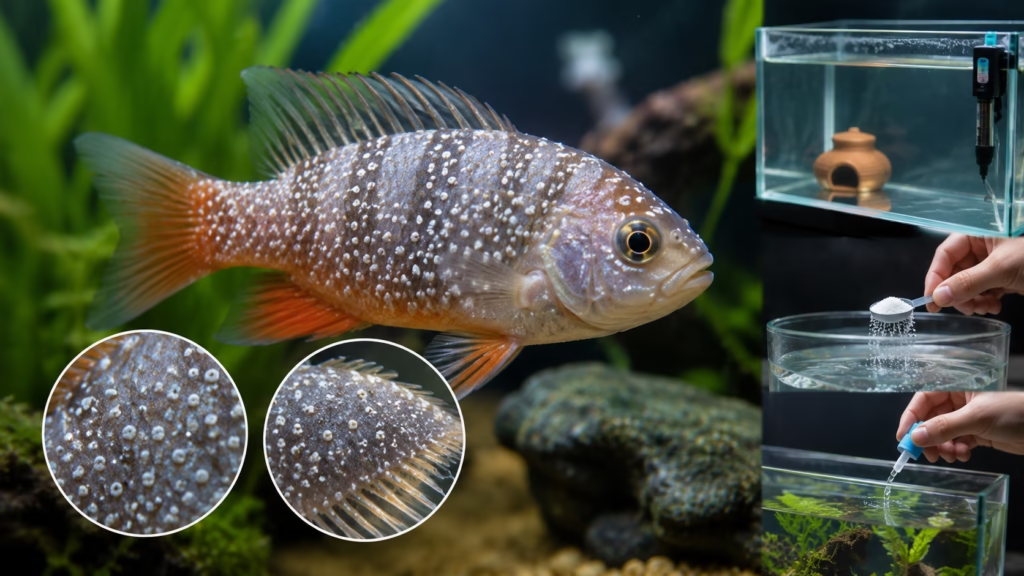
Table of Contents
Quick answer
Ich, caused by the parasite Ichthyophthirius multifiliis, is treated by improving water quality, raising the tank temperature slightly (to 78‑80 °F/25‑27 °C) and using a medication that kills the free‑swimming theront stage. Continue treatment for at least 10‑14 days to cover multiple parasite generations.
Introduction
Few things are more concerning for aquarium owners than discovering tiny white spots scattered across the body and fins of their fish. These spots are often a sign of ich, one of the most common diseases affecting freshwater aquariums. Also known as white spot disease, ich is caused by a microscopic parasite that can spread rapidly throughout an aquarium if left untreated. Fortunately, when identified early and managed correctly, ich is highly treatable and most fish can make a full recovery.
Understanding how ich develops, recognizing its symptoms, and implementing an effective treatment strategy are essential skills for every fishkeeper. Whether you are caring for tropical fish, goldfish, cichlids, or community aquarium species, knowing how to respond quickly can save the lives of your aquatic pets and prevent future outbreaks. This guide explains everything you need to know about treating ich safely and effectively while maintaining a healthy aquarium environment.
What Is Ich?
Ich, scientifically known as Ichthyophthirius multifiliis, is a protozoan parasite that infects freshwater fish. The parasite attaches itself to the skin, fins, and gills of fish, where it feeds on tissue and causes irritation. As the parasite grows, it becomes visible as tiny white cysts that resemble grains of salt or sugar sprinkled across the fish’s body.
The disease is extremely contagious and can spread rapidly from one fish to another. Once established in an aquarium, the parasite follows a life cycle that allows it to reproduce quickly, particularly in stressful or poorly maintained aquatic environments.
Understanding the parasite’s life cycle is important because treatment effectiveness depends on targeting the parasite during its vulnerable stages. While the visible white spots indicate that the parasite is attached to the fish, most medications work by killing the free-swimming stage after the parasite leaves its host.
Understanding the Ich Life Cycle
The life cycle of ich consists of several stages, each playing a role in the spread of infection.
The first stage is known as the trophont stage. During this phase, the parasite attaches itself to the fish and feeds beneath the skin. This is when the characteristic white spots become visible.
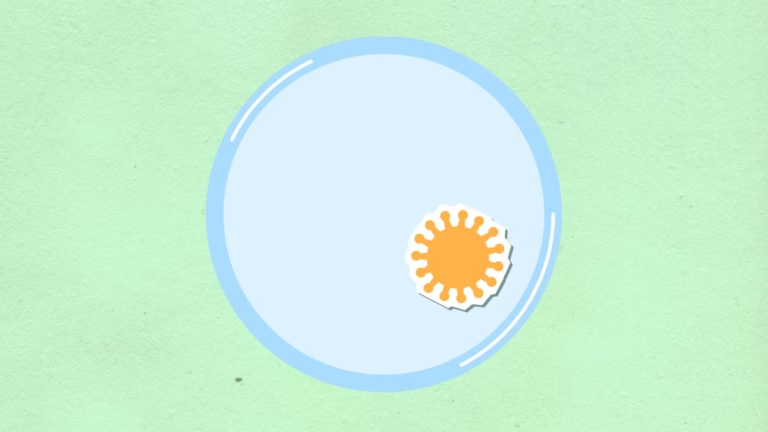
After feeding and maturing, the parasite drops off the fish and enters the tomont stage. During this phase, it settles on aquarium surfaces such as gravel, decorations, plants, or glass. Inside a protective cyst, the parasite multiplies rapidly, producing hundreds of offspring.
The final stage is the theront stage. Newly hatched parasites emerge from the cyst and swim freely through the aquarium searching for a host fish. This free-swimming stage is the most vulnerable period in the parasite’s life cycle and is the stage targeted by most medications and treatments.
Because not all parasites are in the same stage at the same time, treatment must continue long enough to eliminate multiple generations of free-swimming parasites.
Recognizing the Signs of Ich
Early detection is one of the most important factors in successful treatment. Fish owners should regularly observe their fish for both physical and behavioral changes that may indicate infection.
The most obvious sign of ich is the appearance of small white spots on the body, fins, tail, or gills. These spots typically resemble grains of salt and may increase in number as the infection progresses. In some cases, affected areas may appear slightly inflamed or irritated.
Behavioral symptoms often appear before the white spots become obvious. Infected fish frequently rub or scrape their bodies against rocks, decorations, plants, or substrate in an attempt to relieve irritation. This behavior, commonly known as flashing, is one of the earliest warning signs of an outbreak.
As the infection worsens, fish may become lethargic, spend more time hiding, lose their appetite, or show signs of respiratory distress. When the gills are heavily infected, fish may breathe rapidly or gasp near the water surface because oxygen exchange becomes impaired.
What Causes Ich Outbreaks?
Although ich parasites may be introduced into an aquarium through infected fish, plants, or equipment, outbreaks often occur when fish experience stress. Stress weakens the immune system, making fish more susceptible to infection.
Poor water quality is one of the most common contributing factors. Elevated ammonia, nitrite, or nitrate levels can place significant stress on fish and create ideal conditions for disease outbreaks.
Sudden changes in temperature can also trigger infections. Rapid fluctuations weaken fish and accelerate parasite development. This is especially common during seasonal changes or after large water changes performed with improperly matched temperatures.
Introducing new fish without quarantine is another major source of infection. Newly purchased fish may carry ich parasites without obvious symptoms, introducing the disease into an otherwise healthy aquarium.
Overcrowding, aggressive tank mates, inadequate filtration, and poor nutrition can also contribute to stress-related outbreaks.
Step-by-Step Ich Treatment Plan
Step 1: Isolate Infected Fish When Possible
If you have access to a hospital or quarantine tank, moving infected fish can help prevent the disease from spreading further. A hospital tank allows focused treatment while protecting healthy fish and sensitive aquarium inhabitants such as plants or invertebrates.
The quarantine tank should provide stable water conditions, gentle filtration, adequate aeration, and a low-stress environment. Decorations should be kept minimal to facilitate observation and cleaning.
However, because ich is often already present throughout the aquarium by the time symptoms appear, many hobbyists choose to treat the entire tank rather than individual fish.
Step 2: Improve Water Quality
Excellent water quality is essential for recovery. During treatment, test water parameters regularly to ensure ammonia and nitrite remain at zero and nitrate levels stay low.
Perform partial water changes of approximately 25 to 50 percent every few days while carefully following medication instructions. Vacuuming the substrate is especially important because reproductive cysts often settle into gravel and debris.
Clean water supports the immune system and reduces additional stress on infected fish.
Step 3: Gradually Raise the Water Temperature
Increasing the aquarium temperature can significantly improve treatment success by accelerating the parasite’s life cycle.
Raise the temperature slowly by approximately one to two degrees Fahrenheit per day until it reaches between 78°F and 80°F (25°C to 27°C), provided your fish species can tolerate those temperatures safely.
Warmer temperatures cause parasites to complete their life cycle more quickly, allowing medications to target the vulnerable free-swimming stage sooner.
Because warmer water contains less dissolved oxygen, additional aeration should be provided through air stones, powerheads, or increased surface agitation.
Step 4: Consider Aquarium Salt
Aquarium salt is often used as a supportive treatment for ich. Salt can help reduce stress, improve gill function, and create conditions that make it more difficult for parasites to survive.
A common dosage is one tablespoon of aquarium salt per five gallons of water. The salt should be dissolved in water before being added to the aquarium to prevent direct contact with fish.
It is important to note that some fish species, particularly scaleless fish such as loaches, Corydoras catfish, and certain tetras, may be sensitive to salt. Always research your species before using salt treatments.
Step 5: Administer Appropriate Medication
Medication is often the most effective way to eliminate ich, especially during moderate to severe outbreaks.
Malachite green combined with formalin remains one of the most widely used and effective treatments for freshwater ich. These medications target free-swimming parasites and can rapidly reduce infection levels when used correctly.
Copper-based medications are also highly effective but should not be used in aquariums containing shrimp, snails, or other invertebrates because copper is toxic to these organisms.
Methylene blue is another treatment option, particularly useful for fry, eggs, or sensitive species. Although somewhat less aggressive than other medications, it can still play an important role in disease management.
Always follow the manufacturer’s instructions carefully and avoid overdosing. Monitor fish closely throughout treatment for any signs of stress or adverse reactions.
Continue Treatment Beyond Visible Symptoms
One of the most common mistakes aquarium owners make is stopping treatment too early. Even when all visible white spots disappear, parasites may still exist in unseen stages elsewhere in the aquarium.
Treatment should continue for at least ten days after the last visible spot disappears. This ensures that newly hatched parasites are eliminated before they have an opportunity to infect fish again.
Maintaining elevated temperatures and following medication schedules throughout the entire treatment period greatly increases the likelihood of complete eradication.
Preventing Future Ich Outbreaks
Preventing ich is often easier than treating it. The most effective preventive measure is quarantining all new fish for two to four weeks before introducing them into a display aquarium.
Maintaining stable water parameters is equally important. Regular testing, routine water changes, proper filtration, and avoiding sudden temperature fluctuations help create a healthy environment that supports fish immune systems.
Avoid overcrowding the aquarium and provide adequate hiding spaces to reduce stress. A balanced diet rich in nutrients also strengthens fish resistance to disease.
Many advanced hobbyists use ultraviolet sterilizers to reduce the number of free-swimming parasites and pathogens in the water column. While not a replacement for quarantine and good husbandry, UV sterilization can provide an additional layer of protection.
When to Seek Expert Assistance
Most cases of ich respond well to standard treatments. However, if symptoms persist after two complete treatment cycles or if fish show severe respiratory distress, significant weight loss, or widespread mortality, additional help may be necessary.
Consulting an aquatic veterinarian or experienced aquarium specialist can help identify resistant infections, secondary bacterial complications, or underlying environmental issues contributing to repeated outbreaks.
Conclusion
Ich is one of the most common diseases encountered in freshwater aquariums, but it is also one of the most manageable when addressed promptly. Understanding the parasite’s life cycle, recognizing early symptoms, improving water quality, and applying appropriate treatments can dramatically improve recovery rates and prevent widespread losses.
Successful treatment requires patience, consistency, and attention to detail. By maintaining excellent aquarium conditions, quarantining new arrivals, and monitoring fish regularly, you can greatly reduce the likelihood of future outbreaks and ensure your aquatic pets remain healthy and thriving for years to come.
With the right approach, even a serious ich outbreak can become a valuable learning experience that strengthens your fishkeeping skills and contributes to a healthier aquarium ecosystem.
Disclaimer
This article is for educational purposes only and does not replace professional medical advice, diagnosis, or treatment. Seizures, severe headache, confusion, visual changes, or blood pressure readings in the hypertensive crisis range require urgent medical evaluation.
When to see a vet
- Fish stops eating and loses weight rapidly
- Severe gill damage causing laboured breathing
- White spots cover most of the body within 24‑48 hours
- Sudden mass die‑off of multiple fish
- Signs persist despite 5‑7 days of proper treatment
If your pet collapses, struggles to breathe or is in severe pain, contact an emergency vet straight away.
Frequently asked questions
Can I treat ich without raising the temperature?
Raising temperature speeds up the parasite’s life cycle, making treatment more effective, but if temperature‑sensitive species are present, a modest increase combined with a longer medication course can still work. Monitor fish closely for stress.
Is copper‑based medication safe for all aquarium inhabitants?
Copper is toxic to invertebrates, live plants and some sensitive fish. Use it only in a dedicated hospital tank or choose a non‑copper medication if you have shrimp, snails or delicate species.
How long should I continue treatment after the spots disappear?
Continue the medication for at least 7‑10 days after the last visible spot to ensure any newly hatched theronts are eliminated, as the parasite can re‑infect from cysts that remain hidden.
Can I prevent ich by adding salt to the water?
Adding aquarium‑grade salt can help reduce stress and inhibit parasite development in some species, but it is not a substitute for proper quarantine, water quality and targeted medication. Use only if the fish tolerate salinity.
Sources and further reading
Was this page helpful?
Thanks for your feedback! What could we improve?
Thank you! Your feedback helps us improve our articles.
Veterinary reviewed by
Dr. Hannah Silvanus, DVMDoctor of Veterinary Medicine (DVM) who reviews the pet and animal health articles on True Impact Health.
True Impact Health articles are written by our editorial team and based on reliable sources such as public health agencies, clinical guidelines and peer-reviewed research. This article has been checked by a veterinarian on our review panel. Read our editorial process.
This content is for general information and is not a substitute for professional medical advice, diagnosis or treatment.