












How to Treat Friction Burn
Friction burns are among the most common skin injuries, yet they are often underestimated. Whether caused by a bicycle accident, a fall while running, a...
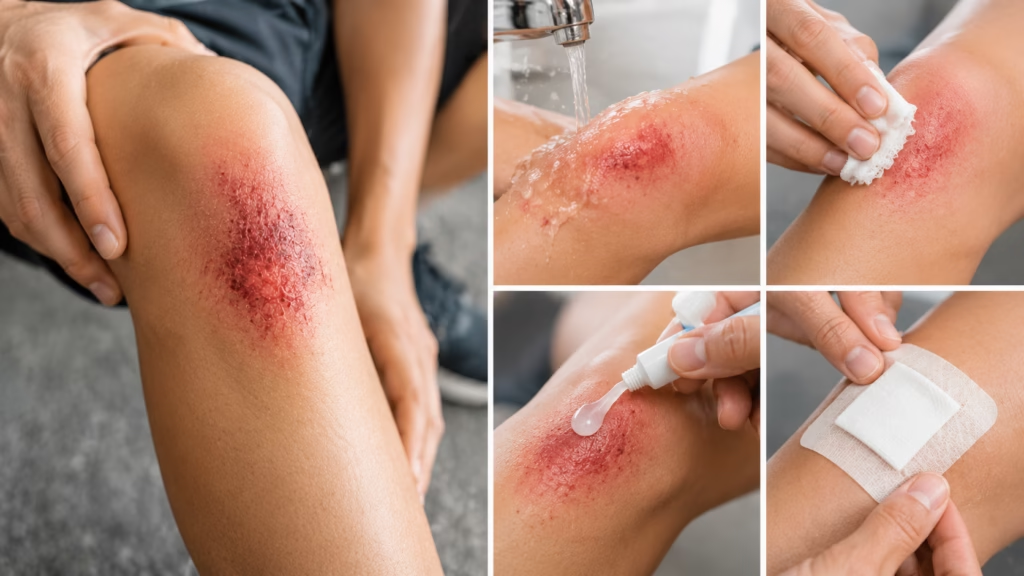
Table of Contents
Introduction
Friction burns are among the most common skin injuries, yet they are often underestimated. Whether caused by a bicycle accident, a fall while running, a sports-related injury, or contact with rough surfaces such as carpet or concrete, friction burns can be painful and require proper care to heal effectively. Unlike a simple scrape, a friction burn combines both abrasion and heat generated by friction, which can damage multiple layers of the skin.
Without appropriate treatment, friction burns may become infected, heal slowly, or leave noticeable scars. Understanding how to care for the injury immediately after it occurs can significantly reduce discomfort, promote faster healing, and minimize the risk of complications.
This comprehensive guide explains what friction burns are, how they develop, the most effective treatment methods, signs of infection to watch for, and practical strategies for preventing future injuries.
Understanding Friction Burns
A friction burn occurs when the skin rubs forcefully against a rough surface, causing the outer layers of skin to wear away. At the same time, the friction generates heat, which can further damage the skin tissues. This combination of abrasion and thermal injury distinguishes friction burns from ordinary cuts or scrapes.
These injuries are commonly referred to as “road rash” because they frequently occur during bicycle, motorcycle, skateboard, or scooter accidents. However, friction burns can also result from athletic activities, workplace incidents, playground accidents, or even prolonged rubbing against carpets and other rough materials.
The severity of a friction burn depends on how much skin has been damaged. Mild friction burns may affect only the outermost layer of skin and cause redness and tenderness. More severe burns can penetrate deeper layers, resulting in blistering, bleeding, significant pain, and increased susceptibility to infection.
Healthcare professionals generally classify friction burns according to the depth of injury. First-degree friction burns affect only the epidermis, the outer layer of skin. These injuries usually appear red and painful but heal relatively quickly. Second-degree friction burns extend into deeper skin layers and may cause blisters, swelling, and more significant discomfort. Third-degree friction burns are rare but involve full-thickness skin damage and require immediate medical attention.
Immediate First Aid for a Friction Burn
The first few minutes after a friction burn occurs are critical. Prompt action can reduce tissue damage, lower infection risk, and improve healing outcomes.
The first step is to remove yourself from the source of injury and assess the affected area. If clothing or debris is stuck to the wound, avoid pulling it away forcefully, as this may cause additional damage.
Before touching the wound, wash your hands thoroughly with soap and warm water. Clean hands reduce the likelihood of introducing bacteria into the injured area.
Next, gently rinse the friction burn under cool running water for approximately five to ten minutes. The water helps remove dirt, gravel, dust, and other contaminants that may have become embedded in the skin. It also helps soothe the injury and reduce inflammation.
After rinsing, carefully pat the area dry using a clean towel, sterile gauze, or soft cloth. Avoid rubbing the wound because friction can further irritate damaged tissues and delay healing.
Properly Cleaning and Disinfecting the Wound
Thorough cleaning is one of the most important aspects of friction burn treatment. Even small amounts of trapped dirt or debris can increase the risk of infection and interfere with the healing process.
Use a mild, fragrance-free soap and lukewarm water to gently cleanse the wound. Take your time to ensure that all visible particles are removed. If debris remains embedded in the skin, sterile tweezers may be used carefully after being disinfected with alcohol.
Once the wound is clean, a gentle antiseptic solution such as chlorhexidine or povidone-iodine may be applied. These products help reduce bacterial contamination without significantly harming healthy tissue.
It is important to avoid harsh disinfectants such as hydrogen peroxide, rubbing alcohol, or iodine solutions used excessively. While these products kill bacteria, they can also damage newly forming skin cells and slow the healing process.
The goal is to create a clean environment that supports natural tissue repair rather than aggressively sterilizing the wound.
Applying Protective Dressings
After cleaning, protecting the friction burn becomes the next priority. Proper dressings shield the wound from bacteria, reduce pain, and maintain an ideal moisture balance for healing.
Applying a thin layer of antibiotic ointment can help prevent infection and keep the wound moist. Products containing bacitracin or similar ingredients are commonly used for minor skin injuries.
Once the ointment has been applied, cover the wound with a sterile, non-stick dressing. Non-adherent dressings are particularly beneficial because they do not stick to the healing tissue, making dressing changes less painful and less disruptive to the healing process.
Secure the dressing with medical tape or a self-adhesive bandage. Ensure that the dressing is snug enough to stay in place but not so tight that it restricts circulation.
The dressing should be changed at least once daily or whenever it becomes wet, dirty, or loose. During each dressing change, inspect the wound carefully for signs of healing or potential infection.
Managing Pain and Discomfort
Friction burns can be surprisingly painful because the injury exposes sensitive nerve endings within the skin. Fortunately, several measures can help reduce discomfort.
Over-the-counter pain medications such as acetaminophen or ibuprofen can provide effective relief when used according to package instructions. Ibuprofen may offer additional benefits because it helps reduce inflammation and swelling.
Keeping the wound moist with appropriate ointments and dressings can also reduce pain. Dry wounds tend to crack and become more uncomfortable during movement.
If the friction burn is located on an arm, leg, hand, or foot, elevating the affected area may help minimize swelling and discomfort during the first few days after injury.
Patients should avoid scratching, picking at scabs, or removing peeling skin. Although it may be tempting, disturbing the healing tissue increases the risk of infection and scarring.
Monitoring for Infection
Even with proper care, friction burns remain vulnerable to infection because the skin’s protective barrier has been compromised.
As the wound heals, it is important to watch closely for warning signs that may indicate bacterial infection. Mild redness around the wound is normal initially, but redness that spreads outward or becomes increasingly intense should be evaluated.
Other concerning symptoms include worsening swelling, increased pain, thick yellow or green drainage, foul odor, or delayed healing. Fever, chills, or generalized illness may indicate that an infection is becoming more serious and requires medical attention.
If any of these symptoms develop, consult a healthcare professional promptly. Early treatment with appropriate antibiotics can prevent complications and promote recovery.
Supporting Faster Healing
The body’s ability to repair damaged skin depends heavily on overall health and nutrition. Supporting the healing process from within can significantly improve recovery time.
Adequate hydration is essential because water supports circulation, nutrient delivery, and cellular repair. Drinking sufficient fluids each day helps maintain optimal healing conditions.
Protein plays a critical role in tissue regeneration. Including lean meats, fish, eggs, dairy products, legumes, and nuts in the diet provides the amino acids needed for skin repair.
Several vitamins are particularly important during wound healing. Vitamin C supports collagen production and immune function, while vitamin A contributes to skin cell regeneration. Vitamin E provides antioxidant protection that may help reduce tissue damage.
Gentle physical activity, when appropriate, can improve circulation and enhance delivery of oxygen and nutrients to healing tissues. However, activities that place excessive stress on the injured area should be avoided until recovery is well underway.
Protecting the healing skin from direct sunlight is also important. Newly healed skin is particularly sensitive to ultraviolet radiation and may develop long-lasting discoloration if exposed without protection.
Preventing Future Friction Burns
Although accidents cannot always be avoided, several preventive measures can significantly reduce the likelihood of friction burns.
Wearing appropriate protective equipment during sports and recreational activities provides an important first line of defense. Cyclists, skateboarders, rollerbladers, and athletes should use helmets, knee pads, elbow pads, and protective clothing whenever possible.
Individuals who engage in repetitive activities that cause skin rubbing may benefit from anti-chafing creams, protective padding, or moisture-wicking clothing.
Maintaining awareness of environmental hazards, such as uneven surfaces, loose gravel, or slippery conditions, can also reduce the risk of falls and abrasions.
In workplaces where contact with rough surfaces is common, proper protective gear and safe work practices should always be followed.
When to Seek Medical Attention
Although many friction burns can be treated successfully at home, some injuries require professional medical evaluation.
Medical attention should be sought if the wound is particularly large, deep, heavily contaminated, or located on sensitive areas such as the face, hands, feet, or genitals.
Individuals should also seek care if they experience severe pain, signs of infection, extensive blistering, uncontrolled bleeding, or symptoms that worsen rather than improve over time.
Additionally, anyone who has not received a tetanus vaccination within the recommended timeframe should discuss whether a booster shot is necessary.
Conclusion
Friction burns may appear minor initially, but they require careful treatment to ensure proper healing and prevent complications. Immediate cleaning, gentle wound care, appropriate dressings, and vigilant monitoring are the foundations of successful recovery.
Most friction burns heal well when treated promptly and consistently. Maintaining a clean, moist healing environment while supporting the body with good nutrition and hydration can significantly speed recovery and reduce scarring.
By understanding how to properly treat friction burns and taking steps to prevent future injuries, you can protect your skin, minimize discomfort, and return to normal activities more quickly. Whether the injury results from sports, cycling, work, or everyday accidents, proper care remains the key to a safe and successful recovery.
Disclaimer
This article is for educational purposes only and does not replace professional medical advice, diagnosis, or treatment. Seizures, severe headache, confusion, visual changes, or blood pressure readings in the hypertensive crisis range require urgent medical evaluation.
Was this page helpful?
Thanks for your feedback! What could we improve?
Thank you! Your feedback helps us improve our articles.
True Impact Health articles are written by our editorial team and based on reliable sources such as public health agencies, clinical guidelines and peer-reviewed research. This article has not yet been medically reviewed. Read our editorial process.
This content is for general information and is not a substitute for professional medical advice, diagnosis or treatment.