















Nexus Letter for Hypertension Secondary to PTSD
For many veterans, the effects of military service extend far beyond their time in uniform. While physical injuries are often visible and readily...

Table of Contents
Introduction
For many veterans, the effects of military service extend far beyond their time in uniform. While physical injuries are often visible and readily documented, psychological conditions such as Post-Traumatic Stress Disorder (PTSD) can have long-lasting consequences that affect nearly every aspect of life. Increasingly, medical research has demonstrated that PTSD does not only impact mental health. It can also contribute to serious physical conditions, including hypertension, cardiovascular disease, and other chronic illnesses.
Veterans seeking disability compensation from the Department of Veterans Affairs (VA) often face challenges when attempting to establish a connection between PTSD and hypertension. Although PTSD may already be recognized as a service-connected disability, proving that hypertension developed as a result of or was aggravated by PTSD frequently requires additional medical evidence. One of the most powerful pieces of evidence a veteran can submit is a well-prepared nexus letter.
A properly written nexus letter can help bridge the gap between a veteran’s service-connected PTSD and their current diagnosis of hypertension. It provides a professional medical opinion supported by scientific evidence and clinical reasoning, helping establish the service connection required by the VA.
This guide explains the relationship between PTSD and hypertension, the purpose of a nexus letter, what makes an effective letter, and how veterans can obtain one that strengthens their disability claim.
Understanding the Relationship Between PTSD and Hypertension
The connection between PTSD and hypertension has become increasingly recognized within the medical community. PTSD is a psychiatric condition that develops following exposure to traumatic events such as combat, military sexual trauma, serious injury, or life-threatening situations. While PTSD is primarily classified as a mental health disorder, its effects often extend throughout the entire body.
When an individual experiences PTSD, the body’s stress response system remains chronically activated. Instead of returning to a normal resting state after a stressful event, the nervous system continues to operate in a heightened state of alertness. This persistent activation can have significant effects on cardiovascular health.
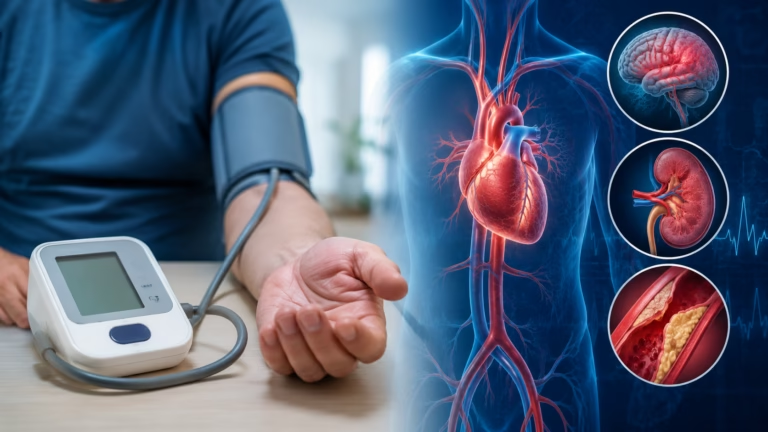
Researchers have found that chronic psychological stress contributes to elevated blood pressure through multiple physiological mechanisms. Stress hormones such as cortisol, adrenaline, and norepinephrine remain elevated for prolonged periods. These hormones cause blood vessels to constrict, increase heart rate, and raise blood pressure. Over time, the cardiovascular system experiences ongoing strain that may contribute to the development of hypertension.
Numerous studies have shown that veterans with PTSD are at increased risk for hypertension compared to individuals without PTSD. The relationship is particularly strong among combat veterans who have experienced prolonged exposure to traumatic stress.
How PTSD Can Contribute to Hypertension
Several biological and behavioral factors help explain why PTSD can lead to hypertension.
Chronic Activation of the Fight-or-Flight Response
One of the hallmark features of PTSD is hyperarousal. Individuals often remain in a constant state of vigilance, anticipating danger even when no threat exists. This ongoing activation of the sympathetic nervous system causes repeated increases in heart rate and blood pressure.
Unlike temporary stress responses that resolve once a stressful situation ends, PTSD-related hyperarousal can persist for years. This continuous cardiovascular strain may eventually contribute to chronic hypertension.
Sleep Disturbances and Poor Blood Pressure Regulation
Sleep disruption is one of the most common symptoms of PTSD. Many veterans experience insomnia, nightmares, night terrors, or frequent awakenings throughout the night.
Healthy sleep plays a crucial role in regulating blood pressure. During normal sleep, blood pressure naturally decreases, allowing the cardiovascular system to recover from daily stress. When sleep is repeatedly disrupted, blood pressure remains elevated for longer periods, increasing the likelihood of developing hypertension.
Chronic Inflammation and Vascular Damage
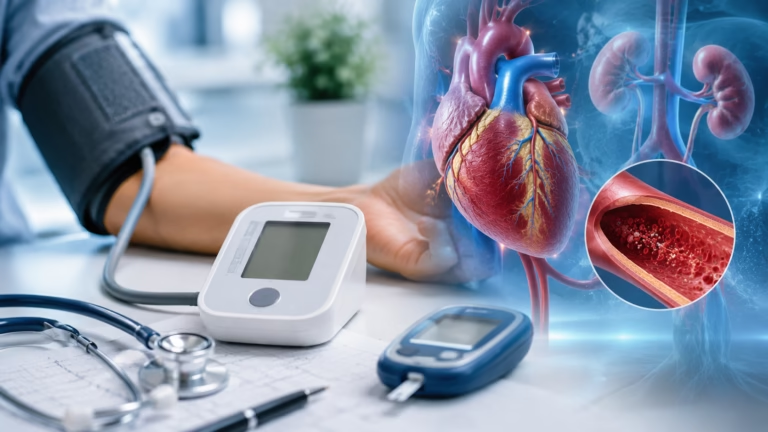
Research suggests that PTSD is associated with increased levels of systemic inflammation. Chronic inflammation may damage blood vessels, impair endothelial function, and contribute to the development of hypertension and cardiovascular disease.
Over time, these inflammatory changes can reduce the flexibility of blood vessels and increase resistance to blood flow, further elevating blood pressure.
Coexisting Mental and Physical Health Conditions
Many veterans with PTSD also experience anxiety disorders, depression, chronic pain, obesity, substance use disorders, or sedentary lifestyles. These conditions may further increase the risk of hypertension and complicate blood pressure management.
A qualified medical provider can evaluate these interacting factors and determine whether PTSD has contributed significantly to the veteran’s hypertension.
What Is a Nexus Letter?
A nexus letter is a medical opinion written by a qualified healthcare professional that establishes a connection between a veteran’s current medical condition and military service or another service-connected disability.
The word “nexus” simply means connection or link. Within the VA disability system, a nexus letter serves as evidence that helps satisfy one of the key requirements for service connection.
In cases involving hypertension secondary to PTSD, the nexus letter explains how the veteran’s service-connected PTSD either caused or aggravated the development of hypertension.
A strong nexus letter can be particularly valuable when service treatment records do not directly document hypertension during military service. The letter helps bridge that evidentiary gap by providing a medical explanation supported by research and clinical findings.
Why a Nexus Letter Is Important for VA Claims
Although the VA may recognize PTSD as a service-connected condition, that recognition does not automatically extend to hypertension. Veterans must still demonstrate that the hypertension is connected to the service-connected PTSD.
A nexus letter can strengthen a claim in several ways.
First, it provides an independent medical opinion supporting the veteran’s position. This can be especially important when VA examiners provide unfavorable opinions or when medical records contain conflicting information.
Second, it explains complex medical relationships in language that VA adjudicators can understand. Many rating specialists are not physicians, so a well-written explanation helps clarify why PTSD likely contributed to hypertension.
Third, a nexus letter can support both initial claims and appeals. Veterans whose claims have been denied often obtain nexus letters to address deficiencies identified by the VA.
Ultimately, a strong nexus letter may significantly improve the likelihood of establishing secondary service connection.
Essential Components of an Effective Nexus Letter
Not all nexus letters carry the same evidentiary weight. To be persuasive, the letter should contain several critical elements.
Physician Qualifications
The author should clearly identify their professional credentials. This typically includes medical degree, board certifications, specialty training, state licensure information, and years of clinical experience.
The physician’s qualifications help establish credibility and demonstrate expertise relevant to the veteran’s condition.
Review of Medical Records
The provider should indicate that they reviewed relevant records, including service treatment records, VA medical records, private treatment records, PTSD evaluations, and blood pressure documentation.
A thorough review strengthens the reliability of the medical opinion.
Detailed Medical History
The letter should summarize the veteran’s military service, PTSD diagnosis, treatment history, and hypertension diagnosis.
It should describe when symptoms began, how they progressed, and any relevant contributing factors.
Medical Rationale
A nexus letter should explain the physiological mechanisms linking PTSD and hypertension.
The provider may discuss chronic sympathetic nervous system activation, elevated stress hormone levels, sleep disturbances, vascular changes, and supporting medical literature.
The rationale is often the most important part of the letter because it demonstrates how the provider arrived at their conclusion.
Clear Opinion Statement
The VA relies heavily on specific language when evaluating medical opinions.
The strongest wording typically states:
“It is at least as likely as not (50 percent probability or greater) that the veteran’s hypertension was caused by or aggravated by their service-connected PTSD.”
This phrase aligns with the legal standard used by the VA when determining service connection.
Providers should avoid vague statements such as “may be related,” “possibly related,” or “could be related,” as these expressions often carry limited evidentiary value.
Supporting Scientific Evidence
An effective nexus letter references peer-reviewed research, medical guidelines, or recognized studies supporting the relationship between PTSD and hypertension.
Including medical literature strengthens the opinion and demonstrates that the conclusion is consistent with established scientific knowledge.
Choosing the Right Medical Professional
Selecting the appropriate provider to write the nexus letter is an important step.
Many veterans seek assistance from psychiatrists, psychologists, cardiologists, internists, family physicians, or independent medical examiners familiar with VA disability claims.
Experience with VA claims can be especially valuable because providers who understand VA standards are more likely to produce opinions that meet adjudication requirements.
Before hiring a provider, veterans should ask whether the clinician has experience preparing nexus letters and whether they understand the VA’s “at least as likely as not” standard.
A knowledgeable provider can make a substantial difference in the quality and effectiveness of the letter.
Preparing for the Nexus Letter Evaluation
Veterans can improve the quality of their nexus letter by gathering relevant documentation before meeting with the provider.
Important records may include:
• Service treatment records
• VA disability rating decisions
• PTSD diagnosis and treatment records
• Blood pressure logs and hypertension treatment records
• Medication history
• Hospitalization records
• Sleep studies if applicable
• Previous Compensation and Pension (C&P) examination reports
Creating a timeline showing when PTSD symptoms began and when hypertension was diagnosed can also help the provider understand the progression of the condition.
The more information available, the stronger and more detailed the medical opinion can be.
Common Mistakes That Weaken Nexus Letters
Several common errors can reduce the effectiveness of a nexus letter.
One frequent problem is a lack of medical rationale. Simply stating that PTSD caused hypertension without explaining why is often insufficient.
Another issue is overly speculative language. Opinions that use phrases such as “might be” or “possibly” may not meet the VA’s evidentiary standard.
Letters written by individuals without appropriate medical qualifications may also receive limited consideration.
Finally, failing to reference supporting medical evidence can weaken the credibility of the opinion.
Veterans should carefully review nexus letters before submission to ensure they contain a clear opinion, supporting rationale, and proper documentation.
Conclusion
A nexus letter for hypertension secondary to PTSD can be one of the most powerful tools available to veterans pursuing VA disability benefits. As medical research continues to demonstrate the relationship between chronic psychological stress and cardiovascular disease, more veterans are successfully establishing service connection for hypertension linked to PTSD.
A strong nexus letter does more than state a conclusion. It explains the medical reasoning behind the connection, references scientific evidence, and applies the VA’s required legal standard. When prepared by a qualified medical professional, it can provide compelling support for both initial claims and appeals.
Veterans pursuing secondary service connection should begin by gathering their medical records, documenting the progression of their symptoms, and consulting a provider familiar with VA disability evaluations. Taking these steps can significantly strengthen a claim and improve the likelihood of obtaining the compensation and recognition earned through military service.
The path to a successful claim often begins with strong evidence. A well-crafted nexus letter may be the critical link that helps connect PTSD and hypertension in the eyes of the VA and secures the benefits a veteran deserves.
Disclaimer
This article is for educational purposes only and does not replace professional medical advice, diagnosis, or treatment. Seizures, severe headache, confusion, visual changes, or blood pressure readings in the hypertensive crisis range require urgent medical evaluation.
Was this page helpful?
Thanks for your feedback! What could we improve?
Thank you! Your feedback helps us improve our articles.
True Impact Health articles are written by our editorial team and based on reliable sources such as public health agencies, clinical guidelines and peer-reviewed research. This article has not yet been medically reviewed. Read our editorial process.
This content is for general information and is not a substitute for professional medical advice, diagnosis or treatment.