









How to Treat Lymphatic Acne
Acne can be a frustrating and persistent skin concern, especially when breakouts continue despite following a consistent skincare routine. While many...
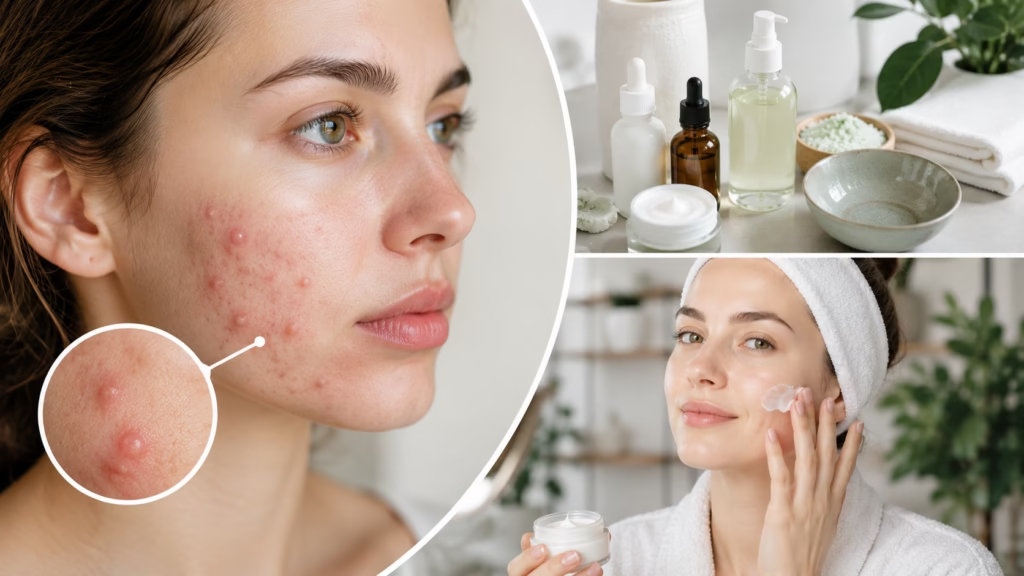
Table of Contents
Introduction
Acne can be a frustrating and persistent skin concern, especially when breakouts continue despite following a consistent skincare routine. While many people are familiar with hormonal acne, cystic acne, and acne caused by excess oil production, fewer people have heard of what is commonly referred to as lymphatic acne. This term is often used to describe breakouts that appear around the jawline, beneath the chin, along the neck, or near areas where lymph nodes are concentrated. These blemishes are frequently accompanied by facial puffiness, tenderness, and inflammation.
Although “lymphatic acne” is not an official medical diagnosis, some skincare professionals and holistic practitioners believe that sluggish lymphatic circulation may contribute to inflammation and fluid retention that can worsen certain types of acne. The lymphatic system plays an important role in immune function, waste removal, and fluid balance throughout the body. When lymphatic flow is impaired due to stress, dehydration, poor sleep, inactivity, or illness, it may contribute to swelling and inflammatory skin changes in susceptible individuals.
Treating lymphatic acne requires a comprehensive approach that addresses both skin health and overall wellness. By supporting healthy circulation, improving skincare habits, reducing inflammation, and adopting beneficial lifestyle practices, many people notice significant improvements in their complexion. This guide explores practical strategies to help reduce breakouts and promote healthier skin.
Understanding Lymphatic Acne
The lymphatic system is a network of vessels, tissues, and lymph nodes that helps remove waste products, toxins, excess fluid, and cellular debris from the body. Unlike the circulatory system, which relies on the heart to pump blood, the lymphatic system depends on movement, muscle contractions, breathing, and other natural body processes to maintain healthy flow.
When lymphatic circulation slows down, fluid may accumulate in certain areas of the body. This can contribute to swelling, puffiness, and inflammation. Some practitioners suggest that this stagnation may create conditions that worsen existing acne or make certain areas of the face more prone to breakouts.
Breakouts associated with lymphatic congestion are often concentrated around the jawline, under the chin, and along the sides of the neck. These areas contain numerous lymph nodes that help filter lymphatic fluid. In addition to pimples, individuals may notice facial swelling, tenderness, or a feeling of heaviness in these regions.
It is important to note that acne is usually multifactorial. Hormones, genetics, bacteria, excess oil production, diet, stress, and skincare habits all play important roles. Therefore, addressing lymphatic health should be viewed as one component of a broader acne management strategy.
Signs That May Suggest Lymphatic-Related Breakouts
People who suspect lymphatic involvement often notice patterns that differ from traditional acne. Breakouts may consistently appear in the same areas around the jaw and neck rather than across the forehead, nose, and cheeks. The skin may feel swollen or puffy, particularly in the morning or after periods of stress.
Many individuals report that their blemishes heal slowly and tend to linger beneath the skin. These breakouts may become more noticeable during periods of poor sleep, travel, dehydration, illness, or emotional stress. Some people also observe flare-ups after consuming foods that trigger inflammation or sensitivity.
While these signs do not definitively confirm lymphatic involvement, they may indicate that improving circulation and reducing inflammation could benefit overall skin health.
Supporting Healthy Lymphatic Drainage
One of the most commonly recommended approaches for managing lymphatic-related skin concerns is improving lymphatic circulation. Because the lymphatic system relies heavily on movement, even simple daily activities can support its function.
Facial Lymphatic Massage
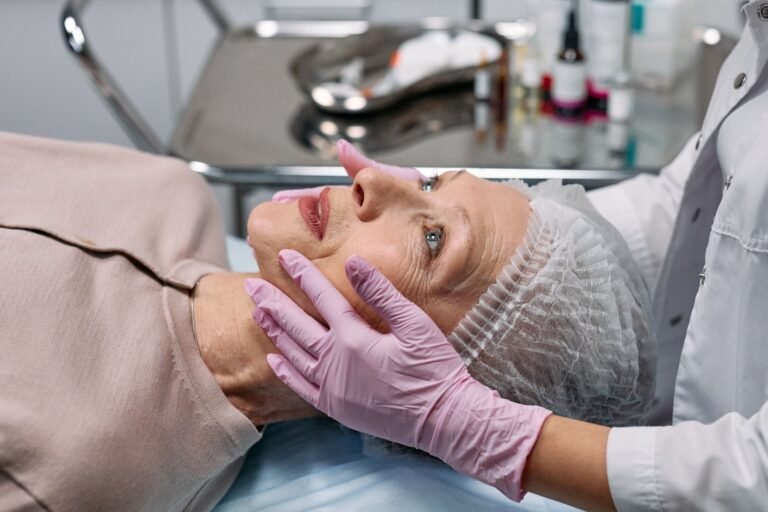
Gentle facial massage can help encourage fluid movement and reduce puffiness. Using clean hands or a facial tool, apply light pressure and sweep outward from the center of the face toward the ears and down the neck toward the collarbone. The movements should be gentle rather than forceful, as lymphatic vessels are located close to the surface of the skin.
Many people find that regular lymphatic massage helps reduce facial swelling and improves the overall appearance of their skin. Performing this technique for a few minutes each day may support circulation and enhance relaxation.
Regular Physical Activity
Exercise is one of the most effective ways to stimulate lymphatic flow. Walking, jogging, cycling, swimming, yoga, and strength training all encourage muscle contractions that help move lymphatic fluid throughout the body.
Even moderate daily activity can provide significant benefits. Individuals who spend long hours sitting may particularly benefit from incorporating movement breaks throughout the day to prevent fluid stagnation.
Deep Breathing Exercises
The lymphatic system is influenced by breathing patterns. Deep diaphragmatic breathing creates pressure changes within the chest cavity that help stimulate lymph movement.
Taking several minutes each day to practice slow, controlled breathing may support lymphatic circulation while also reducing stress, which is another important factor in acne development.
Optimizing Your Skincare Routine
While improving lymphatic flow may be helpful, a consistent skincare routine remains essential for managing acne effectively.
Gentle Cleansing
Using a mild cleanser twice daily helps remove excess oil, dirt, sweat, and environmental pollutants without damaging the skin barrier. Harsh cleansers can increase irritation and inflammation, potentially worsening breakouts.
Look for fragrance-free cleansers designed for acne-prone or sensitive skin. Cleansing should leave the skin feeling clean but not tight or excessively dry.
Exfoliation for Congested Pores
Chemical exfoliants can help reduce clogged pores and improve skin texture. Salicylic acid is particularly beneficial because it penetrates into pores and dissolves excess oil and debris.
Most people benefit from using salicylic acid one or two times per week initially, gradually increasing frequency if tolerated. Over-exfoliation should be avoided because it can compromise the skin barrier and increase inflammation.
Anti-Inflammatory Ingredients
Certain skincare ingredients can help calm redness and irritation while supporting healthier skin.
Niacinamide is known for its ability to reduce inflammation, regulate oil production, and strengthen the skin barrier. Azelaic acid provides both anti-inflammatory and antibacterial benefits and may help improve acne while reducing post-inflammatory discoloration.
Products containing these ingredients are often well tolerated and can complement other acne treatments.
Moisturizing and Sun Protection
Many individuals with acne mistakenly avoid moisturizers, fearing they will worsen breakouts. In reality, maintaining proper hydration supports skin barrier function and can reduce irritation.
Choose non-comedogenic moisturizers that contain ingredients such as ceramides, hyaluronic acid, or squalane. Daily sunscreen use is equally important because ultraviolet radiation can worsen inflammation and contribute to pigmentation changes after acne heals.
Dietary and Lifestyle Factors
Skin health is closely connected to overall health. Certain dietary and lifestyle habits may influence inflammation, hormonal balance, and immune function.
Stay Well Hydrated
Adequate hydration supports normal circulation and helps maintain healthy skin function. While drinking more water is not a cure for acne, dehydration can contribute to dry, irritated skin and may impair overall lymphatic function.
Most adults benefit from drinking water consistently throughout the day, adjusting intake based on activity level, climate, and individual needs.
Focus on Anti-Inflammatory Foods
A diet rich in fruits, vegetables, whole grains, legumes, nuts, seeds, and fatty fish may help reduce systemic inflammation. Foods rich in omega-3 fatty acids, such as salmon, sardines, and walnuts, have been associated with anti-inflammatory effects that may benefit skin health.
Some individuals notice improvements when reducing highly processed foods, sugary beverages, and excessive refined carbohydrates. Others may identify personal triggers such as dairy products or specific food sensitivities.
Prioritize Quality Sleep
Sleep is one of the body’s most important recovery processes. Poor sleep can increase stress hormones, promote inflammation, and impair immune function, all of which may contribute to acne flare-ups.
Aim for seven to nine hours of quality sleep each night and establish a consistent sleep schedule whenever possible.
Manage Stress Levels
Chronic stress can significantly affect skin health. Elevated cortisol levels may increase inflammation and influence oil production, contributing to breakouts.
Practices such as meditation, yoga, mindfulness, journaling, and regular exercise can help manage stress and support both skin and overall well-being.
Professional Treatment Options
For individuals who continue to struggle with persistent breakouts despite lifestyle changes and skincare improvements, professional treatment may be beneficial.
Manual lymphatic drainage performed by a trained therapist can help reduce fluid retention and improve circulation. Some individuals notice improvements in facial puffiness and skin appearance after a series of treatments.
Dermatologists may recommend prescription therapies such as topical retinoids, benzoyl peroxide, antibiotics, hormonal treatments, or other evidence-based acne medications depending on the severity and underlying cause of the breakouts.
Procedures such as chemical peels, microneedling, or light-based therapies may also be considered in appropriate cases.
Long-Term Prevention and Maintenance
Successfully managing acne often requires consistency rather than quick fixes. Maintaining healthy habits even after breakouts improve can help prevent future flare-ups.
Regular exercise, proper hydration, quality sleep, stress management, and a balanced skincare routine create a foundation for long-term skin health. Keeping a journal that tracks diet, stress levels, sleep patterns, and breakouts can help identify personal triggers and patterns over time.
Because skin needs can change with age, seasons, hormones, and lifestyle factors, periodically reassessing your routine can help ensure it continues to meet your needs.
Conclusion
Lymphatic acne is a term often used to describe inflammatory breakouts that appear around the jawline, neck, and chin, particularly when accompanied by puffiness or signs of fluid retention. Although acne is typically influenced by multiple factors, supporting healthy lymphatic circulation may help reduce inflammation and improve skin appearance in some individuals.
A comprehensive approach that includes gentle skincare, regular physical activity, adequate hydration, anti-inflammatory nutrition, stress management, and sufficient sleep offers the best chance for long-term improvement. For persistent or severe cases, consulting a dermatologist can help identify underlying causes and provide targeted treatment options.
Healthy skin is often a reflection of overall wellness. By caring for both your skin and your body as a whole, you can support clearer, calmer, and more resilient skin over time.
Disclaimer
This article is for educational purposes only and does not replace professional medical advice, diagnosis, or treatment. Seizures, severe headache, confusion, visual changes, or blood pressure readings in the hypertensive crisis range require urgent medical evaluation.
Was this page helpful?
Thanks for your feedback! What could we improve?
Thank you! Your feedback helps us improve our articles.
True Impact Health articles are written by our editorial team and based on reliable sources such as public health agencies, clinical guidelines and peer-reviewed research. This article has not yet been medically reviewed. Read our editorial process.
This content is for general information and is not a substitute for professional medical advice, diagnosis or treatment.