












How to Treat a Rope Burn
Rope burns are surprisingly common injuries that can occur during a wide range of activities, including rock climbing, sailing, fitness training,...
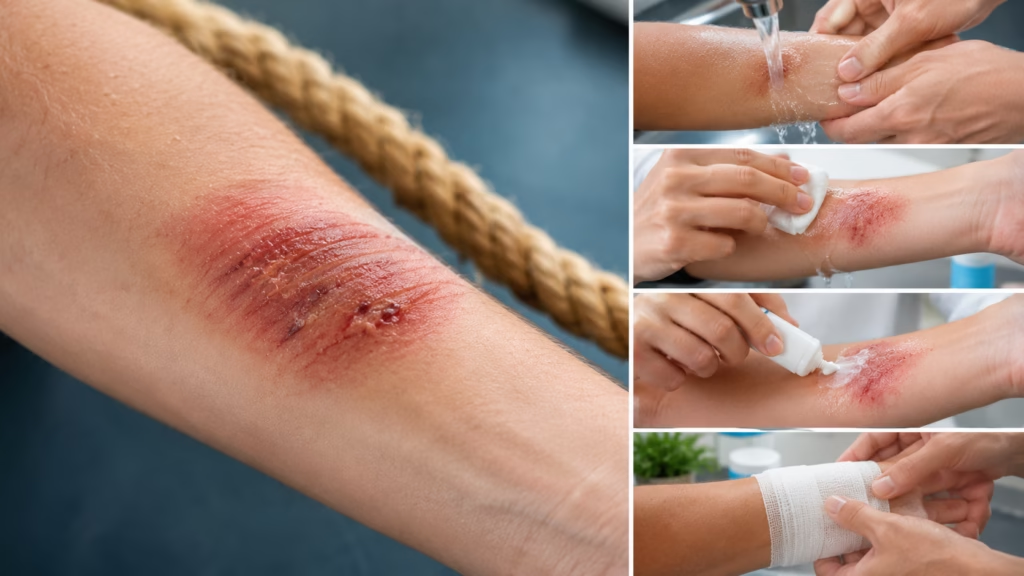
Table of Contents
Introduction
Rope burns are surprisingly common injuries that can occur during a wide range of activities, including rock climbing, sailing, fitness training, construction work, camping, horseback riding, and even everyday tasks involving heavy ropes. Although many people view rope burns as minor abrasions, they can be quite painful and, in some cases, result in significant skin damage. The friction generated when a rope rapidly slides across the skin can remove multiple layers of tissue, leading to inflammation, blistering, bleeding, and an increased risk of infection.
The severity of a rope burn depends on factors such as the speed of the rope, the amount of pressure applied, the type of rope involved, and the duration of contact with the skin. While mild rope burns often heal quickly with proper home care, deeper injuries may require medical attention to prevent complications and ensure proper healing.
Understanding how to treat a rope burn correctly can significantly reduce pain, lower the risk of infection, and promote faster recovery. This guide explains how to assess the severity of a rope burn, administer immediate first aid, support the healing process, recognize warning signs of complications, and prevent future injuries.
Understanding Rope Burns
A rope burn is a friction injury that occurs when a rope rubs forcefully against the skin. Unlike a traditional thermal burn caused by heat, a rope burn combines both abrasion and friction-related heat damage. As the rope moves across the skin, it can scrape away the outer layers while simultaneously generating enough heat to damage underlying tissues.
The result is an injury that often resembles a combination of a scrape and a burn. Depending on the force involved, the damage may range from mild redness and irritation to deep wounds involving multiple skin layers.
Common areas affected by rope burns include the hands, fingers, palms, wrists, forearms, ankles, and legs. However, any part of the body exposed to friction from a rope can sustain injury.
Assessing the Severity of the Injury
Before beginning treatment, it is important to determine how severe the rope burn is. Understanding the extent of the damage helps guide appropriate care and identifies situations where professional medical attention may be necessary.
Mild Rope Burns
Mild rope burns typically affect only the outermost layer of skin. The area may appear red, tender, and slightly swollen. Pain is usually present but manageable, and the skin remains largely intact.
These superficial injuries often heal within several days when properly cleaned and protected. They generally do not leave permanent scars and rarely result in complications.
Moderate Rope Burns
Moderate rope burns penetrate deeper into the skin and may involve partial-thickness tissue damage. The injured area may develop blisters, ooze clear fluid, or exhibit areas where the skin has been scraped away.
Pain is often more intense because deeper skin layers contain numerous nerve endings. Healing typically requires one to two weeks and may leave temporary discoloration or mild scarring.
Severe Rope Burns
Severe rope burns involve significant tissue destruction and may extend through multiple layers of skin. The affected area may appear white, leathery, charred, or unusually pale. In some cases, nerve damage may actually reduce pain sensation despite extensive injury.
These burns require immediate medical evaluation because they carry a high risk of infection, scarring, and long-term complications. Professional wound care is often necessary to promote proper healing.
Immediate First Aid for Rope Burns
Prompt first aid can make a substantial difference in the healing process. Once the injury occurs, the first priority is to stop further damage and begin caring for the affected area.
Stop the Activity Immediately
The first step is to remove the source of friction. Continuing to handle the rope or participate in the activity can worsen tissue damage and increase pain.
Move to a safe location and allow the injured area to rest. If the injury occurred during a physically demanding activity, take time to assess the wound carefully before continuing.
Cool the Area
Gently rinse the affected area under cool running water for several minutes. Cool water helps reduce inflammation, soothe pain, and remove dirt or debris that may have entered the wound.
Avoid using ice directly on the skin. Ice can restrict blood flow and potentially worsen tissue damage. Instead, cool water provides a safer and equally effective method of reducing discomfort.
Control Bleeding
If the rope burn has caused broken skin or bleeding, apply gentle pressure using a clean cloth, sterile gauze, or bandage. Most minor bleeding should stop within a few minutes.
If the injury involves an arm or leg, elevating the limb above heart level may help reduce bleeding and swelling.
Cleaning the Wound Properly
Thorough cleaning is one of the most important steps in preventing infection and promoting healing.
Wash with Mild Soap and Water
After initial rinsing, gently clean the surrounding skin using mild soap and lukewarm water. This helps remove bacteria, dirt, sweat, and debris that could interfere with healing.
Avoid scrubbing aggressively, as excessive friction can damage newly exposed tissue and increase pain.
Remove Visible Debris
Inspect the wound carefully for any dirt, fibers, or foreign material. Small particles trapped within the injury can increase the risk of infection and delay healing.
If debris is visible, use sterilized tweezers to remove it gently. If particles are deeply embedded, seek medical assistance rather than attempting forceful removal.
Use Appropriate Antiseptics
A mild antiseptic solution may be used to reduce bacterial contamination. Products containing povidone-iodine or chlorhexidine are commonly recommended.
Avoid using hydrogen peroxide or rubbing alcohol directly on open wounds. Although these products kill bacteria, they can also damage healthy tissue and slow the healing process.
Protecting the Burn During Healing
Once the wound has been cleaned, protecting it becomes essential.
Apply Antibiotic Ointment
A thin layer of antibiotic ointment can help prevent bacterial growth while keeping the wound moist. Maintaining a moist wound environment often promotes faster healing compared to allowing the area to dry out completely.
Apply only a thin layer, as excessive ointment can trap moisture and debris.
Cover the Wound
Using a sterile, non-stick dressing protects the wound from contamination and reduces irritation caused by clothing or movement.
Non-adherent gauze pads are often ideal because they do not stick to healing tissue. Silicone dressings may also be beneficial for larger or more sensitive injuries.
Secure the dressing loosely with medical tape or a bandage. Wrapping too tightly can impair circulation and slow recovery.
Change Dressings Regularly
Dressings should generally be changed at least once daily or whenever they become wet, dirty, or loose.
Each dressing change provides an opportunity to inspect the wound for signs of healing or potential complications.
Managing Pain and Inflammation
Rope burns can remain uncomfortable for several days, particularly if they affect the hands or joints.
Over-the-Counter Pain Relief
Non-prescription medications such as acetaminophen or ibuprofen can help manage discomfort. Ibuprofen may provide additional benefits by reducing inflammation and swelling.
Always follow dosing instructions and consult a healthcare provider if you have any medical conditions that limit the use of these medications.
Cold Compresses
A cold compress wrapped in a clean cloth may be applied intermittently during the first 24 to 48 hours. This can reduce swelling and provide temporary pain relief.
Each application should last approximately 10 to 15 minutes, followed by a break to allow normal circulation to return.
Supporting the Healing Process
Proper wound care extends beyond the initial treatment.
Maintain Good Nutrition
The body requires adequate nutrients to repair damaged tissue. Protein, vitamin C, zinc, and adequate hydration play particularly important roles in wound healing.
Eating a balanced diet rich in fruits, vegetables, lean proteins, and whole grains supports recovery from skin injuries.
Avoid Picking or Scratching
As rope burns heal, itching often develops. While this can be frustrating, scratching may reopen the wound, increase scarring, and introduce bacteria.
Allow scabs and peeling skin to separate naturally rather than removing them prematurely.
Limit Friction
Repeated rubbing against clothing, tools, or sports equipment can delay healing. Protect the injured area and avoid activities that place excessive stress on the wound until recovery is complete.
Recognizing Signs of Infection
Although most rope burns heal without complications, infection remains a possibility, especially when the skin has been broken.
Warning signs include increasing redness around the wound, worsening pain, swelling, warmth, pus drainage, foul odor, or red streaks extending away from the injury.
Some individuals may also develop fever, chills, or general feelings of illness. These symptoms suggest that medical evaluation is necessary.
Prompt treatment of infections helps prevent deeper tissue involvement and more serious complications.
When to Seek Medical Attention
Professional medical care should be sought if the rope burn is severe, covers a large area, or involves sensitive locations such as the face, hands, feet, or joints.
Medical evaluation is also recommended if there is persistent bleeding, extensive blistering, exposed tissue, signs of infection, or delayed healing.
Individuals with diabetes, immune system disorders, or circulation problems should be especially cautious because wound healing may be impaired.
A healthcare provider may prescribe specialized dressings, antibiotics, pain medications, or additional treatments depending on the severity of the injury.
Preventing Future Rope Burns
Prevention remains the most effective strategy.
Wearing properly fitted protective gloves significantly reduces friction injuries during activities involving ropes. High-quality gloves designed for climbing, sailing, rescue operations, or industrial work provide both grip and protection.
Learning proper rope-handling techniques is equally important. Sudden jerking motions, uncontrolled descents, and allowing ropes to slide rapidly through bare hands increase the likelihood of injury.
Regular inspection of ropes can also improve safety. Frayed, stiff, or damaged ropes often generate more friction and may be harder to control.
Maintaining healthy, moisturized skin may provide additional protection, as excessively dry or cracked skin tends to be more vulnerable to friction injuries.
Conclusion
Rope burns are common injuries that can range from minor skin irritation to serious wounds involving multiple layers of tissue. Although many rope burns heal successfully with simple first aid, proper treatment is essential to prevent infection, minimize discomfort, and support optimal healing.
The most effective approach involves promptly cooling the injury, thoroughly cleaning the wound, applying appropriate dressings, and monitoring for signs of complications. Pain management, good nutrition, and protection from further friction also contribute to a smoother recovery.
Most mild and moderate rope burns heal completely within days to weeks when cared for properly. However, severe injuries or wounds showing signs of infection should always receive professional medical attention. By understanding both treatment and prevention strategies, you can protect yourself from future injuries and ensure that a rope burn remains a temporary setback rather than a long-term problem.
Disclaimer
This article is for educational purposes only and does not replace professional medical advice, diagnosis, or treatment. Seizures, severe headache, confusion, visual changes, or blood pressure readings in the hypertensive crisis range require urgent medical evaluation.
Was this page helpful?
Thanks for your feedback! What could we improve?
Thank you! Your feedback helps us improve our articles.
True Impact Health articles are written by our editorial team and based on reliable sources such as public health agencies, clinical guidelines and peer-reviewed research. This article has not yet been medically reviewed. Read our editorial process.
This content is for general information and is not a substitute for professional medical advice, diagnosis or treatment.