












How to Treat Red Gums in Dogs
Red gums in dogs signal gum inflammation or infection; regular cleaning and veterinary assessment are key to prevent pain and disease.
By True Impact Health Editorial Team

Dr. Hannah Silvanus, DVMVeterinary Reviewer, True Impact Health
Doctor of Veterinary Medicine (DVM) who reviews the pet and animal health articles on True Impact Health.
Reviewed this article on October 10, 2026.
View profile How we reviewUpdated on October 10, 2026 9 min read
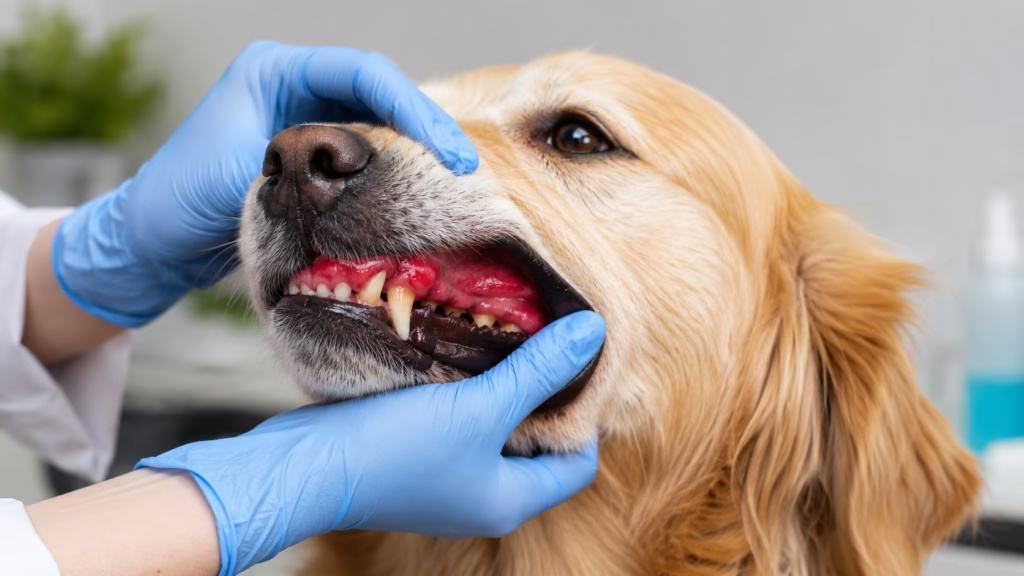
Table of Contents
Quick answer
Red gums in dogs usually mean gum inflammation, often from plaque, tartar or early periodontal disease. Clean the teeth regularly, use veterinary‑recommended dental chews, and have a vet check for infection, injury or systemic illness. Prompt veterinary care is needed if bleeding, pain or swelling occurs.
Introduction
A dog’s oral health plays a vital role in its overall well-being. While many pet owners focus on nutrition, exercise, and vaccinations, dental care is often overlooked until visible signs of a problem appear. One of the most common warning signs of dental disease in dogs is the presence of red, swollen, or inflamed gums. Healthy gums should generally appear pink and firm. When they become red, tender, or prone to bleeding, it usually indicates inflammation and the beginning stages of a dental problem that requires attention.
Red gums are not merely a cosmetic issue. They can signal bacterial infections, gum disease, injury, or even underlying systemic illnesses. If left untreated, inflammation can progress deeper into the tissues supporting the teeth, leading to pain, tooth loss, difficulty eating, and infections that may affect other organs such as the heart, kidneys, and liver. Understanding the causes of red gums and knowing how to treat them can help protect your dog’s oral health and improve its quality of life.
Understanding Red Gums in Dogs
Red gums are most commonly associated with gingivitis, which is inflammation of the gum tissue surrounding the teeth. Gingivitis develops when plaque and bacteria accumulate along the gumline. The body’s immune system responds to these bacteria, causing redness, swelling, and irritation.
In the early stages, gingivitis may be mild and reversible. However, if plaque remains on the teeth and hardens into tartar, bacteria can penetrate deeper beneath the gums. This progression can lead to periodontal disease, a more serious condition that damages the structures supporting the teeth.
Dogs of all ages can develop gum inflammation, although it tends to be more common in older dogs and certain small breeds that are prone to dental problems. Breeds such as Chihuahuas, Yorkshire Terriers, Toy Poodles, and Dachshunds often experience dental disease earlier than larger breeds.
Pet owners may notice that their dog’s gums appear unusually red, particularly around the edges of the teeth. The gums may also look swollen or puffy, and some dogs may show signs of discomfort when chewing or when their mouth is touched.
Common Causes of Red Gums in Dogs
One of the most frequent causes of red gums is plaque and tartar accumulation. After a dog eats, food particles combine with bacteria and saliva to form plaque on the teeth. If plaque is not removed through chewing or brushing, it gradually hardens into tartar. The rough surface of tartar creates an ideal environment for bacterial growth, which irritates the gums and triggers inflammation.
Periodontal disease is another major cause of gum redness. This condition develops when bacterial infection spreads below the gumline and affects the tissues and bone supporting the teeth. As periodontal disease advances, dogs may experience pain, loose teeth, gum recession, and persistent bad breath. In severe cases, bacteria can enter the bloodstream and contribute to health problems elsewhere in the body.
Physical trauma can also lead to red or inflamed gums. Dogs frequently chew on sticks, bones, toys, and other objects that may injure the delicate tissues inside the mouth. Splinters, sharp edges, or embedded foreign objects can cause localized irritation and inflammation. In these cases, redness is often limited to a specific area.
Certain medical conditions can contribute to poor gum health as well. Diseases such as diabetes, kidney disease, autoimmune disorders, and hormonal imbalances can weaken the body’s ability to fight infection and maintain healthy oral tissues. Nutritional deficiencies and weakened immune function may also increase susceptibility to gum inflammation.
In some dogs, allergies or reactions to certain foods, medications, or environmental triggers may cause irritation within the mouth. Although less common, these reactions can sometimes present as redness and swelling of the gums.
Recognizing Symptoms Associated with Red Gums
Red gums are often accompanied by other signs that indicate an underlying dental problem. Bad breath is one of the earliest and most noticeable symptoms. While a dog’s breath is rarely pleasant, an unusually foul or persistent odor may suggest bacterial overgrowth and infection.
Many dogs with inflamed gums drool more than usual. Some may paw at their mouths, rub their faces against furniture, or show reluctance to chew hard foods and treats. You may notice your dog chewing on only one side of the mouth or dropping food while eating.
Bleeding gums can occur when inflammation becomes more severe. Small amounts of blood may be visible on chew toys, food bowls, or during brushing. As the condition progresses, dogs may become increasingly uncomfortable and may even show changes in behavior, including irritability, reduced activity, or loss of appetite.
In advanced cases, visible tartar accumulation, loose teeth, pus around the gumline, and facial swelling may develop. These symptoms warrant immediate veterinary attention.
Obtaining an Accurate Diagnosis
When red gums are observed, a veterinary examination is important to determine the underlying cause and severity of the condition. During the examination, the veterinarian will inspect the teeth, gums, tongue, and other oral tissues for signs of inflammation, infection, and dental disease.
In many cases, a more thorough dental assessment may be recommended. This often includes dental radiographs, commonly known as dental X-rays, which allow veterinarians to evaluate structures beneath the gumline. Dental X-rays can reveal bone loss, abscesses, impacted teeth, and other hidden problems that are not visible during a routine oral examination.
Blood testing may also be performed, especially in older dogs or those showing signs of systemic illness. These tests help identify conditions such as kidney disease, diabetes, or immune disorders that may contribute to gum problems or affect treatment decisions.
Accurate diagnosis is essential because treatment approaches vary depending on the underlying cause.
Home Care Strategies for Treating Red Gums
Home care plays an important role in managing mild gum inflammation and supporting professional treatment. One of the most effective measures is regular tooth brushing. Daily brushing helps remove plaque before it hardens into tartar and reduces the bacterial burden within the mouth.
Dog owners should always use toothbrushes and toothpaste specifically designed for dogs. Human toothpaste contains ingredients that can be harmful if swallowed. Introducing brushing gradually and using positive reinforcement can help dogs become more comfortable with the process.
Dental chews and oral health toys can also support gum health. Many veterinary-approved products are designed to mechanically reduce plaque accumulation during chewing. Products carrying approval from the Veterinary Oral Health Council are often reliable options.
Veterinarians may recommend antiseptic oral gels or chlorhexidine-based products to reduce bacterial growth. These products can help control inflammation and support healing when used as directed.
Nutrition also plays a role in maintaining healthy gums. High-quality dental diets and specially formulated kibble can promote chewing and help reduce plaque formation. Some dogs may benefit from water additives designed to improve oral hygiene.
Omega-3 fatty acid supplements may provide additional anti-inflammatory benefits and support overall health. However, any supplement should be discussed with a veterinarian before use.
Professional Veterinary Treatments
While home care is valuable, moderate to severe gum disease usually requires professional intervention. Veterinary dental cleaning is the cornerstone of treatment for significant plaque and tartar accumulation.
Professional dental procedures are performed under anesthesia to allow thorough cleaning above and below the gumline. Scaling removes tartar deposits, while polishing smooths the tooth surface and reduces future plaque accumulation.
For dogs with periodontal disease, more advanced treatments may be necessary. These can include deep cleaning beneath the gums, root planing, antibiotic therapy, and treatment of infected periodontal pockets.
In situations where teeth are severely damaged or loose, extraction may be the best option. Removing diseased teeth can eliminate pain, resolve infection, and improve overall oral health.
Some veterinary dental specialists may also perform advanced procedures such as periodontal surgery, bone grafting, or regenerative treatments to preserve affected teeth when possible.
Preventing Future Gum Problems
Prevention is far easier and less costly than treating advanced dental disease. Establishing a consistent oral hygiene routine can dramatically reduce the risk of red gums and periodontal disease.
Regular brushing remains the most effective preventive measure. Even brushing several times per week can significantly reduce plaque accumulation. Routine veterinary dental examinations allow early detection of problems before they become severe.
Providing appropriate chew toys, feeding a balanced diet, and avoiding excessive amounts of sticky treats can also help maintain healthy teeth and gums. Monitoring your dog’s mouth regularly allows you to identify changes early and seek treatment before complications develop.
Many veterinarians recommend annual dental evaluations, although dogs with a history of dental disease may require more frequent monitoring.
Conclusion
Red gums in dogs should never be ignored. They are often the earliest visible sign of dental disease and may indicate inflammation, infection, injury, or underlying health problems. Without treatment, mild gingivitis can progress into painful periodontal disease that affects not only the mouth but also the dog’s overall health.
Fortunately, early intervention can make a significant difference. Through a combination of professional veterinary care, regular dental cleanings, proper home hygiene, and preventive strategies, most dogs can maintain healthy gums and strong teeth throughout their lives.
If you notice redness, swelling, bleeding, or bad breath in your dog’s mouth, schedule a veterinary examination as soon as possible. Prompt treatment can relieve discomfort, prevent complications, and help ensure that your canine companion enjoys a healthier and happier future.
Disclaimer
This article is for educational purposes only and does not replace professional medical advice, diagnosis, or treatment. Seizures, severe headache, confusion, visual changes, or blood pressure readings in the hypertensive crisis range require urgent medical evaluation.
When to see a vet
- Bleeding gums or blood on toys, food, or during brushing
- Swelling, pus, or a noticeable lump around the gums
- Persistent bad breath with drooling or reluctance to eat
- Visible tartar, loose teeth, or facial swelling
- Your dog shows signs of pain when the mouth is touched
If your pet collapses, struggles to breathe or is in severe pain, contact an emergency vet straight away.
Frequently asked questions
Can I treat red gums at home without a vet?
Mild gum redness from plaque can improve with daily brushing and dental chews, but any sign of bleeding, pain or persistent inflammation should be evaluated by a veterinarian to rule out infection or deeper disease.
How often should I brush my dog's teeth?
Most vets recommend brushing daily or at least several times a week with a dog‑specific toothbrush and toothpaste. Consistency helps prevent plaque buildup that leads to red gums.
Are certain foods bad for my dog's gums?
Hard, sugary treats and foods that stick to teeth can promote plaque. Offer balanced kibble, limit treats, and avoid giving dogs human sweets or foods high in sugar.
What is the link between red gums and systemic disease?
Chronic gum inflammation can allow bacteria to enter the bloodstream, potentially affecting the heart, kidneys or liver. Managing oral health helps reduce this risk, especially in dogs with diabetes or immune disorders.
Sources and further reading
Was this page helpful?
Thanks for your feedback! What could we improve?
Thank you! Your feedback helps us improve our articles.
Veterinary reviewed by
Dr. Hannah Silvanus, DVMDoctor of Veterinary Medicine (DVM) who reviews the pet and animal health articles on True Impact Health.
True Impact Health articles are written by our editorial team and based on reliable sources such as public health agencies, clinical guidelines and peer-reviewed research. This article has been checked by a veterinarian on our review panel. Read our editorial process.
This content is for general information and is not a substitute for professional medical advice, diagnosis or treatment.