










How to Treat Tattoo Pimples
Getting a tattoo is an exciting experience. Whether it is your first piece of body art or an addition to an existing collection, a new tattoo often...
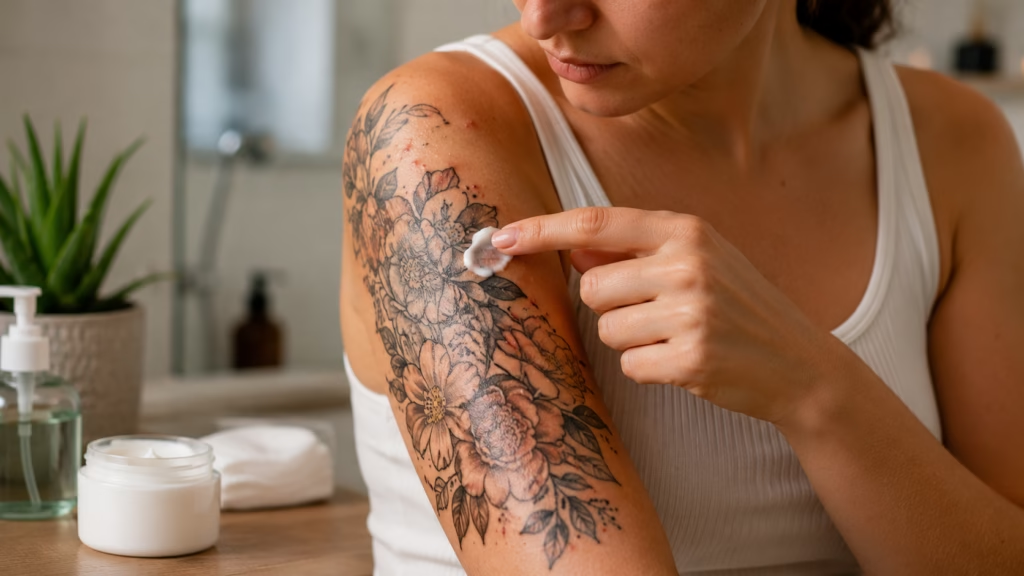
Table of Contents
Introduction
Getting a tattoo is an exciting experience. Whether it is your first piece of body art or an addition to an existing collection, a new tattoo often represents something meaningful and personal. However, the healing process does not always go exactly as expected. One issue that surprises many people is the appearance of small pimples, bumps, or acne-like spots around a new tattoo. These blemishes can cause concern, especially when you are worried about protecting your fresh ink and ensuring it heals properly.
Tattoo pimples are relatively common and can develop for several reasons. In many cases, they are harmless and result from clogged pores, excess moisture, irritation from aftercare products, or temporary inflammation caused by the tattooing process itself. Occasionally, however, they may signal an allergic reaction or a developing infection that requires professional attention.
Understanding why tattoo pimples occur and knowing how to treat them safely can help protect both your skin and your tattoo. This guide explains the causes of tattoo pimples, how to distinguish them from more serious complications, and the best ways to promote healthy healing while preserving the appearance of your tattoo.
Understanding Tattoo Pimples
Tattoo pimples are small raised bumps that appear on or around the tattooed area during the healing process. These bumps may resemble traditional acne and can appear as whiteheads, blackheads, tiny pustules, or red inflamed spots. They may develop within days of getting a tattoo or appear later as the skin continues to heal.
Unlike normal tattoo healing, which typically involves mild redness, swelling, itching, and light scabbing, tattoo pimples are localized bumps that form around hair follicles or pores. Although they can look alarming, many cases are temporary and resolve without causing damage to the tattoo.
The appearance of tattoo pimples is often related to the body’s natural healing response. During healing, the skin produces oils, sheds dead skin cells, and reacts to minor irritation. When these factors combine with ointments, sweat, or bacteria, pores can become blocked, leading to pimple formation.
Common Causes of Tattoo Pimples
Understanding what causes tattoo pimples is essential for choosing the most effective treatment approach.
One of the most common causes is clogged pores. During the healing period, many people apply ointments, creams, or lotions to keep the tattoo moisturized. While moisturizing is important, applying products too heavily can block pores and trap oil, sweat, and dead skin cells beneath the surface. This creates an ideal environment for pimples to form.
Sweating can also contribute to breakouts. Fresh tattoos are particularly sensitive to heat and moisture. Excessive sweating after exercise, exposure to hot weather, or wearing tight clothing can trap moisture against the skin. This buildup may irritate the area and increase the likelihood of clogged pores.
Bacterial contamination is another potential cause. Touching a healing tattoo with unwashed hands can transfer bacteria to the skin. Similarly, using contaminated towels, bedding, clothing, or expired aftercare products may introduce microorganisms that contribute to inflammation and pimple formation.
Some individuals develop pimples as part of an allergic reaction. Certain tattoo pigments, particularly red, yellow, and occasionally blue inks, are more likely to trigger allergic responses. Additionally, fragrances, preservatives, or dyes contained in lotions and skincare products may irritate sensitive skin and produce pimple-like eruptions.
Overuse of aftercare products can also create problems. Applying thick layers of ointment or keeping a tattoo wrapped longer than recommended may prevent the skin from breathing properly. Excess moisture becomes trapped beneath the surface, encouraging clogged pores and small breakouts.
How to Tell the Difference Between Pimples and Infection
Not every bump that appears on a tattoo is a simple pimple. Learning to recognize the difference between a harmless breakout and a developing infection is important.
Simple tattoo pimples are usually small, isolated, and mildly inflamed. They may have a white or yellow center similar to a regular pimple. The surrounding skin generally remains only slightly red, and discomfort is typically minimal. Most simple pimples improve gradually over several days.
An infection, on the other hand, tends to worsen rather than improve. The affected area may become increasingly painful, swollen, and warm to the touch. Redness often spreads beyond the tattooed area, and thick yellow or green discharge may be present. Some people develop red streaks extending from the tattoo, which can indicate a more serious infection.
Systemic symptoms such as fever, chills, fatigue, or feeling generally unwell are additional warning signs that require prompt medical attention.
If there is any uncertainty about whether a tattoo is infected, consultation with a healthcare professional or dermatologist is recommended. Early treatment can prevent more serious complications and reduce the risk of damage to the tattoo.
How to Treat Tattoo Pimples at Home
Most tattoo pimples can be treated safely at home using gentle skincare practices and proper aftercare techniques.
The first step is maintaining good hygiene. Before touching the tattoo, thoroughly wash your hands with soap and water. Clean the tattooed area once or twice daily using lukewarm water and a fragrance-free, gentle cleanser. Harsh scrubbing should be avoided because it can irritate the skin and interfere with healing.
After washing, gently pat the area dry using a clean towel or disposable paper towel. Rubbing the skin can aggravate inflammation and potentially damage healing tissue.
Moisturizing remains important, but moderation is key. Apply only a thin layer of a non-comedogenic, fragrance-free moisturizer recommended by your tattoo artist or dermatologist. Products labeled as non-comedogenic are designed not to clog pores, making them a better choice for acne-prone skin.
If the pimple appears to be caused by a clogged pore, allowing the area to breathe may help. Reducing the amount of ointment applied and wearing loose-fitting clothing can improve airflow and reduce irritation.
It is extremely important not to pick, squeeze, or pop tattoo pimples. Although it may be tempting, doing so can introduce bacteria into the skin, increase inflammation, cause scarring, and potentially distort the tattoo design. Picking at the area may also remove pigment from the healing skin, affecting the final appearance of the tattoo.
Some individuals find that applying a warm compress for several minutes can help reduce discomfort and encourage natural drainage of minor blemishes. However, the compress should be clean and not excessively hot.
Products to Use With Caution
Many acne treatments that work well on normal skin can be too harsh for a healing tattoo.
Products containing high concentrations of benzoyl peroxide, retinoids, or strong exfoliating acids may dry out the skin and interfere with healing. If acne treatments are considered, they should only be used sparingly and preferably after consulting a dermatologist.
Tea tree oil is sometimes recommended because of its natural antibacterial properties. However, it should always be diluted properly before use, as concentrated tea tree oil can irritate healing skin and worsen inflammation.
Any new skincare product should be tested cautiously, especially during the healing period.
Preventing Tattoo Pimples
Prevention begins before the tattoo session and continues throughout the healing process.
Preparing the skin properly can reduce the risk of breakouts. Showering before the appointment and gently exfoliating the area several days beforehand may help remove excess oil and dead skin cells.
After receiving the tattoo, follow your artist’s aftercare instructions carefully. These recommendations are tailored to the specific techniques, inks, and products used during the tattoo session.
Keeping the tattoo clean without over-washing is important. Most tattoos benefit from gentle cleansing two or three times per day. Excessive washing can strip the skin’s natural protective barrier and increase irritation.
Choosing lightweight, fragrance-free moisturizers can help maintain hydration while reducing the likelihood of clogged pores.
Wearing loose, breathable clothing is another important preventive measure. Tight garments can create friction, trap sweat, and irritate the healing tattoo.
Avoid swimming pools, hot tubs, and excessive sun exposure until healing is complete. These environments may introduce bacteria or irritants that increase the risk of skin problems.
Maintaining clean bedding, towels, and clothing can also minimize bacterial exposure and support healthy healing.
When to Seek Professional Help
While most tattoo pimples resolve on their own, professional evaluation may be necessary in certain situations.
Medical attention should be sought if the bumps continue to increase in size or number, become increasingly painful, or fail to improve after several days of proper care. Clusters of pustules, widespread redness, excessive swelling, or drainage are additional reasons to seek evaluation.
Persistent itching, rash formation, or bumps that appear weeks or months after the tattoo was completed may indicate an allergic reaction to tattoo pigments and should be assessed by a dermatologist.
Prompt treatment of complications can protect both your health and the long-term appearance of your tattoo.
Conclusion
Tattoo pimples are a relatively common part of the healing process and are often caused by clogged pores, excess moisture, irritation, or minor inflammation. Although they can be frustrating, most cases are harmless and improve with gentle cleansing, appropriate moisturizing, and proper aftercare practices.
The key to successful treatment is patience. Avoid picking at the bumps, keep the area clean, allow the skin to breathe, and use only products that support healthy healing. At the same time, remain alert for signs of infection or allergic reactions that may require professional care.
With consistent aftercare and a little patience, tattoo pimples usually resolve without affecting the final appearance of your artwork. By understanding how to identify, treat, and prevent these bumps, you can help ensure that your tattoo heals smoothly and remains vibrant for years to come.
Disclaimer
This article is for educational purposes only and does not replace professional medical advice, diagnosis, or treatment. Seizures, severe headache, confusion, visual changes, or blood pressure readings in the hypertensive crisis range require urgent medical evaluation.
Was this page helpful?
Thanks for your feedback! What could we improve?
Thank you! Your feedback helps us improve our articles.
True Impact Health articles are written by our editorial team and based on reliable sources such as public health agencies, clinical guidelines and peer-reviewed research. This article has not yet been medically reviewed. Read our editorial process.
This content is for general information and is not a substitute for professional medical advice, diagnosis or treatment.