
















How to Treat Asthma in Dogs at Home
Learn how to manage canine asthma at home by reducing environmental triggers, improving air quality, and recognizing when your dog needs urgent veterinary care.
By True Impact Health Editorial Team

Dr. Hannah Silvanus, DVMVeterinary Reviewer, True Impact Health
Doctor of Veterinary Medicine (DVM) who reviews the pet and animal health articles on True Impact Health.
Reviewed this article on October 10, 2026.
View profile How we reviewUpdated on October 10, 2026 10 min read
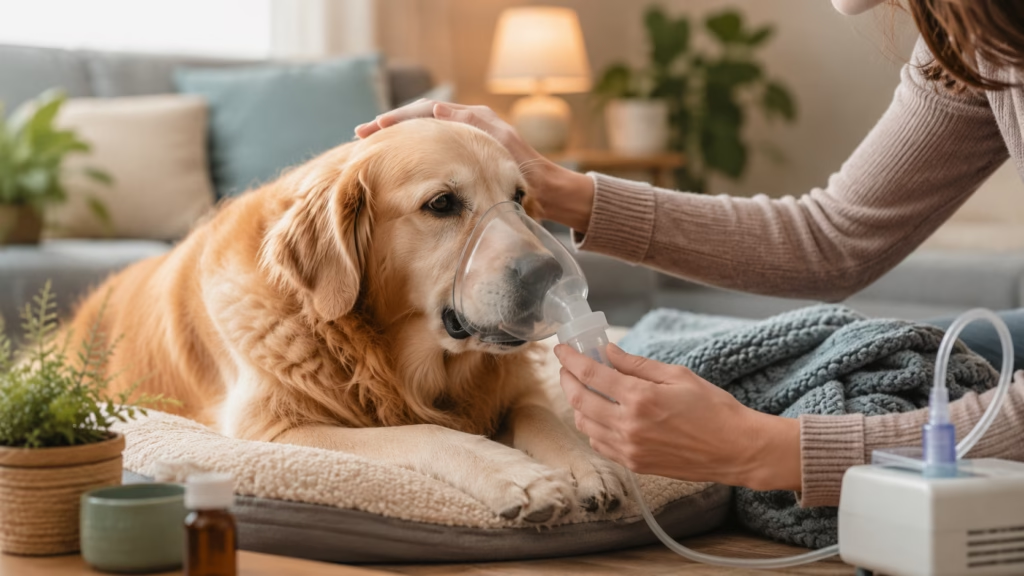
Table of Contents
Quick answer
Managing canine asthma at home focuses on minimizing environmental triggers like smoke, dust, and strong fragrances while strictly adhering to the medication schedule prescribed by your veterinarian. Consistent monitoring of your dog's breathing patterns and maintaining a clean, allergen-free living space are essential components of a successful long-term care plan for your pet.
Introduction
Asthma in dogs, sometimes referred to as canine allergic bronchitis or chronic airway inflammation, is a respiratory condition that can significantly affect a dog’s comfort and quality of life. Although asthma is more commonly discussed in humans, dogs can also experience airway inflammation that causes coughing, wheezing, breathing difficulties, and reduced activity levels. For pet owners, witnessing a beloved dog struggle to breathe can be both frightening and emotionally stressful.
Fortunately, many dogs with asthma can live happy and active lives when their condition is properly managed. Successful treatment often involves a combination of veterinary care, environmental modifications, medication management, nutritional support, and careful monitoring at home. While severe asthma attacks require immediate veterinary attention, many day-to-day aspects of asthma management can be handled effectively in the home environment.
This guide explains how to support a dog with asthma at home, reduce common triggers, administer medications safely, and recognize when professional veterinary intervention is necessary. Understanding the condition and taking proactive steps can help your dog breathe more comfortably and enjoy a better quality of life.
Understanding Asthma in Dogs
Before discussing treatment options, it is important to understand what asthma is and how it affects your dog’s respiratory system.
Asthma is a condition characterized by inflammation and narrowing of the airways within the lungs. When a dog is exposed to certain triggers, the airways become irritated and swollen. The muscles surrounding the airways may tighten, and excess mucus may accumulate within the breathing passages. These changes make it more difficult for air to move freely in and out of the lungs.
As a result, dogs with asthma may experience coughing, wheezing, shortness of breath, and exercise intolerance. In some cases, symptoms develop gradually over time, while in others they may appear suddenly during an asthma flare-up.
Asthma is often triggered by environmental allergens and irritants. Common triggers include dust mites, pollen, mold spores, cigarette smoke, strong perfumes, cleaning chemicals, air fresheners, and household sprays. Some dogs may also react to seasonal allergens, making symptoms worse during specific times of the year.
Because many respiratory diseases can produce similar symptoms, obtaining a proper diagnosis from a veterinarian is essential before beginning any treatment plan.
Recognizing the Signs of Asthma in Dogs
Early recognition of asthma symptoms can help prevent complications and allow for timely treatment.
One of the most common symptoms is chronic coughing. Many pet owners initially mistake asthma-related coughing for a minor throat irritation or kennel cough. However, asthma-related coughing often persists and may become more noticeable during physical activity, excitement, or nighttime hours.
Dogs with asthma may also produce wheezing sounds while breathing. Wheezing occurs when air moves through narrowed airways and often sounds like a soft whistling noise. In some cases, the wheezing may be subtle and only noticeable when the dog is resting quietly.
Breathing difficulties can vary in severity. Some dogs may breathe more rapidly than normal, while others may appear to struggle for each breath. Open-mouth breathing, excessive panting without exercise, and visible effort when inhaling or exhaling should always be taken seriously.
Other common signs include reduced exercise tolerance, fatigue, reluctance to play, decreased interest in walks, and overall lethargy. Dogs may become less active because physical exertion makes breathing more difficult.
In severe cases, dogs may experience respiratory distress characterized by extreme difficulty breathing, blue-tinged gums, weakness, or collapse. These situations require immediate emergency veterinary care.
Why Veterinary Diagnosis Is Essential
Although home management plays an important role in asthma care, professional veterinary evaluation is critical.
Several serious conditions can mimic asthma symptoms, including heart disease, pneumonia, lung tumors, tracheal collapse, parasitic infections, and chronic bronchitis. Treating asthma without confirming the diagnosis could delay appropriate treatment for another potentially serious condition.
Your veterinarian may perform a thorough physical examination and recommend diagnostic tests such as chest X-rays, blood tests, airway evaluations, or bronchoscopy. These tests help identify airway inflammation and rule out other causes of respiratory symptoms.
A veterinary consultation also provides an opportunity to discuss treatment options, medication plans, and emergency protocols tailored specifically to your dog’s condition.
Creating an Asthma-Friendly Home Environment
One of the most effective ways to manage canine asthma is to reduce exposure to environmental triggers.
Because asthma is often triggered by airborne irritants, improving indoor air quality can significantly reduce the frequency and severity of flare-ups.
Improve Indoor Air Quality
Installing a high-quality HEPA air purifier can help remove dust, pollen, mold spores, pet dander, and other airborne particles from your home. These devices are particularly beneficial in rooms where your dog spends most of their time.
Maintaining proper indoor humidity is equally important. Extremely dry air may irritate the respiratory tract, while excessive humidity encourages mold growth. Ideally, indoor humidity should remain between 40 and 50 percent.
A humidifier may help during dry seasons, while a dehumidifier can reduce excess moisture in damp environments.
Reduce Household Allergens
Regular cleaning helps minimize allergens that can trigger asthma symptoms.
Wash your dog’s bedding, blankets, and soft toys weekly using hot water. Vacuum carpets, rugs, curtains, and upholstered furniture frequently using a vacuum equipped with a HEPA filtration system.
Dust surfaces regularly with damp cloths to prevent dust from becoming airborne. Avoid sweeping dry dust, as this may worsen air quality.
During periods of high pollen counts, keeping windows closed and using air conditioning can reduce allergen exposure.
Avoid Respiratory Irritants
Many common household products can aggravate canine asthma.
Cigarette smoke is one of the most harmful respiratory irritants for dogs. Smoking should never occur inside the home or around a dog with asthma.
Strong perfumes, scented candles, incense, aerosol sprays, air fresheners, and heavily fragranced cleaning products should also be avoided. These substances can irritate sensitive airways and trigger asthma attacks.
Whenever possible, choose fragrance-free and pet-safe cleaning products.
Administering Asthma Medications at Home
Many dogs with asthma require medications to control airway inflammation and prevent flare-ups.
Using Inhalers Properly
Inhaled medications are often preferred because they deliver medication directly to the lungs while minimizing systemic side effects.
Most dogs use inhalers through a specially designed spacer mask. This device helps ensure that medication reaches the airways effectively.
Introducing the mask gradually can improve acceptance. Allow your dog to sniff and investigate the mask before attempting treatment. Reward calm behavior with praise and treats.
When administering medication, place the mask gently over your dog’s muzzle, activate the inhaler, and hold the mask in place for several seconds while your dog breathes normally.
Following your veterinarian’s instructions regarding dosage and frequency is essential for optimal results.
Oral Medications
Some dogs require oral medications such as corticosteroids or bronchodilators.
Corticosteroids help reduce inflammation within the airways and are often highly effective at controlling symptoms. Bronchodilators work by relaxing airway muscles, making breathing easier.
Because these medications can have side effects, they should only be administered according to veterinary instructions. Never adjust dosages or discontinue medications without consulting your veterinarian.
Nutritional Support for Dogs with Asthma
A healthy diet plays an important role in supporting respiratory health and overall wellness.
Maintaining a healthy body weight is particularly important because excess weight places additional strain on the lungs and cardiovascular system. Overweight dogs may experience more severe breathing difficulties and reduced exercise tolerance.
Feeding a high-quality, balanced diet helps support immune function and overall health. Choose foods that provide adequate protein, healthy fats, vitamins, and minerals.
Omega-3 fatty acids found in fish oil supplements may offer additional benefits due to their anti-inflammatory properties. These supplements may help reduce inflammation throughout the body, including within the respiratory system.
Always consult your veterinarian before introducing supplements to ensure they are appropriate for your dog’s specific health needs.
Exercise and Physical Activity
Regular exercise remains important for dogs with asthma, but activity should be carefully managed.
Physical activity helps maintain muscle strength, cardiovascular fitness, and a healthy body weight. However, excessive exertion can trigger coughing and breathing difficulties.
Short, moderate walks are often preferable to intense exercise sessions. Exercise should be scheduled during times when air quality is optimal and temperatures are comfortable.
Hot, humid weather can make breathing more difficult for dogs with respiratory conditions. During high pollen seasons or periods of poor air quality, outdoor activity may need to be reduced.
Pay close attention to your dog’s breathing during exercise. If coughing, wheezing, or excessive panting develops, stop the activity and allow your dog to rest.
Reducing Stress and Anxiety
Stress can worsen respiratory symptoms in some dogs.
Creating a calm and predictable environment helps minimize anxiety and supports overall health. Providing a comfortable resting area away from household noise and activity can encourage relaxation.
Maintaining consistent feeding schedules, exercise routines, and sleeping arrangements may also help reduce stress levels.
For particularly anxious dogs, veterinary-approved calming products or pheromone diffusers may provide additional support.
Monitoring Your Dog’s Condition
Ongoing monitoring is essential for successful asthma management.
Keeping a daily record of symptoms can help identify triggers and evaluate treatment effectiveness. Important observations include coughing frequency, breathing patterns, activity levels, appetite, and response to medications.
Monitoring allows you to detect subtle changes before they become serious problems.
Many pet owners find it helpful to maintain a journal documenting symptoms, environmental conditions, and medication administration schedules.
Recognizing Asthma Emergencies
Although many dogs respond well to home management, asthma can occasionally become life-threatening.
Seek immediate veterinary care if your dog experiences:
- Severe breathing difficulty
- Open-mouth breathing that does not improve
- Blue, gray, or pale gums
- Collapse or inability to stand
- Continuous coughing that prevents normal breathing
- Extreme lethargy or weakness
These symptoms may indicate a respiratory emergency requiring urgent medical intervention.
Conclusion
Treating asthma in dogs at home involves much more than simply administering medication. Successful management requires creating a clean and asthma-friendly environment, minimizing exposure to allergens and irritants, supporting overall health through proper nutrition, monitoring symptoms carefully, and working closely with your veterinarian.
By reducing environmental triggers, following prescribed treatment plans, maintaining a healthy lifestyle, and recognizing early warning signs of flare-ups, many dogs with asthma can enjoy comfortable and active lives. Consistency is key. Small daily efforts to improve air quality, support respiratory health, and monitor your dog’s condition can make a significant difference over time.
Most importantly, remember that home care should complement professional veterinary treatment rather than replace it. Regular veterinary checkups and open communication with your veterinarian will ensure that your dog receives the best possible care and continues to breathe easier for years to come.
Disclaimer
This article is for educational purposes only and does not replace professional medical advice, diagnosis, or treatment. Seizures, severe headache, confusion, visual changes, or blood pressure readings in the hypertensive crisis range require urgent medical evaluation.
When to see a vet
- Difficulty breathing or persistent open-mouth panting at rest
- Blue, grey, or pale-coloured gums or tongue
- Extreme lethargy or sudden collapse
- Coughing that prevents sleep or eating
- Any sudden worsening of respiratory symptoms
- Call your local emergency veterinary clinic immediately if your dog is struggling to breathe
If your pet collapses, struggles to breathe or is in severe pain, contact an emergency vet straight away.
Frequently asked questions
Can diet help manage my dog's asthma?
While diet is not a primary treatment for asthma, maintaining a healthy weight is crucial. Excess body weight can put additional pressure on the respiratory system and make breathing more difficult for dogs with airway inflammation. Consult your veterinarian about a weight management plan if your dog is overweight, as this can significantly improve their overall comfort and respiratory function.
Are there natural remedies for dog asthma?
There is no scientific evidence that natural or herbal remedies can safely treat or cure canine asthma. Because asthma involves complex inflammation of the airways, it requires evidence-based medical management. Always consult your veterinarian before introducing any supplements, as some substances may interact with prescribed medications or further irritate your dog's sensitive respiratory tract.
Can I use an inhaler for my dog?
Veterinarians sometimes prescribe inhaled medications for dogs using a specialized spacer device and mask. This allows the medication to reach the lungs directly. Never use human inhalers or attempt to administer medication without specific instructions, training, and a prescription from your veterinarian, as incorrect usage or improper dosing can be dangerous for your pet.
Is exercise safe for dogs with asthma?
Moderate, low-impact exercise is generally encouraged to keep your dog healthy, but you must monitor them closely. Avoid strenuous activity during high-pollen days or extreme temperatures. If your dog shows signs of fatigue, wheezing, or coughing during play, stop the activity immediately and allow them to rest in a calm, cool environment until their breathing returns to normal.
Was this page helpful?
Thanks for your feedback! What could we improve?
Thank you! Your feedback helps us improve our articles.
Veterinary reviewed by
Dr. Hannah Silvanus, DVMDoctor of Veterinary Medicine (DVM) who reviews the pet and animal health articles on True Impact Health.
True Impact Health articles are written by our editorial team and based on reliable sources such as public health agencies, clinical guidelines and peer-reviewed research. This article has been checked by a veterinarian on our review panel. Read our editorial process.
This content is for general information and is not a substitute for professional medical advice, diagnosis or treatment.