










How to Treat Mold Exposure in Cats
Learn how to recognise, treat and prevent mold exposure in cats with veterinary guidance and home‑care steps.
By True Impact Health Editorial Team

Dr. Hannah Silvanus, DVMVeterinary Reviewer, True Impact Health
Doctor of Veterinary Medicine (DVM) who reviews the pet and animal health articles on True Impact Health.
Reviewed this article on October 10, 2026.
View profile How we reviewUpdated on October 10, 2026 9 min read
Table of Contents
Quick answer
Treating mold exposure in cats involves removing the cat from the contaminated environment, seeking veterinary care for diagnosis and supportive treatment, and eliminating the source of mold at home. Prompt veterinary evaluation is essential to address respiratory, skin or systemic signs and to prevent complications.
Introduction
Mold is a common problem in many homes, especially in areas with high humidity, water leaks, poor ventilation, or recent flooding. While most people recognize the health risks mold can pose to humans, many cat owners are unaware that mold can also be harmful to their feline companions. Cats are naturally curious animals that explore every corner of the home, making them particularly vulnerable to inhaling mold spores or coming into contact with contaminated surfaces. In some cases, cats may even ingest mold accidentally while grooming themselves or investigating spoiled food.
Exposure to mold can trigger a wide range of health problems in cats, ranging from mild respiratory irritation to severe fungal infections. Symptoms may develop gradually and can easily be mistaken for allergies, asthma, or other illnesses. Understanding how mold affects cats, recognizing the warning signs, and taking prompt action can make a significant difference in your pet’s recovery and overall health.
This comprehensive guide explains the symptoms of mold exposure in cats, the importance of veterinary diagnosis, treatment options, supportive home care, and practical steps to eliminate mold from your environment and prevent future exposure.
Understanding Mold Exposure in Cats
Mold is a type of fungus that thrives in damp and humid environments. It reproduces by releasing microscopic spores into the air. These spores can settle on surfaces, contaminate food, and become airborne, making them easy for cats to inhale.
When a cat is exposed to mold, the immune system may react in several ways. Some cats develop allergic reactions that affect the respiratory system, skin, or digestive tract. Others may experience inflammation caused by inhaled spores. In rare but serious cases, certain molds can cause fungal infections that spread throughout the body and require extensive medical treatment.
Cats with weakened immune systems, senior cats, kittens, and those with existing respiratory conditions are often more susceptible to complications associated with mold exposure.
Recognizing the Symptoms of Mold Exposure
Early recognition of symptoms is one of the most important factors in successful treatment. Unfortunately, cats are experts at hiding illness, and signs of mold-related problems can sometimes be subtle during the early stages.
Respiratory symptoms are among the most common indicators of mold exposure. Affected cats may begin sneezing frequently or develop a persistent cough. Some owners notice wheezing sounds when their cat breathes or observe that breathing appears more rapid or labored than normal. Nasal discharge may also occur, especially if inflammation affects the nasal passages. In severe cases, the cat may breathe with an open mouth or appear distressed while resting.
Digestive problems may also develop when mold spores are ingested. Cats exposed to mold may experience vomiting, diarrhea, soft stools, or a noticeable decline in appetite. Some cats become reluctant to eat altogether, leading to weight loss and dehydration if the problem persists.
Skin and coat issues can occur when mold triggers allergic reactions. The skin may become red, irritated, flaky, or excessively itchy. Cats may scratch, lick, or bite affected areas repeatedly, causing further irritation and potential secondary infections.
Behavioral changes often accompany physical symptoms. A cat suffering from mold exposure may become unusually lethargic, sleep more than normal, avoid social interaction, or hide in secluded areas. Some cats lose interest in play, climbing, or other activities they normally enjoy.
Because these symptoms can mimic many other conditions, veterinary evaluation is essential whenever multiple symptoms occur together, particularly if mold is present in the home.
The Importance of Veterinary Diagnosis
While it may be tempting to assume mold is the cause of your cat’s illness, a proper diagnosis is crucial. Many diseases, including asthma, upper respiratory infections, allergies, heart disease, and gastrointestinal disorders, can produce symptoms similar to those caused by mold exposure.
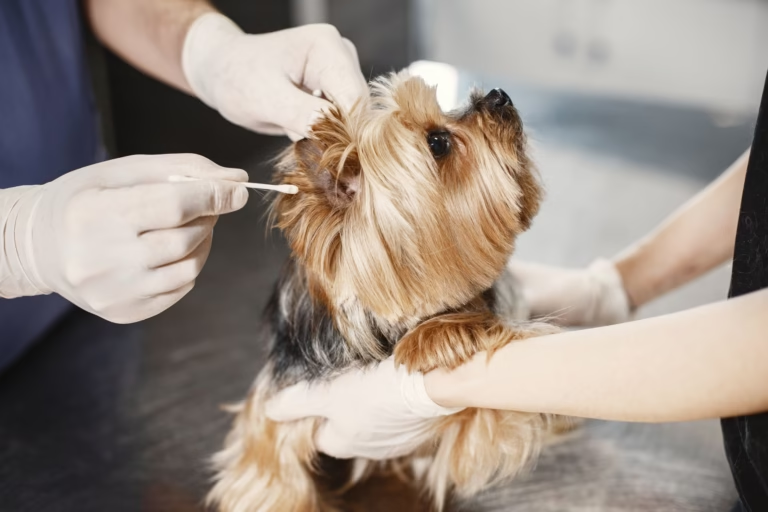
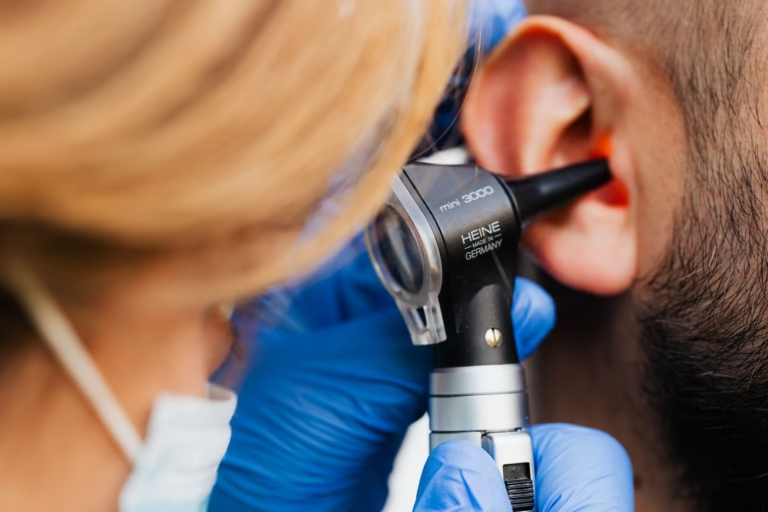
A veterinarian will begin by performing a comprehensive physical examination. Special attention is often given to the respiratory system, skin, and overall body condition. The veterinarian will also ask detailed questions about your cat’s environment, including recent water damage, visible mold growth, household humidity levels, and any changes in behavior or health.
Diagnostic testing may be recommended depending on the severity of symptoms. Blood tests such as a complete blood count and biochemistry profile can help identify infection, inflammation, or organ dysfunction. Chest radiographs may be used to evaluate the lungs and airways if respiratory symptoms are present. In some cases, skin samples or cytology tests may be performed to investigate skin irritation or suspected fungal infections.
These diagnostic procedures help identify the exact cause of your cat’s symptoms and allow the veterinarian to create an appropriate treatment plan.
Immediate Supportive Care at Home
While awaiting veterinary care, there are several supportive measures that can help reduce your cat’s discomfort and limit further exposure to mold.
Improving indoor air quality is one of the most important steps. A high-quality HEPA air purifier can help capture airborne mold spores and other allergens. Increasing ventilation by opening windows when weather permits or using exhaust fans can also help reduce indoor spore concentrations.
Hydration is particularly important for cats experiencing respiratory or digestive symptoms. Ensure fresh water is always available and encourage drinking whenever possible. Some cats may benefit from wet food or veterinarian-approved low-sodium broth to increase fluid intake.
Creating a calm and comfortable recovery space can help reduce stress. Place your cat’s bedding in a clean, dry area away from any suspected mold sources. A quiet environment allows the body to focus on healing and may reduce respiratory irritation.
Carefully monitor eating habits, drinking behavior, litter box usage, and overall activity levels. Any sudden deterioration should prompt immediate veterinary attention.
It is important to avoid giving human medications to cats unless specifically directed by a veterinarian. Many over-the-counter medications that are safe for humans can be extremely dangerous or even fatal to cats.
Veterinary Treatments for Mold Exposure
Treatment depends on the severity of exposure and whether mold has caused an allergic reaction, respiratory irritation, or an active fungal infection.
For cats with allergic or inflammatory reactions, veterinarians may prescribe medications to reduce airway inflammation and improve breathing. These may include corticosteroids, bronchodilators, or other anti-inflammatory medications depending on the individual case.
Cats experiencing nausea, vomiting, or gastrointestinal distress may receive supportive treatments such as anti-nausea medications, appetite stimulants, or fluid therapy to prevent dehydration.
If a fungal infection is confirmed, antifungal medications are often necessary. Drugs such as itraconazole or fluconazole may be prescribed for extended periods because fungal infections can be difficult to eliminate completely. The duration of treatment depends on the severity and location of the infection.
Secondary bacterial infections occasionally develop when mold-related irritation damages tissues. In such cases, antibiotics may be prescribed to address bacterial complications.
Some veterinarians may also recommend nutritional supplements to support recovery. Omega-3 fatty acids can help reduce inflammation and improve skin health, while probiotics may support digestive function and strengthen the immune system.
Following the veterinarian’s instructions carefully is essential. Even if symptoms improve quickly, medications should be continued for the full prescribed duration to prevent relapse.
Eliminating Mold from the Home Environment
Treating the cat without addressing the mold source often leads to recurring symptoms. Environmental remediation is therefore one of the most important aspects of long-term recovery.
The first step is identifying the source of moisture that allows mold to grow. Common sources include leaking pipes, damaged roofs, poorly sealed windows, flooded basements, and inadequate ventilation in bathrooms or laundry rooms.
Once the moisture source is corrected, affected surfaces should be cleaned thoroughly. Small mold infestations can often be treated using appropriate cleaning solutions such as white vinegar or commercial mold-removal products. However, extensive mold growth may require professional remediation services.
Maintaining indoor humidity between 30% and 50% can significantly reduce the risk of future mold growth. Dehumidifiers are particularly useful in damp climates or areas prone to moisture accumulation.
Regular home inspections can help identify problems before they become serious. Check under sinks, around windows, behind appliances, and in other hidden areas where moisture may accumulate.
Air conditioning and heating systems should also be maintained regularly. Replacing HVAC filters and ensuring proper airflow can reduce mold spores circulating throughout the home.
Preventing Future Mold Exposure
Preventing mold exposure is often easier than treating its consequences. Good home maintenance practices are the foundation of prevention.
Clean and dry water spills promptly. Avoid overwatering indoor plants, as excessively moist soil can encourage mold growth. Ensure litter boxes, food bowls, and pet bedding remain clean and dry.
Regular grooming can also help reduce exposure. Brushing your cat removes spores and debris that may accumulate on the coat, particularly for cats that spend time in basements, garages, or other potentially damp areas.
Routine veterinary wellness examinations provide opportunities to identify health concerns early and ensure your cat remains healthy and resilient.
Conclusion
Mold exposure in cats is a serious but often preventable health concern. Because mold can affect the respiratory system, digestive tract, skin, and overall well-being, recognizing symptoms early is essential. Signs such as coughing, sneezing, vomiting, diarrhea, skin irritation, and unusual lethargy should never be ignored, especially if mold is present in the home.
Successful treatment involves a combination of prompt veterinary care, supportive home management, and thorough elimination of mold from the environment. Addressing both the cat’s medical needs and the underlying source of exposure provides the best chance for a full recovery.
By maintaining a clean, dry, and well-ventilated home, monitoring your cat’s health closely, and seeking veterinary guidance whenever concerns arise, you can protect your feline companion from the dangers of mold and help ensure many healthy years together.
Disclaimer
This article is for educational purposes only and does not replace professional medical advice, diagnosis, or treatment. Seizures, severe headache, confusion, visual changes, or blood pressure readings in the hypertensive crisis range require urgent medical evaluation.
When to see a vet
- Persistent coughing, wheezing or laboured breathing
- Repeated vomiting or diarrhoea with loss of appetite
- Skin lesions that are red, itchy or become infected
- Sudden lethargy, weakness or collapse
- Any signs worsen despite home care – call your emergency vet number
If your pet collapses, struggles to breathe or is in severe pain, contact an emergency vet straight away.
Frequently asked questions
Can I treat my cat's mold‑related symptoms at home without a vet?
Mild irritation may improve with better ventilation and hydration, but most cats need a veterinary exam to rule out infection or asthma. Home measures are supportive, not a substitute for professional care.
How long does it take for a cat to recover after mold exposure?
Recovery time varies. With prompt treatment, respiratory irritation may improve in days, while skin or systemic fungal infections can take weeks to months, depending on severity and treatment response.
Will air purifiers really help my cat?
HEPA air purifiers can reduce airborne spores and may lessen respiratory irritation. They work best when combined with fixing moisture problems and cleaning visible mold.
Is mold exposure more dangerous for older cats?
Yes. Senior cats, kittens and those with weakened immune systems are less able to clear spores and are at higher risk for severe respiratory or fungal disease, so early veterinary assessment is important.
Sources and further reading
Was this page helpful?
Thanks for your feedback! What could we improve?
Thank you! Your feedback helps us improve our articles.
Veterinary reviewed by
Dr. Hannah Silvanus, DVMDoctor of Veterinary Medicine (DVM) who reviews the pet and animal health articles on True Impact Health.
True Impact Health articles are written by our editorial team and based on reliable sources such as public health agencies, clinical guidelines and peer-reviewed research. This article has been checked by a veterinarian on our review panel. Read our editorial process.
This content is for general information and is not a substitute for professional medical advice, diagnosis or treatment.