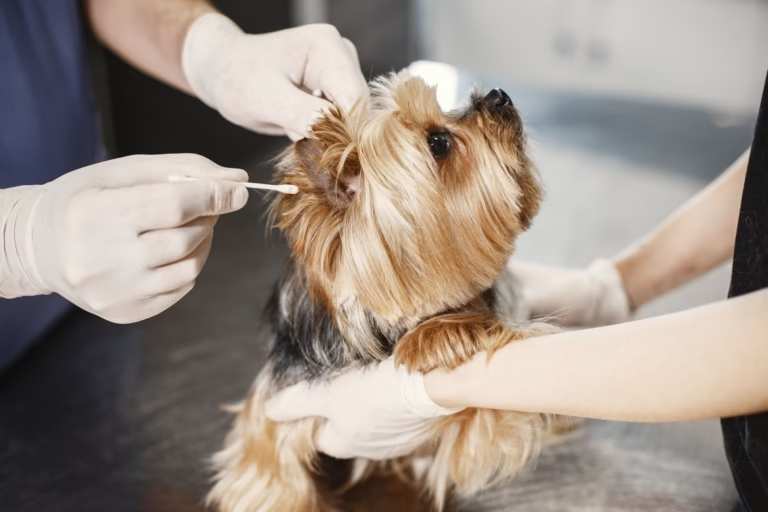
Practice daily tooth brushing with dog-safe enzymatic toothpaste and gentle technique to remove plaque.
Use VOHC-approved dental chews, textured toys, and water additives to supplement brushing and reduce plaque.
Monitor gums weekly and see a veterinarian for severe pain, persistent bleeding, loose teeth, pus, or no improvement in 1-2 weeks.
Gingivitis in dogs can often be treated at home by brushing the teeth daily with a dog‑specific toothbrush and toothpaste, offering dental chews or toys that help reduce plaque, and feeding a diet that supports oral health. Regular mouth checks and prompt attention to any bleeding or pain are essential to prevent progression to periodontal disease.
Introduction
Dental health plays a vital role in your dog’s overall well-being, yet it is one of the most overlooked aspects of pet care. Many dog owners focus on nutrition, exercise, vaccinations, and grooming but often underestimate the importance of maintaining healthy teeth and gums. Unfortunately, dental disease is one of the most common health conditions affecting dogs, with many dogs developing some degree of gum disease by the time they reach adulthood.
One of the earliest and most treatable stages of dental disease is gingivitis. Gingivitis occurs when plaque and bacteria accumulate along the gum line, causing inflammation, redness, swelling, and discomfort. If detected early, gingivitis can often be managed and even reversed through proper dental care. However, if left untreated, it may progress to periodontal disease, a much more serious condition that can result in tooth loss, chronic pain, bone damage, and systemic health problems affecting the heart, liver, and kidneys.
The good news is that many cases of mild gingivitis can be managed at home through consistent oral hygiene practices, dietary changes, and regular monitoring. Understanding how gingivitis develops, recognizing the warning signs, and implementing effective home-care strategies can help protect your dog’s oral health and improve their quality of life.
This comprehensive guide explains everything you need to know about treating gingivitis in dogs at home, including prevention strategies, home remedies, dental care techniques, and situations where professional veterinary care becomes necessary.
Understanding Gingivitis in Dogs
What Is Gingivitis?
Gingivitis is inflammation of the gums that develops when plaque accumulates along the gum line.
Plaque is a sticky film made up of bacteria, food particles, and saliva. After a dog eats, bacteria naturally begin accumulating on the surface of the teeth. If plaque is not removed through brushing or chewing, it gradually hardens into tartar, also known as dental calculus.
Tartar creates a rough surface that attracts even more bacteria. As bacterial populations increase, they irritate the surrounding gum tissue, triggering inflammation and the development of gingivitis.
At this stage, the damage is generally limited to the gums and can often be reversed with appropriate care.
How Gingivitis Develops
The progression of gingivitis usually follows a predictable pattern.
Initially, plaque forms on the teeth.
If plaque remains in place:
Bacteria multiply rapidly.
Tartar begins forming.
Gum irritation develops.
Inflammation increases.
The gums become red and swollen.
Without intervention, bacteria may spread below the gum line and begin damaging the tissues and bone supporting the teeth.
This progression transforms gingivitis into periodontal disease, which is significantly more difficult to treat.
Why Gingivitis Matters
Pain and Discomfort
Many dog owners are surprised to learn that gingivitis can be painful.
Inflamed gums become sensitive, making chewing uncomfortable. Some dogs may continue eating despite discomfort because they instinctively hide signs of pain.
However, persistent inflammation can significantly affect quality of life.
Dogs experiencing gingivitis may:
Chew more slowly
Favor one side of the mouth
Avoid hard foods
Show reluctance to play with chew toys
Addressing gingivitis early can help relieve discomfort and prevent worsening symptoms.
Bad Breath
Bad breath, also known as halitosis, is one of the earliest and most noticeable signs of gingivitis.
While many people assume that bad breath is normal in dogs, persistent foul-smelling breath often indicates bacterial overgrowth in the mouth.
As bacteria multiply within plaque and tartar deposits, they release sulfur-containing compounds that create unpleasant odors.
Improving oral hygiene often results in significantly fresher breath.
Risk of Periodontal Disease
Perhaps the most important reason to address gingivitis promptly is its potential progression to periodontal disease.
Periodontal disease affects the structures supporting the teeth, including:
Gum tissue
Periodontal ligaments
Tooth roots
Jawbone
Once these structures become damaged, the condition may become irreversible and require professional treatment.
Spotting the Signs Early
Early detection greatly improves the likelihood of successful home treatment.
Red or Swollen Gums
Healthy gums should appear firm and pink.
One of the earliest signs of gingivitis is redness along the gum line, particularly where the gums meet the teeth.
As inflammation worsens, the gums may become swollen, puffy, and increasingly sensitive.
Regularly inspecting your dog’s mouth can help identify these changes before more serious problems develop.
Bleeding Gums
Inflamed gums bleed more easily than healthy tissue.
You may notice blood:
While brushing your dog’s teeth
On chew toys
In water bowls
Around the mouth
Even minor bleeding should not be ignored because it indicates active inflammation.
Persistent Bad Breath
Chronic bad breath often serves as an early warning sign of developing gum disease.
If your dog’s breath has become noticeably worse despite normal eating habits, gingivitis may be contributing to the problem.
Reduced Appetite or Difficulty Chewing
As gum inflammation increases, eating may become uncomfortable.
Some dogs begin:
Eating less
Taking longer to finish meals
Avoiding hard kibble
Refusing dental chews
Changes in eating behavior should always prompt closer examination of the mouth.
Excessive Drooling
Inflammation within the mouth can stimulate increased saliva production.
Dogs with gingivitis may drool more than usual, particularly while eating.
Pawing at the Mouth
Some dogs attempt to relieve oral discomfort by rubbing their face against furniture or pawing repeatedly at their mouth.
This behavior often indicates irritation, pain, or inflammation.
Home Treatment Strategies
Daily Tooth Brushing
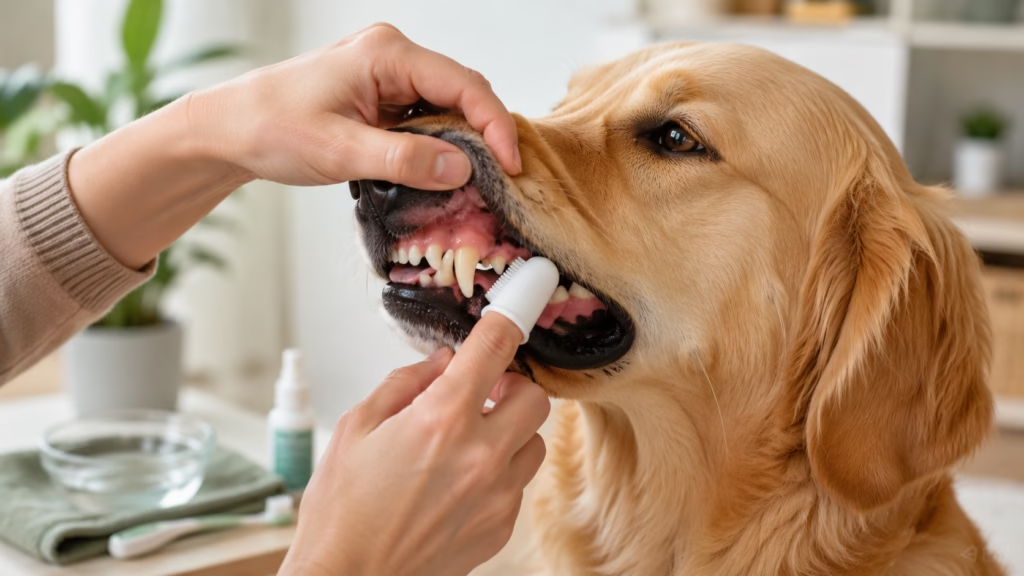
Daily tooth brushing is widely regarded as the most effective home treatment for gingivitis.
Brushing physically removes plaque before it can harden into tartar and cause further inflammation.
Choosing the Right Toothbrush
Use a toothbrush specifically designed for dogs.
Options include:
Traditional dog toothbrushes
Finger brushes
Soft-bristled pet brushes
These products are designed to fit canine mouths comfortably.
Choosing the Right Toothpaste
Never use human toothpaste.
Human toothpaste often contains ingredients such as xylitol and fluoride that may be harmful to dogs.
Instead, choose an enzymatic dog toothpaste specifically formulated for canine use.
These products help break down plaque while remaining safe if swallowed.
Introducing Brushing Gradually
Some dogs initially resist tooth brushing.
Start by allowing your dog to taste the toothpaste.
Gradually introduce:
Touching the gums
Gentle brushing motions
Short brushing sessions
Patience and positive reinforcement are essential.
Proper Brushing Technique
Brush gently along the gum line using circular motions.
Pay particular attention to:
Back molars
Upper teeth
Areas with visible plaque
Aim to spend approximately 30 seconds on each section of the mouth.
Reward Your Dog
After each brushing session, provide praise, affection, or a small treat.
A cooled chamomile tea solution may be gently applied to irritated gums using gauze or a soft cloth.
This may help reduce mild inflammation and discomfort.
Dietary Adjustments
Dental Diets
Specialized dental diets are formulated to promote oral health.
The texture of these kibbles encourages chewing and helps reduce plaque accumulation.
Crunchy Fruits and Vegetables
Certain dog-safe fruits and vegetables provide mild cleaning benefits.
Examples include:
Carrot sticks
Apple slices
Cucumber pieces
Always remove seeds, pits, and cores before offering fruits.
Avoid Sugary Treats
Sugary foods contribute to bacterial growth and plaque formation.
Limiting sugary snacks supports healthier gums and teeth.
Preventing Future Gum Disease
Maintain Consistent Brushing
Daily brushing remains the cornerstone of prevention.
Even brushing several times per week can significantly reduce plaque accumulation.
Continue Using Dental Chews
Regular use of dental chews helps maintain oral hygiene between brushing sessions.
Schedule Veterinary Dental Examinations
Routine veterinary examinations help identify developing dental problems before they become severe.
Annual oral evaluations are recommended for most dogs.
Professional Dental Cleaning
Many dogs benefit from professional dental cleanings performed under anesthesia.
These procedures allow veterinarians to remove tartar below the gum line and assess hidden disease.
Weekly Oral Checks
Examine your dog’s mouth regularly for:
Redness
Swelling
Bleeding
Bad breath
Broken teeth
Early detection greatly improves treatment outcomes.
When to See Your Veterinarian
Although home treatment can be effective for mild gingivitis, certain symptoms require professional attention.
Severe Redness or Pain
Significant inflammation may indicate advanced disease requiring veterinary treatment.
Persistent Bleeding
Bleeding that continues despite home care warrants further evaluation.
Loose Teeth
Loose teeth often indicate progression to periodontal disease.
Pus Around the Gums
Pus suggests bacterial infection and should be evaluated promptly.
Refusal to Eat
Dogs that stop eating due to oral pain require immediate veterinary attention.
No Improvement After One to Two Weeks
If symptoms fail to improve after consistent home treatment, professional dental care may be necessary.
Conclusion
Gingivitis is one of the most common yet preventable dental conditions affecting dogs. When detected early, many cases can be successfully managed through consistent home care, including daily tooth brushing, dental chews, proper nutrition, and routine oral monitoring.
The key to success lies in prevention and consistency. By establishing a regular dental care routine and addressing problems at the earliest signs, you can help your dog avoid painful dental disease, maintain fresh breath, and enjoy better overall health.
Remember that healthy gums contribute to a healthier body. Investing a few minutes each day in your dog’s oral care can provide benefits that last a lifetime, helping your furry companion maintain a comfortable, happy, and healthy smile.
Disclaimer
This article is for educational purposes only and does not replace professional medical advice, diagnosis, or treatment. Seizures, severe headache, confusion, visual changes, or blood pressure readings in the hypertensive crisis range require urgent medical evaluation.
Bleeding gums that persist after brushing or chewing
Swelling or redness that worsens despite home care
Persistent bad breath accompanied by loss of appetite
Visible pus, foul discharge, or a foul taste in the mouth
Signs of severe pain such as refusing to eat or drooling excessively
If your dog shows signs of systemic illness like fever or lethargy, call your vet or local emergency number
If your pet collapses, struggles to breathe or is in severe pain, contact an emergency vet straight away.
Frequently asked questions
How often should I brush my dog's teeth to control gingivitis?
Aim to brush your dog's teeth at least once a day, or a minimum of several times per week. Consistent brushing removes plaque before it hardens into tartar and helps keep gums healthy.
Can human toothpaste be used on dogs?
No. Human toothpaste contains fluoride and detergents that can be harmful if swallowed. Use a toothpaste formulated for dogs, which is safe to ingest and often flavored to encourage chewing.
Are dental chews enough to replace brushing?
Dental chews can help reduce plaque but should not replace brushing. They are a supplemental tool; brushing remains the most effective method for removing plaque from the tooth surface.
What foods support dental health in dogs?
Dry kibble, especially those designed for dental care, and raw vegetables like carrots can help scrape teeth. Some commercial diets include enzymes that reduce plaque, but always choose a balanced, vet‑approved diet.
Doctor of Veterinary Medicine (DVM) who reviews the pet and animal health articles on True Impact Health.
True Impact Health articles are written by our editorial team and based on reliable sources such as public health agencies, clinical guidelines and peer-reviewed research. This article has been checked by a veterinarian on our review panel. Read our editorial process.
This content is for general information and is not a substitute for professional medical advice, diagnosis or treatment.