Watch for persistent head shaking, ear scratching, foul odor, abnormal discharge, redness, or pain.
Gather veterinarian approved ear cleaner, cotton balls, gauze, towels, gloves, and treats; never insert cotton swabs into the canal.
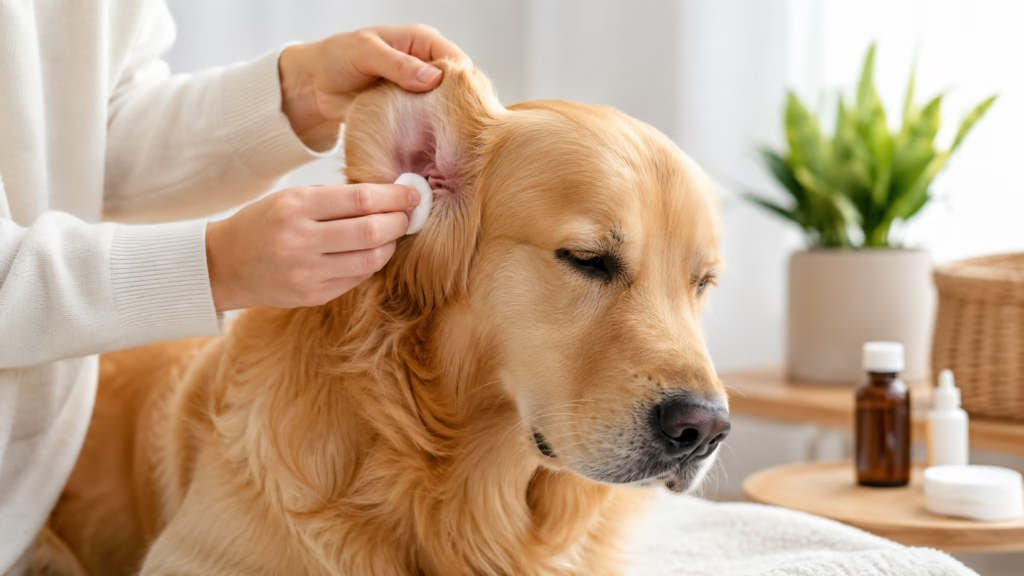
Apply a veterinarian approved cleaner, massage ear base for 20 to 30 seconds, allow head shaking, wipe debris, and dry thoroughly.
Use diluted apple cider vinegar, coconut oil, or green tea for mild soothing only; avoid applying to raw or bleeding ears.
Seek veterinary care for severe pain, bleeding or sores, systemic illness, no improvement after days, or recurring infections.
Home care can help mild otitis externa by gently cleaning the ear, keeping it dry and using a veterinarian‑approved ear cleanser. If symptoms persist, worsen, or involve pain, discharge, or hearing loss, professional veterinary treatment is required.
Introduction
Ear infections are among the most common health problems affecting dogs. They can occur in dogs of any age, breed, or size, although some breeds are more susceptible due to the shape of their ears. Dogs with floppy ears, excessive hair growth in the ear canal, allergies, or frequent exposure to water often experience ear infections more frequently than others.
An ear infection may start as mild irritation but can quickly progress into a painful condition if left untreated. Dogs experiencing ear infections often become uncomfortable, restless, and irritable. In severe cases, untreated infections can spread deeper into the ear, potentially causing hearing loss, balance problems, or chronic pain.
While veterinary evaluation is always the safest option, there are supportive steps pet owners can take at home to help keep their dog’s ears clean, comfortable, and free from excessive moisture while monitoring symptoms. Understanding how to recognize the warning signs, clean the ears properly, and know when professional care is necessary can help protect your dog’s long-term ear health.
Understanding Ear Infections in Dogs
What Is a Dog Ear Infection?
An ear infection occurs when microorganisms such as bacteria or yeast multiply excessively within the ear canal. The resulting inflammation causes discomfort, redness, swelling, and the production of abnormal discharge.
The canine ear canal is shaped like the letter “L,” making it deeper and more complex than the human ear canal. This structure can trap moisture, debris, and microorganisms, creating an environment where infections can develop.
Types of Ear Infections
Otitis Externa
This is the most common type of ear infection and affects the outer ear canal.
Most mild infections begin in this area and can often be managed successfully when detected early.
Otitis Media
This infection affects the middle ear and usually develops when an outer ear infection spreads deeper.
Middle ear infections typically require veterinary treatment and may cause more severe symptoms.
Otitis Interna
This is an infection of the inner ear.
It is the most serious form and may lead to balance problems, head tilting, hearing loss, and neurological symptoms.
Recognizing the Warning Signs
Early detection significantly improves treatment outcomes.
Frequent Head Shaking or Tilting
One of the earliest signs of an ear problem is repeated head shaking.
Dogs instinctively shake their heads in an attempt to remove irritants, relieve pressure, or reduce discomfort within the ear canal.
Some dogs may also tilt their heads toward the affected side because the infection creates an uncomfortable sensation.
While occasional head shaking is normal, persistent shaking should not be ignored.
Excessive Scratching at the Ears
Dogs experiencing ear irritation often scratch repeatedly at their ears.
The itching may become so intense that the dog scratches aggressively, potentially causing skin damage around the ears and face.
Excessive scratching can worsen inflammation and increase the risk of secondary infections.
Redness and Inflammation
Healthy ears typically appear light pink and clean.
An infected ear often becomes red, swollen, and irritated due to inflammation.
As the infection progresses, the ear canal may become increasingly narrowed and sensitive.
Abnormal Discharge
The presence of discharge is a common sign of infection.
Depending on the underlying cause, the discharge may appear:
Brown
Yellow
Black
Bloody
Thick and waxy
The appearance of discharge often provides clues about the type of infection present.
Foul Odor
A strong, unpleasant smell coming from the ears frequently indicates bacterial or yeast overgrowth.
Many owners notice the odor before observing any visible changes.
A healthy dog’s ears should not produce a strong smell.
Pain and Sensitivity
Dogs with ear infections may react when their ears are touched.
Signs of pain may include:
Pulling away
Whining
Growling
Yelping
Avoiding contact
Pain often indicates significant inflammation and should be taken seriously.
Preparing for Home Care
Gather Appropriate Supplies
Before cleaning your dog’s ears, it is important to have all necessary supplies ready.
These include:
A veterinarian-approved ear-cleaning solution
Cotton balls
Gauze pads
Soft towels
Dog treats
Disposable gloves if desired
Avoid using products intended for humans unless specifically recommended by a veterinarian.
Avoid Cotton Swabs
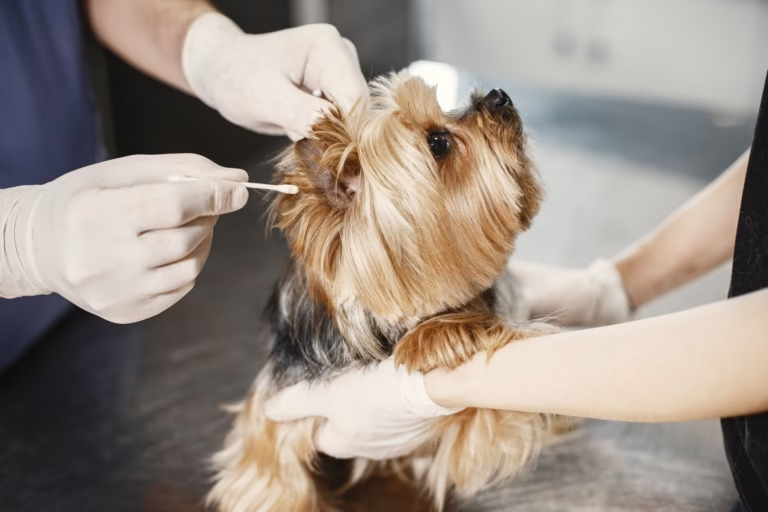
Cotton swabs should never be inserted into a dog’s ear canal.
They can:
Push debris deeper
Cause injury
Rupture the eardrum
Worsen existing inflammation
Always clean only the areas that can be easily seen.
Create a Calm Environment
Choose a quiet location where your dog feels comfortable.
Reducing stress helps make ear cleaning easier and safer for both you and your pet.
Offering treats and praise throughout the process can help create positive associations.
Cleaning Your Dog’s Ears Step by Step
Step 1: Secure and Comfort Your Dog
Proper positioning helps prevent sudden movements during cleaning.
Speak calmly and reassure your dog throughout the process.
For anxious or large dogs, a second person may help gently hold the dog while cleaning is performed.
Step 2: Apply the Ear Cleaner
Lift the ear flap gently and apply the recommended amount of ear-cleaning solution into the ear canal.
The cleaner helps loosen:
Wax
Dirt
Debris
Excess discharge
Do not force the applicator tip deeply into the ear canal.
Step 3: Massage the Base of the Ear
After applying the cleaner, gently massage the base of the ear for approximately 20 to 30 seconds.
This helps distribute the solution throughout the ear canal and loosens accumulated debris.
A squishing or sloshing sound is normal and indicates the cleaner is reaching deeper areas.
Step 4: Allow Head Shaking
Once the cleaner has loosened debris, allow your dog to shake its head.
Head shaking helps bring loosened material toward the outer ear where it can be removed more easily.
Performing this step outdoors or on a towel can help contain the mess.
Step 5: Remove Debris
Using a cotton ball or gauze pad, gently wipe visible debris from the ear flap and outer canal.
Work carefully and avoid pushing material deeper into the ear.
Repeat as necessary until the visible portions of the ear appear cleaner.
Step 6: Dry the Ear Thoroughly
Moisture trapped inside the ear can encourage bacterial and yeast growth.
Use clean cotton balls or gauze to absorb excess fluid and leave the ear as dry as possible.
Proper drying is particularly important for dogs that swim frequently or live in humid environments.
Natural Remedies and Home Treatments
Apple Cider Vinegar Rinse
Apple cider vinegar is commonly used because its acidic properties may create an environment less favorable for yeast growth.
A diluted solution can be made using equal parts distilled water and apple cider vinegar.
However, this remedy should never be used if the ear is:
Raw
Bleeding
Severely inflamed
Ulcerated
Applying vinegar to damaged tissue can cause significant pain and irritation.
Coconut Oil
Virgin coconut oil contains compounds that may possess mild antimicrobial properties.
When gently warmed to a liquid state, a small amount may help moisturize irritated skin and soften debris.
Some pet owners find coconut oil useful for supporting ear hygiene.
However, coconut oil alone is not a substitute for proper treatment when a significant infection is present.
Green Tea Compress
Green tea contains natural antioxidants and anti-inflammatory compounds.
A cooled, unsweetened green tea solution can be applied to the outer ear using a cotton ball.
This may help soothe irritated skin and reduce mild inflammation.
Important Note About Home Remedies
While home remedies may provide supportive care, they cannot replace veterinary treatment for moderate or severe infections.
Persistent infections often require prescription medications specifically selected based on the underlying cause.
When to Seek Veterinary Care
Severe Pain
If your dog cries, snaps, or reacts aggressively when the ear is touched, professional evaluation is necessary.
Severe pain may indicate a deep infection or significant inflammation.
Bleeding or Open Sores
The presence of blood, ulcers, or large sores inside the ear warrants veterinary attention.
These signs may indicate advanced infection or trauma.
Systemic Illness
Seek immediate veterinary care if your dog develops:
These symptoms suggest the condition may be affecting overall health.
No Improvement After Several Days
If symptoms do not improve after several days of careful home management, a veterinary examination is recommended.
Persistent infections often require prescription medications.
Recurring Ear Infections
Repeated infections may indicate underlying issues such as:
Allergies
Hormonal disorders
Ear mites
Structural abnormalities
Identifying the root cause is essential for long-term management.
Preventing Future Ear Infections
Perform Regular Ear Checks
Inspect your dog’s ears weekly.
Early detection allows problems to be addressed before they become severe.
Dry Ears After Swimming and Bathing
Excess moisture creates ideal conditions for microbial growth.
Always dry your dog’s ears thoroughly after water exposure.
Maintain Good Grooming Practices
Dogs with excessive ear hair may benefit from regular grooming.
Improved airflow helps reduce moisture retention.
Address Allergies
Many chronic ear infections are linked to allergies.
Managing environmental or food allergies can significantly reduce recurrence.
Support Overall Health
A balanced diet, routine veterinary care, and a healthy immune system contribute to better resistance against infections.
Conclusion
Ear infections can be uncomfortable and painful for dogs, but early recognition and proper care can significantly improve outcomes. Paying attention to warning signs such as head shaking, scratching, odor, discharge, and redness allows pet owners to intervene before complications develop.
Gentle cleaning, maintaining dry ears, and following safe home-care practices may help support recovery in mild cases. However, persistent, severe, or recurring infections should always be evaluated by a veterinarian to ensure appropriate diagnosis and treatment.
By combining routine ear care, prompt attention to symptoms, and preventive measures, you can help keep your dog’s ears healthy, comfortable, and free from infection for years to come.
Disclaimer
This article is for educational purposes only and does not replace professional medical advice, diagnosis, or treatment. Seizures, severe headache, confusion, visual changes, or blood pressure readings in the hypertensive crisis range require urgent medical evaluation.
Persistent head shaking or ear tilting for more than 24 hours
Painful reaction when the ear is touched or the dog whines/ growls
Thick, dark, foul‑smelling discharge or blood
Swelling, redness, or loss of balance
Signs of fever or lethargy
If the dog cannot hear or appears disoriented, call emergency services
If your pet collapses, struggles to breathe or is in severe pain, contact an emergency vet straight away.
Frequently asked questions
How often can I clean my dog's ears at home?
For healthy dogs, cleaning once a week or after swimming is usually enough. Over‑cleaning can irritate the ear canal and disrupt normal flora, so only clean when there is visible wax or odor.
Can I use over‑the‑counter human ear drops on my dog?
No. Human ear drops may contain ingredients toxic to dogs or inappropriate concentrations. Always use products specifically formulated for canine ears and approved by your veterinarian.
What causes yeast ear infections in dogs?
Yeast overgrowth often follows bacterial infections, allergies, or excess moisture. Warm, humid environments and a thick ear canal can promote Candida or Malassezia growth, leading to a yeasty discharge and odor.
When is ear cleaning not enough and medication is needed?
If cleaning does not reduce discharge, odor, or swelling within a few days, or if the dog shows pain, a veterinarian may prescribe topical or oral antibiotics, antifungals, or anti‑inflammatory drugs.
Doctor of Veterinary Medicine (DVM) who reviews the pet and animal health articles on True Impact Health.
True Impact Health articles are written by our editorial team and based on reliable sources such as public health agencies, clinical guidelines and peer-reviewed research. This article has been checked by a veterinarian on our review panel. Read our editorial process.
This content is for general information and is not a substitute for professional medical advice, diagnosis or treatment.