Quick answer
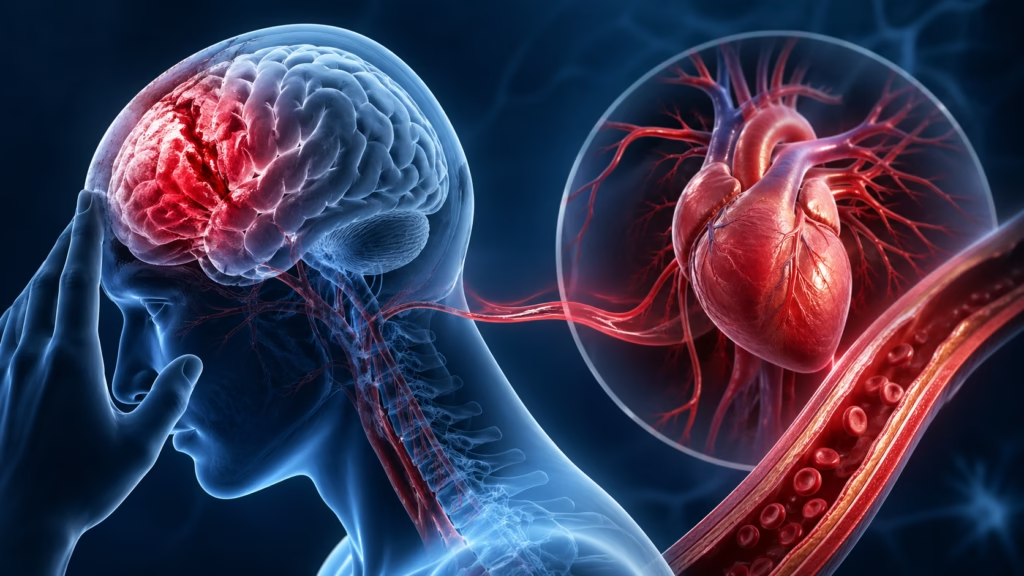
Systemic hypertension after a head injury occurs mainly because rising intracranial pressure triggers the Cushing reflex and a surge of sympathetic activity, both of which raise arterial pressure to preserve cerebral perfusion. Hormonal responses and inflammation can further amplify the blood‑pressure rise.
What Causes Systemic Hypertension After Head Injury: A Detailed Clinical Explanation
Introduction
Head injuries represent a significant medical concern because their effects extend beyond localized brain damage to involve systemic physiological responses. One of the most critical responses observed following traumatic brain injury is systemic hypertension, defined as a sustained elevation in arterial blood pressure. This phenomenon is not merely incidental but reflects complex compensatory mechanisms aimed at preserving cerebral function.
Understanding why blood pressure rises after head trauma is essential for clinicians, emergency responders, and caregivers, as it directly influences treatment decisions and patient outcomes. A detailed examination of the underlying mechanisms, clinical features, and management strategies provides valuable insight into preventing secondary brain injury and improving prognosis.
Understanding Systemic Hypertension in Head Injury
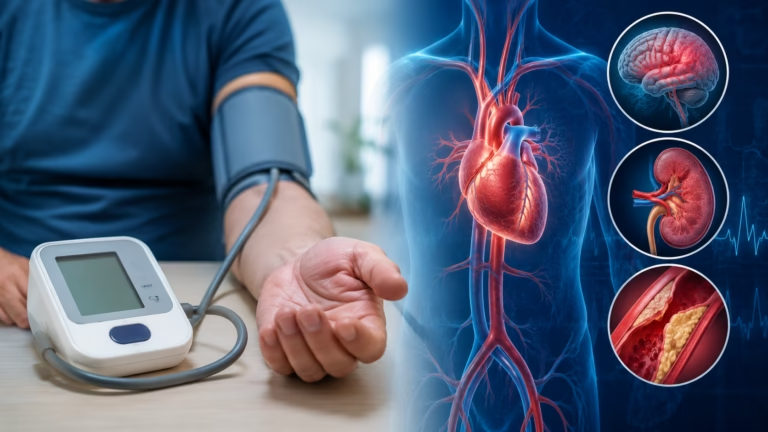
Systemic hypertension in the context of head injury refers to an abnormal increase in blood pressure, typically exceeding 140/90 mmHg, that occurs as a physiological response to trauma. Unlike chronic hypertension, which develops over time due to long term cardiovascular factors, post traumatic hypertension is usually acute and driven by neurological and systemic stress responses.
This elevation in blood pressure is clinically significant because it can worsen intracranial conditions. Increased arterial pressure may contribute to the expansion of intracranial bleeding, intensify brain swelling, and ultimately exacerbate neuronal damage. Therefore, while the rise in blood pressure may initially serve a protective purpose, it can become harmful if not properly controlled.
Primary and Secondary Brain Injury Mechanisms
The effects of head injury are typically categorized into two phases, each contributing differently to the development of systemic hypertension.
The primary injury occurs at the moment of impact and involves direct mechanical damage to brain tissue. This may include contusions, lacerations, or diffuse axonal injury, all of which disrupt normal neuronal structure and function. These injuries are largely irreversible and set the stage for subsequent physiological responses.
The secondary injury develops over time and involves a series of biochemical and physiological processes that worsen the initial damage. These processes include inflammation, accumulation of fluid within brain tissue, and disruption of normal cerebral blood flow. A key feature of secondary injury is the rise in intracranial pressure, which plays a central role in triggering systemic hypertension.
The Role of Intracranial Pressure
Intracranial pressure refers to the pressure exerted within the skull by brain tissue, cerebrospinal fluid, and blood. Following a head injury, swelling and bleeding can increase this pressure, reducing the space available for normal brain function.
As intracranial pressure rises, it reduces cerebral perfusion pressure, which is the force required to maintain adequate blood flow to the brain. Cerebral perfusion pressure is determined by the difference between mean arterial pressure and intracranial pressure. When intracranial pressure increases, cerebral perfusion decreases unless systemic blood pressure rises to compensate.
This relationship explains why the body responds to elevated intracranial pressure by increasing systemic blood pressure. The goal is to maintain sufficient blood flow to the brain and prevent ischemic damage.
The Cushing Reflex as a Protective Mechanism
One of the most important physiological responses to increased intracranial pressure is the Cushing reflex, also known as the Cushing triad. This reflex is a critical survival mechanism that attempts to preserve cerebral perfusion in the face of rising intracranial pressure.
The Cushing reflex is characterized by three main features. The first is systemic hypertension, which increases mean arterial pressure to counteract the effects of elevated intracranial pressure. The second is bradycardia, or a slowing of the heart rate, which occurs as a reflex response to increased blood pressure. The third is irregular respiration, resulting from pressure on the brainstem, which controls breathing patterns.
The mechanism underlying this reflex begins with reduced blood flow to the brainstem due to increased intracranial pressure. This triggers activation of the sympathetic nervous system, leading to widespread vasoconstriction and increased cardiac output. As blood pressure rises, baroreceptors in the cardiovascular system respond by reducing heart rate, producing the characteristic combination of hypertension and bradycardia.
Although the Cushing reflex is initially protective, its presence often indicates severe intracranial pathology and requires urgent medical intervention.
Additional Mechanisms Contributing to Hypertension
In addition to the Cushing reflex, several other physiological pathways contribute to the development of systemic hypertension following head injury.
One important mechanism is sympathetic overactivity, sometimes referred to as sympathetic storming. This condition involves a surge in stress hormones such as norepinephrine and epinephrine, which cause vasoconstriction and increase heart rate and blood pressure. This response is part of the body’s attempt to cope with trauma but can become excessive and harmful.
Neuroendocrine factors also play a role. The release of hormones such as vasopressin promotes water retention, increasing blood volume and contributing to elevated blood pressure. Activation of the renin angiotensin aldosterone system further enhances fluid retention and vascular resistance, amplifying the hypertensive response.
Inflammatory processes triggered by trauma can disrupt normal vascular regulation. Cytokines released during inflammation affect the tone and responsiveness of blood vessels, leading to further instability in blood pressure control.
Clinical Recognition and Diagnosis
Identifying systemic hypertension in the context of head injury requires careful clinical assessment. A sudden increase in blood pressure in a patient with head trauma should raise concern, particularly when accompanied by signs of neurological deterioration.
The presence of bradycardia and irregular breathing patterns may indicate activation of the Cushing reflex, suggesting increased intracranial pressure. Additional signs such as altered consciousness, pupil abnormalities, or new neurological deficits further support the diagnosis.
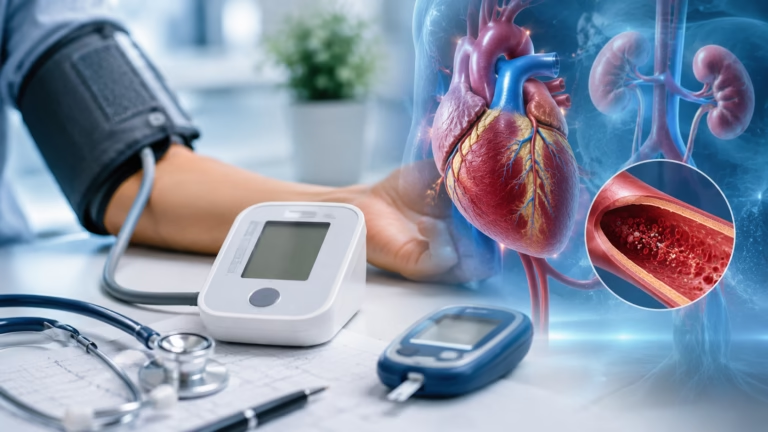
Accurate diagnosis relies on continuous monitoring and appropriate investigations. Blood pressure should be monitored regularly, either noninvasively or through arterial lines in critical care settings. Neurological status is assessed using standardized tools such as the Glasgow Coma Scale, which provides a quantitative measure of consciousness.
Neuroimaging techniques, including computed tomography and magnetic resonance imaging, are essential for identifying structural abnormalities such as hemorrhage, edema, or displacement of brain structures. In severe cases, direct monitoring of intracranial pressure may be required using specialized devices.
Management Strategies
The management of systemic hypertension after head injury focuses on reducing intracranial pressure, stabilizing blood pressure, and preventing further neurological damage.
Initial non pharmacological measures include elevating the head of the bed to facilitate venous drainage from the brain. Adequate sedation and pain control are essential to prevent agitation, which can increase intracranial pressure. Maintaining normal body temperature is also important, as fever can exacerbate brain injury.
Pharmacological interventions often involve osmotic agents such as mannitol or hypertonic saline. These substances work by drawing fluid out of brain tissue, thereby reducing swelling and lowering intracranial pressure.
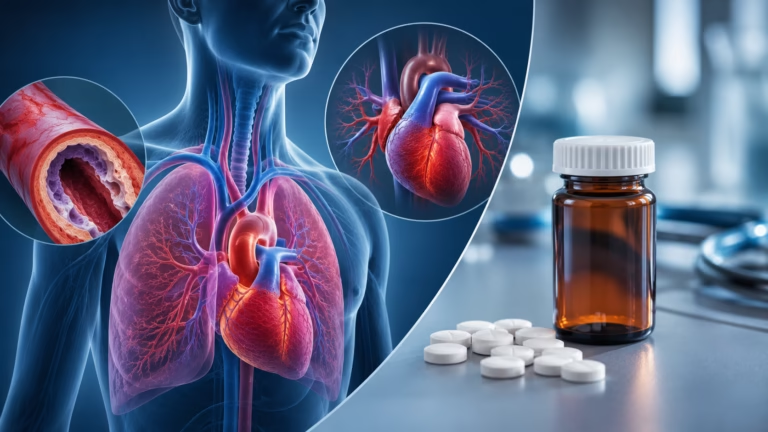
Blood pressure control is achieved using short acting intravenous medications that allow precise titration. Agents such as nicardipine, labetalol, and esmolol are commonly used because they provide effective control without significantly compromising cerebral perfusion. Certain medications, such as nitroprusside, are avoided because they may increase intracranial blood volume.
In more severe cases, advanced interventions may be necessary. Controlled hyperventilation can temporarily reduce intracranial pressure by causing vasoconstriction in cerebral blood vessels. Sedative agents may be used to induce a medically controlled coma in refractory situations. Surgical procedures, such as decompressive craniectomy, may be required to relieve pressure within the skull.
Consequences of Uncontrolled Hypertension
Failure to manage systemic hypertension effectively can lead to serious complications. Elevated blood pressure can worsen cerebral edema, increasing intracranial pressure and further reducing cerebral perfusion. It may also contribute to the expansion of intracranial hemorrhages, particularly in patients with contusions or hematomas.
In extreme cases, uncontrolled pressure can result in brain herniation, a life threatening condition in which brain tissue is displaced due to excessive pressure. This can compress vital structures in the brainstem, leading to respiratory failure and death.
Prevention and Prognosis
Preventing complications associated with post traumatic hypertension requires early recognition and timely intervention. Standardized treatment protocols in emergency and intensive care settings help ensure consistent and effective management. Training healthcare providers to identify early signs of increased intracranial pressure improves response times and patient outcomes.
Regular reassessment of the patient’s condition is essential, including monitoring of fluid balance, sedation levels, and neurological status. With appropriate care, many patients can stabilize and avoid severe complications. However, the overall prognosis depends on the severity of the initial injury, the effectiveness of treatment, and the presence of additional complications.
Conclusion
Systemic hypertension following head injury is a complex physiological response driven by mechanisms aimed at preserving cerebral perfusion. While initially protective, this response can become detrimental if it leads to increased intracranial pressure and secondary brain injury.
A thorough understanding of the underlying processes, including the role of the Cushing reflex, sympathetic activation, and neuroendocrine changes, is essential for effective clinical management. Through careful monitoring, timely intervention, and adherence to evidence based treatment protocols, healthcare providers can mitigate risks and improve outcomes for patients with traumatic brain injury.
Disclaimer
This article is for educational purposes only and does not replace professional medical advice, diagnosis, or treatment. Seizures, severe headache, confusion, visual changes, or blood pressure readings in the hypertensive crisis range require urgent medical evaluation.
When to see a doctor
- Sudden, severe headache with a rapid rise in blood pressure
- Bradycardia (slow heart rate) combined with irregular breathing
- New confusion, loss of consciousness, or worsening neurological signs
- Pupil changes such as unequal size or non‑reactive pupils
- Call emergency services if any of these signs appear
If symptoms are severe or come on suddenly, call your local emergency number.
Frequently asked questions
How quickly can blood pressure rise after a head injury?
Blood pressure can increase within minutes as intracranial pressure climbs and the body activates the Cushing reflex. The exact timing varies with injury severity and individual response.
Is high blood pressure always dangerous after a head injury?
An initial rise helps keep the brain perfused, but sustained hypertension can worsen bleeding and swelling. Monitoring and controlled treatment are essential to balance protection and risk.
Can medications lower the blood pressure safely in this situation?
Only under medical supervision. Certain antihypertensives may reduce pressure but could also lower cerebral perfusion if given too aggressively. Treatment decisions are made case‑by‑case in a hospital setting.
What role does the renin‑angiotensin system play after head trauma?
Trauma can activate the renin‑angiotensin‑aldosterone system, leading to fluid retention and vasoconstriction, which add to the hypertensive response. This is part of the body’s stress reaction but may need to be moderated medically.