












Hypertonic Dehydration: What Happens?
Understand hypertonic dehydration, its cellular shrinkage, neurological signs, risk factors, diagnosis and safe treatment to avoid serious complications.
By True Impact Health Editorial Team

Physician with experience in patient care and preventive medicine, focused on early detection, disease prevention and long-term wellness.
Reviewed this article on October 9, 2026.
View profile How we reviewUpdated on February 7, 2026 4 min read
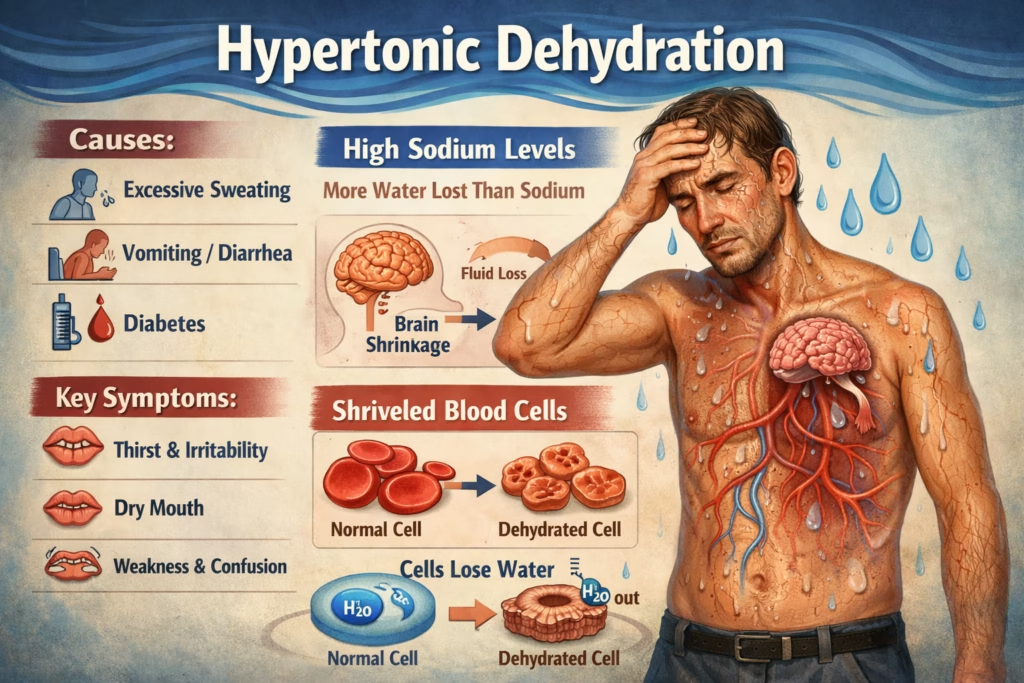
Table of Contents
Introduction
Dehydration is often thought of simply as “not drinking enough water,” but physiologically it can manifest in different forms depending on the balance between water and electrolytes in the body. One of the more complex variants is hypertonic dehydration, also known as hypernatremic dehydration.
This condition develops when water loss exceeds sodium loss, increasing plasma osmolality and elevating blood sodium concentration. The consequences are systemic — affecting cellular hydration, vascular stability, and particularly neurological function.
Understanding what occurs inside the body during hypertonic dehydration helps explain why careful diagnosis, gradual correction, and prevention strategies are essential.
Understanding Hypertonic Dehydration
What Is Hypertonic Dehydration?
Hypertonic dehydration occurs when extracellular fluid becomes overly concentrated due to disproportionate water loss.
Clinical characteristics
-
Serum sodium concentration exceeding 145 mmol/L
-
Elevated plasma osmolality
-
Cellular dehydration due to osmotic fluid shifts
Comparison with other dehydration types
| Type | Sodium Status | Fluid Shift | Typical Cause |
|---|---|---|---|
| Isotonic | Normal | Minimal cellular shift | Blood loss, vomiting |
| Hypotonic | Low sodium | Water enters cells | Diuretic use, adrenal issues |
| Hypertonic | High sodium | Water leaves cells | Water deprivation, sweating |
The defining mechanism is osmotic imbalance between intracellular and extracellular compartments.
The Science Behind Cell Shrinkage
The body maintains equilibrium between compartments through osmosis — movement of water across semi-permeable membranes.
When sodium concentration rises outside cells:
-
Extracellular osmolality increases
-
Water moves outward from cells to restore balance
-
Cells lose volume and shrink
This effect is especially significant in neuronal tissue, where cellular shrinkage may cause:
-
Altered neurotransmission
-
Mechanical stress on cerebral vasculature
-
Cognitive and neurological impairment
Severe or prolonged shrinkage can predispose individuals to intracranial complications.
Common Causes & Risk Factors
Hypertonic dehydration rarely stems from a single source; it often reflects combined environmental, behavioral, or physiological stressors.
Insufficient Water Intake
-
Older adults with diminished thirst perception
-
Neurologically impaired individuals
-
Infants reliant on caregivers
-
Improperly mixed infant formula
Excessive Water Loss
-
Intense sweating from physical exertion or heat exposure
-
Febrile illness increasing insensible loss
-
Gastrointestinal fluid loss (vomiting, diarrhea)
-
Osmotic diuresis in uncontrolled diabetes
High Sodium or Solute Exposure
-
Diets heavily reliant on processed foods
-
Hypertonic enteral feeding formulas
-
Osmotic medications such as mannitol
Medical Conditions
-
Diabetes insipidus reducing water retention
-
Renal concentration defects
-
Endocrine disorders affecting fluid regulation
Understanding these factors helps clinicians identify at-risk populations before complications develop.
Signs & Symptoms to Watch For
Symptom severity generally correlates with the degree and speed of sodium elevation.
Early Manifestations
-
Persistent thirst
-
Dry mucous membranes
-
Reduced urine volume
-
Dark, concentrated urine
-
Fatigue or irritability
Progressive Symptoms
-
Headache and dizziness
-
Muscle twitching or cramps
-
Reduced cognitive clarity
-
Balance issues
Severe or Emergency Indicators
-
Confusion or delirium
-
Seizures
-
Loss of consciousness
-
Coma
Neurological symptoms dominate because brain cells are particularly sensitive to osmotic shifts.
Diagnosing Hypertonic Dehydration
Accurate diagnosis integrates physical assessment with laboratory evaluation.
Clinical Assessment
-
Elevated heart rate
-
Poor skin elasticity
-
Signs of volume depletion
Laboratory Markers
Blood Tests
-
Elevated serum sodium
-
Increased serum osmolality
-
Elevated BUN/creatinine ratio indicating reduced renal perfusion
Urine Testing
-
High specific gravity
-
Concentrated urine output
These indicators confirm both dehydration status and electrolyte imbalance.
Treatment & Management
Correction must be methodical and controlled. Rapid normalization of sodium levels can cause dangerous fluid shifts into brain cells.
Fluid Replacement
-
Hypotonic IV fluids restore water balance
-
Oral rehydration when clinically stable
-
Correction typically spread over 48–72 hours
Electrolyte Monitoring
-
Regular sodium measurements
-
Adjustment of rehydration rate
-
Avoiding excessive decline in sodium concentration
Addressing Root Causes
-
Treat underlying infections or gastrointestinal loss
-
Manage endocrine or renal disorders
-
Adjust medications or nutrition
Supportive Care
-
Monitoring neurological status
-
Maintaining nutritional intake
-
Observing cardiovascular stability
Preventing Hypertonic Dehydration
Prevention centers on maintaining adequate hydration and monitoring vulnerable individuals.
Practical strategies
-
Regular fluid intake throughout the day
-
Increased hydration during heat or physical exertion
-
Moderation of sodium-heavy foods
-
Scheduled hydration plans for elderly or dependent individuals
-
Careful electrolyte management in clinical environments
Prevention is particularly critical because early stages may go unnoticed until neurological symptoms emerge.
When to Seek Medical Attention
Immediate evaluation is warranted if any of the following occur:
-
Altered consciousness or confusion
-
Seizures
-
Signs of circulatory shock
-
Persistent vomiting or inability to hydrate
-
Sudden behavioral or neurological changes
Prompt intervention reduces the risk of long-term complications.
Conclusion
Hypertonic dehydration illustrates how delicate the body’s fluid-electrolyte balance truly is. What begins as water deficit evolves into systemic cellular dehydration, neurological disruption, and potential life-threatening instability.
Recognizing risk factors, identifying symptoms early, and ensuring gradual correction of sodium imbalance are essential steps toward safe recovery. Whether managing personal hydration, caring for dependents, or working in clinical settings, awareness of hypertonic dehydration’s mechanisms empowers more informed and preventative health decisions.
Was this page helpful?
Thanks for your feedback! What could we improve?
Thank you! Your feedback helps us improve our articles.
Medically reviewed by
Dr. Bernard ReynoldsPhysician with experience in patient care and preventive medicine, focused on early detection, disease prevention and long-term wellness.
True Impact Health articles are written by our editorial team and based on reliable sources such as public health agencies, clinical guidelines and peer-reviewed research. This article has been checked by a doctor on our review panel. Read our editorial process.
This content is for general information and is not a substitute for professional medical advice, diagnosis or treatment.