





















Understanding Type 2 Diabetes: Symptoms, Causes, and Management
Explore type 2 diabetes: its symptoms, causes, and effective management strategies for a healthier lifestyle.

Table of Contents
Key Takeaways
- Type 2 diabetes affects insulin usage in the body.
- Lifestyle changes can significantly impact diabetes management.
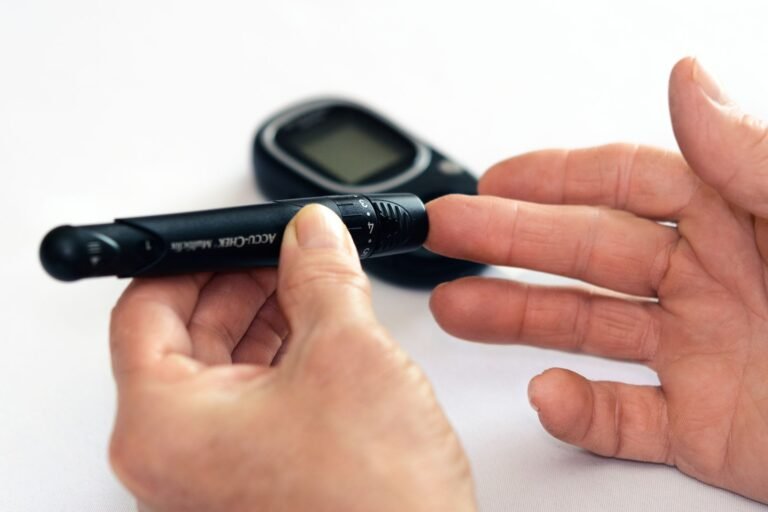
- Regular monitoring of blood sugar levels is crucial.
- Consulting healthcare professionals is key to effective treatment.
Introduction to Type 2 Diabetes
Type 2 diabetes is a chronic condition that affects the way your body metabolizes sugar (glucose), an essential source of fuel for the body. Unlike people with type 1 diabetes, those with type 2 diabetes produce insulin; however, their bodies do not use it effectively. This insulin resistance leads to elevated sugar levels in the blood, which can have serious health implications if not managed properly.
Understanding type 2 diabetes involves recognizing its symptoms, risk factors, and the lifestyle changes that can help manage the condition. This guide aims to provide comprehensive information on type 2 diabetes, empowering individuals with the knowledge needed to take control of their health.
Type 2 diabetes is increasingly common, with millions of people affected worldwide. It’s essential to understand not only the medical aspects but also the practical steps that can be taken to lead a healthier life.
Symptoms of Type 2 Diabetes
Recognizing the symptoms of type 2 diabetes is crucial for early diagnosis and management. Some of the most common symptoms include:
- Increased Thirst: A common symptom, increased thirst occurs due to dehydration caused by excess glucose in the blood.
- Frequent Urination: High blood sugar levels lead to more sugar being excreted through urine, resulting in more frequent visits to the bathroom.
- Increased Hunger: Despite eating, individuals may feel hungry due to the body’s inability to effectively use glucose for energy.
- Fatigue: Lack of effective glucose uptake can lead to constant tiredness.
- Blurred Vision: High blood sugar levels can cause the lenses of the eyes to swell, leading to blurry vision.
- Slow-Healing Wounds: Type 2 diabetes can impair circulation and hinder the healing process of cuts and bruises.
For illustration, consider the story of John, a 54-year-old man who began to notice he was feeling more fatigued than usual. He also found himself constantly thirsty and needing to urinate frequently. After a visit to his doctor, he learned that he had elevated blood sugar levels and was diagnosed with type 2 diabetes. Recognizing these symptoms early helped John manage his condition effectively.

Causes and Risk Factors
The exact cause of type 2 diabetes is complex and involves multiple factors. Some key contributors include:
- Genetics: Family history plays a significant role in the risk of developing type 2 diabetes. If your parents or siblings have the condition, your risk increases.
- Obesity: Excess body fat, particularly around the abdomen, is a significant risk factor. Fat cells can produce hormones that lead to insulin resistance.
- Physical Inactivity: A sedentary lifestyle limits the body’s ability to use insulin effectively and contributes to weight gain.
- Unhealthy Diet: Diets high in processed foods, sugars, and unhealthy fats can increase the risk of developing type 2 diabetes.
- Age: The risk of type 2 diabetes increases with age, especially after age 45, as the body’s insulin response may decrease over time.
Understanding these risk factors is vital for prevention and management. For example, a person with a family history of diabetes who leads a sedentary lifestyle and has poor dietary habits may be at a significantly higher risk than someone who exercises regularly and eats a balanced diet.
Diagnosis of Type 2 Diabetes
Diagnosing type 2 diabetes typically involves a series of blood tests. The most common tests include:
- Fasting Blood Sugar Test: Measures blood sugar levels after an overnight fast. A level of 126 mg/dL or higher indicates diabetes.
- Oral Glucose Tolerance Test: After fasting, blood sugar is tested, and then the individual drinks a sugary solution. Blood sugar levels are tested again after two hours. Levels of 200 mg/dL or higher indicate diabetes.
- A1C Test: This test measures average blood sugar levels over the past 3 months. An A1C of 6.5% or higher indicates diabetes.
Regular screening is particularly vital for those with risk factors. For instance, individuals over 45 or those with a family history of diabetes should consider annual screenings.
Managing Type 2 Diabetes
Managing type 2 diabetes effectively requires a multi-faceted approach focusing on lifestyle changes, medication, and monitoring. Here are some essential strategies:
Diet and Nutrition
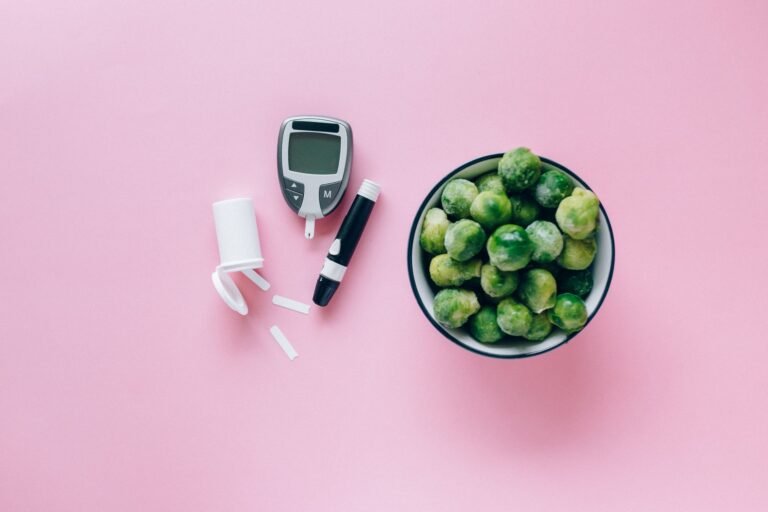
A balanced diet plays a critical role in managing blood sugar levels. Here are some dietary recommendations:
- Focus on Whole Foods: Incorporate plenty of fruits, vegetables, whole grains, and lean proteins into your diet.
- Monitor Carbohydrate Intake: Be mindful of carbohydrate portions to help control blood sugar levels.
- Limit Processed Foods: Reduce intake of sugary drinks, snacks, and high-fat fast foods.
Physical Activity
Regular exercise is essential for managing type 2 diabetes. Aim for at least 150 minutes of moderate aerobic activity per week, such as walking, swimming, or cycling. Incorporating strength training exercises at least twice a week can also improve insulin sensitivity.
Medication
In some cases, lifestyle changes alone may not be sufficient to control blood sugar levels, and medication may be necessary. Common medications include:
- Metformin: Often the first medication prescribed, it helps lower blood sugar levels and improves insulin sensitivity.
- Sulfonylureas: These medications stimulate the pancreas to produce more insulin.
- Insulin Therapy: Some individuals may require insulin injections to maintain proper blood sugar levels.

Complications of Type 2 Diabetes
If left unmanaged, type 2 diabetes can lead to various complications affecting different organ systems. Some potential complications include:
- Heart Disease: Individuals with diabetes are at a higher risk for heart disease and stroke.
- Nerve Damage: Prolonged high blood sugar levels can cause nerve damage, leading to pain, tingling, or loss of sensation.
- Kidney Damage: Diabetes can cause kidney damage (diabetic nephropathy), which may lead to kidney failure.
- Eye Issues: Diabetes increases the risk of serious eye conditions, such as diabetic retinopathy, which can lead to blindness.
- Foot Problems: Nerve damage and poor circulation can lead to foot ulcers and infections, sometimes resulting in amputation.
Understanding these complications emphasizes the importance of managing blood sugar levels effectively and regularly monitoring health status.
Understanding the Role of Nutrition in Type 2 Diabetes Management
The Importance of a Balanced Diet
A balanced diet plays a crucial role in managing Type 2 diabetes. It helps regulate blood sugar levels and reduces the risk of complications. A diet rich in whole foods can improve insulin sensitivity and aid in weight management, which is particularly important for those with Type 2 diabetes. Key components of a balanced diet include:
- Fruits and vegetables
- Whole grains
- Lean proteins
- Healthy fats
- Low-fat dairy products
Each of these components contributes to overall health while helping to maintain stable blood glucose levels. For instance, whole grains provide fiber, which slows glucose absorption, preventing spikes in blood sugar. Similarly, lean proteins can help with satiety, reducing the likelihood of overeating.
Carbohydrate Counting and Glycemic Index
Carbohydrate counting is a method used to help individuals with Type 2 diabetes manage their blood sugar levels. By understanding how many carbohydrates are consumed at each meal, individuals can better regulate their insulin needs. This method involves:
- Identifying carbohydrate sources in foods
- Calculating the total carbohydrate intake for meals
- Adjusting insulin doses based on carbohydrate intake
The Glycemic Index (GI) is another useful tool for managing diabetes. Foods with a high GI can cause rapid spikes in blood sugar, while those with a low GI promote gradual increases. Incorporating low-GI foods, such as legumes, whole grains, and most fruits, can be beneficial in achieving better glycemic control.
Meal Planning Strategies
Effective meal planning can significantly impact diabetes management. It allows individuals to make informed choices about food and portion sizes, ultimately leading to better blood sugar control. Some strategies include:
- Preparing meals in advance to avoid impulsive eating
- Using a meal-planning app to track food intake
- Incorporating a variety of foods to ensure nutrient diversity
- Scheduling regular meal times to maintain consistent blood sugar levels
By being proactive about meal planning, individuals can take control of their dietary choices and improve their overall health.

Physical Activity and Its Impact on Type 2 Diabetes
The Benefits of Regular Exercise
Regular physical activity is vital for managing Type 2 diabetes. Exercise helps improve insulin sensitivity, lowers blood sugar levels, and assists in weight management. Engaging in both aerobic exercises (like walking, swimming, or cycling) and strength training (such as weight lifting or resistance exercises) is recommended. Some key benefits of regular exercise include:
- Improved cardiovascular health
- Enhanced mood and mental well-being
- Increased energy levels
- Better sleep quality
Consistent physical activity not only helps control blood sugar but also reduces the risk of cardiovascular disease, a common complication associated with diabetes.
Creating a Sustainable Exercise Routine
To effectively integrate exercise into daily life, individuals should aim to create a sustainable routine that fits their schedules and preferences. Here are some tips for developing a successful exercise plan:
- Set realistic and achievable goals
- Choose activities you enjoy to maintain motivation
- Incorporate a mix of aerobic and strength-training exercises
- Schedule workouts at convenient times
- Consider joining a class or group for accountability
By finding enjoyable activities and sticking to a routine, individuals can enhance their physical health while managing Type 2 diabetes more effectively.
Understanding Exercise Safety
While exercise is beneficial, it is essential to practice safety, particularly for those with Type 2 diabetes. Individuals should consider the following precautions:
- Monitor blood sugar levels before and after exercising
- Stay hydrated to prevent dehydration
- Wear appropriate footwear to avoid blisters and injuries
- Consult with a healthcare provider before starting a new exercise program
By taking these safety measures, individuals can enjoy the benefits of physical activity while minimizing potential risks.
Mental Health and Type 2 Diabetes
The Connection Between Diabetes and Mental Health
Managing Type 2 diabetes can be emotionally taxing, leading to stress, anxiety, and depression. The relationship between diabetes and mental health is complex and bidirectional; poor mental health can affect diabetes management, while the challenges of managing diabetes can exacerbate mental health issues. Recognizing this connection is crucial for holistic care.
Strategies for Managing Mental Health
There are several strategies that individuals with Type 2 diabetes can employ to support their mental health, including:
- Practicing mindfulness and stress-reduction techniques
- Engaging in regular physical activity to boost mood
- Building a social support network of friends, family, or support groups
- Seeking professional help when needed
Practicing mindfulness through meditation or yoga can help reduce stress and improve emotional well-being. Additionally, physical activity is known to release endorphins, which can enhance mood and overall mental health.
The Importance of Open Communication
Open communication with healthcare providers is essential in managing both diabetes and mental health. Individuals should feel comfortable discussing their emotions, challenges, and any mental health symptoms they may experience. This communication can lead to:
- Personalized treatment plans
- Access to mental health resources
- Increased motivation and support
- Improved overall health outcomes
By fostering open dialogue, individuals can receive the comprehensive care they need to manage both their diabetes and mental health effectively.
For more information, see NIH.
Frequently Asked Questions
What are the early signs of type 2 diabetes?
Early signs of type 2 diabetes include increased thirst, frequent urination, fatigue, blurred vision, and slow-healing wounds. Recognizing these symptoms early can lead to prompt diagnosis and management.
Can type 2 diabetes be reversed?
While type 2 diabetes may not be reversible for everyone, many individuals can achieve remission through significant lifestyle changes, including weight loss, improved diet, and increased physical activity.
How often should blood sugar levels be monitored?
Monitoring frequency depends on individual treatment plans. Some may need to check their levels several times a day, while others may only need to monitor weekly or monthly. Consult with a healthcare provider for personalized recommendations.
What is the role of insulin in type 2 diabetes?
In type 2 diabetes, the body does not use insulin effectively, leading to elevated blood sugar levels. Insulin therapy may be necessary for some individuals to help manage blood glucose levels.
The Bottom Line
Type 2 diabetes is a serious but manageable condition that requires attention to lifestyle choices, regular monitoring, and, in some cases, medication. By understanding the symptoms, causes, and management strategies, individuals can take proactive steps to maintain their health and reduce the risk of complications. Empower yourself with the knowledge needed to make informed health decisions and consult healthcare professionals to tailor a management plan that works for you.
Was this page helpful?
Thanks for your feedback! What could we improve?
Thank you! Your feedback helps us improve our articles.
True Impact Health articles are written by our editorial team and based on reliable sources such as public health agencies, clinical guidelines and peer-reviewed research. This article has not yet been medically reviewed. Read our editorial process.
This content is for general information and is not a substitute for professional medical advice, diagnosis or treatment.