





Knee pain
Learn what causes knee pain, how to manage it at home, and when to see a doctor. Practical tips for relief and recovery.
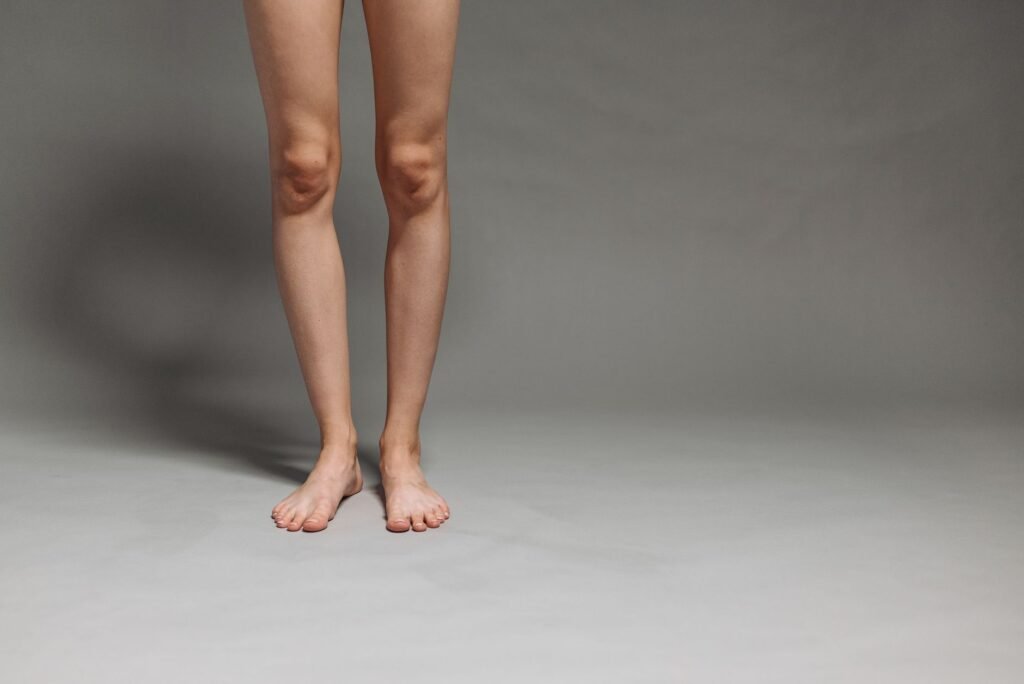
Table of Contents
Key Takeaways
- Identify common causes of knee pain and red‑flag symptoms.
- Use simple home care strategies to reduce pain and swelling.
- Strengthening and flexibility exercises protect the joint long term.
- Know when professional evaluation and treatment are needed.
Knee pain is a common complaint that affects people of all ages, from athletes to retirees. Whether the discomfort is sudden after a fall or a slow‑burning ache that has lingered for weeks, understanding the underlying cause is the first step toward relief.
In this guide we will explore the anatomy of the knee, the most frequent reasons it hurts, practical self‑care measures, and the medical options that can help you get back to the activities you enjoy. The information is based on reputable sources such as the MedlinePlus health portal.
Remember that this article provides general information only. If your knee pain is severe, worsening, or accompanied by fever, swelling, or inability to bear weight, you should seek professional advice promptly.
Understanding Knee Pain
The knee is a hinge joint that connects the thigh bone (femur) to the shin bone (tibia). It also involves the kneecap (patella) and a network of ligaments, tendons, cartilage, and bursae that allow smooth movement and provide stability.
When any of these structures become irritated, inflamed, or damaged, pain signals travel to the brain, creating the sensation we call knee pain. The type of pain, sharp, dull, throbbing, or burning, often gives clues about the source.
Common patterns include:
- Sharp pain after a specific injury, such as a twist or direct blow.
- Dull ache that worsens with activity and improves with rest, typical of overuse.
- Stiffness and reduced range of motion, often seen in arthritis.
Common Causes of Knee Pain
There are many reasons why the knee can hurt. Below are the most frequently encountered causes, grouped by category.
Injuries
Traumatic events can damage the structures inside the knee. Common injuries include:
- Ligament sprains or tears (e.g., ACL, MCL) often result from sudden changes in direction.
- Meniscus tears occur when the cartilage that cushions the joint is torn, usually during twisting motions.
- Patellar dislocation when the kneecap slides out of its normal groove.
Degenerative Conditions
Wear and tear over time can lead to chronic problems:
- Osteoarthritis is the breakdown of cartilage, causing pain, stiffness, and swelling.
- Rheumatoid arthritis is an autoimmune condition that inflames the joint lining.
- Tendinitis involves inflammation of the tendons that attach muscle to bone.
Other Sources
Less obvious factors can also produce knee pain:
- Bursitis – inflammation of the fluid‑filled sacs that reduce friction.
- IT‑band syndrome – tightness of the iliotibial band rubbing against the outer knee.
- Referred pain from hip or lower back issues.
When to Seek Medical Help
Most knee aches improve with rest and self‑care, but certain signs indicate that professional evaluation is necessary. Call a doctor or visit an urgent care center if you experience:
- Severe pain that does not improve after 48 hours of home treatment.
- Visible deformity, such as a bulge or the knee looking out of place.
- Rapid swelling, warmth, or redness, which may suggest infection.
- Inability to bear weight or walk more than a few steps.
- Fever combined with knee pain, indicating possible septic arthritis.
Early diagnosis can prevent further damage and speed recovery, especially for injuries that may require surgical repair.
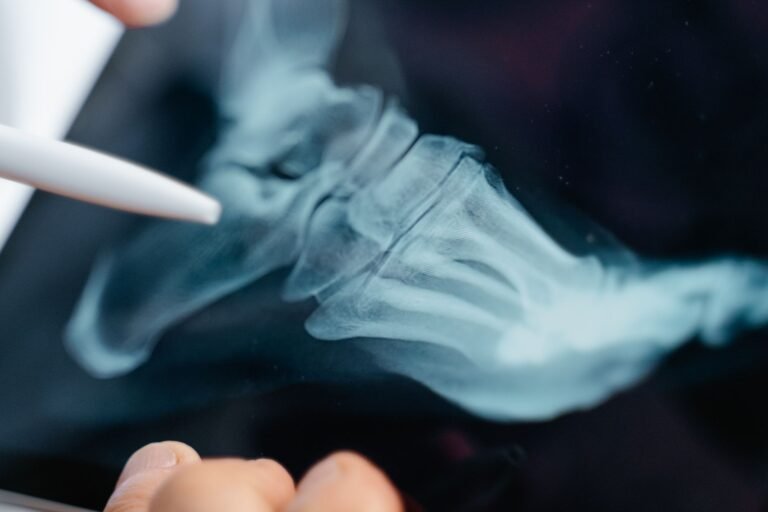
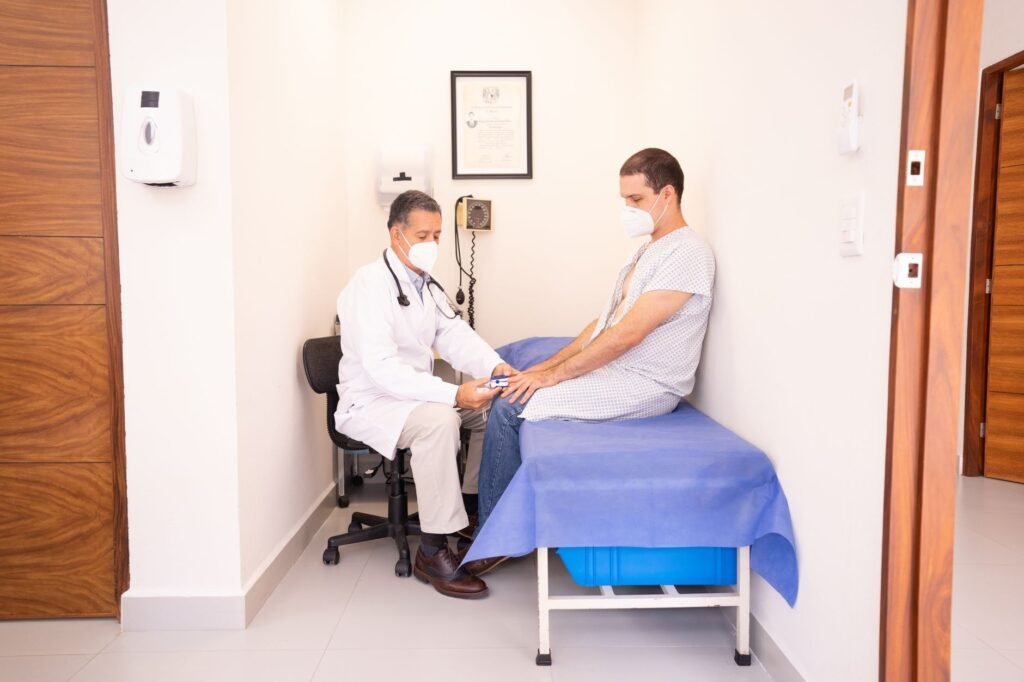
During a medical visit, the clinician will review your history, perform a physical exam, and may order imaging studies such as X‑rays, MRI, or ultrasound to clarify the diagnosis.
Self‑Care and Home Remedies
For most minor knee problems, a combination of rest, ice, compression, and elevation, often called the RICE protocol, provides effective relief.
Rest: Avoid activities that aggravate the pain, but keep the joint moving gently to prevent stiffness.
Ice: Apply a cold pack for 15-20 minutes, three to four times a day during the first 48 hours to reduce swelling.
Compression: Use an elastic bandage or a knee sleeve to limit swelling while still allowing circulation.
Elevation: Prop the leg on pillows so the knee is above heart level whenever you are seated or lying down.
Over‑the‑counter pain relievers such as acetaminophen or non‑steroidal anti‑inflammatory drugs (NSAIDs) can help manage discomfort, but always follow label instructions and consult a pharmacist if you have other health conditions.
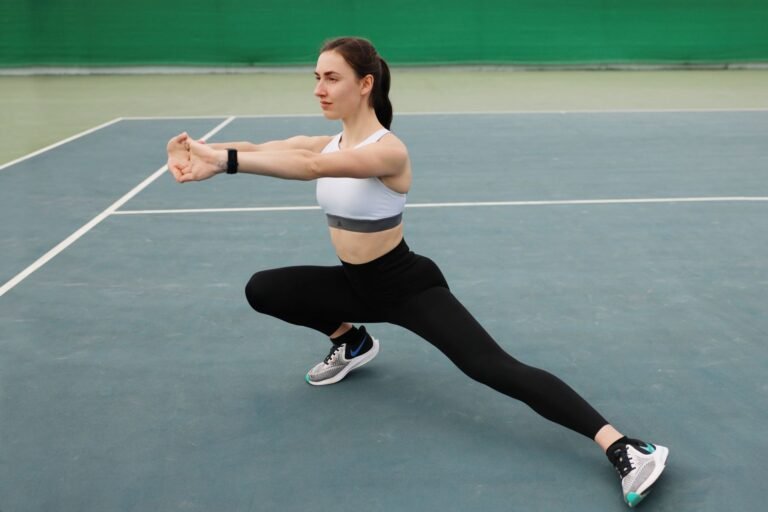
Gentle stretching can improve flexibility and reduce tension in the surrounding muscles. Try these simple moves:
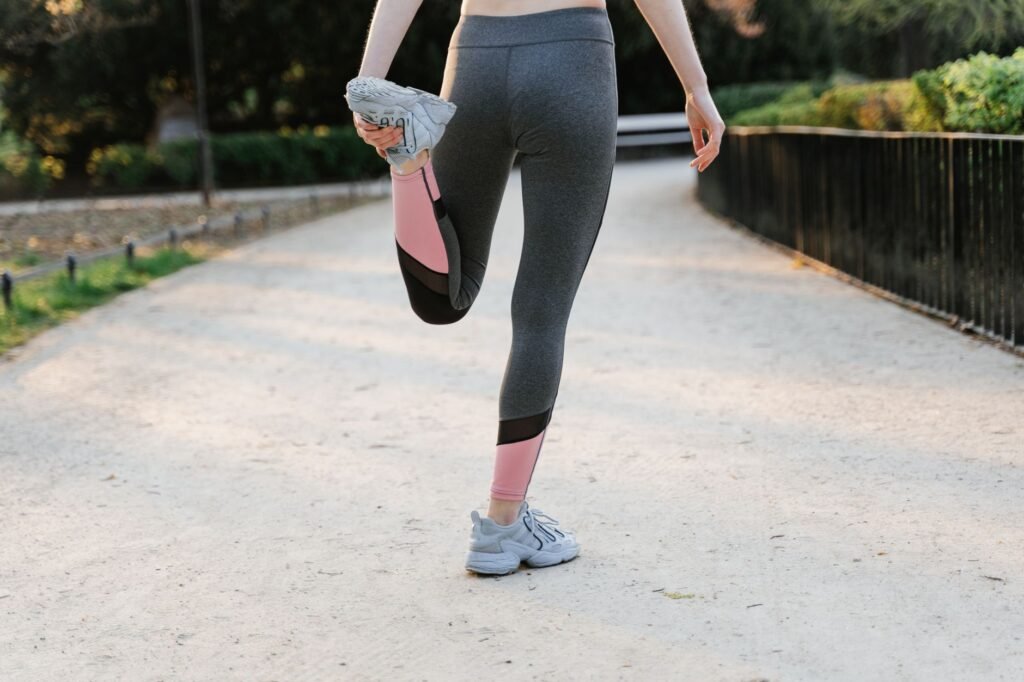
- Quadriceps stretch: Stand, bend one knee, and pull the foot toward your buttocks.
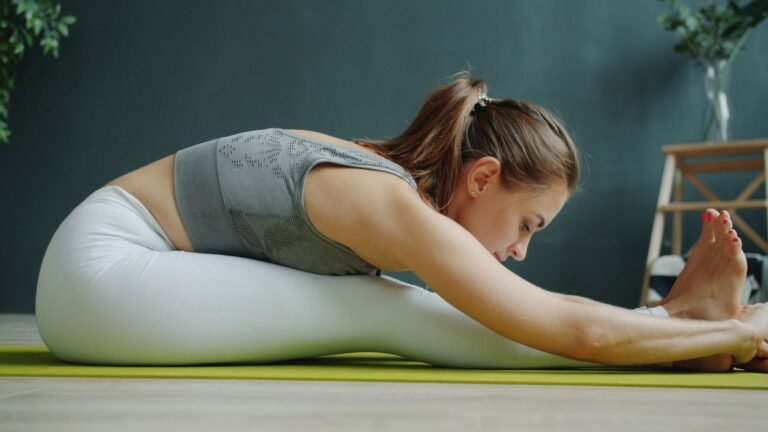
- Hamstring stretch: Sit on the floor, extend one leg, and reach toward the toes.
- Calf stretch: Place hands on a wall, step one foot back, and press the heel down.
Exercise and Strengthening
Strengthening the muscles that support the knee, especially the quadriceps, hamstrings, and glutes, can protect the joint and reduce future pain. Below are three low‑impact exercises that are safe for most people.
Straight‑Leg Raises
Lie on your back with one leg bent and the other straight. Tighten the thigh of the straight leg and lift it 6‑12 inches, hold for two seconds, then lower slowly. Perform 2 sets of 10 repetitions on each side.
Wall Sits
Stand with your back against a wall, feet shoulder‑width apart. Slide down until your knees are at a 90‑degree angle, as if sitting in an invisible chair. Hold for 15-30 seconds, building up to one minute as tolerated.
Side‑Lying Leg Lifts
Lie on your side with legs stacked. Lift the top leg upward, keeping it straight, then lower gently. Do 2 sets of 12 repetitions per side. This targets the hip abductors that help keep the knee aligned.
Consistency is key, perform these exercises 3‑4 times per week. If any movement causes sharp pain, stop and consult a health professional.
Supportive Devices and Lifestyle Adjustments
Sometimes simple changes in daily habits can ease knee stress.
- Footwear: Choose shoes with good arch support and cushioning. Avoid high heels or worn‑out sneakers.
- Weight management: Extra body weight adds load to the knee joint. Even a modest weight loss of 5-10 % can significantly reduce pain for overweight individuals.
- Activity modification: Replace high‑impact sports like running with swimming, cycling, or elliptical training, which are easier on the joints.
Knee braces or sleeves can provide additional stability, especially during activity. They are not a cure but can improve confidence and reduce the risk of re‑injury.
In the workplace, consider ergonomic adjustments such as a standing desk or a footrest to keep the knees in a comfortable position throughout the day.

Treatment Options
If self‑care does not bring sufficient relief, medical treatment may be required. Options range from conservative therapies to surgical interventions.
| Approach | Typical Use | Key Benefits | Considerations |
|---|---|---|---|
| Physical Therapy | Most musculoskeletal knee issues | Improves strength, flexibility, and pain control | Requires regular appointments and patient effort |
| Prescription NSAIDs or corticosteroid injections | Moderate to severe inflammation | Rapid reduction of pain and swelling | Potential side effects; injections are limited in frequency |
| Arthroscopic surgery | Meniscus tears, loose bodies, ligament repair | Minimally invasive; quicker recovery than open surgery | Recovery still takes weeks; not suitable for all conditions |
| Knee replacement (total or partial) | End‑stage osteoarthritis | Restores function and reduces pain dramatically | Major surgery with rehabilitation; prosthesis lifespan limits |
Physical therapy is often the first line of professional care. A therapist will tailor an exercise program, teach proper movement patterns, and may incorporate modalities such as ultrasound or electrical stimulation.
Medications should be used under a clinician’s guidance. NSAIDs can be effective but may irritate the stomach or affect kidney function, especially in older adults.
Surgical options are considered when structural damage prevents the joint from functioning despite conservative measures. The decision involves weighing the expected benefits against risks and recovery time.
Frequently Asked Questions
What activities should I avoid while my knee hurts?
Avoid high‑impact sports (running, basketball) and deep‑knee bends that increase joint compression. Opt for low‑impact cardio such as swimming or stationary cycling, and focus on gentle range‑of‑motion exercises.
Can I use heat instead of ice?
Heat can relax tight muscles and improve blood flow, but it may increase swelling if applied during the acute inflammatory phase (first 48 hours). Use ice early on, then switch to heat for chronic stiffness after swelling has subsided.
How long does it take for knee pain to improve with home care?
Mild strains often improve within a week of consistent RICE treatment and gentle exercise. More persistent conditions like osteoarthritis may require ongoing management and lifestyle changes.
Are there any foods that help joint health?
While no food cures knee pain, a balanced diet rich in omega‑3 fatty acids (found in fish, flaxseed), antioxidants (berries, leafy greens), and adequate protein supports tissue repair and may reduce inflammation.
The Bottom Line
Knee pain can stem from injury, wear‑and‑tear, or other medical conditions. Simple self‑care measures, targeted strengthening, and sensible lifestyle adjustments often bring relief. When symptoms persist, worsen, or are accompanied by red‑flag signs, professional evaluation ensures accurate diagnosis and appropriate treatment. By staying informed and proactive, you can protect your knees and maintain an active, pain‑free life.
Was this page helpful?
Thanks for your feedback! What could we improve?
Thank you! Your feedback helps us improve our articles.
True Impact Health articles are written by our editorial team and based on reliable sources such as public health agencies, clinical guidelines and peer-reviewed research. This article has not yet been medically reviewed. Read our editorial process.
This content is for general information and is not a substitute for professional medical advice, diagnosis or treatment.