






Joint stiffness
Explore the reasons behind joint stiffness, safe self‑care tips, and signs that require a doctor’s visit, helping you move with confidence.
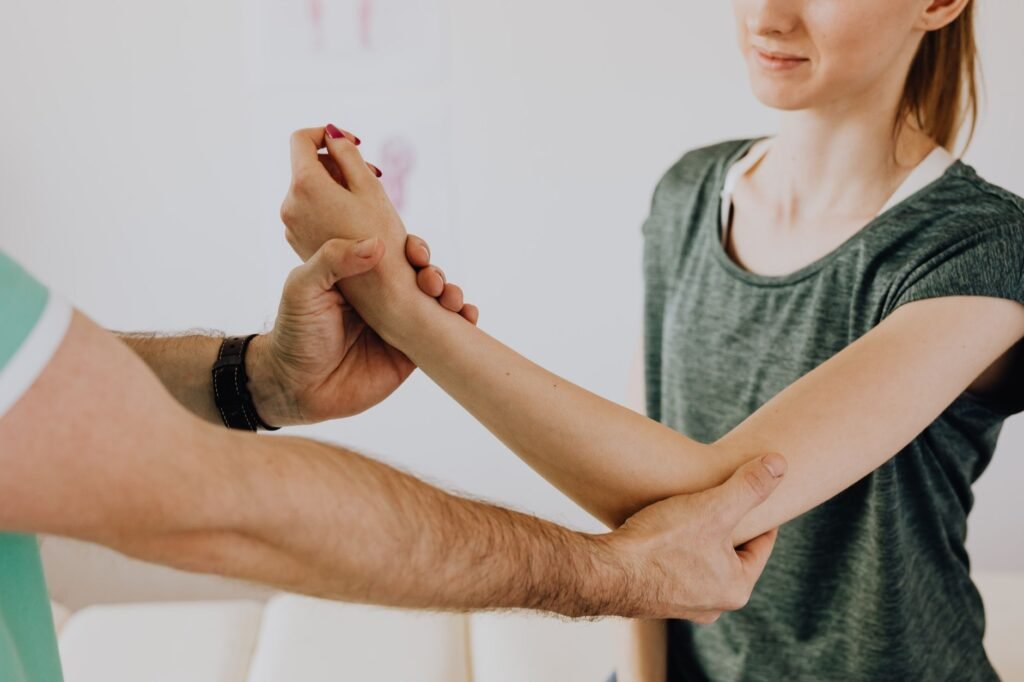
Table of Contents
Key Takeaways
- Joint stiffness can stem from age, inflammation, injury, or lifestyle factors.
- Gentle movement, heat therapy, and proper nutrition often relieve mild stiffness.
- Seek medical advice if stiffness is sudden, severe, or accompanied by swelling.
- Long‑term strategies include regular low‑impact exercise and ergonomic adjustments.
Joint stiffness is a common complaint that can affect anyone, from young athletes to older adults. It often feels like a reduced range of motion or a sensation of tightness in the affected joint, especially after periods of inactivity. While occasional stiffness is usually harmless, persistent or worsening symptoms may signal an underlying health issue that deserves attention.
Understanding why joints become stiff, how to manage the discomfort, and when to seek professional help can empower you to stay active and maintain quality of life. This guide walks you through the causes, practical self‑care steps, and medical options for joint stiffness.
Whether you notice stiffness in your fingers after a night of sleep or experience it in your knees after a long walk, the information below will help you decide the best next steps.
What Is Joint Stiffness?
Joint stiffness describes a feeling that a joint does not move as freely as it normally would. It may be accompanied by mild pain, a grinding sensation, or swelling. Stiffness is often most noticeable after waking up, sitting for a long time, or after a period of reduced activity.
From a medical perspective, stiffness can result from changes in the joint capsule, surrounding muscles, tendons, or the lubricating fluid called synovial fluid. When any of these structures become inflamed, thickened, or depleted, the joint may feel tight.
Most people experience occasional stiffness, but chronic stiffness, lasting weeks or months, warrants a closer look.
Common Causes of Joint Stiffness
Many factors can lead to joint stiffness. Below is a table that outlines the most frequent causes, typical patterns, and when they usually appear.
| Cause | Typical Features | When It Often Occurs |
|---|---|---|
| Age‑related changes (osteoarthritis) | Gradual loss of cartilage, crepitus, morning stiffness lasting < 30 minutes | After age 45, progressive |
| Inflammatory arthritis (rheumatoid, psoriatic) | Swelling, warmth, stiffness lasting > 30 minutes, often symmetrical | Any age, can develop quickly |
| Overuse or injury | Pain after activity, localized tenderness, possible bruising | Following intense exercise or trauma |
| Post‑surgical immobilization | Limited range, muscle tightness, scar tissue | After joint surgery or casting |
| Medication side effects | Generalized stiffness, often with other systemic signs | With long‑term use of certain drugs (e.g., statins) |
Age‑Related Changes
As we grow older, the cartilage that cushions joints thins, and the production of synovial fluid may decline. This natural wear‑and‑tear can lead to osteoarthritis, the most common cause of chronic joint stiffness. The stiffness is often most pronounced after periods of rest and improves with gentle movement.
While aging cannot be stopped, staying active and maintaining a healthy weight can slow the progression of stiffness.
Inflammatory Conditions
Autoimmune diseases such as rheumatoid arthritis cause the immune system to attack joint lining, leading to swelling, warmth, and prolonged stiffness that may last several hours. Early diagnosis and treatment are crucial to prevent joint damage.
If you notice persistent morning stiffness lasting more than half an hour, especially in multiple joints, it’s wise to discuss this with a healthcare professional.
Overuse and Injury
Repetitive motions, like typing, gardening, or sports, can irritate tendons and the joint capsule, producing what is often called “mechanical” stiffness. Acute injuries, such as sprains, can also cause the joint to stiffen as a protective response.
Rest, ice, and gradual return to activity are typical first‑line measures for these situations.
When to Seek Medical Help
Most joint stiffness resolves with simple home measures, but certain red‑flag signs suggest a more serious problem. Contact a doctor if you experience any of the following:
- Sudden, severe pain that does not improve with rest.
- Swelling, redness, or warmth around the joint.
- Stiffness that lasts longer than an hour after waking.
- Fever, unexplained weight loss, or fatigue accompanying the stiffness.
- Loss of ability to bear weight on the affected limb.
These symptoms could indicate infection, gout, or an inflammatory arthritis that benefits from early treatment.
For routine concerns, a primary‑care physician can evaluate the joint, order imaging if needed, and refer you to a specialist such as a rheumatologist or orthopaedic surgeon.
Self‑Care Strategies at Home
Most people find relief through a combination of gentle movement, temperature therapy, and lifestyle tweaks. Below are evidence‑based approaches you can try safely at home.
Gentle Movement and Stretching
Regular, low‑impact activity helps keep synovial fluid circulating, which lubricates the joint. Aim for 5‑10 minutes of gentle stretching each day, focusing on the stiff area.
Examples include:
- Neck rolls and shoulder shrugs for upper‑body stiffness.
- Heel‑to‑toe walks or ankle circles for lower‑leg joints.
- Finger flexion‑extension exercises for hand stiffness.
Perform each movement slowly, holding a stretch for 15‑30 seconds without bouncing.
Heat and Cold Therapy
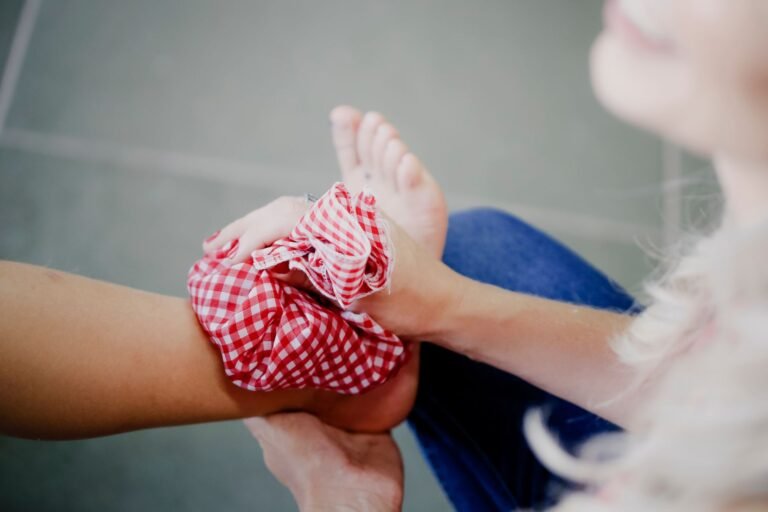
Heat can relax tightened muscles and increase blood flow, while cold reduces inflammation. Use a warm towel or heating pad for 15‑20 minutes before activity, and apply an ice pack for 10 minutes after exercise if swelling is present.
Never apply heat or cold directly to the skin; wrap the source in a cloth to avoid burns.
Nutrition and Hydration
Staying hydrated supports the production of synovial fluid. Aim for at least eight glasses of water daily, more if you exercise heavily.
Anti‑inflammatory foods, such as fatty fish, walnuts, berries, and leafy greens, may modestly reduce joint discomfort. While no single diet cures stiffness, a balanced eating plan supports overall joint health.
Lifestyle Adjustments for Long‑Term Relief
Beyond short‑term fixes, making sustainable lifestyle changes can prevent stiffness from becoming chronic.
Exercise Recommendations
Low‑impact aerobic activities, such as walking, swimming, or cycling, strengthen the muscles that support joints without excessive stress. Aim for at least 150 minutes of moderate activity each week, as advised by the trusted health resource.
Incorporate strength‑training twice weekly, focusing on major muscle groups. Strong muscles act as shock absorbers, reducing joint load.
Weight Management
Carrying extra body weight places additional pressure on weight‑bearing joints like hips, knees, and ankles. Even modest weight loss (5‑10% of body weight) can significantly lessen stiffness and pain.
Combine mindful eating with regular activity for the best results.
Ergonomic Tips
Adjust your workspace to promote neutral joint positions. Keep computer monitors at eye level, use chairs with lumbar support, and consider a standing desk if you sit for long periods.
When performing repetitive tasks, take micro‑breaks every 20‑30 minutes to stretch and change posture.

Medical Treatments Overview
If home measures do not provide adequate relief, a healthcare provider may suggest additional therapies.
Physical Therapy
Physical therapists design individualized programs that improve joint range of motion, strengthen surrounding muscles, and teach proper body mechanics. Regular sessions often lead to lasting improvements.
Medications (Non‑Prescription)
Over‑the‑counter options such as acetaminophen or non‑steroidal anti‑inflammatory drugs (NSAIDs) can reduce pain and mild inflammation. Always follow label instructions and discuss long‑term use with a pharmacist or doctor.
When Injections or Surgery Are Considered
For severe osteoarthritis, corticosteroid injections may provide temporary relief. In advanced cases where cartilage loss is extensive, joint replacement surgery might be recommended. These options are evaluated on a case‑by‑case basis.
Nutrition and Supplements for Joint Mobility
Key Nutrients that Support Cartilage Health
Vitamins C and D, omega‑3 fatty acids, and collagen‑building amino acids play a direct role in maintaining the structural integrity of cartilage. Vitamin C is required for collagen synthesis, while vitamin D helps regulate calcium balance that influences joint function. Omega‑3s from fish oil reduce inflammatory mediators that can exacerbate stiffness. Adequate protein intake supplies the building blocks for tissue repair after activity.
Evidence‑Based Supplements
Clinical studies suggest that glucosamine sulfate and chondroitin may modestly improve joint range of motion in some individuals, especially when taken for at least eight weeks. Turmeric extract containing curcumin has demonstrated anti‑inflammatory effects that can lessen perceived stiffness. Supplements should be chosen for purity and taken under guidance of a healthcare professional to avoid interactions.
Practical Dietary Tips
Incorporate a variety of colorful fruits and vegetables to ensure a steady supply of antioxidants. Aim for two servings of fatty fish per week or consider a high‑quality algae‑based omega‑3 supplement if you avoid seafood. Hydration supports synovial fluid viscosity, so drink water regularly throughout the day. Small, consistent changes are more sustainable than drastic diets.
- Focus on whole foods rather than processed snacks.
- Include bone broth or gelatin for natural collagen sources.
- Limit excessive sugar and refined carbs that can promote inflammation.
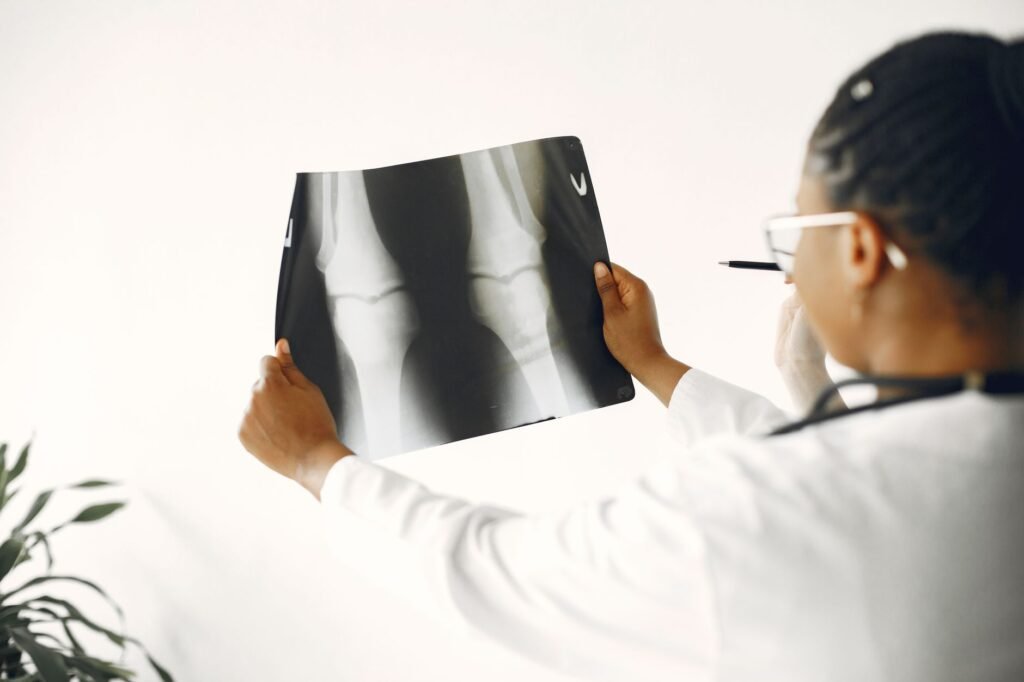
Physical Therapy Modalities to Reduce Stiffness
Manual Therapy Techniques
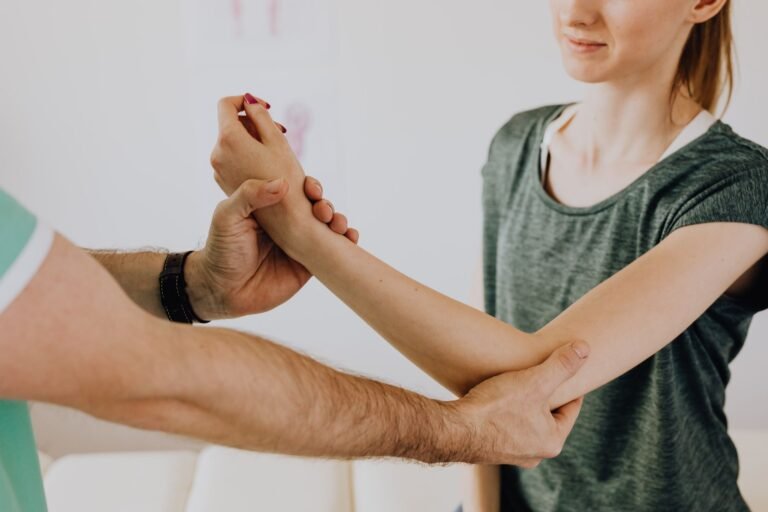
Hands‑on approaches such as joint mobilizations and soft‑tissue massage improve tissue extensibility and proprioceptive feedback. By applying low‑velocity, high‑amplitude movements, therapists can temporarily increase joint glide, which often translates to better functional use. Manual therapy also encourages circulation, delivering nutrients that support repair. Patients typically notice reduced resistance during daily activities after a series of sessions.
Therapeutic Exercise Programs
Targeted stretching combined with low‑impact strengthening builds muscular support around stiff joints. Dynamic warm‑up routines prepare the synovial membrane for motion, while static holds maintain lengthened positions. Progression should follow the principle of gradual overload, adding repetitions or resistance only when pain remains low. Consistency, rather than intensity, drives lasting improvements in flexibility.
Adjunct Technologies
Modalities such as therapeutic ultrasound and low‑level laser therapy can complement hands‑on care by delivering deep heat that relaxes peri‑articular structures. Electrical stimulation may assist in activating inhibited muscles, thereby reducing compensatory stiffness. These tools are most effective when integrated into a comprehensive program designed by a licensed therapist. Evidence supports modest gains in range of motion when used appropriately.
- Schedule at least two therapy visits per week during the initial phase.
- Combine home‑based exercises with in‑clinic treatments for optimal results.
- Track joint angles using a goniometer or smartphone app to monitor progress.
Occupational and Environmental Considerations
Workplace Ergonomics
Jobs that require repetitive reaching, prolonged sitting, or heavy lifting place additional strain on joints prone to stiffness. Adjusting desk height, using a lumbar support, and positioning frequently used tools within easy reach can reduce abnormal joint loading. Periodic micro‑breaks that include gentle joint rotations help maintain synovial fluid circulation. Employers may provide ergonomic assessments to tailor solutions for individual workers.
Climate and Seasonal Effects
Cold, damp weather can increase perceived joint stiffness, likely due to reduced blood flow and heightened muscle tone. Wearing layered clothing that keeps joints warm can mitigate these sensations. Hydration levels often drop in winter, so increasing fluid intake is important for maintaining joint lubrication. Some individuals find that regular indoor aerobic activity during colder months preserves mobility.
Adaptive Strategies for Daily Tasks
Modifying how you perform everyday activities can prevent aggravation of stiff joints. Using assistive devices such as jar openers, long‑handled reachers, or padded grips reduces the need for excessive force. When dressing, opting for elastic waistbands or slip‑on shoes minimizes joint flexion. Planning tasks to avoid prolonged static positions, such as alternating standing and sitting, supports joint health.
- Identify high‑risk movements and replace them with joint‑friendly alternatives.
- Incorporate joint‑friendly tools into the home environment.
- Educate family members about safe assistance techniques.
Frequently Asked Questions
Is joint stiffness always a sign of arthritis?
No. While arthritis is a common cause, stiffness can also result from temporary overuse, inactivity, or minor injuries. A professional assessment is needed to determine the exact cause.
Can I prevent joint stiffness as I age?
Staying active, maintaining a healthy weight, and eating an anti‑inflammatory diet can reduce the risk of age‑related stiffness. Regular check‑ups help catch early changes before they become problematic.
How long should morning stiffness last before I worry?
Brief stiffness that eases within 15‑30 minutes after gentle movement is typical. If it persists longer or worsens over time, it’s advisable to seek medical advice.
Are there any supplements that help with joint stiffness?
Some people find glucosamine, chondroitin, or omega‑3 fatty acids modestly helpful, but scientific evidence is mixed. Discuss any supplement use with a healthcare professional to avoid interactions.
The Bottom Line
Joint stiffness is a common, often manageable symptom that can arise from aging, inflammation, injury, or lifestyle factors. Simple home strategies, regular gentle movement, temperature therapy, proper nutrition, and ergonomic adjustments, provide relief for many. However, persistent, painful, or rapidly worsening stiffness should prompt a visit to a qualified health professional for evaluation and tailored treatment.
Was this page helpful?
Thanks for your feedback! What could we improve?
Thank you! Your feedback helps us improve our articles.
True Impact Health articles are written by our editorial team and based on reliable sources such as public health agencies, clinical guidelines and peer-reviewed research. This article has not yet been medically reviewed. Read our editorial process.
This content is for general information and is not a substitute for professional medical advice, diagnosis or treatment.