











Ebola Virus Disease: Causes, Symptoms, Treatment, and Prevention
Ebola Virus Disease (EVD) is one of the most severe and deadly infectious diseases known to humanity. Since it was first identified in 1976, Ebola has...
By True Impact Health Editorial Team

Dr. Bernard ReynoldsMedical Reviewer, True Impact Health
Physician with experience in patient care and preventive medicine, focused on early detection, disease prevention and long-term wellness.
Reviewed this article on October 15, 2026.
View profile How we reviewUpdated on May 29, 2026 7 min read
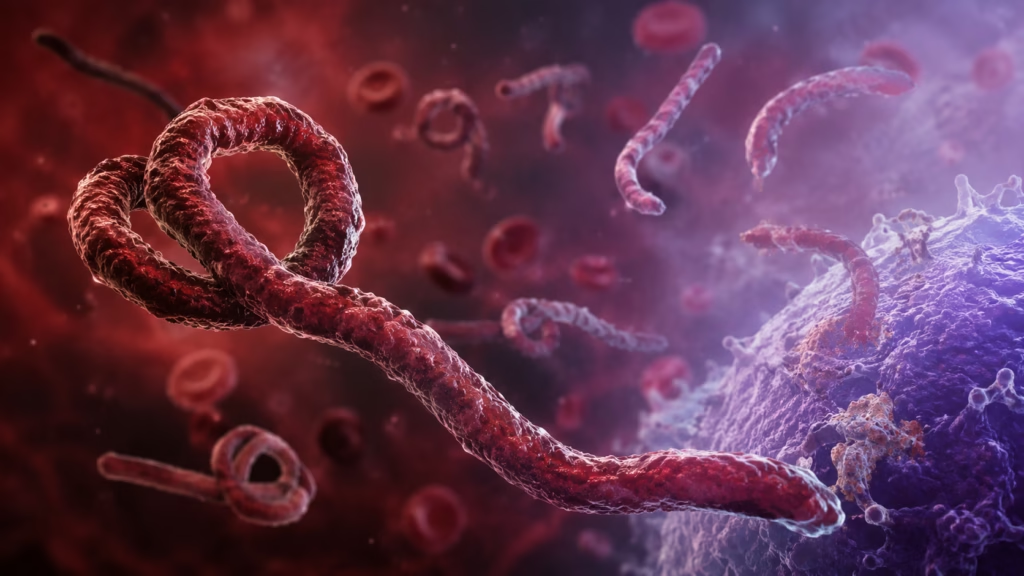
Table of Contents
Ebola Virus Disease (EVD) is one of the most severe and deadly infectious diseases known to humanity. Since it was first identified in 1976, Ebola has caused multiple outbreaks, particularly in Central and West Africa, resulting in thousands of deaths and placing immense pressure on healthcare systems. The disease is caused by the Ebola virus, a member of the Filoviridae family, and is characterized by severe illness that can progress rapidly if not treated promptly.
Key takeaways
- Primary transmission: direct contact with infected bodily fluids or contaminated objects; individuals become contagious when symptoms begin.
- Key symptoms: sudden fever, severe headache, muscle pain, vomiting, diarrhea, and in advanced cases internal bleeding and organ failure.
- Treatment focuses on supportive care: fluids, electrolytes, oxygen, blood pressure support, treating infections, plus monoclonal antibodies if given early.
- Prevention: avoid contact with infected fluids, use hand hygiene and protective equipment, safe burials, and vaccinate high risk groups.
Although Ebola outbreaks are relatively rare compared to diseases such as influenza or COVID-19, the virus remains a major public health concern because of its high mortality rate, potential for rapid spread, and significant social and economic consequences. Understanding Ebola, its transmission, symptoms, treatment options, and prevention strategies is essential for both healthcare professionals and the general public.
What Is Ebola Virus Disease?
Ebola Virus Disease is a serious viral infection that affects humans and certain animal species. The disease is caused by several species of Ebola virus, with some strains being more deadly than others. The virus primarily attacks the immune system, blood vessels, and multiple organs, leading to widespread inflammation and, in severe cases, organ failure.
The disease was first discovered near the Ebola River in what is now the Democratic Republic of the Congo, which is how it acquired its name. Since then, outbreaks have occurred in several African countries, with the largest outbreak taking place in West Africa between 2014 and 2016.
History of Ebola Outbreaks
The first recorded Ebola outbreaks occurred simultaneously in Sudan and the Democratic Republic of the Congo in 1976. Since that time, numerous outbreaks have been reported, primarily in Central and West Africa.
One of the most devastating outbreaks occurred between 2014 and 2016 in Guinea, Liberia, and Sierra Leone. This epidemic resulted in more than 28,000 reported cases and over 11,000 deaths, making it the largest Ebola outbreak in history.
Subsequent outbreaks have continued to occur, particularly in the Democratic Republic of the Congo and Uganda. These outbreaks have highlighted the importance of rapid detection, effective surveillance, and strong public health interventions in controlling the spread of the disease.
What Causes Ebola?
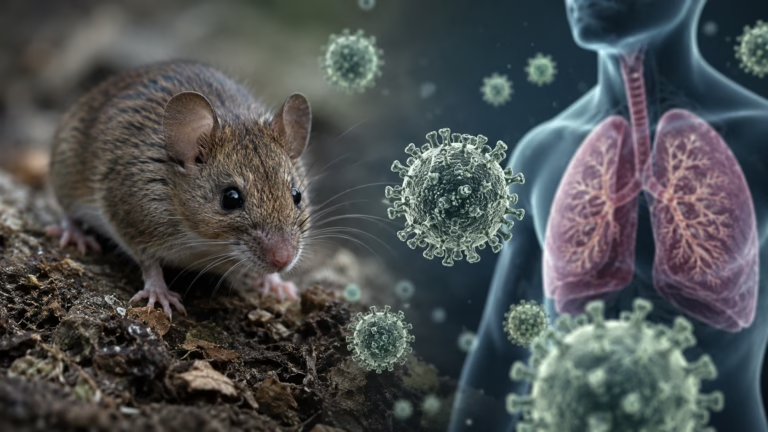
Ebola is caused by infection with the Ebola virus. Scientists believe that fruit bats serve as the natural reservoir of the virus, meaning they can carry and spread it without becoming severely ill themselves.
The virus may spread from animals to humans through direct contact with infected wildlife, including bats, monkeys, chimpanzees, gorillas, and forest antelopes. Human outbreaks often begin after contact with infected animals or their bodily fluids.
Once the virus enters the human population, person-to-person transmission becomes the primary mode of spread.
How Ebola Spreads
Unlike airborne viruses such as influenza, Ebola spreads through direct contact with infected bodily fluids.
These fluids may include:
- Blood
- Saliva
- Sweat
- Vomit
- Urine
- Feces
- Breast milk
- Semen
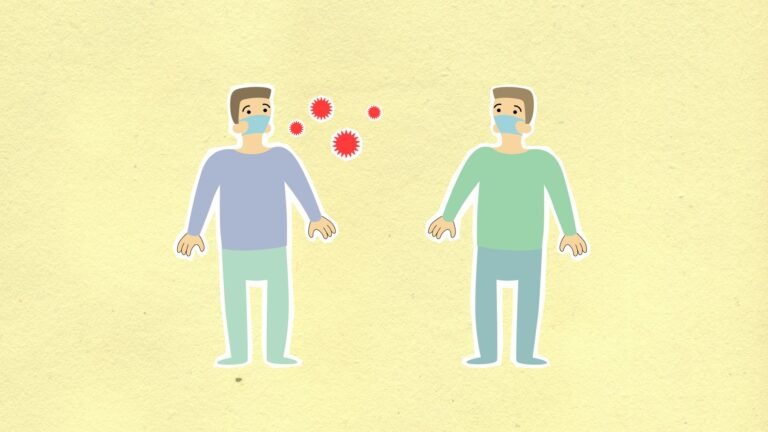
Transmission can occur when these fluids come into contact with broken skin or mucous membranes, such as the eyes, nose, or mouth.
Individuals are not contagious until symptoms develop. However, once symptoms begin, the virus can spread rapidly through close contact. Healthcare workers and family caregivers are particularly vulnerable if appropriate protective measures are not used.
The virus can also spread through contaminated objects such as needles, medical equipment, bedding, and clothing that have come into contact with infected bodily fluids.
Signs and Symptoms of Ebola
The incubation period for Ebola ranges from 2 to 21 days, meaning symptoms may appear several days or weeks after exposure.
Early Symptoms
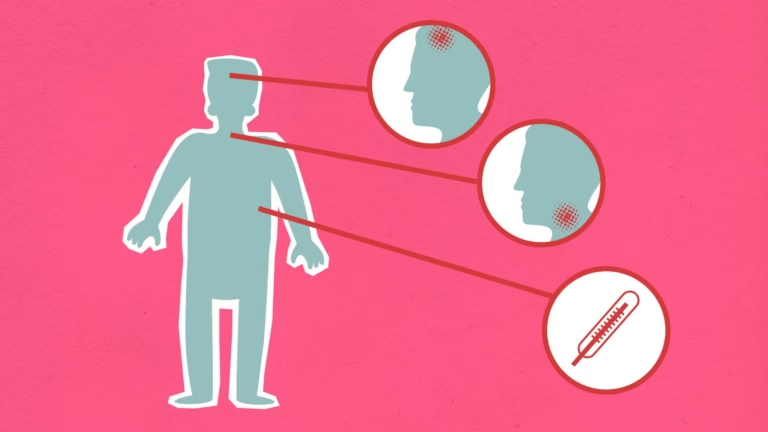
The disease often begins suddenly with symptoms that resemble many common infections, including:
- High fever
- Severe headache
- Muscle and joint pain
- Weakness and fatigue
- Sore throat
- Loss of appetite
- Chills
Because these symptoms are non-specific, early diagnosis can be challenging, especially in areas where other infectious diseases are common.
Progressive Symptoms
As the disease advances, more severe symptoms may develop, including:
- Persistent vomiting
- Severe diarrhea
- Abdominal pain
- Dehydration
- Skin rash
- Red eyes
- Difficulty swallowing
- Chest pain
Severe Symptoms
In advanced stages, Ebola can cause:
- Internal bleeding
- Bleeding from the nose, gums, or injection sites
- Organ failure
- Shock
- Severe electrolyte imbalance
- Multi-organ dysfunction
Without prompt treatment, these complications can be fatal.
How Ebola Affects the Body
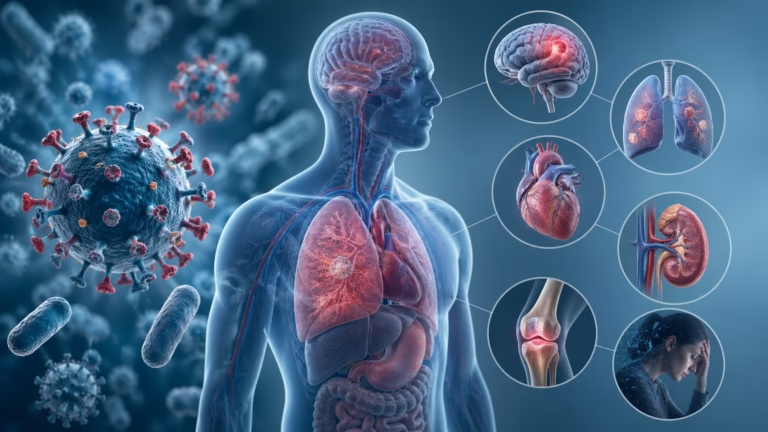
The Ebola virus causes widespread damage throughout the body. After entering the bloodstream, it infects immune cells and rapidly multiplies. The virus triggers a massive inflammatory response that damages blood vessels and impairs the body’s ability to regulate fluid balance.
As blood vessels become damaged, leakage of fluid into surrounding tissues occurs, contributing to low blood pressure and shock. Simultaneously, the virus interferes with normal blood clotting mechanisms, increasing the risk of bleeding.
Multiple organs, including the liver, kidneys, lungs, and heart, may become affected as the disease progresses.
Diagnosis of Ebola
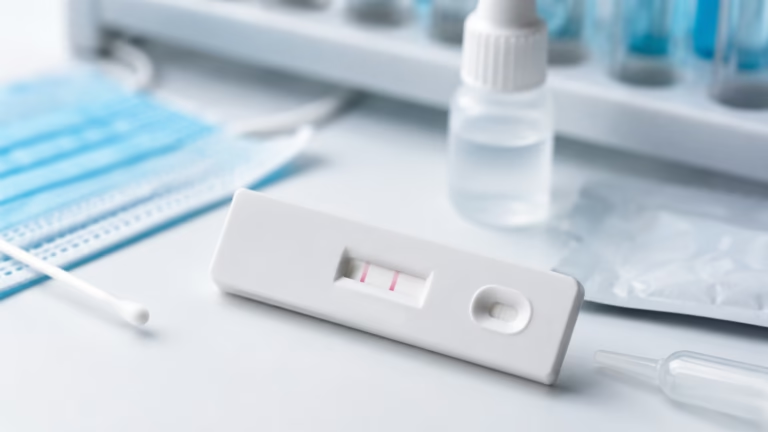
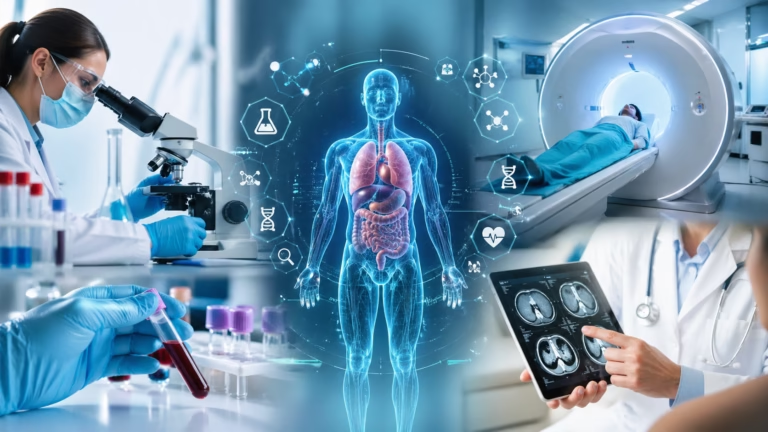
Diagnosing Ebola requires laboratory testing because symptoms often resemble those of malaria, typhoid fever, meningitis, and other infectious diseases.
Diagnostic methods may include:
- Polymerase Chain Reaction (PCR) testing
- Antigen detection tests
- Antibody testing
- Blood chemistry analysis
Early diagnosis is critical because prompt treatment significantly improves survival rates and helps prevent further transmission.
Treatment of Ebola
There is no single cure that completely eliminates Ebola immediately. However, advances in medical care have significantly improved survival rates.
Treatment primarily focuses on supportive care, including:
- Intravenous fluids to prevent dehydration
- Electrolyte replacement
- Oxygen therapy when necessary
- Blood pressure support
- Treatment of secondary infections
- Nutritional support
Several monoclonal antibody therapies have also been developed to target the virus directly and improve outcomes when administered early.
The earlier treatment begins, the greater the chance of recovery.
Recovery and Long-Term Effects
Many individuals who survive Ebola experience prolonged recovery periods. Although the virus may be eliminated from the bloodstream, some survivors continue to experience health problems for months or even years.
Common long-term effects include:
- Chronic fatigue
- Muscle and joint pain
- Eye problems and vision impairment
- Hearing difficulties
- Sleep disturbances
- Memory and concentration problems
- Anxiety and depression
These complications highlight the importance of long-term medical follow-up and rehabilitation services for survivors.
Preventing Ebola
Prevention remains the most effective strategy for controlling Ebola outbreaks.
Key preventive measures include:
Avoid Contact with Infected Individuals
Direct contact with bodily fluids from infected individuals should be avoided whenever possible.
Practice Good Hand Hygiene
Regular handwashing with soap and water or alcohol-based sanitizers helps reduce transmission risk.
Use Protective Equipment
Healthcare workers should use appropriate personal protective equipment, including gloves, gowns, masks, and eye protection.
Safe Burial Practices
Traditional burial rituals involving direct contact with the deceased can contribute to Ebola transmission. Safe and supervised burial procedures are essential during outbreaks.
Vaccination
Several Ebola vaccines have been developed and successfully used during outbreaks. Vaccination of high-risk populations and healthcare workers has become a critical component of outbreak control.
Public Health Impact of Ebola
Ebola outbreaks extend beyond health consequences. They often disrupt healthcare services, education systems, economic activities, and community life.
Fear and misinformation can also hinder outbreak control efforts. Public health education, community engagement, and transparent communication are therefore essential components of effective response strategies.
International organizations, governments, and healthcare institutions continue to collaborate to strengthen surveillance systems, improve diagnostic capacity, and enhance preparedness for future outbreaks.
When to Seek Medical Attention
Immediate medical evaluation is necessary if an individual develops symptoms consistent with Ebola and has recently:
- Traveled to an affected area
- Had contact with an infected person
- Participated in caregiving activities for someone with Ebola
- Handled potentially infected animals
Early isolation and treatment not only improve patient outcomes but also reduce the risk of transmission to others.
Conclusion
Ebola Virus Disease remains one of the most serious infectious diseases affecting global health. Despite significant advances in diagnosis, treatment, and vaccination, the virus continues to pose challenges in regions where outbreaks occur. Its ability to cause severe illness, high mortality, and widespread social disruption underscores the importance of continued vigilance and preparedness.
Through public education, early detection, effective medical care, vaccination programs, and strong public health infrastructure, the impact of Ebola can be significantly reduced. Understanding the disease and following recommended preventive measures are essential steps toward protecting individuals, families, and communities from future outbreaks.
Was this page helpful?
Thanks for your feedback! What could we improve?
Thank you! Your feedback helps us improve our articles.
Medically reviewed by
Dr. Bernard ReynoldsPhysician with experience in patient care and preventive medicine, focused on early detection, disease prevention and long-term wellness.
True Impact Health articles are written by our editorial team and based on reliable sources such as public health agencies, clinical guidelines and peer-reviewed research. This article has been checked by a doctor on our review panel. Read our editorial process.
This content is for general information and is not a substitute for professional medical advice, diagnosis or treatment.