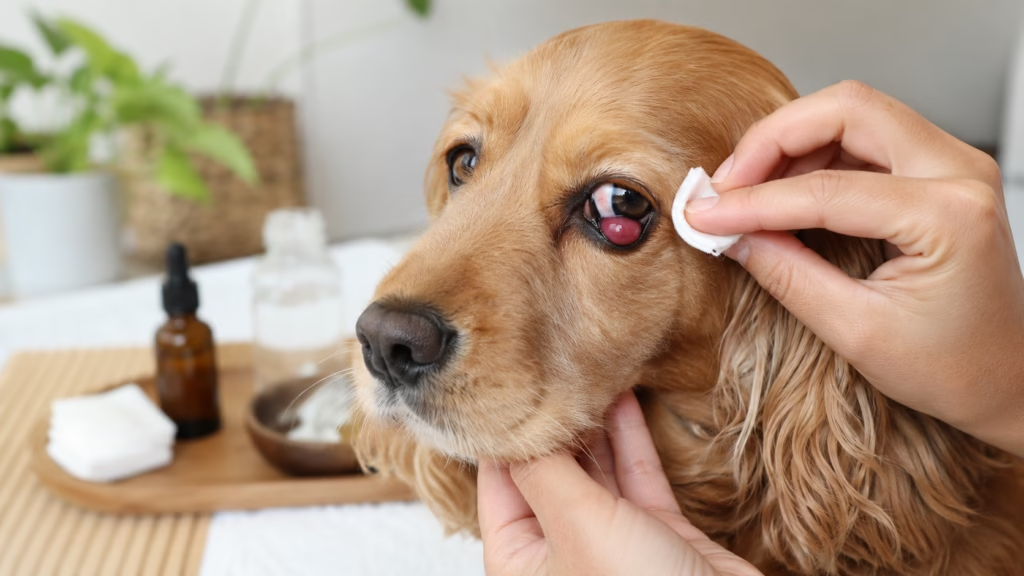
Cherry eye results from prolapse of the third eyelid gland, often linked to breed predisposition and weakened connective tissues.
Visible red or pink mass, excessive tearing, squinting, or pawing at the eye are common signs to recognize early.
Home care: warm compresses, preservative free lubricating drops, and gentle massage may reduce irritation but avoid forceful manipulation.
Monitor size, discharge, and behavior; seek veterinary care if swelling persists beyond 48 hours, shows cloudy eye or green discharge.
Surgery to reposition and secure the gland is the preferred long term treatment to preserve tear production and eye health.
Cherry eye in dogs is a prolapsed third‑eyelid gland that can be gently managed at home with warm compresses, lubricating eye drops and careful massage, but it usually requires veterinary surgery to permanently reposition the gland and prevent long‑term tear‑film problems.
Introduction
Cherry eye is a relatively common eye condition in dogs that can cause concern for pet owners due to its noticeable appearance and potential impact on a dog’s comfort and vision. The condition is characterized by the appearance of a red or pink swollen mass protruding from the inner corner of the eye. Although cherry eye is generally not considered a life threatening emergency, it should not be ignored because prolonged gland exposure can lead to irritation, inflammation, and long term complications affecting tear production and eye health.
Understanding the causes, symptoms, and appropriate home care strategies can help pet owners provide supportive care while determining when veterinary intervention is necessary. While home management may offer temporary relief in mild cases, professional veterinary evaluation remains important, particularly when symptoms persist or worsen.
Understanding Cherry Eye in Dogs
Cherry eye occurs when the gland of the third eyelid, also known as the nictitating membrane gland, prolapses or slips out of its normal position. Dogs possess a third eyelid located in the inner corner of the eye, which serves protective and lubricating functions. This gland is responsible for producing a substantial portion of the tear film that keeps the eye moist and healthy.
Under normal conditions, the gland remains anchored beneath connective tissue structures. However, when these supporting tissues weaken or become damaged, the gland may protrude outward, creating the characteristic red swelling associated with cherry eye.
Several factors increase the likelihood of developing this condition. Certain breeds, including Bulldogs, Beagles, Cocker Spaniels, Boston Terriers, and Shih Tzus, are genetically predisposed due to inherited connective tissue weakness. Younger dogs and puppies are more commonly affected because their supporting tissues are still developing. In addition, irritation, inflammation, allergies, or trauma to the eye may contribute to gland prolapse.
Recognizing the Symptoms
Early recognition of cherry eye is essential because prompt management may reduce irritation and prevent complications. The most obvious sign is a visible red or pink mass located in the inner corner of the eye. This swelling may vary in size and can appear suddenly or gradually enlarge over time.
Affected dogs often experience excessive tearing as the eye attempts to compensate for irritation. Squinting, blinking more frequently than usual, or sensitivity to light may also occur. Some dogs paw at the affected eye or rub their face against surfaces due to discomfort.
If the prolapsed gland becomes inflamed or its tear producing function is impaired, dryness and discharge may develop. Persistent dryness can place the cornea at risk of injury and infection.
Certain symptoms indicate the need for immediate veterinary evaluation. These include swelling that does not improve within forty eight hours, cloudy appearance of the eye, visible changes in vision, yellow or green discharge suggestive of infection, or signs of significant pain such as whining, head shaking, or refusal to open the eye.
Home Care Strategies for Cherry Eye
Home care measures primarily aim to reduce inflammation, maintain moisture, and provide comfort. These strategies may be useful in mild or early cases, but they should be performed gently and cautiously to avoid worsening the condition.
Warm Compress Therapy
Applying a warm compress can help improve blood circulation around the eye and reduce mild swelling. The warmth may also promote relaxation of surrounding tissues.
To perform this method safely, a clean soft cloth should be soaked in warm water and wrung out until damp rather than dripping. The cloth can then be gently placed over the affected eye for several minutes. This process may be repeated several times daily. Care should be taken to ensure the water is warm but not hot, as excessive heat can irritate the sensitive tissues around the eye.
Gentle Massage Technique
In some mild cases, gentle massage may help reposition the prolapsed gland temporarily. Before attempting this technique, hands should be thoroughly cleaned to minimize the risk of introducing bacteria into the eye.
The dog should be positioned comfortably in a calm environment. Using gentle pressure, the protruding gland may be guided inward and downward toward its natural position beneath the eyelid. Pressure should remain light and controlled, and the attempt should be discontinued immediately if the dog appears uncomfortable or resistant. Forceful manipulation should never be attempted, as it can damage delicate ocular tissues.
Although this method may temporarily reduce the prolapse, recurrence is common, and repeated unsuccessful attempts may increase irritation.
Lubricating Eye Drops and Ointments
Maintaining adequate eye moisture is essential because exposed glands and irritated tissues are more vulnerable to dryness and corneal injury. Artificial tear solutions and lubricating ointments formulated specifically for dogs can help protect the surface of the eye.
Preservative free products are generally preferred because they reduce the likelihood of additional irritation. These preparations may be applied several times daily according to veterinary guidance or product instructions. Human eye medications should not be used unless specifically approved by a veterinarian, as some ingredients may be harmful to dogs.
Natural and Supportive Approaches
Some pet owners choose to incorporate natural supportive measures alongside conventional care. Cool compresses prepared from chamomile or calendula tea are sometimes used because of their mild soothing properties. However, these should only be applied after confirming safety with a veterinarian.
Omega three fatty acids, commonly found in fish oil supplements, may support tear film stability and reduce inflammation. Nutritional support should always be provided using products specifically formulated for canine use to ensure safe dosage and ingredient quality.
Monitoring Recovery and Progress
Careful observation is an important component of home management. Pet owners should monitor the size and appearance of the prolapse, the presence of discharge, and any behavioral changes indicating discomfort. Maintaining a simple record of symptoms and treatments can help identify improvement or deterioration over time.
If the prolapse remains unchanged or worsens after several days of consistent care, veterinary evaluation becomes necessary. Prolonged exposure of the gland increases the risk of chronic inflammation and impaired tear production, potentially leading to dry eye syndrome and corneal damage.
Veterinary Treatment Options
When home care does not resolve the condition, surgical correction is often recommended. The most common procedure involves repositioning and securing the gland within its normal anatomical location rather than removing it. Preserving the gland is important because it contributes significantly to tear production.
In severe or recurrent cases where the gland cannot be successfully preserved, removal may be considered. However, gland removal increases the risk of chronic dry eye and is generally regarded as a less desirable option.
Preventing Future Eye Problems
Although cherry eye cannot always be prevented, certain practices may support overall eye health and reduce irritation. Routine inspection of the eyes allows early detection of redness, swelling, or discharge. A balanced diet rich in antioxidants and essential fatty acids supports tissue health and immune function.
Managing allergies and minimizing exposure to environmental irritants such as smoke, dust, and harsh chemicals may also reduce ocular inflammation. After outdoor activities, gently cleaning the face can help remove pollen and debris that may irritate sensitive eyes.
Conclusion
Cherry eye in dogs is a condition that, while often non life threatening, requires careful attention and timely management. The prolapse of the third eyelid gland can lead to irritation, discomfort, and long term complications if left untreated. Supportive home care measures such as warm compresses, gentle massage, and lubricating eye products may provide temporary relief and help maintain eye comfort.
However, persistent or worsening symptoms require professional veterinary evaluation, as surgical correction is often the most effective long term solution. Through a combination of attentive home care and appropriate veterinary guidance, pet owners can help protect their dog’s vision, comfort, and overall eye health.
Disclaimer
This article is for educational purposes only and does not replace professional medical advice, diagnosis, or treatment. Seizures, severe headache, confusion, visual changes, or blood pressure readings in the hypertensive crisis range require urgent medical evaluation.
Dog shows signs of severe pain, whining or refuses to open the eye
Rapid increase in size of the prolapsed gland
If your pet collapses, struggles to breathe or is in severe pain, contact an emergency vet straight away.
Frequently asked questions
Can cherry eye heal on its own without surgery?
Mild cases may temporarily improve with warm compresses and massage, but the gland often re‑prolapses. Surgical fixation is the most reliable way to restore normal tear production and prevent chronic irritation.
What type of eye drops are safe for cherry eye?
Use preservative‑free artificial tears or lubricating ointments formulated for dogs. Avoid human drops unless a veterinarian specifically approves them, as some ingredients can be toxic to pets.
Is cherry eye painful for the dog?
The prolapsed gland can cause irritation, tearing and mild discomfort. If the dog shows signs of significant pain, excessive rubbing, or vocalises, it indicates the condition may be worsening and needs prompt veterinary assessment.
Can diet or supplements help with cherry eye?
Omega‑3 fatty acids from a high‑quality fish‑oil supplement may support tear‑film stability and reduce inflammation, but they are not a cure. Any supplement should be given under veterinary guidance to ensure proper dosing and safety.
Doctor of Veterinary Medicine (DVM) who reviews the pet and animal health articles on True Impact Health.
True Impact Health articles are written by our editorial team and based on reliable sources such as public health agencies, clinical guidelines and peer-reviewed research. This article has been checked by a veterinarian on our review panel. Read our editorial process.
This content is for general information and is not a substitute for professional medical advice, diagnosis or treatment.