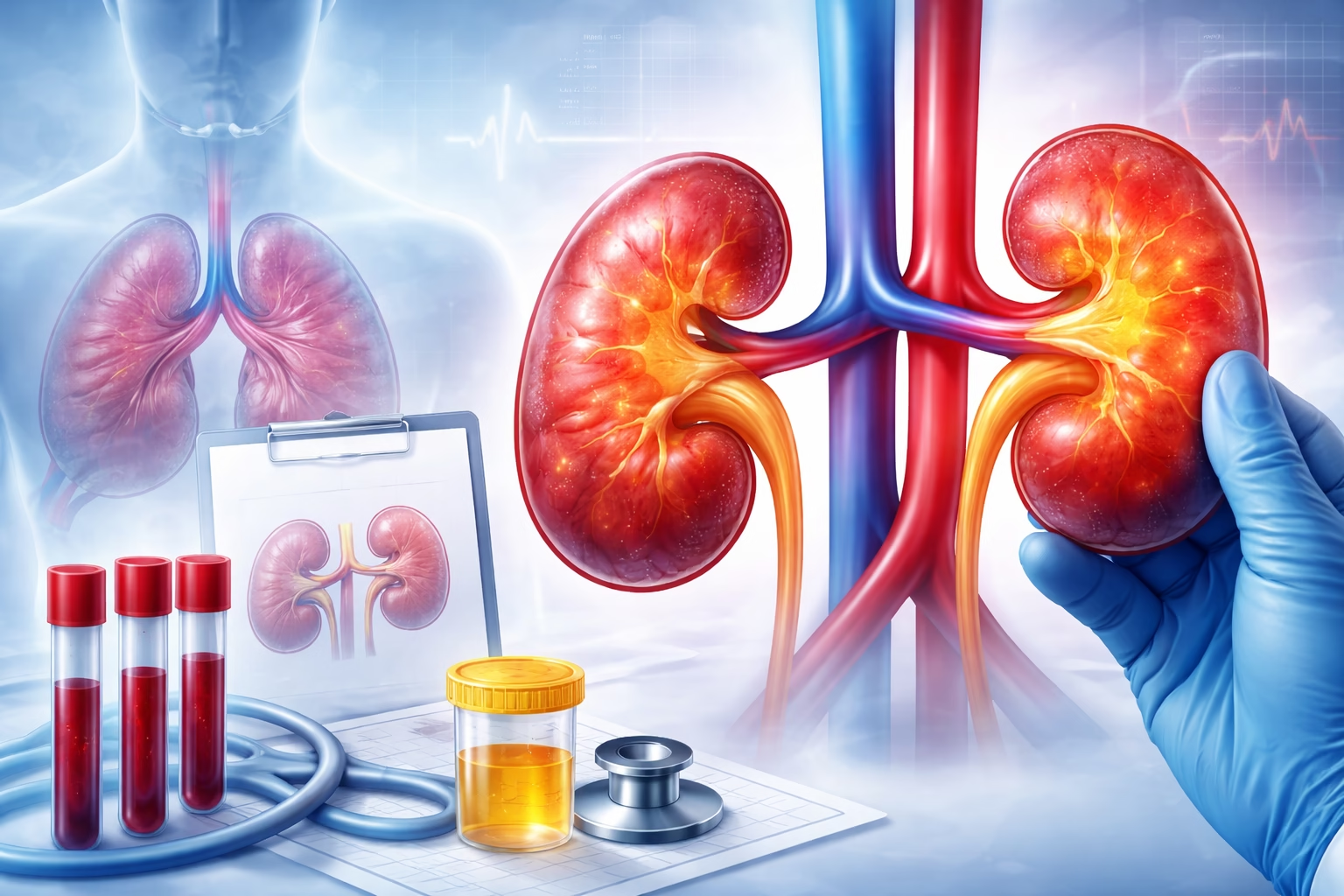
Acute Kidney Injury (AKI), previously referred to as acute renal failure, is a sudden decline in kidney function that develops within a short period, typically hours to a few days. The kidneys play a critical role in filtering waste products from the blood, maintaining electrolyte balance, regulating fluid levels, and supporting overall metabolic stability. When kidney function deteriorates rapidly, the body can no longer effectively eliminate toxins or maintain normal chemical balance, which can lead to serious health complications.
- Major causes include reduced kidney blood flow, direct kidney tissue damage, and urinary tract obstruction requiring prompt identification.
- Symptoms vary from reduced urine output and swelling to nausea, confusion, and dangerous electrolyte imbalances affecting heart and lungs.
- Treat by addressing the cause, managing fluids and electrolytes, using temporary dialysis if needed, and applying preventive measures to reduce risk.
AKI is considered a medical emergency because it can progress quickly and affect multiple organs if not treated promptly. However, unlike chronic kidney disease, AKI is often reversible when diagnosed early and when the underlying cause is properly addressed. Understanding the causes, symptoms, and available treatment options is therefore essential for early recognition and effective management.
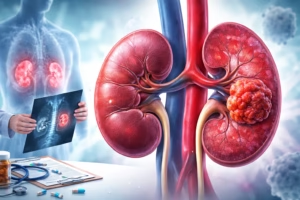
 Urological Health" width="1376" height="917" srcset="https://trueimpacthealth.com/wp-content/uploads/2026/03/Urological-Health-300x200.avif 300w, https://trueimpacthealth.com/wp-content/uploads/2026/03/Urological-Health-1024x683.avif 1024w, https://trueimpacthealth.com/wp-content/uploads/2026/03/Urological-Health-768x512.avif 768w, https://trueimpacthealth.com/wp-content/uploads/2026/03/Urological-Health.avif 1536w" sizes="(max-width: 1376px) 100vw, 1376px" />
Understanding the Role of the Kidneys
The kidneys are two bean shaped organs located on either side of the spine, just below the rib cage. Their primary function is to filter blood and remove metabolic waste products through urine. In addition, the kidneys regulate blood pressure, balance electrolytes such as sodium and potassium, produce hormones involved in red blood cell production, and maintain fluid equilibrium within the body.
When kidney function declines suddenly, these vital processes are disrupted. Waste substances such as urea and creatinine begin to accumulate in the bloodstream, fluid balance becomes abnormal, and electrolyte disturbances may develop. These changes can affect the heart, brain, lungs, and other organs.
Causes of Acute Kidney Injury
AKI can occur due to a variety of factors that interfere with normal kidney function. Medical professionals often categorize the causes into three main groups: reduced blood flow to the kidneys, direct kidney damage, and obstruction of urine flow.
Reduced Blood Flow to the Kidneys
One of the most common causes of AKI is a sudden decrease in blood supply to the kidneys. Because the kidneys rely on a continuous flow of blood to filter waste products, any disruption in circulation can impair their function.
Several conditions may lead to reduced kidney blood flow, including:
-
Severe dehydration
-
Significant blood loss
-
Severe infections such as sepsis
-
Major surgery
-
Low blood pressure (hypotension)
When blood flow decreases, kidney tissues receive less oxygen and nutrients. If this condition persists, it can result in temporary or permanent damage to kidney cells.
Direct Damage to Kidney Tissue
AKI may also occur when the kidney tissue itself is injured. This type of injury can result from infections, inflammatory diseases, toxins, or certain medications.
Common causes of direct kidney damage include:
-
Certain antibiotics and pain medications
-
Contrast dyes used in medical imaging procedures
-
Autoimmune diseases affecting the kidneys
-
Severe muscle breakdown (rhabdomyolysis)
-
Exposure to toxic substances or heavy metals
These factors can damage the microscopic structures within the kidneys responsible for filtering blood, leading to impaired kidney function.
Obstruction of Urine Flow
Another major cause of AKI involves blockage of the urinary tract, which prevents urine from leaving the kidneys. When urine cannot drain properly, pressure builds up inside the kidneys and interferes with normal filtration.
Possible causes of urinary obstruction include:
-
Kidney stones
-
Enlarged prostate in men
-
Tumors affecting the urinary tract
-
Blood clots in the urinary system
-
Severe bladder dysfunction
When the obstruction is relieved early, kidney function often improves significantly.
Symptoms of Acute Kidney Injury
The symptoms of AKI can vary depending on the severity of the condition and the underlying cause. In some cases, individuals may experience only mild symptoms, while others may develop more severe complications.
Common symptoms include:
-
Reduced urine output
-
Swelling in the legs, ankles, or around the eyes
-
Fatigue and weakness
-
Shortness of breath
-
Nausea and vomiting
-
Confusion or difficulty concentrating
-
Irregular heartbeat due to electrolyte imbalance
-
Chest pain caused by fluid buildup around the heart
Some individuals may not notice symptoms during the early stages of AKI. As a result, the condition is often detected through blood tests that reveal elevated levels of waste products such as creatinine.
Risk Factors for Acute Kidney Injury
Certain individuals are more vulnerable to developing AKI. Risk factors include:
-
Older age
-
Diabetes
-
Pre existing kidney disease
-
Severe infections
-
Hospitalization, particularly in intensive care units
-
Major surgery
-
Use of medications that affect kidney function
Patients with multiple risk factors require close monitoring because AKI can develop rapidly in vulnerable populations.
Diagnosis of Acute Kidney Injury
Early diagnosis plays a crucial role in preventing long term kidney damage. Physicians typically diagnose AKI through a combination of clinical evaluation and laboratory tests.
Common diagnostic methods include:
Blood tests
These tests measure levels of creatinine and blood urea nitrogen (BUN). Elevated levels indicate reduced kidney function.
Urine tests
Urinalysis can detect abnormalities such as protein, blood, or signs of infection.
Imaging studies
Ultrasound or CT scans may be used to identify structural problems such as kidney stones or urinary obstruction.
Kidney biopsy
In rare cases, a small sample of kidney tissue may be examined to determine the underlying cause of kidney injury.
Treatment Options for Acute Kidney Injury
The treatment of AKI depends largely on identifying and addressing the underlying cause. Medical management focuses on restoring kidney function, correcting electrolyte imbalances, and preventing complications.
Treating the Underlying Cause
If AKI results from dehydration or blood loss, intravenous fluids may be administered to restore proper circulation. When infections are present, antibiotics are used to eliminate the infection.
If medications or toxins are responsible for kidney damage, those substances are discontinued immediately. In cases where urinary obstruction is identified, surgical or medical interventions may be necessary to remove the blockage.
Fluid and Electrolyte Management
Maintaining appropriate fluid levels is essential during AKI treatment. Physicians carefully monitor fluid intake and output to prevent fluid overload or dehydration.
Electrolyte imbalances such as high potassium levels can be dangerous because they may affect heart function. Medications or dietary adjustments may be used to correct these abnormalities.
Dialysis
In severe cases where the kidneys are unable to perform their filtering function, temporary dialysis may be required. Dialysis is a medical procedure that removes waste products and excess fluids from the blood using specialized equipment.
Dialysis is typically considered when patients develop:
-
Severe electrolyte imbalances
-
Fluid overload affecting the lungs
-
Persistent metabolic acidosis
-
Extremely high levels of toxins in the blood
For many individuals with AKI, dialysis is only temporary until kidney function recovers.
Prevention of Acute Kidney Injury
Although AKI cannot always be prevented, certain strategies may reduce the risk of developing the condition.
Preventive measures include:
-
Staying adequately hydrated
-
Managing chronic conditions such as diabetes and hypertension
-
Avoiding unnecessary use of medications that may harm the kidneys
-
Monitoring kidney function during hospitalization
-
Seeking prompt medical care for severe infections or dehydration
Individuals at high risk should work closely with healthcare providers to monitor kidney health and minimize exposure to potential triggers.
Long Term Outlook
The prognosis for AKI varies depending on the severity of the injury and the speed of medical intervention. Many patients experience full recovery when the condition is treated early. However, some individuals may develop chronic kidney disease if the damage is severe or prolonged.
Long term follow up is often recommended to ensure that kidney function returns to normal and to detect any early signs of persistent kidney impairment.
Conclusion
Acute Kidney Injury represents a serious but often reversible medical condition characterized by a rapid decline in kidney function. The disorder may arise from reduced blood flow, direct kidney damage, or obstruction of urine flow. Early recognition of symptoms, prompt diagnosis, and appropriate treatment are essential for preventing complications and improving patient outcomes.
Awareness of the risk factors and preventive measures can also play a crucial role in protecting kidney health. Because the kidneys perform vital functions that support the entire body, maintaining their health is essential for overall well being.
Further Reading
can tooth infections cause ear pain
3 tog sleeping bag temperature guide