













Health A–Z guide
Trichomoniasis
Trichomoniasis: What You Need to Know About This Common STI
Sexually transmitted infections (STIs) are common, yet many remain misunderstood. One of the most prevalent—but often overlooked—STIs worldwide is trichomoniasis. Caused by a microscopic parasite, trichomoniasis can affect anyone who…
Table of Contents
Sexually transmitted infections (STIs) are common, yet many remain misunderstood. One of the most prevalent—but often overlooked—STIs worldwide is trichomoniasis. Caused by a microscopic parasite, trichomoniasis can affect anyone who is sexually active. While it is typically treatable, many people do not realize they have it because symptoms can be mild or absent.
This article provides a clear, evidence-based overview of trichomoniasis, including its causes, symptoms, diagnosis, treatment, and prevention strategies.
Overview: What Is Trichomoniasis?
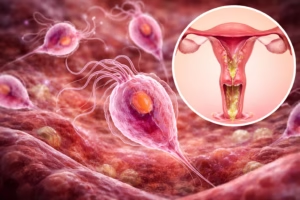
Trichomoniasis (often called “trich”) is a sexually transmitted infection caused by the protozoan parasite Trichomonas vaginalis. It primarily infects the lower genital tract, including:
- The vagina, urethra, and cervix in women
- The urethra in men
According to global public health data, trichomoniasis is one of the most common non-viral STIs worldwide. Despite its frequency, many individuals do not show symptoms, contributing to unintentional spread.
Trichomoniasis is:
- Treatable with medication
- Typically not life-threatening
- Associated with potential complications if left untreated
Causes and Risk Factors
Cause
Trichomoniasis is caused by the parasite Trichomonas vaginalis, which spreads primarily through sexual contact, including:
- Vaginal intercourse
- Genital-to-genital contact
It does not typically spread through casual contact, such as hugging, sharing utensils, or toilet seats.
Risk Factors
Certain factors increase the likelihood of acquiring trichomoniasis:
- Having multiple sexual partners
- Inconsistent or no use of barrier protection (e.g., condoms)
- A history of other STIs
- Previous trichomoniasis infection
- Being a woman (diagnosed more frequently, though men can carry and transmit it)
Importantly, anyone who is sexually active can contract trichomoniasis, regardless of age or background.
Symptoms and Clinical Presentation
One of the challenges with trichomoniasis is that up to 70% of infected individuals may have no symptoms. When symptoms do occur, they typically appear within 5 to 28 days after exposure.
Symptoms in Women
Women are more likely than men to experience noticeable symptoms, which may include:
- Vaginal discharge (often frothy, yellow-green, or gray)
- Strong or unusual vaginal odor
- Vaginal itching or irritation
- Pain during urination (dysuria)
- Discomfort during intercourse
- Lower abdominal discomfort (less common)
Symptoms in Men
Men are often asymptomatic. When present, symptoms may include:
- Urethral discharge
- Burning with urination or ejaculation
- Itching or irritation inside the penis
Even without symptoms, infected individuals can still transmit the infection.
Potential Complications
If left untreated, trichomoniasis may increase the risk of:
- Acquiring or transmitting HIV
- Pregnancy-related complications (e.g., preterm delivery or low birth weight)
- Pelvic inflammatory disease (rare but possible in women)
Diagnosis and Screening
Trichomoniasis can be diagnosed through laboratory testing. Because symptoms overlap with other STIs, accurate testing is essential.
Common Diagnostic Methods
- Nucleic acid amplification tests (NAATs) – Highly sensitive and commonly used
- Microscopic examination of vaginal or urethral fluid
- Rapid antigen tests
- Culture (less commonly used today)
Samples may be obtained from:
- Vaginal swabs (preferred in women)
- Urethral swabs (in some cases)
- Urine samples (in both men and women)
Routine screening is not universally recommended for all individuals but may be advised for:
- Women with HIV
- Individuals with symptoms
- Those with high-risk sexual behaviors
Healthcare providers determine testing needs based on individual risk factors.
Treatment and Management Options
Trichomoniasis is typically treated with prescription antibiotics.
First-Line Treatment
- Metronidazole (single-dose or multi-day regimen), or
- Tinidazole
These medications are highly effective when taken as directed.
Important Treatment Considerations
- All sexual partners should be treated simultaneously to prevent reinfection.
- Avoid sexual intercourse until treatment is completed and symptoms have resolved.
- Alcohol should be avoided during and shortly after certain medications (particularly metronidazole) due to potential reactions.
- Follow-up testing may be recommended, particularly for women, to confirm clearance.
Reinfection is common if partners are not treated.
Prevention and Lifestyle Considerations
Preventing trichomoniasis involves reducing exposure risk and practicing safer sex.
Preventive Strategies
- Consistent and correct use of condoms
- Limiting the number of sexual partners
- Regular STI testing if sexually active, especially with new or multiple partners
- Open communication with sexual partners about STI status
- Prompt treatment of both partners if diagnosed
Routine sexual health check-ups are an important part of overall health maintenance.
Conclusion
Trichomoniasis is a common and treatable sexually transmitted infection caused by Trichomonas vaginalis. Although many people experience no symptoms, untreated infections can lead to complications and increase the risk of other STIs. Fortunately, accurate diagnosis and effective antibiotic treatments are widely available.
Awareness, regular screening when appropriate, consistent condom use, and partner treatment are key components in controlling and preventing the spread of trichomoniasis.
Disclaimer
This article is for educational purposes only and does not constitute medical advice. If you have symptoms or concerns about sexually transmitted infections, consult a qualified healthcare professional for evaluation, testing, and appropriate treatment.
Was this page helpful?
Thanks for your feedback! What could we improve?
Thank you! Your feedback helps us improve our guides.
Our Health A–Z guides are written by the True Impact Health Editorial Team and based on reliable sources such as public health agencies, clinical guidelines and peer-reviewed research. This guide has not yet been medically reviewed. Read our editorial process.
This content is for general information and is not a substitute for professional medical advice, diagnosis or treatment.