








Signs of Infection After Neutering Dog
Learn how to spot infection signs after your dog’s neuter surgery and when to seek veterinary help.
By True Impact Health Editorial Team

Doctor of Veterinary Medicine (DVM) who reviews the pet and animal health articles on True Impact Health.
Reviewed this article on October 10, 2026.
View profile How we reviewUpdated on October 10, 2026 8 min read
Table of Contents
Quick answer
Infection after neutering usually shows up as increased redness, swelling, heat, discharge or pus, a foul smell, or the dog licking the incision excessively, plus signs like fever, lethargy or loss of appetite. If any of these appear, contact your veterinarian promptly.
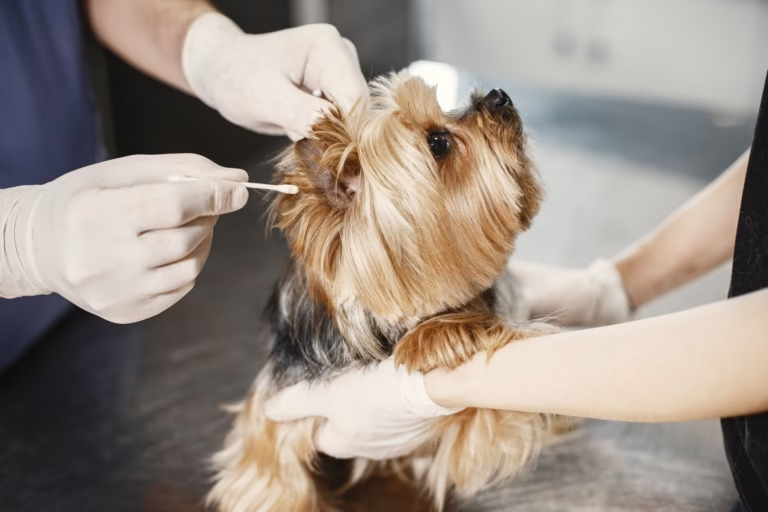
Today we will be talking about the signs of infection after neutering a dog. Neutering, a common veterinary procedure, involves the surgical removal of the reproductive organs in male dogs, usually the testicles, to prevent breeding and reduce certain health issues. While neutering often leads to many health benefits, like decreasing aggressive behavior and the risk of certain cancers, it is essential to be aware of potential complications. One such complication can include infection at the surgical site, which may develop post-operation. Signs of infection can range from mild to severe and can affect the overall health of your dog if left untreated. Recognizing these signs early can help you ensure your furry friend receives the appropriate care. Monitoring your pet’s recovery closely is crucial to avoiding any severe complications and ensuring a smooth transition back to their normal lifestyle.
Understanding Neutering and Its Purpose
Neutering is a surgical procedure that involves removing the testicles in male dogs, often performed under anesthesia in a veterinary clinic. This procedure has several purposes, including population control and preventing unwanted pregnancies. Additionally, neutering can help mitigate behavioral problems associated with mating instincts, such as aggression, marking territory, and roaming. Furthermore, neutering can significantly reduce the risk of certain diseases like testicular cancer and prostate issues. Knowing the purpose of neutering helps pet owners understand the importance of the procedure and prepare for the dog’s recovery phase. It is essential to recognize that, while neutering is beneficial, post-operative care is also crucial to ensure a swift and complication-free recovery.
Normal Recovery Process After Neutering
After neutering, most dogs undergo a standard recovery process. Generally, this process spans several days to a week. During this time, the surgical site may appear swollen and might have some discharge, which is typical. Dogs usually experience some localized discomfort, so veterinarians often recommend pain relief medication to ease their recovery. It is crucial to keep an eye on your pet during this time, as their behavior and activity levels may change. Ensuring that your dog limits their activity is vital to prevent stress on the surgical site. A calm environment, along with the provision of a comfortable resting area, encourages relaxation and compliance with recovery guidelines. Being aware of the normal recovery process allows pet owners to differentiate between typical healing signs and potential complications.
Signs of Infection to Look For
Recognizing the signs of infection is essential in postoperative care. Common indicators may include excessive redness or swelling at the surgical site, prolonged bleeding or discharge that changes color or has a foul smell, increased pain or sensitivity when the area is touched, and overall signs of distress in your pet. Infected sites might even feel warm to the touch compared to surrounding areas. If you notice any of these symptoms, it is crucial to reach out to your veterinarian immediately. Early detection is key in treating infections effectively and ensuring your dog’s welfare post-surgery. By actively monitoring the surgical site, pet owners can safeguard their dogs against unnecessary discomfort and complications.
Importance of Post-Surgical Care
Post-surgical care is a crucial aspect of your dog’s recovery that cannot be overlooked. Following neutering, your dog requires a comfortable, quiet space to recover. Until the incision heals, limiting physical activity is essential, and using a leash for bathroom breaks is advisable. Additionally, it’s essential to monitor the surgical site closely and adhere to your veterinarian’s recommendations regarding medications, cleaning procedures, and follow-up appointments. Discomfort may arise from the surgery, making pain management essential. Providing the medications as directed, ensuring your dog remains calm, and preventing them from licking or biting at the surgical site—often with the use of an Elizabethan collar—will help avoid complications. Understanding and performing diligent post-surgical care enhances your dog’s chances of having a smooth recovery.
Potential Complications from Neutering
Complications following neutering can arise despite careful attention to post-surgical care. Although infection is one of the most common issues, other potential complications can include excessive bleeding, adverse reactions to anesthesia, and the formation of seromas (fluid accumulation beneath the skin). Each of these complications can lead to further distress for your pet and may require additional veterinary intervention. Timely identification of any concerning symptoms, along with prompt veterinary consultations, can mitigate these risks. It is always advisable to discuss potential complications with your veterinarian prior to surgery so you are fully aware of what to monitor during the recovery phase. Being informed will allow you to react swiftly if complications do arise.
The Role of Age and Health in Recovery
The age and overall health of your dog play significant roles in their recovery process. Younger dogs typically heal faster than older ones due to more resilient immune systems and quicker recovery times. Furthermore, dogs with pre-existing health conditions may face more challenges during the healing process. Preoperative assessments by your veterinarian can help determine a dog’s suitability for neutering based on their health status. Owners of older or compromised dogs should be extra diligent during the recovery period, monitoring for any undesirable symptoms and providing attentive care. Tailoring your approach to your dog’s specific health requirements supports healthier recovery outcomes. Reach out to your veterinarian if you have concerns regarding their recovery.
Diet and Nutrition After Neutering
What your dog eats post-surgery can significantly affect their recovery. Proper nutrition helps facilitate healing and recovery, while also keeping your dog’s energy levels adequate. After neutering, it is advisable to adjust your dog’s diet to support their healing needs. Veterinarians often recommend high-quality dog food that is rich in protein and nutrients to promote tissue repair. Additionally, maintaining a healthy weight is crucial, as neutered dogs may be more prone to weight gain due to hormonal changes. Monitoring food intake and ensuring that your dog receives plenty of fresh water are essential components of a healthy diet after surgery. In some cases, your veterinarian may suggest dietary adjustments, such as smaller portions or lighter meals, to aid in weight management during recovery.
When to Call the Veterinarian
It is vital for pet owners to know when to reach out to a veterinarian after their dog has been neutered. If you observe any signs of infection, like persistent redness, swelling, or foul-smelling discharge, it is essential to seek professional help immediately. Additionally, if your dog displays extreme lethargy, loss of appetite, or refusal to engage in typical activities, it is advisable to have them evaluated. If the incision site appears unusually warm or pulls away, prompt veterinary care is necessary. Recognizing these signs allows you to advocate for your pet’s health effectively. Provided with early interventions, many complications can be treated efficiently, allowing your dog to return to its normal active lifestyle quickly.
Frequently Asked Questions
- How long should I monitor my dog after neutering? It’s best to keep a close eye on your dog for at least 10 to 14 days post-surgery to catch any signs of complications early.
- What should I do if I notice swelling at the incision site? Mild swelling can be normal, but if it seems excessive or is accompanied by redness or discharge, contact your veterinarian.
- Can my dog exercise after neutering? Limit your dog’s activity for at least two weeks, particularly rough play or jumping. Short walks are advisable.
- How can I keep my dog from licking the incision site? An Elizabethan collar or alternative protective coverings can be used to prevent your dog from accessing the surgery site.
- Is it normal for my dog to lose appetite after neutering? Some dogs may have a reduced appetite post-surgery, but if it lasts more than 24 hours, contact your vet for advice.
In summary, recognizing the signs of infection after neutering a dog is essential to safeguarding your pet’s health. After undergoing this common procedure, any visible changes in behavior, appetite, or surgical site condition should be monitored closely. Understanding the normal recovery process and differentiating it from potential complications will empower pet owners to provide the best possible care during this healing phase. Being aware of the role of age, overall health, diet, and the importance of post-surgical care can contribute to an optimal recovery experience. Furthermore, knowing when to call your veterinarian helps ensure that any concerns are addressed promptly. Remember, a successful recovery includes not only professional veterinary care but also attentive observation and care at home. By equipping yourselves with knowledge and taking proactive steps, you can help your furry friend recover swiftly and comfortably, returning to their happy and active selves in no time.
For more information, see the MedlinePlus.
When to see a vet
- Redness or swelling that worsens after 48 hours
- Discharge that is thick, yellow, green or foul‑smelling
- Your dog seems very painful, whines when the incision is touched, or has a fever
- Lethargy, loss of appetite, or vomiting
- Bleeding that does not stop within a few minutes
- Call emergency services if the incision bursts open or the dog collapses
If your pet collapses, struggles to breathe or is in severe pain, contact an emergency vet straight away.
Frequently asked questions
How long after neutering can an infection develop?
Infections typically appear within the first few days to a week after surgery, but they can also develop later if the wound becomes contaminated. Monitor the incision daily for any changes.
Can I clean the incision myself?
Gentle cleaning with a veterinarian‑approved antiseptic solution is usually safe, but avoid scrubbing. Follow your vet’s instructions and keep the area dry; excessive cleaning can irritate the wound.
Is swelling normal after neutering?
Mild swelling is common for the first 24‑48 hours. If swelling increases, feels hot, or is accompanied by pain or discharge, it may indicate infection and warrants veterinary review.
Should I give my dog antibiotics if I suspect infection?
Only give antibiotics prescribed by a veterinarian. Using the wrong medication or dose can worsen the problem or cause resistance. Contact your vet for proper assessment and treatment.
Sources and further reading
Was this page helpful?
Thanks for your feedback! What could we improve?
Thank you! Your feedback helps us improve our articles.
Veterinary reviewed by
Dr. Hannah Silvanus, DVMDoctor of Veterinary Medicine (DVM) who reviews the pet and animal health articles on True Impact Health.
True Impact Health articles are written by our editorial team and based on reliable sources such as public health agencies, clinical guidelines and peer-reviewed research. This article has been checked by a veterinarian on our review panel. Read our editorial process.
This content is for general information and is not a substitute for professional medical advice, diagnosis or treatment.