










How to Treat Dogs Watery Eyes
Learn how to safely manage your dog's watery eyes at home and recognize the critical warning signs that indicate a need for urgent veterinary medical care.
By True Impact Health Editorial Team

Dr. Hannah Silvanus, DVMVeterinary Reviewer, True Impact Health
Doctor of Veterinary Medicine (DVM) who reviews the pet and animal health articles on True Impact Health.
Reviewed this article on October 10, 2026.
View profile How we reviewUpdated on October 10, 2026 10 min read
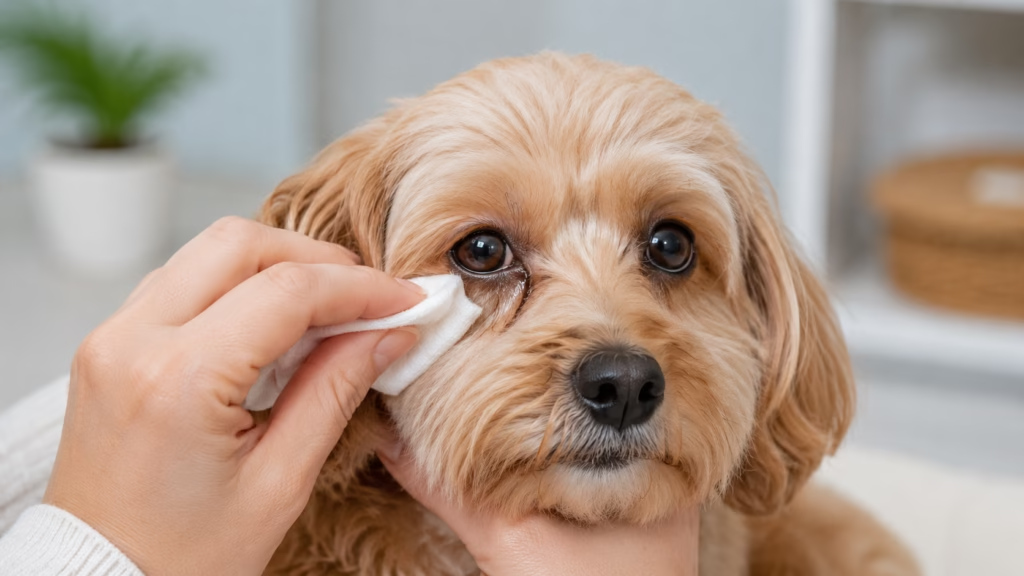
Table of Contents
Quick answer
Treating watery eyes in dogs requires identifying the underlying cause, such as allergies, infections, or anatomical issues. For mild irritation, you can gently clean the area with sterile saline, but persistent tearing requires a professional diagnosis. Never apply human eye drops or medications to your dog without explicit guidance from a veterinarian, as these can cause significant harm.
Introduction
A dog’s eyes are often one of its most expressive features, communicating excitement, affection, curiosity, and even discomfort. Therefore, it can be concerning for pet owners to notice excessive tearing or watery eyes in their canine companions. While occasional tearing may be harmless and temporary, persistent watery eyes can sometimes signal an underlying health issue that requires attention.
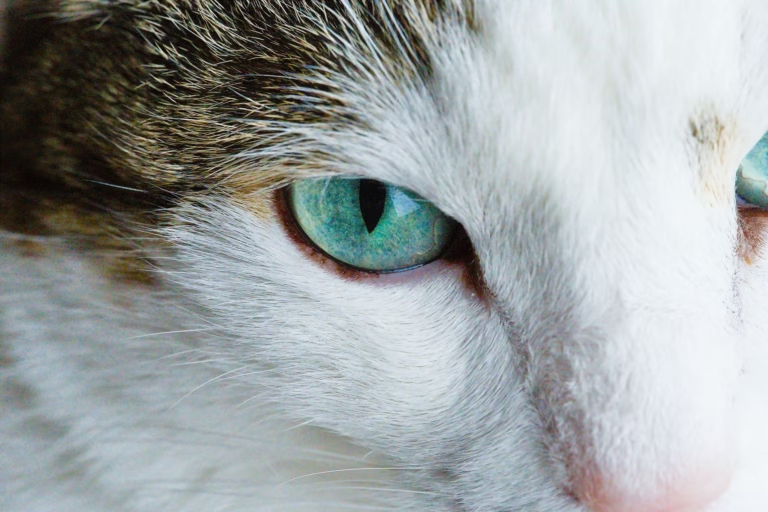
Watery eyes, medically referred to as epiphora, occur when tears overflow from the eyes and run down the face. This may happen because the eyes are producing too many tears, the tear drainage system is not functioning properly, or irritation is causing the eyes to react defensively. In some cases, watery eyes are simply a breed-related characteristic. In others, they may indicate allergies, infections, injury, or more serious eye disorders.
Understanding the causes, symptoms, treatment options, and preventive measures can help you protect your dog’s vision and overall comfort. This guide explores everything dog owners need to know about treating watery eyes and maintaining optimal eye health.
Understanding Why Dogs Develop Watery Eyes
Before beginning treatment, it is important to identify the underlying reason for excessive tearing. Watery eyes are not a disease themselves but rather a symptom of an underlying condition.
Tears play a critical role in maintaining healthy eyes. They lubricate the eye surface, remove debris, supply nutrients to the cornea, and help protect against infection. Normally, tears drain through tiny openings called tear ducts. When tear production exceeds drainage capacity or the drainage system becomes blocked, tears spill onto the face.
Several conditions can contribute to watery eyes in dogs.
Allergies
Allergies are among the most common causes of watery eyes. Just as humans can react to environmental allergens, dogs can develop sensitivity to substances in their surroundings.
Common triggers include pollen, mold spores, dust mites, grass, smoke, and certain household cleaning products. Food allergies may also contribute to eye irritation in some dogs.
When exposed to allergens, the body’s immune system releases inflammatory chemicals that irritate the eyes. This often leads to excessive tearing, redness, itching, and discomfort. Dogs with allergies may also exhibit skin irritation, ear infections, or excessive licking of their paws.
Eye Infections
Infections involving the eye or surrounding tissues frequently cause watery eyes.
Bacterial conjunctivitis, viral infections, and fungal infections can all trigger inflammation of the conjunctiva, the thin membrane covering the eye and inner eyelids. In addition to excessive tearing, infected eyes often appear red and swollen and may produce yellow, green, or cloudy discharge.
Without proper treatment, infections can spread and potentially damage sensitive eye structures.
Structural and Anatomical Problems
Some dogs develop watery eyes because of abnormalities in the eyelids or tear drainage system.
Entropion occurs when the eyelid rolls inward, causing eyelashes and hair to rub against the eye surface. This constant irritation stimulates excessive tear production.
Ectropion, on the other hand, occurs when the eyelid droops outward. This can expose the eye surface to environmental irritants and increase the risk of infection.
Blocked or narrowed tear ducts can also prevent normal drainage, leading to tears overflowing onto the face.
Foreign Bodies and Environmental Irritants
Even a small particle can cause significant eye irritation.
Dust, sand, grass seeds, plant material, or tiny insects may become trapped beneath the eyelid. Household chemicals, cigarette smoke, perfumes, and cleaning products can also irritate the eyes.
When the eye detects a foreign substance, tear production increases in an attempt to flush out the irritant.
Breed-Related Predispositions
Certain dog breeds are naturally more prone to watery eyes.
Flat-faced breeds such as Pugs, Bulldogs, Boston Terriers, and Shih Tzus often have shallow eye sockets and prominent eyes that are more easily irritated.
Long-haired breeds may experience tearing because facial hair rubs against the eye surface. Breeds with naturally narrow tear ducts may also experience chronic tear overflow and staining around the eyes.
Recognizing Symptoms That Require Veterinary Attention
While occasional tearing is often harmless, persistent or worsening symptoms should not be ignored.
One of the most important responsibilities of a pet owner is distinguishing between mild irritation and signs of a potentially serious eye problem.
Redness surrounding the eye may indicate inflammation or infection. Swelling of the eyelids or tissues around the eye can signal trauma, allergies, or infection.
Colored discharge, especially yellow or green mucus, often suggests a bacterial infection requiring treatment. Dogs that frequently squint, blink excessively, or paw at their eyes may be experiencing pain or irritation.
Cloudiness of the eye surface should always be treated as a veterinary emergency because it may indicate corneal ulcers, glaucoma, or other vision-threatening conditions.
Additional warning signs include lethargy, decreased appetite, sensitivity to light, and behavioral changes that suggest discomfort.
If any of these symptoms persist for more than twenty-four hours or appear severe, veterinary evaluation is strongly recommended.
At-Home Treatment for Mild Watery Eyes
When watery eyes result from mild irritation and there are no signs of serious disease, supportive home care may help improve your dog’s comfort.
Gentle Eye Cleaning
Keeping the eye area clean is one of the simplest and most effective ways to manage mild tearing.
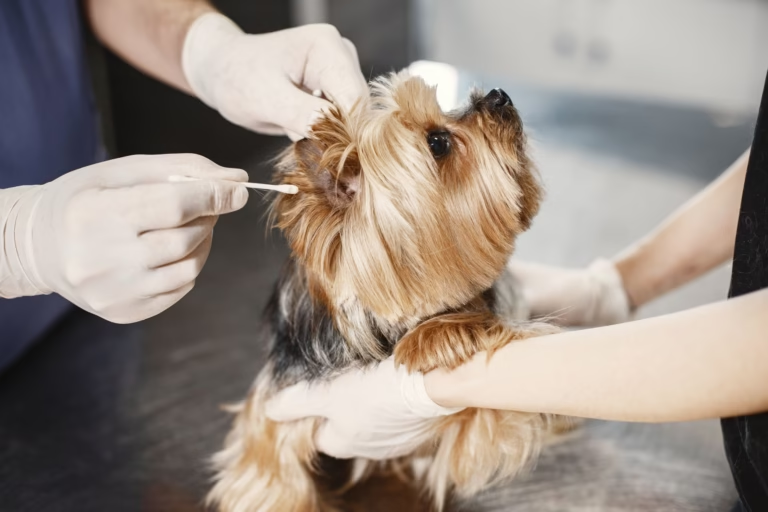
Use sterile saline solution or a veterinarian-approved eye rinse to gently remove tear residue and debris. Moisten a clean cotton pad or gauze and wipe carefully from the inner corner of the eye outward.
Always use a fresh pad for each eye to avoid transferring bacteria or irritants.
Avoid using soaps, alcohol-based products, hydrogen peroxide, or human eye medications unless specifically directed by a veterinarian.
Managing Environmental Allergens
Environmental factors often contribute to excessive tearing.
Regular vacuuming and dust control can help reduce indoor allergens. Air purifiers may improve air quality, especially during allergy seasons.
During periods of high pollen counts, limiting outdoor exposure may reduce eye irritation. Wiping your dog’s face after walks can remove pollen and other environmental contaminants before they cause problems.
Keeping smoke, aerosol sprays, strong perfumes, and harsh cleaning chemicals away from your pet can also help protect eye health.
Proper Grooming
Facial hair can play a significant role in eye irritation.
Long hair around the eyes should be trimmed carefully to prevent it from rubbing against the cornea. Many long-haired breeds benefit from routine grooming appointments to maintain eye comfort.
Regular cleaning of tear stains may also help prevent bacterial growth and skin irritation beneath the eyes.
Nutritional Support
Nutrition plays an important role in overall eye health.
Omega-3 fatty acids found in fish oil supplements may help reduce inflammation throughout the body, including the eyes. Antioxidant-rich foods such as blueberries, carrots, and pumpkin may support immune function and ocular health.
A complete and balanced diet formulated for your dog’s age, breed, and health status remains the foundation of long-term wellness.
Always consult your veterinarian before introducing supplements to ensure they are appropriate for your pet.
Veterinary Treatments for Persistent Watery Eyes
If home care does not resolve the problem, professional evaluation is necessary to identify and address the underlying cause.
Prescription Eye Medications
When infections or inflammation are present, veterinarians may prescribe medicated eye drops or ointments.
Antibiotic eye medications are commonly used for bacterial infections, while antiviral medications may be required for certain viral conditions.
Anti-inflammatory treatments may help reduce irritation, swelling, and discomfort associated with allergies or chronic inflammation.
Tear Duct Flushing
Blocked tear ducts are a common cause of chronic tearing.
Veterinarians can perform a tear duct flush, a procedure that uses sterile fluid to clear blockages within the drainage system. In many cases, this procedure provides rapid improvement and reduces chronic tear overflow.
Surgical Correction
Structural abnormalities such as entropion and ectropion often require surgical correction.
These procedures reposition the eyelids to prevent irritation and restore normal eye function. Surgical treatment can dramatically improve comfort and reduce long-term damage to the eye surface.
Dogs diagnosed with cherry eye, a condition involving prolapse of the third eyelid gland, may also require surgery to preserve tear production and eye health.
Allergy Management
For dogs with chronic allergies, veterinarians may recommend allergy testing to identify specific triggers.
Treatment plans may include antihistamines, prescription medications, immunotherapy, dietary changes, or environmental modifications designed to reduce exposure to allergens.
Long-Term Eye Health Maintenance
Maintaining healthy eyes requires ongoing attention and preventive care.
Routine veterinary examinations help detect eye problems before they become serious. Annual wellness visits should include a thorough evaluation of the eyes, eyelids, and surrounding structures.
Good grooming practices reduce irritation caused by facial hair. Using pet-safe shampoos and avoiding products that may irritate the eyes can further reduce risk.
Pet owners should routinely observe their dog’s eyes for changes in appearance, tearing patterns, redness, or discharge. Early detection often leads to faster treatment and better outcomes.
Keeping a record of flare-ups, seasonal patterns, dietary changes, or environmental exposures may also help identify recurring triggers.
Conclusion
Watery eyes in dogs are a common issue that can result from a variety of causes, ranging from simple irritation and allergies to infections and structural abnormalities. While mild cases often respond well to gentle cleaning, environmental management, and proper grooming, persistent symptoms should never be ignored.
Understanding the underlying cause is the key to effective treatment. By monitoring your dog’s symptoms, maintaining a clean environment, supporting overall health through proper nutrition, and seeking veterinary care when necessary, you can help protect your pet’s vision and comfort.
Healthy eyes contribute significantly to your dog’s quality of life. With attentive care and prompt intervention when problems arise, you can keep those bright, expressive eyes clear, comfortable, and healthy for years to come.
Disclaimer
This article is for educational purposes only and does not replace professional medical advice, diagnosis, or treatment. Seizures, severe headache, confusion, visual changes, or blood pressure readings in the hypertensive crisis range require urgent medical evaluation.
When to see a vet
- The eye appears cloudy, opaque, or has a visible scratch on the surface.
- The dog is squinting, pawing at the eye, or showing signs of intense pain.
- Discharge from the eye is yellow, green, thick, or smells unpleasant.
- The eye area is significantly swollen, red, or bleeding.
- Vision loss or sudden changes in the dog's behavior or appetite.
- Symptoms persist for more than twenty-four hours despite gentle cleaning.
If your pet collapses, struggles to breathe or is in severe pain, contact an emergency vet straight away.
Frequently asked questions
Can I use human eye drops for my dog's watery eyes?
No, you should never use human eye drops, including those for redness or allergies, without consulting a veterinarian. Many human products contain ingredients that are toxic to dogs or can mask serious conditions like corneal ulcers. Always seek professional advice to ensure the medication is safe and appropriate for your dog's specific diagnosis.
Why do my dog's eyes have dark tear stains?
Tear stains are caused by porphyrins, which are naturally occurring pigments in tears that oxidize when exposed to air. While often cosmetic, heavy staining can sometimes indicate chronic overflow due to blocked ducts or irritation. Keep the area clean and dry, but consult your vet to rule out underlying medical issues causing excessive moisture.
How can I prevent my dog from getting eye infections?
Prevention focuses on keeping the eye area clean and minimizing exposure to irritants. Keep facial hair trimmed away from the eyes, avoid blowing smoke or harsh chemicals near your dog, and ensure they are protected from debris during car rides. Regular grooming and monitoring for early signs of irritation are the best ways to maintain eye health.
Are watery eyes a sign of a serious emergency?
While often mild, watery eyes can be a sign of emergencies like glaucoma or deep corneal ulcers. If your dog shows sudden, severe pain, holds the eye shut, or if the eye looks cloudy, treat it as an urgent situation. Prompt veterinary care is essential to prevent permanent vision loss or severe damage to the eye structures.
Was this page helpful?
Thanks for your feedback! What could we improve?
Thank you! Your feedback helps us improve our articles.
Veterinary reviewed by
Dr. Hannah Silvanus, DVMDoctor of Veterinary Medicine (DVM) who reviews the pet and animal health articles on True Impact Health.
True Impact Health articles are written by our editorial team and based on reliable sources such as public health agencies, clinical guidelines and peer-reviewed research. This article has been checked by a veterinarian on our review panel. Read our editorial process.
This content is for general information and is not a substitute for professional medical advice, diagnosis or treatment.