












Chronic Systolic Congestive Heart Failure ICD 10
Learn about the ICD-10 code I50.22 for chronic systolic congestive heart failure, including coding guidelines, symptoms, and medical management.
By True Impact Health Editorial Team

Medical graduate of Girne American University with a focus on patient-centred care, clinical assessment and preventive health.
Reviewed this article on October 10, 2026.
View profile How we reviewUpdated on October 9, 2026 5 min read

Table of Contents
Quick answer
The ICD-10 code for chronic systolic congestive heart failure is I50.22. This code is specifically used when clinical documentation confirms that a patient has ongoing, long-term heart failure characterized by a reduced ejection fraction. Proper coding requires clear provider documentation specifying both the chronicity and the systolic nature of the condition.
CHRONIC SYSTOLIC CONGESTIVE HEART FAILURE ICD-10
Introduction
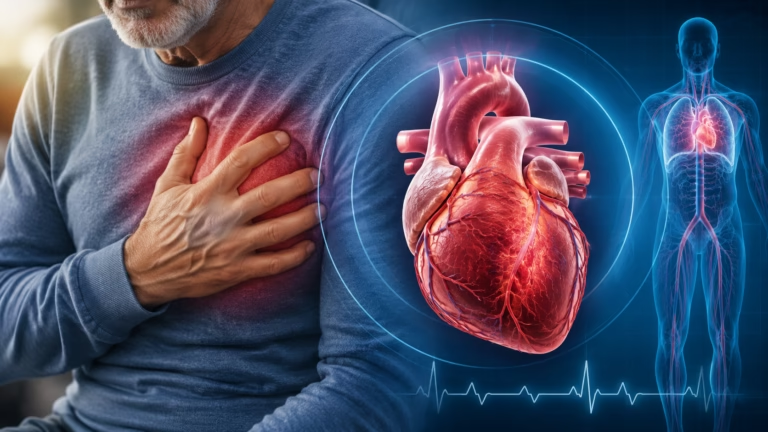
Chronic systolic congestive heart failure (CHF) is a serious condition in which the heart’s pumping ability is compromised, leading to fluid buildup and diminished oxygen delivery to tissues. Accurate ICD-10 coding of this condition not only ensures proper reimbursement but also supports robust data collection for outcomes research and quality improvement. In today’s post, we’ll explore the clinical hallmarks of chronic systolic CHF, break down the relevant ICD-10 codes (with a focus on I50.22), share best practices for documentation and coding, and offer practical tips for patient management. Whether you’re a medical coder, clinician, or healthcare administrator, understanding the intersection of diagnosis, treatment, and coding is essential to deliver high-quality care and streamline billing processes.
Understanding Chronic Systolic Congestive Heart Failure

What Is Systolic vs. Diastolic Heart Failure?
• Systolic Heart Failure: Characterized by reduced ejection fraction (HFrEF), typically ≤40%, reflecting weakened contraction of the left ventricle.
• Diastolic Heart Failure: Also called heart failure with preserved ejection fraction (HFpEF), where the ventricle cannot relax properly but contraction is normal.
Pathophysiology and Clinical Features
When the left ventricle cannot pump effectively, blood backs up into the lungs and systemic circulation, causing:
• Shortness of breath (dyspnea) at rest or on exertion
• Orthopnea (difficulty breathing when lying flat)
• Paroxysmal nocturnal dyspnea (waking at night gasping for air)
• Peripheral edema (ankle or leg swelling)
• Fatigue, reduced exercise tolerance
ICD-10 Coding Overview

The Role of ICD-10 in Heart Failure
ICD-10 (International Classification of Diseases, 10th Revision) provides granular codes to describe the type, acuity, and chronicity of heart failure. Accurate coding:
• Enables correct billing and reimbursement
• Supports population health analytics
• Facilitates benchmarking and quality metrics
Key ICD-10 Codes for Chronic Systolic CHF
The ICD-10 system designates heart failure under the “I50” category. For chronic systolic (congestive) heart failure, pay close attention to these codes:
• I50.20 – Unspecified systolic (congestive) heart failure
• I50.21 – Acute systolic (congestive) heart failure
• I50.22 – Chronic systolic (congestive) heart failure ← Primary code of interest
• I50.23 – Acute on chronic systolic (congestive) heart failure
Code I50.22 should be used when documentation clearly states chronic systolic heart failure, whether or not the patient is experiencing current decompensation.
Documentation & Coding Best Practices
Tips for Precise Coding
- Seek Specificity
– Confirm ejection fraction (EF) and note whether heart failure is acute, chronic, or acute on chronic.
– Specify “systolic,” “diastolic,” or “combined” as documented by the provider. - Query When in Doubt
– If the record only states “heart failure,” send a query to clarify type (systolic vs. diastolic) and chronicity. - Capture Comorbidities
– Document related conditions such as ischemic heart disease, hypertension, atrial fibrillation, or valvular disorders to support risk adjustment. - Monitor Code Updates
– Stay current with ICD-10-CM Official Guidelines for Coding and Reporting, updated annually.
Example of Good Documentation
Physician Note Excerpt:
“Patient presents for routine follow-up of chronic systolic heart failure (EF 30%). No acute decompensation. Continues on carvedilol, lisinopril, and furosemide. Stable orthopnea and mild pedal edema.”
• Assign I50.22 – Chronic systolic (congestive) heart failure
Clinical Management & Patient Education
Guideline-Directed Medical Therapy (GDMT)
• ACE Inhibitors or ARBs: Reduce afterload and improve survival
• Beta-Blockers (e.g., carvedilol, metoprolol): Decrease heart rate and arrhythmia risk
• Mineralocorticoid Receptor Antagonists (e.g., spironolactone): Lower mortality in HFrEF
• Diuretics: Control fluid overload and relieve symptoms
Lifestyle Modifications
• Low-sodium diet (≤2,000 mg/day)
• Daily weight monitoring (alert provider if gain ≥2–3 lbs in 24 hours)
• Fluid restriction as indicated (often 1.5–2 L/day)
• Regular, moderate exercise program
Patient Education Points
• Recognize early warning signs (e.g., sudden weight gain, worsening dyspnea)
• Adhere to medication regimen
• Schedule periodic lab tests (renal function, electrolytes)
• Vaccinations (influenza, pneumococcal) to reduce hospitalization risk
Conclusion
Correctly identifying and coding chronic systolic congestive heart failure (I50.22) is vital for accurate billing, clinical management, and quality reporting. By combining thorough documentation, awareness of ICD-10 coding nuances, and evidence-based treatment strategies, healthcare professionals can enhance patient outcomes while ensuring compliance and optimized revenue cycles. Keep your coding knowledge up to date, engage in regular clinical documentation improvement (CDI) initiatives, and empower patients with the education they need to monitor and manage their condition effectively.
With a solid grasp of chronic systolic CHF and its ICD-10 coding requirements, you’re well-positioned to support both administrative excellence and top-tier patient care.
When to see a doctor
- Sudden weight gain of 2 to 3 pounds in a day or 5 pounds in a week
- Worsening shortness of breath, especially when lying flat or waking up gasping
- Increased swelling in the legs, ankles, feet, or abdomen
- Persistent coughing or wheezing, particularly with pink or white phlegm
- Chest pain, severe lightheadedness, or fainting (call your local emergency number immediately)
If symptoms are severe or come on suddenly, call your local emergency number.
Frequently asked questions
What is the difference between code I50.22 and I50.23?
Code I50.22 is used for stable, chronic systolic heart failure. Code I50.23 is assigned when a patient with chronic systolic heart failure experiences an acute flare-up or sudden worsening of symptoms, known as acute on chronic heart failure.
Can I50.22 be used if the ejection fraction is normal?
No, I50.22 is reserved for systolic heart failure, which involves a reduced ejection fraction. If the patient has heart failure with a preserved ejection fraction, it is classified as diastolic heart failure and coded under I50.3 family codes.
How does hypertension affect coding for chronic heart failure?
When a patient has both hypertension and heart failure, ICD-10 guidelines generally presume a causal relationship. A combination code from the I11 category (hypertensive heart disease) is typically assigned first, followed by I50.22 as an additional code.
Why is documentation of ejection fraction so important for coding?
Ejection fraction helps establish whether the heart failure is systolic, diastolic, or combined. Clear documentation of the percentage or type allows medical coders to select the most specific ICD-10 code, ensuring accurate medical records and proper reimbursement.
Sources and further reading
Was this page helpful?
Thanks for your feedback! What could we improve?
Thank you! Your feedback helps us improve our articles.
Medically reviewed by
Dr. Oluwabusola Stella OkeMedical graduate of Girne American University with a focus on patient-centred care, clinical assessment and preventive health.
True Impact Health articles are written by our editorial team and based on reliable sources such as public health agencies, clinical guidelines and peer-reviewed research. This article has been checked by a doctor on our review panel. Read our editorial process.
This content is for general information and is not a substitute for professional medical advice, diagnosis or treatment.