








Gout symptoms
Learn about gout symptoms, how to recognize them early, when to seek help, and practical ways to manage flare‑ups safely.

Table of Contents
Key Takeaways
- Sudden joint pain, swelling, and redness are classic gout symptoms.
- Symptoms often start at night and affect the big toe first.
- Seek medical care if pain is severe, fever develops, or symptoms recur.
- Lifestyle changes and hydration can help reduce future gout attacks.
Gout is a type of arthritis that can cause intense, sudden pain in the joints. When you search for “Gout symptoms”, you are likely looking for clear signs that tell you whether a flare‑up is happening. Understanding these symptoms helps you act quickly, get the right care, and avoid unnecessary discomfort.
In this guide we will walk through the most common signs of gout, how they develop over time, when to call a health professional, and practical steps you can take at home. The information is based on trusted sources such as the CDC and major medical centres. Remember, this article is for general knowledge only – a doctor is needed for a definitive diagnosis and personalized treatment plan.
While gout can be frightening because of its abrupt onset, many people learn to recognise the pattern of symptoms and manage the condition effectively. Let’s explore what to look for and how to respond.
What is Gout?
Gout is caused by a buildup of uric acid crystals in a joint. Uric acid is a waste product formed when the body breaks down substances called purines, which are found in certain foods and also produced naturally. Normally, uric acid dissolves in the blood and is eliminated by the kidneys. When the body makes too much uric acid or the kidneys cannot excrete enough, the level rises, and crystals can form.
These tiny, needle‑shaped crystals trigger an inflammatory response, leading to the painful swelling that characterises a gout attack. The condition is more common in men, people over 40, and those with a family history of gout, but anyone can develop it.
Gout is often called “the disease of kings” because historically it was linked to rich diets high in meat and alcohol. Modern research shows that lifestyle, genetics, kidney function, and certain medications all play a role.
Common Gout Symptoms
The hallmark of a gout flare is sudden, severe joint pain. Below are the most frequently reported signs, usually affecting one joint at a time.
- Intense pain: The pain often starts at night and peaks within a few hours. It can feel like the joint is on fire.
- Swelling and tenderness: The affected area becomes visibly swollen, warm to the touch, and extremely tender to even light pressure.
- Redness and shininess: The skin over the joint may turn red or purplish and appear stretched.
- Limited range of motion: Moving the joint can be difficult or impossible without sharp pain.
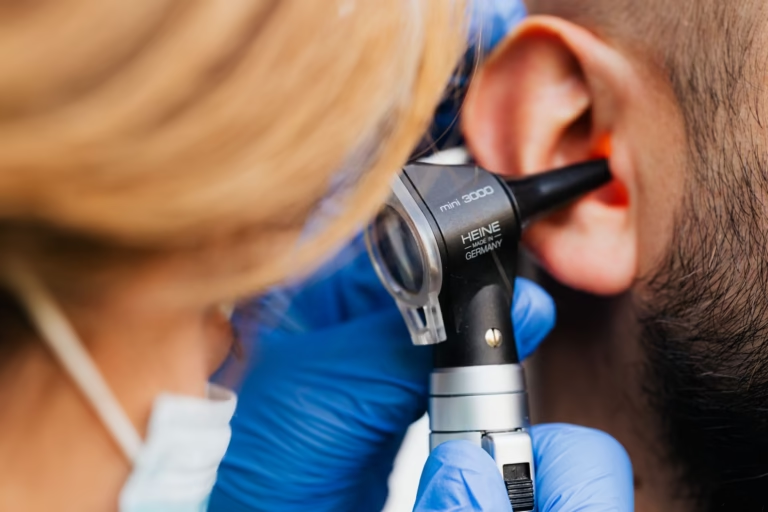
- Tophi formation: With chronic gout, small chalky deposits called tophi can develop under the skin, most often around the ears, fingers, or elbows.
While the big toe (the first metatarsophalangeal joint) is the classic site, gout can affect the ankles, knees, wrists, elbows, and fingers. The pattern of joint involvement can help differentiate gout from other types of arthritis.
Symptoms usually last from a few days to two weeks. Without treatment, they may subside on their own, but the underlying uric acid problem remains, increasing the risk of future attacks.

How Symptoms Appear Over Time
Gout does not always follow a single, predictable course. Some people experience isolated attacks, while others develop a chronic pattern. Understanding the timeline can help you recognise early warning signs.
First Attack
The first gout flare often catches people off guard. The pain can be so severe that even the weight of a bedsheet feels unbearable. Many describe waking up in the middle of the night with a throbbing, swollen toe.
At this stage, the joint may look relatively normal, and blood tests might still be within the normal range for uric acid, making diagnosis tricky without a joint fluid analysis.
Recurrent Attacks
After the first episode, the risk of another flare increases, especially if the underlying cause is not addressed. Recurrent attacks may become shorter in duration but can happen more frequently – sometimes monthly.
Between attacks, some people feel completely normal, while others notice lingering mild swelling or stiffness, which can be a clue that uric acid levels remain high.
Chronic Gout
When attacks become frequent (more than two per year) and uric acid stays elevated, chronic gout can develop. Tophi may appear, joint damage can accumulate, and pain may become constant rather than episodic.
Chronic gout requires long‑term management, including medication to lower uric acid and lifestyle adjustments.
When to Seek Medical Help
Not every joint pain is gout, but certain red flags mean you should see a doctor promptly.
- If the pain is severe and does not improve after 24‑48 hours.
- If you develop fever, chills, or feel generally unwell.
- If swelling spreads rapidly to surrounding joints.
- If you have a history of kidney disease, heart disease, or are on medications that affect uric acid.
Early medical evaluation can confirm gout through joint fluid analysis or blood tests and rule out other conditions such as septic arthritis, which requires urgent treatment.
Even if the flare seems mild, a clinician can prescribe anti‑inflammatory medication, discuss uric‑lowering therapy, and advise on preventive strategies.
Risk Factors and Triggers
Knowing what can provoke a gout attack helps you avoid or minimise flare‑ups. Below is a concise list of common triggers.
- Dietary choices: High‑purine foods (red meat, organ meats, certain seafood) and sugary drinks can raise uric acid.
- Alcohol consumption: Beer and spirits especially interfere with uric acid excretion.
- Dehydration: Low fluid intake concentrates uric acid in the blood.
- Obesity: Excess weight increases uric acid production and reduces kidney clearance.
- Medications: Diuretics, low‑dose aspirin, and some chemotherapy drugs can raise levels.
- Medical conditions: Hypertension, diabetes, and chronic kidney disease are linked to higher risk.
While you cannot control genetics, you can modify many lifestyle factors. Keeping a symptom diary can help you identify personal triggers.

Managing Symptoms at Home
During a gout flare, several self‑care measures can ease pain while you arrange professional care.
Rest and Elevation
Limit movement of the affected joint and keep it elevated above heart level when possible. This reduces swelling and improves circulation.
Cold Therapy
Apply a cold pack wrapped in a thin towel for 15‑20 minutes, several times a day. Cold helps numb pain and constricts blood vessels, decreasing inflammation.
Hydration
Drink plenty of water – aim for at least eight 8‑oz glasses a day. Adequate hydration helps the kidneys flush out uric acid more efficiently.
Over‑the‑Counter Options
Non‑prescription anti‑inflammatory drugs such as ibuprofen or naproxen can provide relief for many people. Follow the label instructions and avoid if you have kidney or stomach issues.
Dietary Adjustments During an Attack
While a single meal will not stop an acute flare, reducing purine‑rich foods and avoiding alcohol can prevent the attack from worsening.
Below is a quick reference table that summarises the most common gout symptoms and typical locations.
| Symptom | Typical Onset | Common Joint(s) |
|---|---|---|
| Sharp, throbbing pain | Night or early morning | Big toe, ankle |
| Redness and warmth | Within hours | Knee, wrist |
| Swelling that limits movement | First 24‑48 hours | Finger, elbow |
| Tophi (chalky deposits) | Months to years of untreated gout | Ears, hands, feet |
Use this table as a quick checklist if you suspect gout. If multiple symptoms line up, especially with rapid onset, it is wise to contact a health professional.
Joint Damage and Long-Term Outlook
Potential for Chronic Arthritis
Repeated gout attacks can lead to permanent changes in the affected joints. Over time, urate crystals may cause erosion of cartilage and bone, resulting in a condition known as chronic gouty arthritis. Patients often notice stiffness that lasts longer than the acute flare and may experience reduced range of motion. Early and consistent treatment can slow this progression, emphasizing the importance of regular medical follow‑up.
Tophi Development
Tophi are deposits of monosodium urate that appear as firm nodules under the skin. They most commonly develop around the ears, fingers, toes, and elbows after several years of uncontrolled hyperuricemia. While not painful in every case, tophi can become tender, ulcerate, or restrict joint movement if they grow large. Surgical removal is considered when they interfere with function or cause recurrent infection.
Monitoring Joint Health
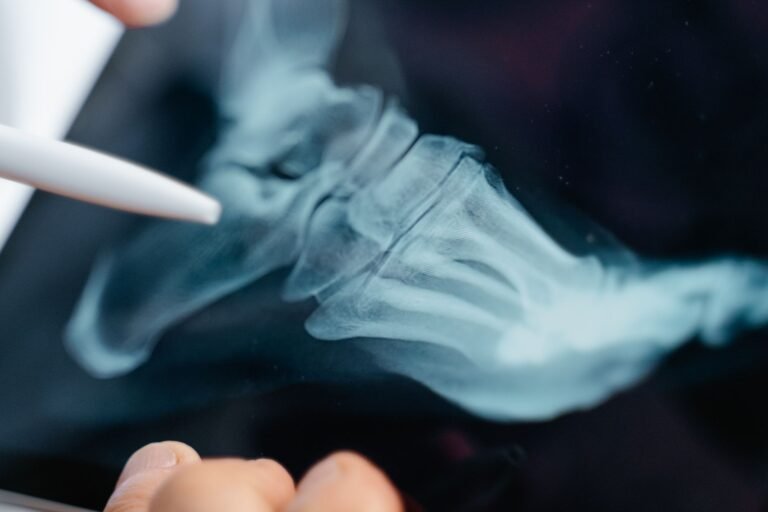
Imaging studies such as ultrasound or dual‑energy CT can detect crystal deposits before they cause symptoms. These tools help clinicians tailor urate‑lowering therapy to achieve target serum uric acid levels below 6 mg/dL. Patients are advised to keep a symptom diary and report any new swelling or persistent pain to their provider.

Impact of Gout on Daily Activities
Mobility Limitations
Acute gout attacks often affect the big toe, but any joint can be involved, leading to difficulty walking or climbing stairs. The pain may be severe enough to require the use of assistive devices such as a cane or crutch during flare‑ups. Even after the pain subsides, lingering stiffness can make prolonged standing uncomfortable.
Work‑Related Challenges
Individuals whose occupations require standing, lifting, or repetitive joint use may experience reduced productivity during attacks. Employers can accommodate by offering flexible schedules, temporary light‑duty assignments, or ergonomic modifications. Open communication with supervisors about the condition helps prevent misunderstandings and ensures safety.
Strategies to Preserve Function
Regular low‑impact exercise, such as swimming or cycling, maintains joint flexibility without placing excessive stress on vulnerable areas. Stretching routines performed twice daily can reduce stiffness and improve circulation. A practical checklist for daily living includes:
- Wear supportive footwear with adequate cushioning.
- Apply ice to inflamed joints for 15‑20 minutes at the first sign of pain.
- Keep a supply of prescribed anti‑inflammatory medication on hand.
- Schedule periodic check‑ins with a rheumatologist.
Dietary Patterns Beyond Classic Triggers
Overall Dietary Quality
While limiting high‑purine foods is essential, the broader dietary pattern influences uric acid metabolism. Diets rich in fruits, vegetables, whole grains, and low‑fat dairy have been associated with lower serum uric acid levels. Incorporating these foods provides antioxidants and fiber that may mitigate inflammation.
Hydration and Beverage Choices
Increasing water intake helps the kidneys excrete uric acid more efficiently. Aim for at least eight glasses of water per day, adjusting for activity level and climate. Certain beverages, such as coffee and tea, have been linked to modest reductions in gout risk, whereas sugary sodas and excessive alcohol raise uric acid concentrations.
Practical Meal Planning Tips
Creating a gout‑friendly menu does not require drastic restrictions. Simple modifications can make a big difference:
- Replace red meat with plant‑based proteins like lentils or tofu a few times each week.
- Choose low‑fat yogurt or cheese instead of full‑fat dairy products.
- Limit portion sizes of seafood known to be high in purines, such as anchovies and sardines.
- Include a serving of cherries or berries daily for their anti‑inflammatory properties.
Frequently Asked Questions
Can gout be cured?
There is no permanent cure, but gout can be managed effectively. Medications that lower uric acid, combined with lifestyle changes, can prevent future attacks and even dissolve existing tophi over time.
Why does gout often affect the big toe?
The big toe joint is cooler than the core body temperature, making it a favorable site for uric acid crystals to form. The joint also endures a lot of pressure, which can trigger inflammation.
Is a high‑protein diet a risk for gout?
Protein itself is not the issue; it is the purine content of certain protein sources. Red meat, organ meats, and some seafood are high in purines, while poultry, low‑fat dairy, and plant‑based proteins are generally safer.
Do over‑the‑counter pain relievers work for gout?
Yes, non‑steroidal anti‑inflammatory drugs (NSAIDs) such as ibuprofen can reduce pain and swelling during an acute attack. Always follow dosing instructions and consult a pharmacist if you have kidney or stomach concerns.
The Bottom Line
Gout symptoms are distinctive: sudden, severe joint pain, swelling, redness, and limited movement, most often striking the big toe. Recognising these signs early, staying hydrated, and seeking prompt medical advice can keep attacks short and reduce long‑term damage. With the right combination of medication, diet, and lifestyle tweaks, most people live comfortably despite a gout diagnosis.
Was this page helpful?
Thanks for your feedback! What could we improve?
Thank you! Your feedback helps us improve our articles.
True Impact Health articles are written by our editorial team and based on reliable sources such as public health agencies, clinical guidelines and peer-reviewed research. This article has not yet been medically reviewed. Read our editorial process.
This content is for general information and is not a substitute for professional medical advice, diagnosis or treatment.