











Chronic back pain
Learn what chronic back pain is, its causes, diagnosis, treatment options and practical tips to manage it safely and effectively.

Table of Contents
Key Takeaways
- Most chronic back pain improves with a combination of exercise, posture changes and professional guidance.
- Identify red‑flag symptoms early and seek medical help when pain is severe or worsening.
- Evidence‑based treatments include physical therapy, medication, and lifestyle adjustments.
- Staying active and managing stress are key to long‑term pain control.
Living with chronic back pain can feel like an endless battle, but understanding the condition is the first step toward relief. Chronic back pain is defined as pain that persists for more than three months, often despite initial treatment. It can affect daily activities, mood, and overall quality of life, yet many people find ways to manage it successfully.
In this guide we will explore what causes chronic back pain, how health professionals diagnose it, and which treatment options are supported by current medical evidence. You will also discover practical lifestyle changes that can reduce pain and improve function, all written in plain language for everyday readers.
While the information below is reliable and up‑to‑date, it is not a substitute for professional medical advice. If you have new, worsening, or severe symptoms, please see a qualified health professional.
Understanding Chronic Back Pain
What does “chronic” mean?
The word “chronic” simply means that the pain has lasted for a long time – usually longer than three months. This distinguishes it from acute pain, which is short‑lived and often linked to a specific injury. Chronic pain can fluctuate, with good days and bad days, and it may arise from many different sources within the spine.
How common is it?
Back pain is one of the most frequent reasons people visit a doctor. Studies from public health agencies show that a large portion of adults will experience back pain at some point, and a significant minority develop chronic symptoms. The exact numbers vary by country, but the condition is a leading cause of disability worldwide.
Why does it matter?
When pain lasts for months, it can affect sleep, work, and mental health. It may also lead to reduced physical activity, which can worsen the problem. Understanding the underlying mechanisms helps you and your health team choose the most effective strategies.
Common Causes of Chronic Back Pain
Mechanical problems
Most chronic back pain originates from the muscles, ligaments, discs, or joints that support the spine. Common mechanical issues include:
- Degenerative disc disease – wear and tear of the cushioning discs between vertebrae.
- Facet joint arthritis – inflammation of the small joints that allow spinal movement.
- Muscle strain – overuse or poor posture leading to tight, painful muscles.
These problems often develop slowly and may be aggravated by repetitive motions, heavy lifting, or prolonged sitting.
Structural abnormalities
Some people are born with or develop structural changes that predispose them to chronic pain. Examples include scoliosis (curvature of the spine), spinal stenosis (narrowing of the spinal canal), and spondylolisthesis (one vertebra slipping over another). Such conditions can compress nerves or alter biomechanics, leading to persistent discomfort.
Other medical conditions
Less common but still important causes include inflammatory diseases such as ankylosing spondylitis, infections, or tumors. Because these conditions require specific treatment, they are considered “red‑flag” causes that warrant prompt medical evaluation.

When to Seek Medical Help
Most back pain improves with self‑care, but certain signs indicate that professional assessment is needed. Seek care promptly if you experience any of the following:
- Sudden, severe pain after a fall or injury.
- Numbness, tingling, or weakness in the legs.
- Loss of bladder or bowel control.
- Unexplained weight loss, fever, or night sweats.
- Pain that does not improve after four to six weeks of home care.
These symptoms may signal a serious underlying problem that requires urgent investigation.
Diagnosis and Tests
Diagnosing chronic back pain starts with a detailed medical history and physical examination. Your clinician will ask about the pain’s location, intensity, triggers, and any previous injuries. They will also assess your posture, range of motion, and neurological function.
Imaging studies are ordered when red‑flag symptoms are present or when the exam suggests a specific structural issue. Common imaging options include:
- X‑ray – good for evaluating bone alignment and fractures.
- MRI – provides detailed images of discs, nerves, and soft tissues.
- CT scan – useful for complex bone anatomy.
In most cases, imaging is not required for uncomplicated chronic pain, as many findings do not change treatment decisions.
Treatment Options
Effective management usually combines several approaches. The goal is to reduce pain, improve function, and prevent future episodes.
Physical Therapy and Exercise
Physical therapists design personalized programs that focus on core strengthening, flexibility, and posture training. Regular, low‑impact aerobic activity such as walking or swimming also helps keep the spine mobile and reduces pain.
Medication
Over‑the‑counter pain relievers like acetaminophen or non‑steroidal anti‑inflammatory drugs (NSAIDs) are often first‑line options. For some people, a short course of prescription muscle relaxants or low‑dose antidepressants may be recommended to address pain and sleep disturbances. Always follow a health professional’s guidance and avoid long‑term reliance on any single medication.
Injections and Minimally Invasive Procedures
When pain does not respond to conservative measures, doctors may offer targeted injections such as epidural steroid injections or facet joint blocks. These procedures can reduce inflammation around irritated nerves and provide temporary relief, allowing you to engage more fully in rehabilitation.
Surgery
Surgery is considered only after exhaustive non‑surgical treatment and when a clear anatomical cause is identified, such as a herniated disc compressing a nerve root. Common procedures include discectomy, laminectomy, or spinal fusion. Outcomes vary, and surgery carries risks, so it is usually a last‑resort option.
Complementary Therapies
Evidence supports the use of certain complementary approaches as part of a multimodal plan. These may include:
- Mindfulness‑based stress reduction – helps manage the emotional component of chronic pain.
- Acupuncture – some studies show modest pain relief for back pain.
- Heat or cold therapy – simple at‑home methods to ease muscle tension.
Always discuss complementary therapies with your clinician to ensure they fit safely within your overall plan.

Lifestyle Strategies for Managing Pain
Daily habits have a powerful influence on back health. Making small, sustainable changes can produce big benefits over time.
Posture and Ergonomics
Maintaining a neutral spine while sitting, standing, and lifting reduces strain. Tips include:
- Use a chair with lumbar support and keep feet flat on the floor.
- Position computer screens at eye level to avoid forward head posture.
- When lifting, bend at the hips and knees, not the waist.
Sleep Hygiene
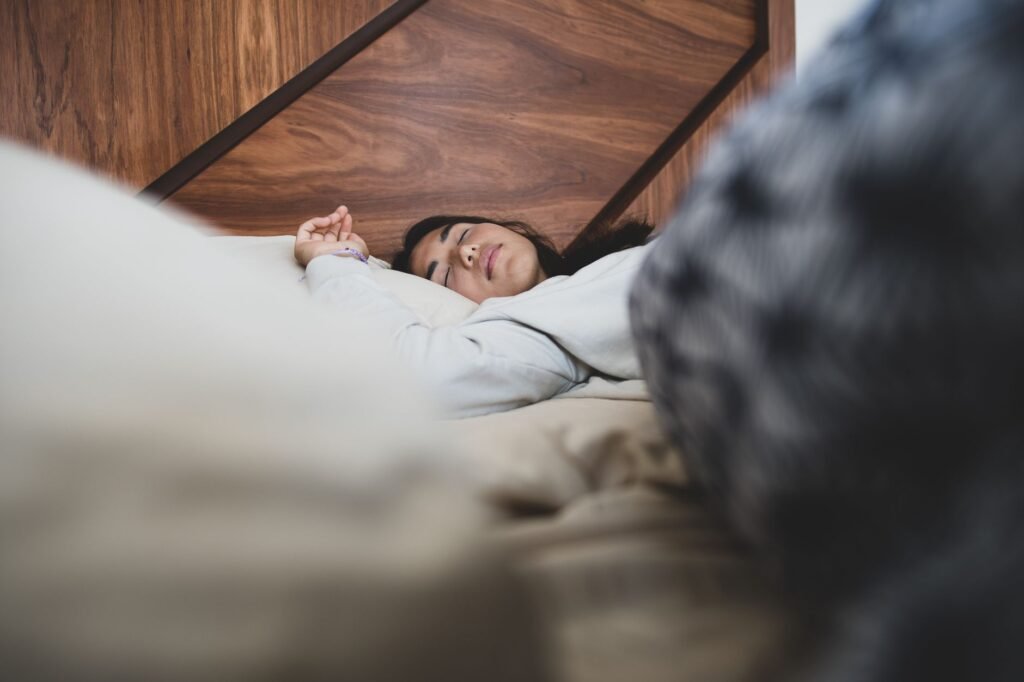
A supportive mattress and pillow help keep the spine aligned during sleep. Choose a mattress that is firm enough to support your body weight but soft enough to relieve pressure points. Sleeping on your side with a pillow between the knees can also reduce lower‑back strain.
Weight Management
Excess body weight adds stress to the lumbar spine. A balanced diet rich in fruits, vegetables, lean protein, and whole grains supports overall health and can aid in weight control, thereby decreasing mechanical load on the back.
Stress Reduction
Stress can amplify the perception of pain. Practices such as deep breathing, gentle yoga, or guided meditation can lower cortisol levels and improve pain tolerance.
Activity Pacing
Instead of pushing through pain, learn to balance activity with rest. Break tasks into smaller steps, take short frequent breaks, and gradually increase the duration of exercise as tolerated.
Managing the Emotional Impact
Chronic pain often co‑exists with anxiety, depression, or feelings of frustration. Addressing the emotional side of pain is essential for comprehensive care.
Psychological Support
Cognitive‑behavioral therapy (CBT) is an evidence‑based approach that helps reframe negative thoughts about pain and develop coping strategies. Many community health centers and online platforms offer CBT tailored for chronic pain.
Support Networks
Connecting with friends, family, or support groups provides validation and practical tips. Sharing experiences can reduce feelings of isolation and motivate adherence to treatment plans.
Goal Setting
Set realistic, measurable goals such as “walk 10 minutes three times a week” or “perform a core‑strengthening routine twice a week.” Achieving small milestones builds confidence and reinforces positive behavior.
Evidence‑Based Resources
For reliable, up‑to‑date information, you can consult trusted health portals such as MedlinePlus. These sites provide patient‑friendly explanations of conditions, treatment options, and self‑care strategies.
Summary Table of Treatment Options
| Approach | Typical Use | Benefits |
|---|---|---|
| Physical therapy | Improving strength, flexibility, posture | Reduces pain, restores function, low risk |
| Medication (OTC/Prescription) | Pain relief, inflammation control | Quick symptom relief, easy access |
| Injections | Targeted inflammation reduction | Temporary relief, enables rehab |
| Surgery | Correct structural problems | Potential long‑term resolution when indicated |
| Complementary therapies | Adjunctive pain management | May enhance overall comfort, low side effects |
Frequently Asked Questions
Can chronic back pain go away on its own?
In many cases, symptoms improve over time with self‑care, physical activity, and lifestyle adjustments. However, without appropriate management, pain can persist or worsen. Early intervention often leads to better outcomes.
Is bed rest recommended for chronic back pain?
Prolonged bed rest is generally discouraged because it can lead to muscle weakness and stiffness. Short periods of rest may be helpful after an acute flare, but most experts advise returning to gentle movement as soon as feasible.
Are there any foods that can help reduce back pain?
While no single food cures back pain, an anti‑inflammatory diet rich in omega‑3 fatty acids (found in fish, flaxseed, walnuts), colorful fruits and vegetables, and whole grains can support overall health and may lessen inflammation.
What is the difference between chronic and acute back pain?
Acute back pain lasts a few days to weeks and is often linked to a specific injury or strain. Chronic back pain persists beyond three months and may involve ongoing tissue changes, nerve sensitization, or other factors.
The Bottom Line
Chronic back pain is a common but manageable condition. Understanding its causes, seeking timely medical evaluation for red‑flag signs, and adopting a multimodal treatment plan that includes physical activity, proper ergonomics, and emotional support can dramatically improve quality of life. Remember that individualized care, guided by a qualified professional, is the cornerstone of lasting relief.
Was this page helpful?
Thanks for your feedback! What could we improve?
Thank you! Your feedback helps us improve our articles.
True Impact Health articles are written by our editorial team and based on reliable sources such as public health agencies, clinical guidelines and peer-reviewed research. This article has not yet been medically reviewed. Read our editorial process.
This content is for general information and is not a substitute for professional medical advice, diagnosis or treatment.