









Best probiotic foods for gut health
Discover the Best probiotic foods for gut health, from yogurt to kimchi, with practical tips, safety advice, and a quick FAQ guide.
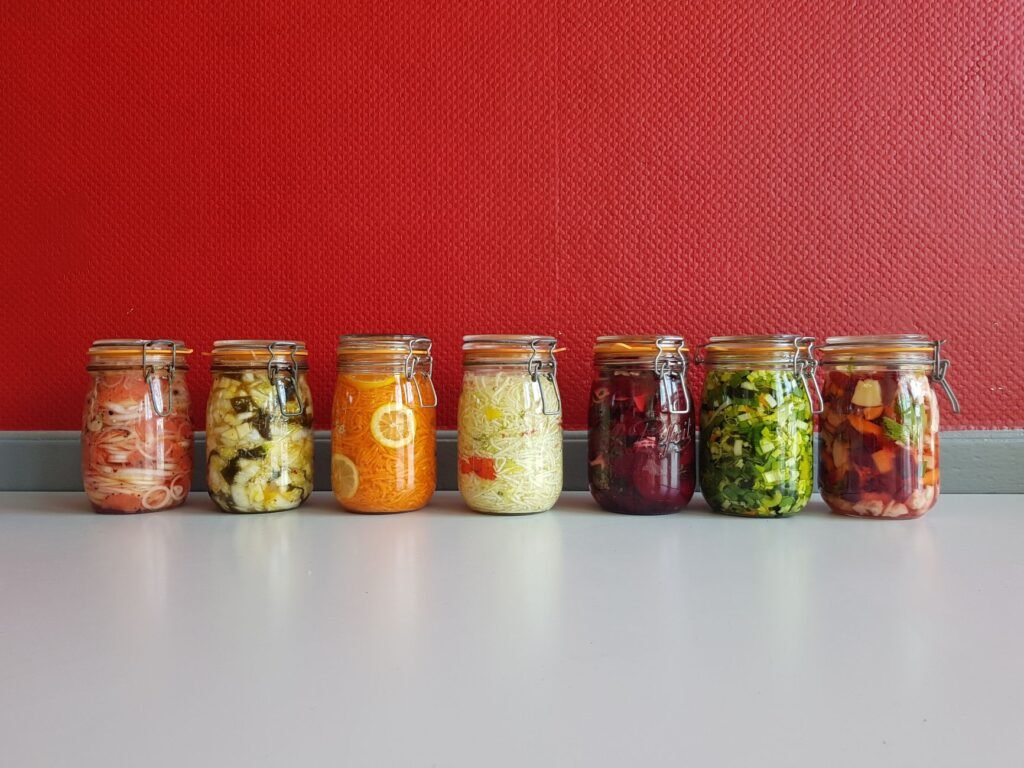
Table of Contents
Key Takeaways
- Probiotic foods deliver live beneficial bacteria to support digestion
- A variety of dairy and non-dairy fermented foods provide different strains
- Store fermented foods properly to keep cultures alive
- Start with small portions and increase gradually
When you search for the Best probiotic foods for gut health, you are looking for foods that naturally contain live beneficial bacteria. These microorganisms help keep the digestive system balanced, support immune function, and may even influence mood.
In this guide we explain what probiotics are, why they matter, and which everyday foods are richest in these friendly microbes. You’ll also find practical tips for adding them to meals, storage advice, and answers to common questions.
What are Probiotics and Why They Matter
Definition in plain language
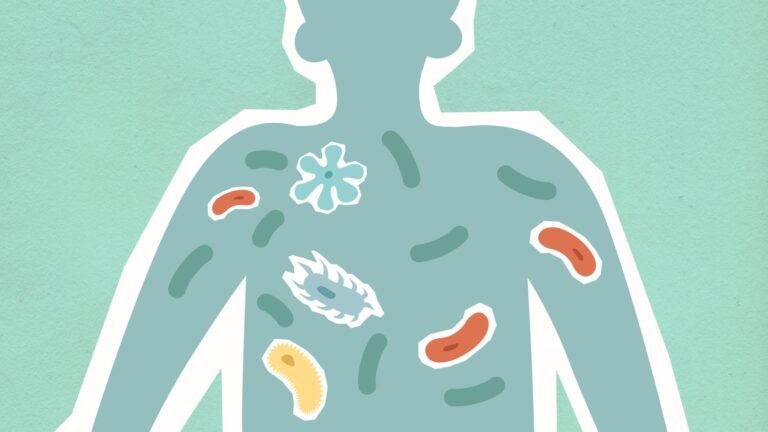
Probiotics are live microorganisms, mainly bacteria, that when eaten in adequate amounts can provide a health benefit. Think of them as tiny helpers that live in your intestines and compete with harmful microbes.
How they support gut health
These good bacteria help break down food, produce vitamins such as B12 and K, and reinforce the gut lining. A balanced gut microbiome can reduce occasional bloating, improve regularity, and support a healthy immune response.
Evidence from health authorities
National health agencies, including the MedlinePlus website, note that probiotic‑rich foods are a safe way to introduce beneficial microbes into the diet for most people.
How to Choose Probiotic Foods
Look for live and active cultures
Products that list “live and active cultures” on the label have been tested for viable bacteria at the time of manufacture. Avoid items that have been pasteurised after fermentation, as the heat kills the microbes.
Check the fermentation method
Traditional fermentation, where natural bacteria are allowed to grow, usually yields higher probiotic counts than rapid industrial processes that add cultures later.
Consider variety
Different strains, such as Lactobacillus and Bifidobacterium, offer distinct benefits. Eating a range of fermented foods helps expose your gut to a broader spectrum of helpful bacteria.
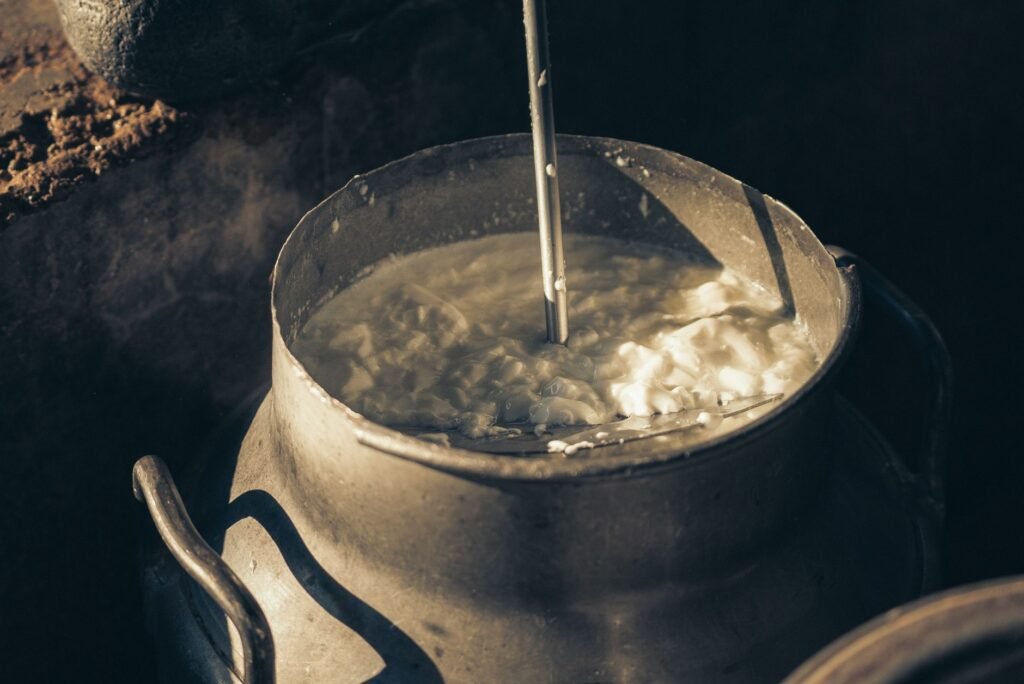
Top Fermented Dairy Options
Dairy-based fermented foods are among the most studied probiotic sources. They are also easy to incorporate into breakfast or snacks.
| Food | Typical CFU range per serving | Key Benefits |
|---|---|---|
| Yogurt (plain) | 10^9-10^10 | Supports digestion, calcium source |
| Kefir | 10^8-10^9 | Rich in multiple strains, probiotic diversity |
| Buttermilk | 10^8-10^9 | Mild flavor, good for cooking |
Yogurt
Greek or regular yogurt that contains live cultures such as Lactobacillus bulgaricus and Streptococcus thermophilus is a convenient probiotic snack. Choose plain versions to avoid added sugars.
Kefir
Kefir is a fermented milk drink with a thinner consistency than yogurt. It typically contains a wider variety of bacteria and yeasts, making it a potent source of probiotics.
Cheese varieties
Some aged cheeses, like Gouda, mozzarella, and cheddar, retain live cultures. Look for labels that mention “live cultures” and enjoy them in moderation.
Non-Dairy Fermented Foods
Kimchi
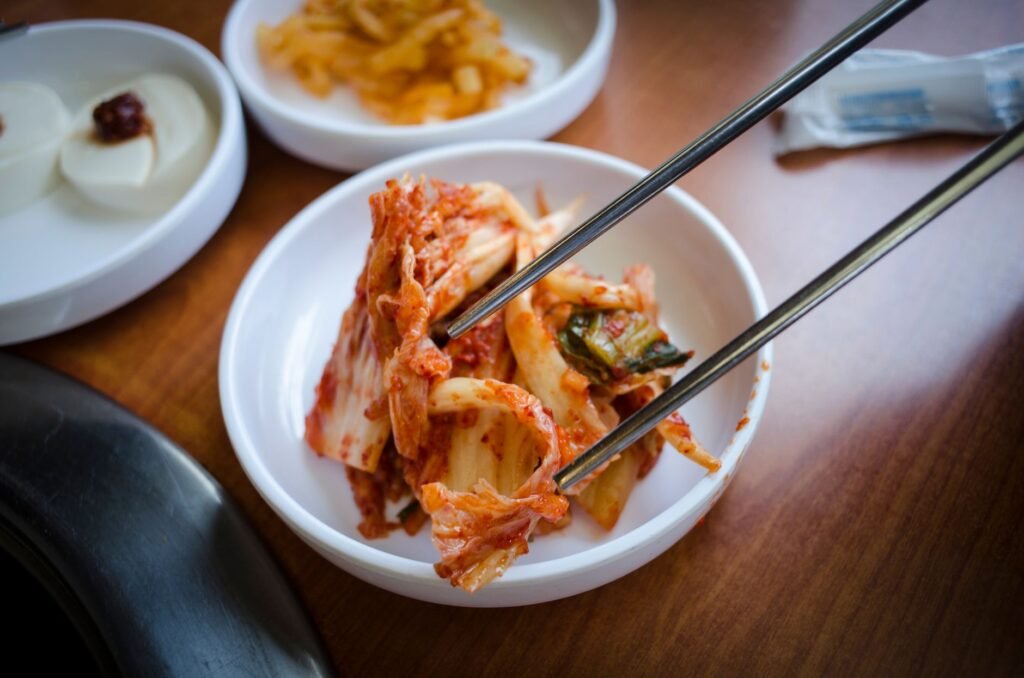
Kimchi is a Korean staple made from cabbage, radishes, and spices that undergoes lactic-acid fermentation. It supplies Lactobacillus kimchii and other strains that can aid digestion.
Sauerkraut
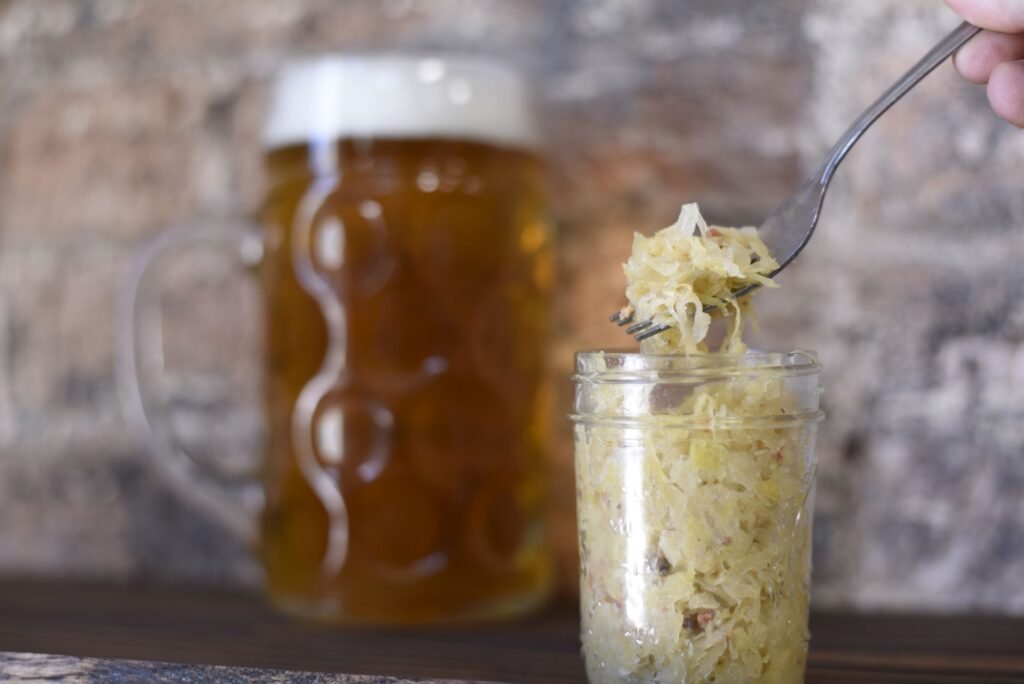
Traditional sauerkraut is shredded cabbage fermented with salt. It is rich in vitamin C and probiotics, especially when it is unpasteurised.
Miso
Miso is a Japanese paste created from soybeans, rice or barley, and a fungus called koji. When added to soups or sauces, it introduces beneficial bacteria and enzymes.
Probiotic-Rich Vegetables and Legumes
Fermented soy products
Tempeh and natto are soybeans that have been fermented with specific bacteria. They provide protein along with probiotic benefits, especially natto which contains Bacillus subtilis.
Pickles
Pickles made through natural fermentation (not vinegar-based) retain live cultures. Look for “fermented in brine” on the label.
Other fermented vegetables
Carrots, beets, and garlic can be fermented at home to create probiotic-rich condiments that add flavor and gut-friendly microbes.
Incorporating Probiotic Foods into Daily Meals
Breakfast ideas
- Top plain yogurt with fresh berries and a drizzle of honey.
- Blend kefir with banana and spinach for a gut-friendly smoothie.
- Add a spoonful of miso to a warm vegetable broth.
Lunch and dinner options
- Include a side of kimchi with a rice bowl or noodle dish.
- Stir-fried tempeh with vegetables for protein and probiotics.
- Use fermented pickles as a topping for sandwiches or tacos.
Snacks and desserts
- Enjoy a small serving of kefir ice cream made at home.
- Combine sauerkraut with avocado toast for a tangy twist.
- Make probiotic parfaits with yogurt, granola, and fruit.
Safety, Storage, and Shelf Life
Refrigeration matters
Live cultures stay active when kept cold. Store yogurt, kefir, kimchi, and sauerkraut in the refrigerator and consume them before the “use by” date.
Watch for signs of spoilage
If a product develops an off-odor, mold, or unusual texture, discard it. Proper fermentation should produce a pleasant sour smell, not a rotten one.
Special considerations
People with compromised immune systems, such as those undergoing chemotherapy, should consult a healthcare professional before consuming large amounts of raw fermented foods.
Probiotic Foods for Specific Health Goals
Supporting Immune Function
Regular consumption of live‑culture foods can help maintain a balanced gut microbiota, which in turn influences immune signaling pathways. Strains such as Lactobacillus rhamnosus and Bifidobacterium lactis have been shown in clinical studies to enhance the activity of natural killer cells and promote the production of anti‑inflammatory cytokines. Including fermented foods like kefir, sauerkraut, and miso in daily meals provides a steady source of these beneficial microbes.
Beyond the microbes themselves, the nutrients present in probiotic foods, vitamins K and B12, minerals, and bioactive peptides, support immune resilience. For example, the vitamin K2 produced during fermentation plays a role in regulating inflammatory responses. Pairing probiotic foods with colorful fruits and vegetables can further boost antioxidant intake, creating a synergistic effect for immune health.
- Kefir (plain, low‑fat)
- Sauerkraut (unpasteurized)
- Miso soup (made with live‑culture paste)
Managing Stress and Mood
The gut-brain axis describes the bidirectional communication between intestinal microbes and central nervous system function. Certain probiotic strains, notably Lactobacillus helveticus and Bifidobacterium longum, have been linked to reduced cortisol levels and improved mood scores in randomized trials. Incorporating these strains through fermented dairy alternatives or fermented soy products may help mitigate everyday stress.
Fermented foods also contain gamma‑aminobutyric acid (GABA), a neurotransmitter that promotes relaxation. Foods such as kimchi and tempeh are natural sources of GABA, produced during the fermentation process. Consuming a modest portion of these foods before bedtime may support a calmer mental state and improve sleep quality.
- Kimchi (traditional, low‑sodium)
- Tempeh (organic, whole‑grain)
- Greek yogurt with live cultures (plain)
Enhancing Skin Health
Skin conditions like acne and eczema have been associated with dysbiosis, an imbalance of gut bacteria. Restoring microbial diversity through probiotic foods can reduce systemic inflammation that often manifests on the skin surface. Studies indicate that daily intake of fermented foods rich in Lactobacillus plantarum may improve skin barrier function.
In addition to live microbes, fermented foods supply antioxidants such as polyphenols, which protect skin cells from oxidative stress. A simple salad topped with fermented carrots and a drizzle of fermented apple cider vinegar can deliver both probiotic and antioxidant benefits. Consistency is key; benefits typically appear after several weeks of regular consumption.
- Fermented carrots (quick‑pickled)
- Apple cider vinegar (raw, with mother)
- Fermented oat drink (with live cultures)
Seasonal and Regional Probiotic Food Choices
Spring and Summer Selections
Warmer months encourage the growth of fresh, lightly fermented vegetables that retain crisp textures and bright flavors. In many Mediterranean regions, fermented cucumbers and lemon‑preserved olives are staples that provide both probiotic activity and seasonal vitamins. These foods are often consumed raw or lightly chilled, preserving the viability of live cultures.
Fermented fruit drinks, such as water kefir and kombucha, become popular during summer due to their refreshing qualities. When prepared with minimal added sugars, they offer a probiotic boost without excessive caloric load. Pairing these drinks with a salad of fermented radishes and herbs creates a balanced, gut‑friendly meal.
- Water kefir (homemade, low‑sugar)
- Kombucha (unflavored, raw)
- Fermented cucumber (quick pickle)
Fall and Winter Selections
Cooler seasons favor heartier fermented foods that can be stored for extended periods. Traditional European winter diets include sauerkraut, fermented beet kvass, and aged cheese, all of which deliver robust strains of Lactobacillus and Leuconostoc. These foods also supply vitamin C and minerals that support immune defenses during cold weather.
In East Asian cuisines, winter dishes often feature fermented soybean products such as doenjang and fermented bean pastes. These foods are rich in protein and bioactive peptides that aid digestion when the body’s metabolism slows. Incorporating a small serving of fermented miso soup into a nightly routine can be both comforting and beneficial for gut health.
- Sauerkraut (unpasteurized, raw)
- Beet kvass (fermented, low‑salt)
- Doenjang (traditional Korean soybean paste)
Cooking Techniques that Preserve Probiotic Benefits
Gentle Heating Methods
Heat can destroy live microorganisms, so it is important to apply cooking techniques that keep temperatures below the critical threshold for most probiotic strains, generally around 115°F (46°C). Adding fermented ingredients at the end of cooking, such as stirring in yogurt or miso after the soup is removed from heat, preserves microbial viability.
Steaming vegetables briefly before mixing them with fermented dressings also maintains texture while protecting probiotic cultures. For example, lightly steamed broccoli tossed with a fermented kimchi vinaigrette retains both crunch and beneficial bacteria. This approach allows the probiotic component to remain active without compromising flavor.
- Add yogurt to sauces after removing from heat
- Stir miso into soups off the burner
- Top steamed veggies with fermented dressings
Fermentation at Home
Home fermentation gives control over salt levels, fermentation time, and starter cultures, which can enhance probiotic content. Simple projects like making sauerkraut in a mason jar require only shredded cabbage, sea salt, and a clean environment. The natural lactic‑acid bacteria present on the cabbage begin the fermentation within a few days.
Monitoring temperature (ideally 65‑75°F or 18‑24°C) and allowing the ferment to develop for one to four weeks yields a product rich in diverse strains. Using starter cultures from a previous batch can increase consistency and ensure a high count of viable microbes. Properly sealed jars stored in a cool dark place prolong shelf life while maintaining probiotic potency.
- Shredded cabbage + 2% sea salt for sauerkraut
- Ferment at 70°F for 1‑4 weeks
- Use a starter from a previous batch for reliability
Combining Probiotic Foods with Prebiotic Ingredients
Prebiotic fibers serve as food for probiotic bacteria, enhancing their survival and activity in the gut. Foods such as garlic, onions, bananas, and whole‑grain oats contain inulin and resistant starch that support microbial growth. Pairing a probiotic‑rich dish with these ingredients creates a synbiotic effect.
For instance, a bowl of miso soup can be enriched with sliced shiitake mushrooms and a sprinkle of oat bran. The prebiotic fibers in the mushrooms and oat bran feed the live cultures from the miso, potentially amplifying health benefits. Designing meals with both components in mind is a practical way to maximize gut‑friendly nutrition.
- Garlic and onion in fermented sauces
- Banana slices with kefir smoothies
- Oat bran added to fermented grain bowls
Frequently Asked Questions
Do probiotic foods replace supplements?
Food sources provide a natural way to obtain live bacteria, but they may not deliver the same concentration as a targeted supplement. Choose what fits your lifestyle and discuss with a clinician if you have specific health goals.
How much probiotic food should I eat each day?
Most guidelines suggest a serving of yogurt or kefir (about 150 g) or a few tablespoons of fermented vegetables daily. Adjust based on tolerance and personal preference.
Can I make my own probiotic foods at home?
Yes, many foods like sauerkraut, kimchi, and kefir can be prepared at home with simple ingredients and minimal equipment. Follow reputable recipes and maintain strict hygiene.
Are there any side effects?
Some people experience mild gas or bloating when they first increase probiotic intake. Symptoms usually subside within a few days.
The Bottom Line
Choosing the Best probiotic foods for gut health means selecting a variety of live-culture foods, storing them properly, and adding them to meals you already enjoy. By incorporating dairy and non-dairy fermented options, you can support digestion, immunity, and overall wellbeing.
Was this page helpful?
Thanks for your feedback! What could we improve?
Thank you! Your feedback helps us improve our articles.
True Impact Health articles are written by our editorial team and based on reliable sources such as public health agencies, clinical guidelines and peer-reviewed research. This article has not yet been medically reviewed. Read our editorial process.
This content is for general information and is not a substitute for professional medical advice, diagnosis or treatment.